


Antique Two Handled Vase
An antique two handled vase brings classical symmetry and substance to a room, whether rendered in painted porcelain or gleaming sterling silver.
Antique Two Handled Vase
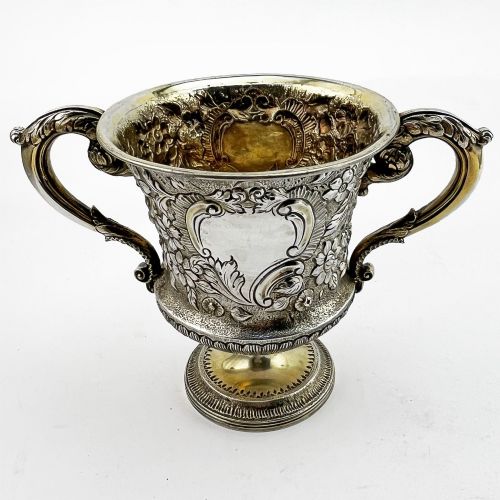
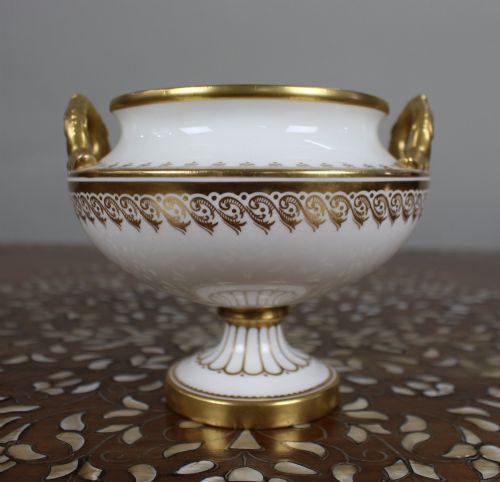
An antique two handled vase is a decorative vessel designed with symmetrical side grips, spanning forms from campana cups to ovoid urns and loving cups. These pieces appear across several centuries, originating from English, continental European, and Japanese workshops.
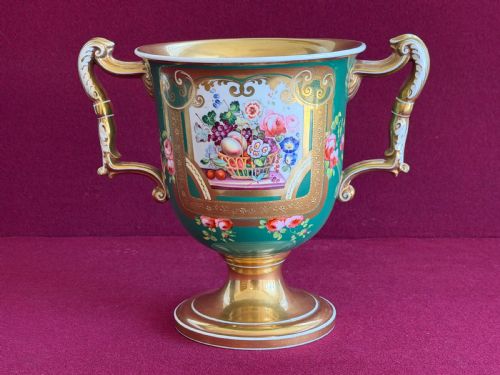
The most common examples on this page are porcelain and earthenware vessels dating from the Victorian and Edwardian eras, alongside silver presentation pieces. Makers applied hand-painted botanical and figurative scenes to porcelain bodies, while metal versions often utilised classical revival motifs.
How they were made
Potters shaped porcelain and earthenware on the wheel or in moulds before applying glazes and enamels, frequently adding gold leaf or gilding to the handles and rims. Hand-painting required skilled artists to apply detailed scenes of fruit and flowers directly onto the ceramic body.
Metal smiths cast sterling silver, brass, and gilt components into classical shapes, soldering handles securely to the main body. Cloisonné and faience techniques involved fusing coloured enamels onto metal or earthenware substrates through careful firing.
Materials recorded across the inventory include porcelain, earthenware, sterling silver, brass, enamel, and gold leaf.
What varies in quality
The skill of the hand-painted decoration determines the distinction between standard production and masterwork pieces, particularly on porcelain where signed artist work commands greater attention. Crispness in the moulding of classical handles and relief ornaments also separates superior vessels from simpler factory output.
Material weight and finish integrity dictate the standard of metal trophies and silver vessels, where heavy gauges and refined gilding indicate higher craftsmanship. The complexity of the glaze application, from delicate blush ivory to deep Satsuma enamels, reflects the workshop standard.
H & R Daniel·Royal Worcester·Joseph Rodgers & Sons
The Antique Two Handled Vase Glossary
- Campana
- A bell-shaped vessel with a flared rim and foot, commonly seen in Georgian and Regency silver and porcelain.
- Blush Ivory
- A cream-coloured ceramic ground developed by Royal Worcester with soft pastel floral decoration.
- Faience
- Tin-glazed earthenware produced in European traditions, known for opaque coloured surfaces.
- Totai Shippo
- Japanese cloisonné enamel on a porcelain body rather than traditional metal.
- Loving Cup
- A large two-handled drinking vessel often utilised as a trophy or presentation piece.
Antique Two Handled Vase: Frequently Asked Questions
How do I date an antique two handled vase?
Dating relies on factory marks stamped or painted on the base, stylistic clues such as Art Nouveau curves or Regency neoclassical shapes, and material finishes.
Comparing the painting style and signature to known artist records helps narrow the decade of production.
Were these vessels used for flowers?
Many ceramic urns and vases served decorative purposes on mantelpieces or pedestals rather than holding water for cut stems.
Silver loving cups and trophy cups were strictly presentation pieces awarded for achievements or used in ceremonies.
What is the difference between an urn and a vase?
Urns typically feature a footed pedestal base and a covered ovoid or campana body, carrying a more formal classical appearance.
Vases encompass a wider range of open-topped vessels designed primarily for display or floral arrangement.
How should I clean porcelain vases with gilding?
Dust gently with a soft, dry brush to protect delicate painted surfaces and raised gold leaf from abrasion.
Avoid liquid cleaners and harsh chemicals, which can damage historic enamels and fragile ceramic glazes.