

19th Century Cooler
A 19th century cooler brings substantial timber and polished metal to the dining room, offering a practical vessel for wine and ice.
19th Century Cooler
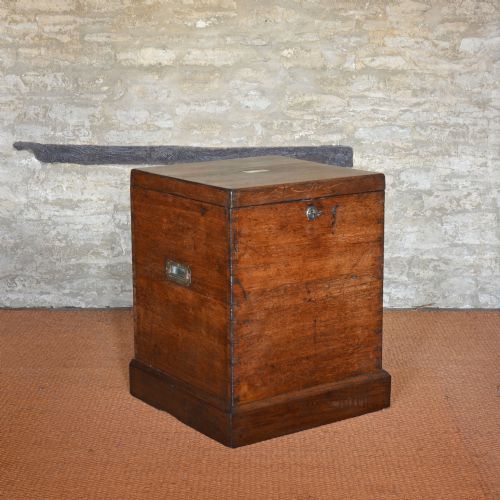
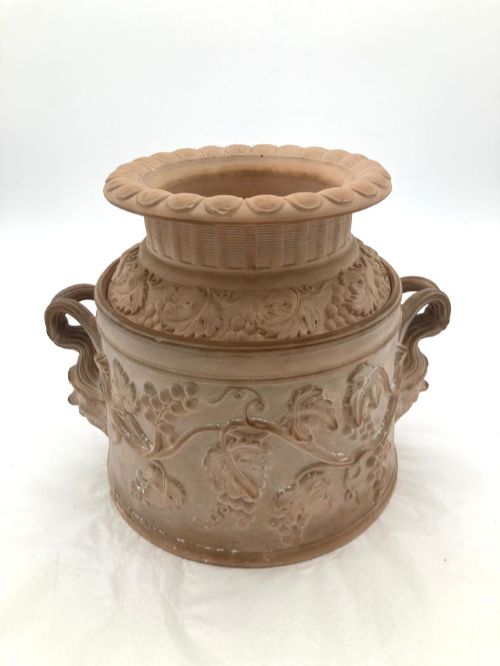
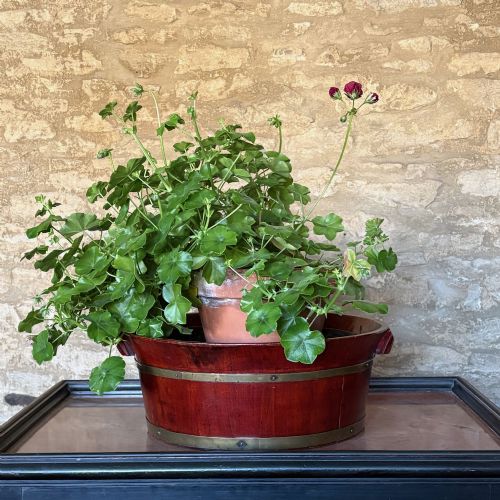
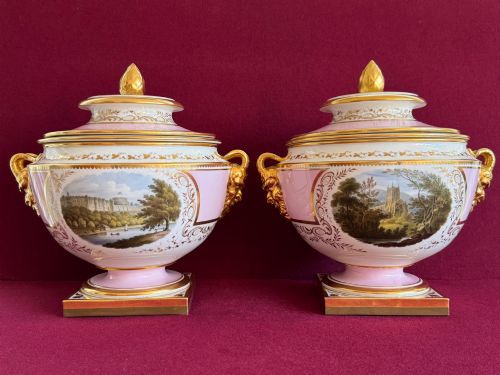
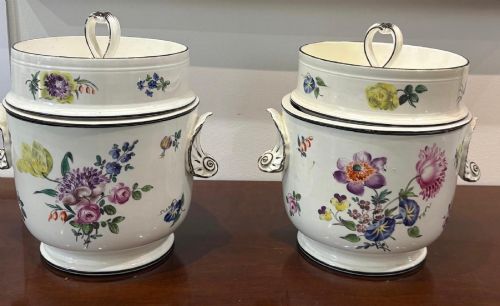
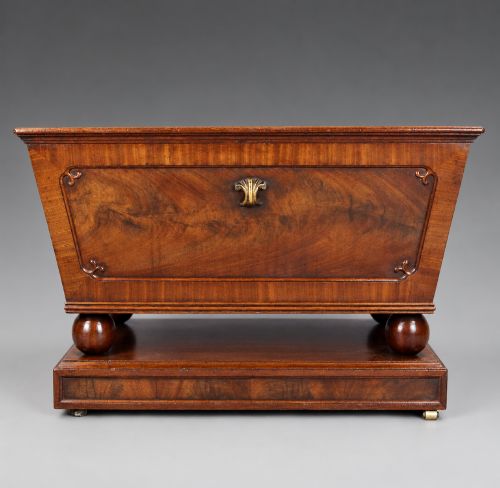
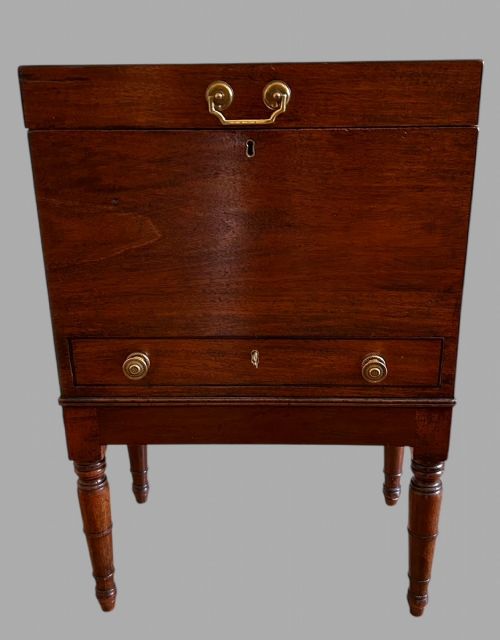
When searching for a 19th century cooler, a buyer encounters a diverse group of vessels designed for chilling wine, cooling champagne, or holding ice at the dining table. These domestic objects span forms such as freestanding cellarettes, sarcophagus-shaped floor bins, coopered tubs, and table-standing ice pails.
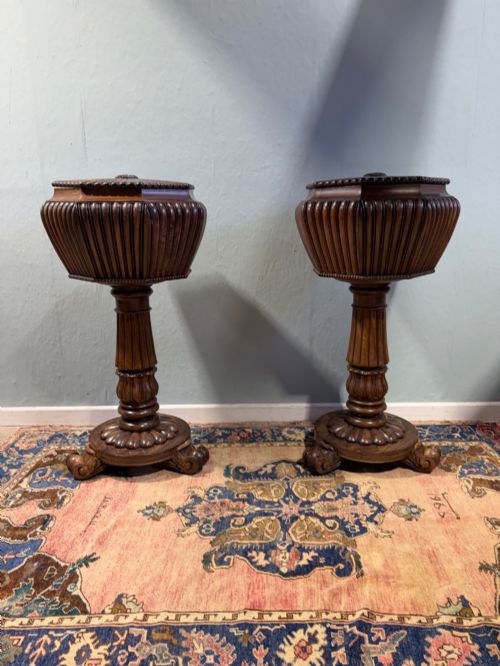
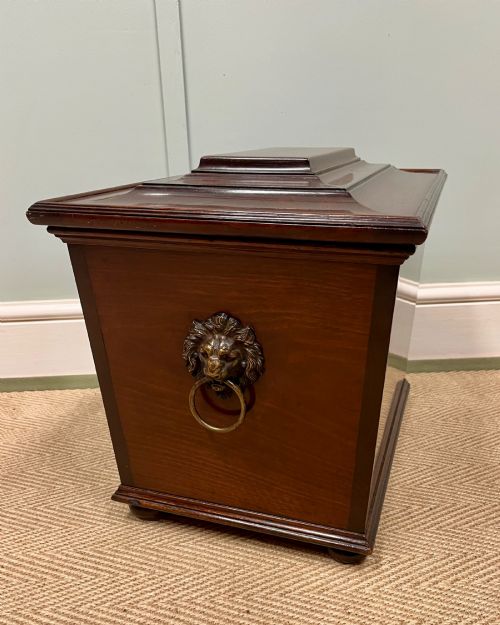
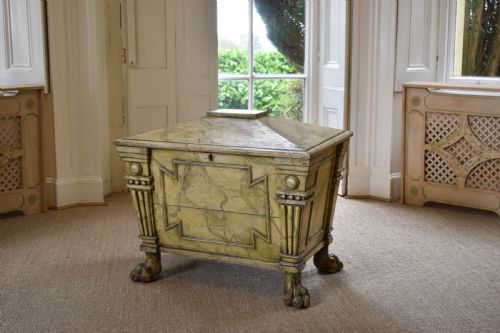
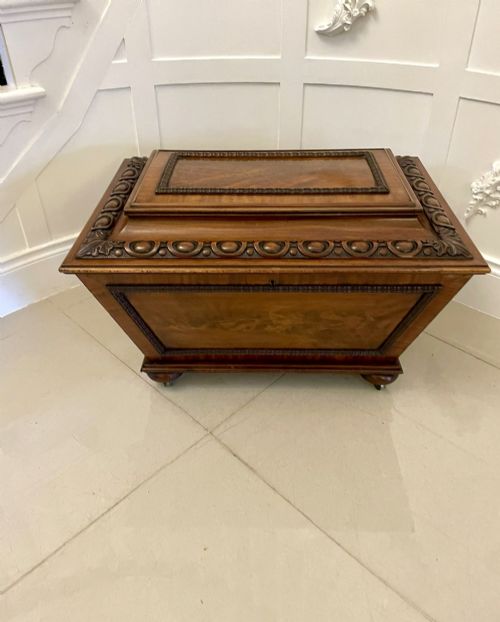
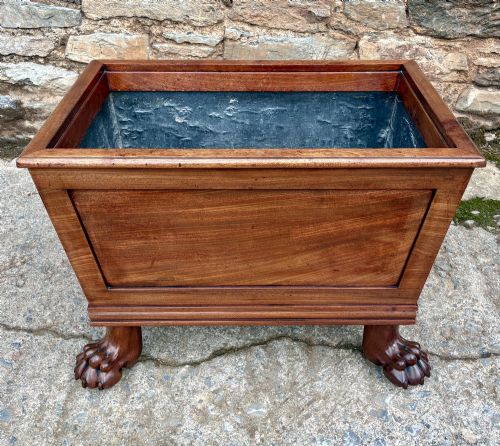
The version most commonly met on this page is the mahogany wine cooler or cellarette from the Regency and Georgian periods. These timber pieces often stand on paw feet or castors, designed to sit discreetly beneath a sideboard until required for service.
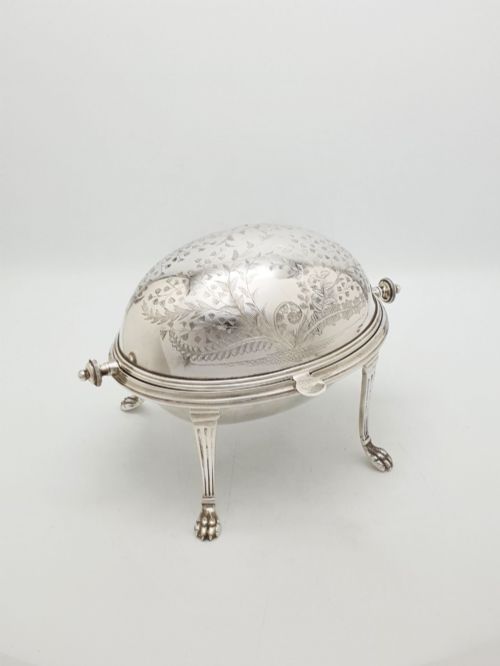
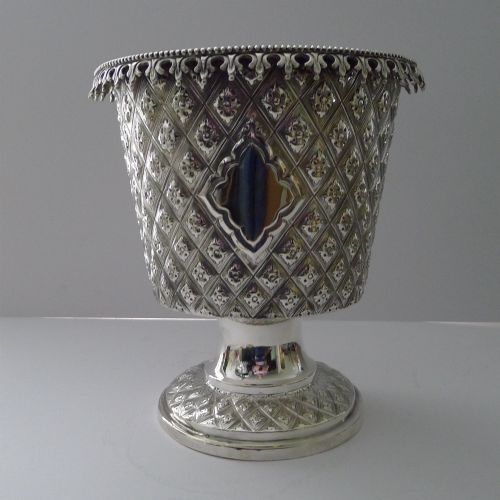
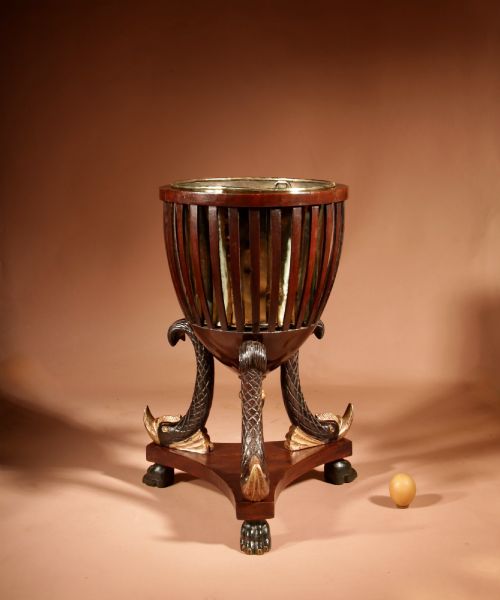
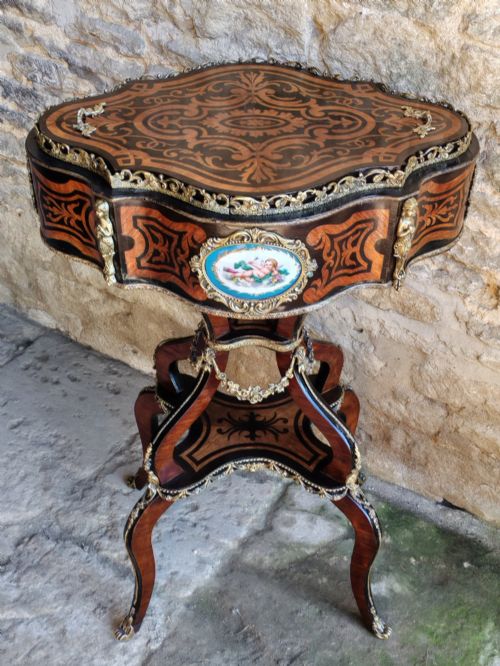
Beyond traditional mahogany timber, the selection encompasses metal variations including silver plate, copper, and brass liners. Related forms such as jardinieres, planters, and plate-warmer pedestals also appear, reflecting the varied household duties assigned to these containers across the 19th century.
Materials and construction
Cabinetmakers utilised dense hardwoods, predominantly flame mahogany and walnut, constructed with coopered staves or solid panels. Metal elements such as brass liners, ormolu mounts, and silver plate provided both structural reinforcement and decorative contrast against the dark wood.
Traditional coopering techniques ensured watertight integrity for holding melting ice and wine bottles. Joinery frequently incorporated carved details, paw feet, and applied gilt bronze mounts characteristic of Regency and French Empire aesthetics.
19th Century Cooler Retail Price Guide 2026
Typical asking prices for 19th century cooler among the pieces listed under this phrase on Sellingantiques today, from the lower quarter to the upper quarter. They describe what is for sale here now, not the wider market.
A butler required sturdy castors on a wine cooler to swiftly manoeuvre heavy ice-filled timber across the dining room floor.
Distinguishing quality
The standard of a 19th century cooler rests on the quality of its timber selection, such as highly figured flame mahogany, and the crispness of its carved or cast ornamentation. Pieces retaining their original fitted brass liners and functional castors demonstrate greater integrity.
Proportion and scale dictate the visual success of the piece, with finer examples exhibiting balanced sarcophagus or bucket profiles and harmonious mounts. Maker attribution, visible in documented workshop styles or stamped silver plate, further elevates the standing of an individual vessel.
Flight Barr And Barr·Gillows·Elkington Mason And Co·Freemans Of Norwich
The 19th Century Cooler Glossary
- Cellarette
- A lockable container used for holding bottles of wine near the dining table. These wooden bins often contained compartmentalised interiors lined with metal.
- Coopered
- Constructed using wooden staves bound together by metal hoops, similar to barrel-making. This method allowed vessels to hold ice and liquid safely.
- Sarcophagus
- A monumental container shape featuring a tapered body and pitched lid, popular during the Regency period for large wine coolers. The design drew inspiration from classical antiquity.
- Jardiniere
- An ornamental receptacle designed to hold plants or flowers. In 19th-century interiors, these metal or wooden vessels often doubled as wine coolers.
- Ice pail
- A smaller tabletop vessel intended for chilling individual bottles or serving ice. These items frequently incorporated porcelain or silver plate.
19th Century Cooler: Frequently Asked Questions
What is a cellarette?
A cellarette is a lockable wooden chest or bin used to store wine bottles near the dining table during the 18th and 19th centuries. They were often lined with metal or lead to safely hold ice and water.
These pieces typically sat on the floor beneath a sideboard, allowing servants easy access to bottles during long meals without needing to visit the cellar.
How were wine coolers used?
Nineteenth-century wine coolers were packed with ice and water to chill bottles of wine or champagne before and during dining. Metal liners protected the wooden structure from moisture.
When not utilised for entertaining, some vessels doubled as planters, jardiniere stands, or log baskets within country house drawing rooms.
How do I spot a Regency cooler?
Regency coolers frequently feature architectural forms such as sarcophagus shapes, lion paw feet, and classical ormolu mounts. Mahogany, particularly flame grain veneer, is the dominant timber.
Cabinetmakers of this era drew heavily on ancient Greek and Roman motifs, resulting in bold geometric profiles paired with brass ring handles.
Can I use an antique cooler today?
Many surviving wooden and metal coolers remain structurally robust enough to hold bottles on ice during gatherings. The addition of original or replacement metal liners helps protect the historic timber.
Alternatively, buyers often repurpose these containers as decorative umbrella stands, indoor planters, or log bins for domestic firesides.