



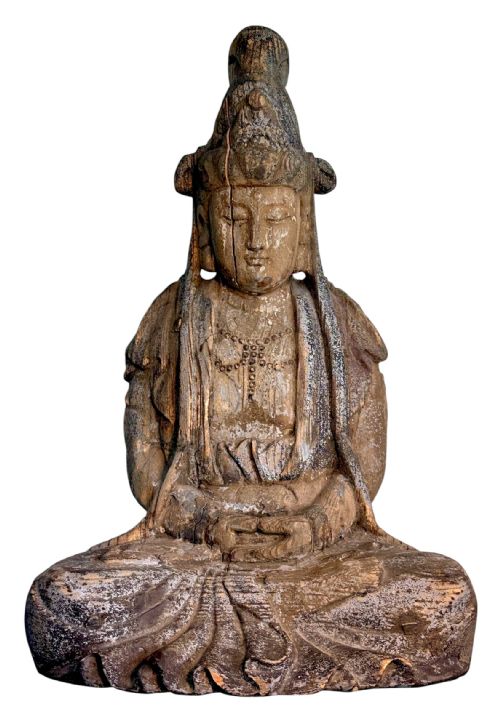


19th Century Chinese Figure
A 19th century Chinese figure brings carved wood, bronze, soapstone, and porcelain representations of deities, animals, and scholars into domestic spaces.
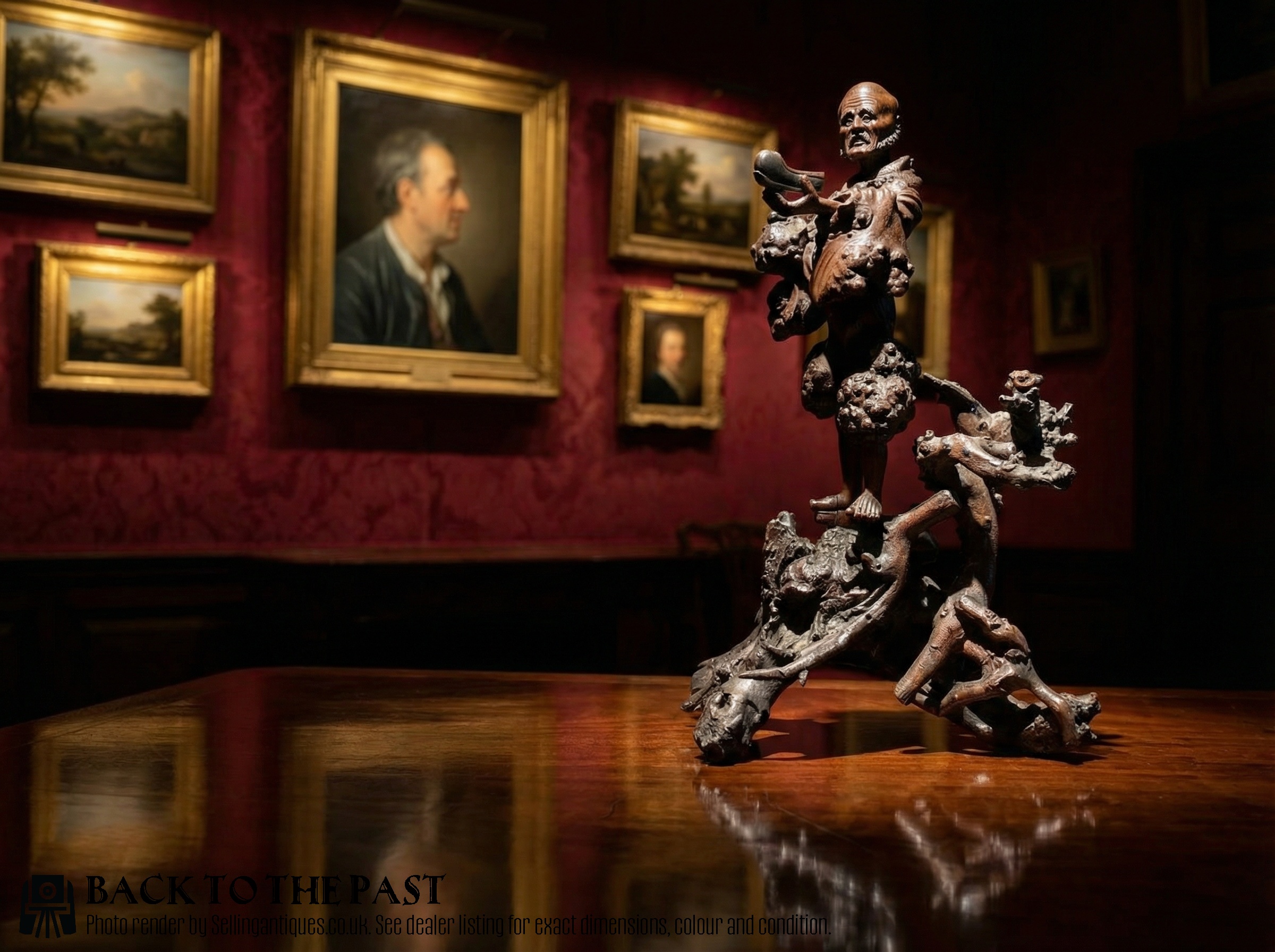
19th Century Chinese Figure
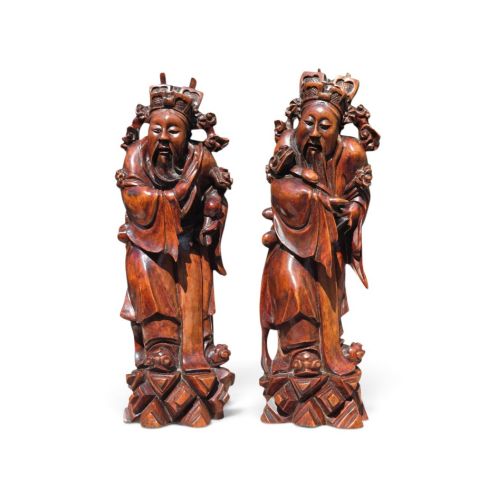
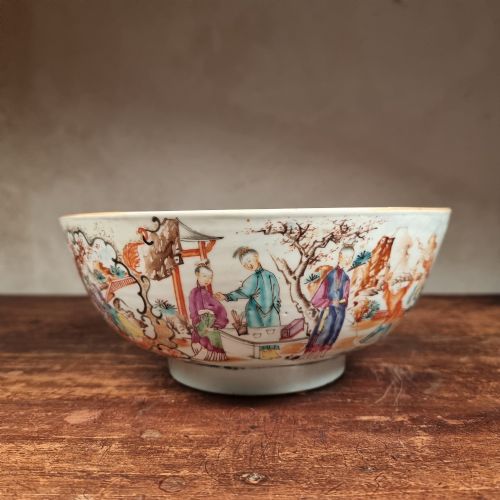
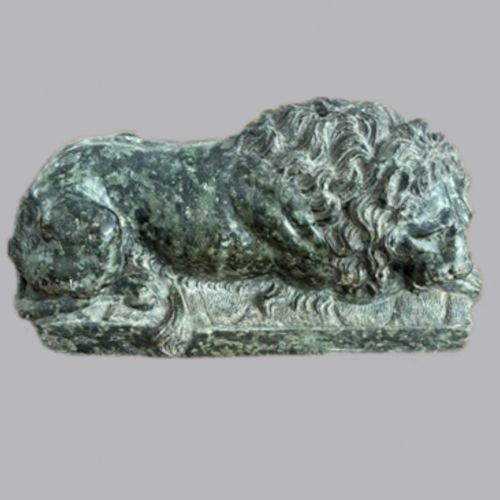
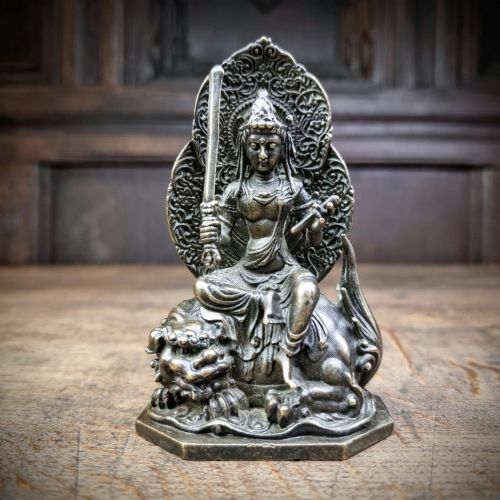
A 19th century Chinese figure encompasses carved wood sculptures, bronze deities, soapstone immortals, and porcelain animal figures produced during the Qing Dynasty. Buyers discover representations of figures such as Guanyin, Shoulao, and Daoist immortals alongside Foo dogs and hardwood elephants.
The objects stem from periods including the Jiaqing era and the late Qing Dynasty, taking forms ranging from small snuff bottles and table lamps to monumental temple guardians. Many pieces reflect export art traditions or domestic ritual use, created in workshops across China.
Most examples encountered on this page date from the middle to the late 19th century, utilising traditional materials shaped by skilled carvers and ceramists. These works survive as records of Qing Dynasty craftsmanship and religious iconography.
How They Were Made
Carvers shaped hardwood, root wood, soapstone, and ivory using hand tools to define intricate folds in robes and facial expressions. Wooden figures frequently received layers of polychrome paint, lacquer, or gold leaf to highlight details.
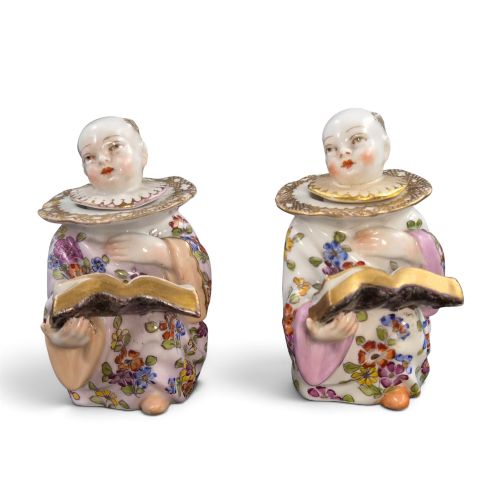
Ceramic pieces such as Shiwan pottery and porcelain figures relied on moulded or hand-sculpted bodies finished with turquoise, yellow, or Sancai glazes before kiln firing. Bronze and brass examples utilised lost-wax casting techniques followed by chasing and patination.
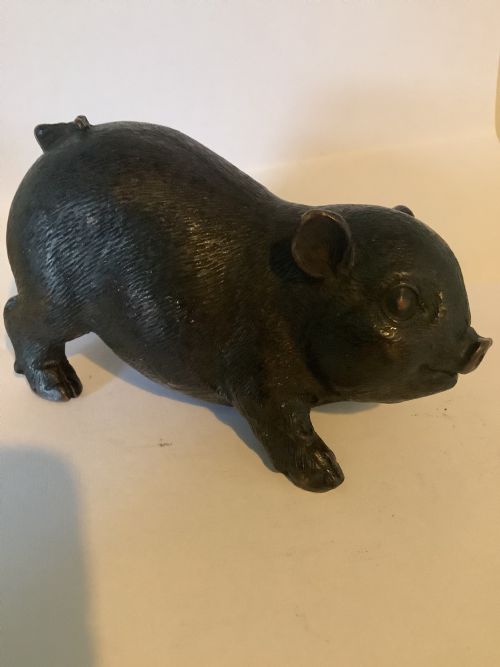
Several 19th-century artisans carved humble pigs, grasshoppers, and pigeons with the same solemn dignity usually reserved for emperors and immortals.
What Varies in Quality
Glaze control and pigment application define the merit of ceramic and lacquered pieces, where balanced tones and crisp brushwork indicate superior workshop output. The retention of original gilding and polychrome surfaces preserves the visual integrity of wooden temple figures.
Edmé Samson
The 19th Century Chinese Figure Glossary
- Guanyin
- The Bodhisattva of Compassion, frequently depicted in porcelain, bronze, and carved wood holding a lotus or scroll. This figure appears widely in Qing Dynasty devotional art.
- Shoulao
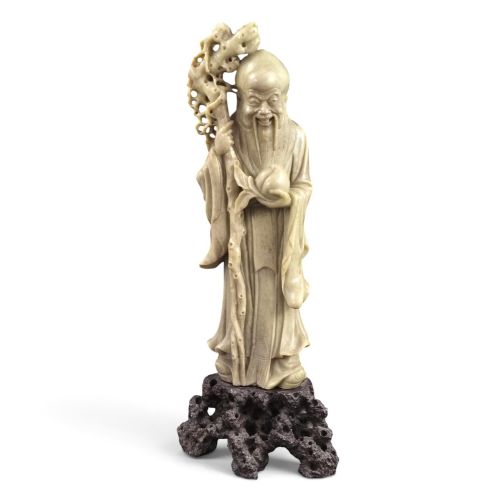
- The Taoist god of longevity, recognizable by his high domed forehead and staff, often carved in soapstone or painted on porcelain. He symbolises health and a long life.
- Shiwan pottery
- A type of southern Chinese ceramic known for heavy, expressive figures and thick, streaky glazes in yellow, turquoise, and Sancai colours. Workshops here produced notable temple guardians and animal figures.
- Foo dog
- A traditional guardian lion depicted with a playful or fierce expression, frequently cast in pairs using bronze or carved from hardwood and stone. These protective beasts flank doorways and altars.
- Famille rose
- A palette of opaque enamel colours dominated by pink, introduced to Chinese porcelain production in the 18th century and continuing through the 19th century. Artisans used these enamels to decorate figures, snuff bottles, and vessels.
19th Century Chinese Figure: Frequently Asked Questions
What materials were 19th century Chinese figures made from?
Makers utilised porcelain, hardwoods, root wood, soapstone, bronze, and lacquered wood. Artisans often applied gold leaf and polychrome paint to wooden sculptures.
Choice of material depended on the intended function, whether for domestic shrines, scholar desks, or export markets.
Who do these figures represent?
Common subjects include Daoist immortals, Buddhist deities such as Guanyin, and mythical animals like Foo dogs and kylins. Scholars, fishermen, and children also appear frequently in wood and ceramic.
Each subject carried specific symbolic meanings relating to longevity, protection, and prosperity.
How can I tell the period of a Chinese figure?
Stylistic indicators such as Qing Dynasty attire, glaze types like Shiwan turquoise or Sancai, and material patination help establish age. Tool marks and wear patterns provide additional clues regarding 19th-century manufacture.
Comparative study of export records and dated pieces assists in narrowing down production decades.
Were these figures made for export or domestic use?
Production served both domestic ritual requirements and the expanding 19th-century Western export market. Export pieces often featured adaptive forms like table lamps and inkwells.
Local temples and households utilised the larger carved wooden guardians and ancestral figures.