



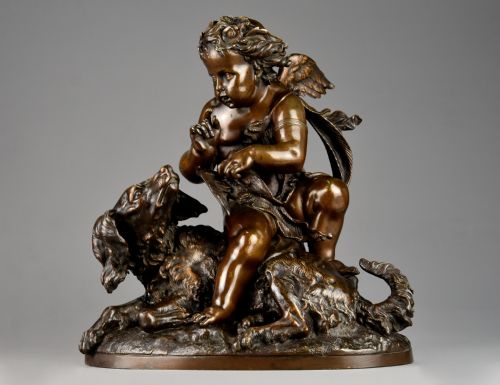


19th Century Cherub Figure
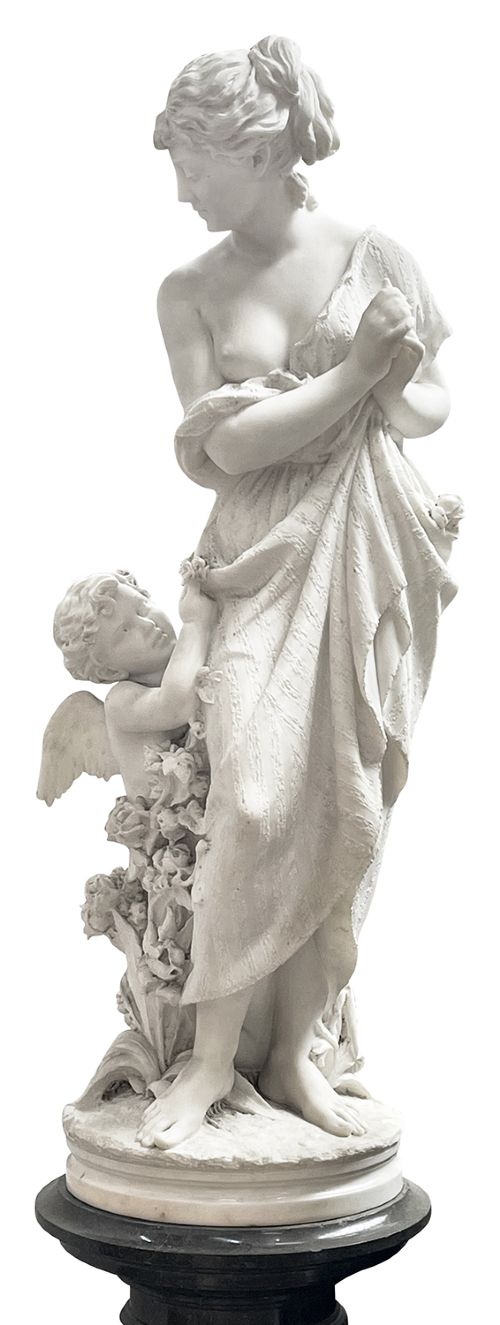
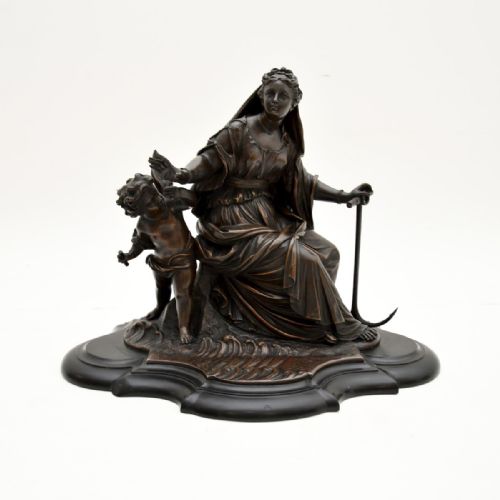
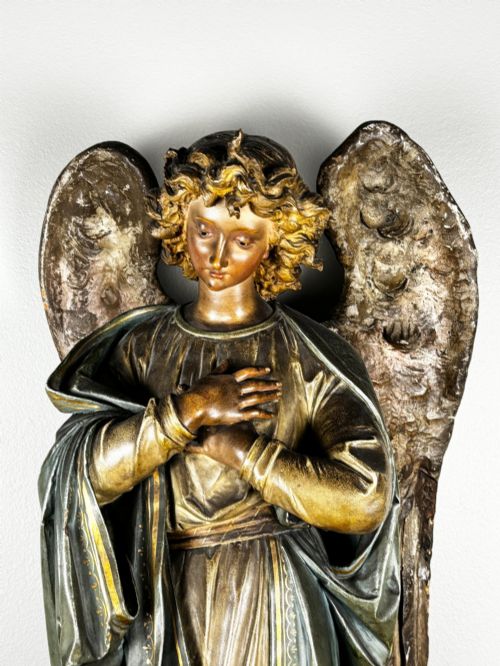
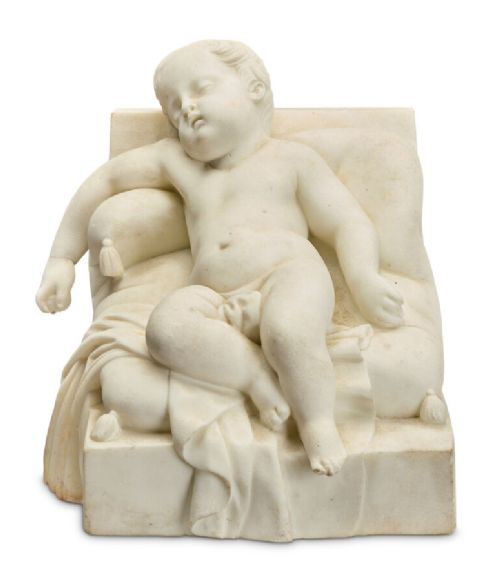
A 19th century cherub figure brings mythological romance and classical sculptural detail to an interior through cast metal, carved wood, or fine ceramic.
19th Century Cherub Figure
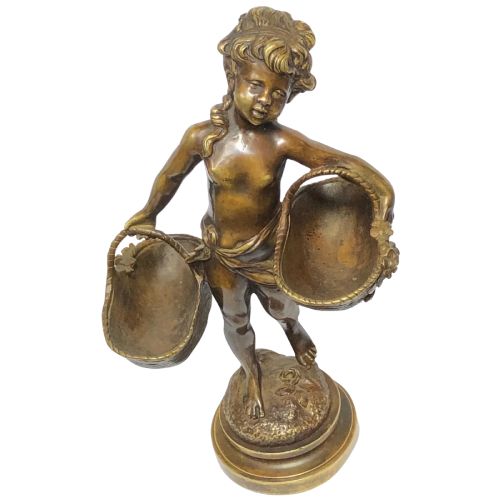
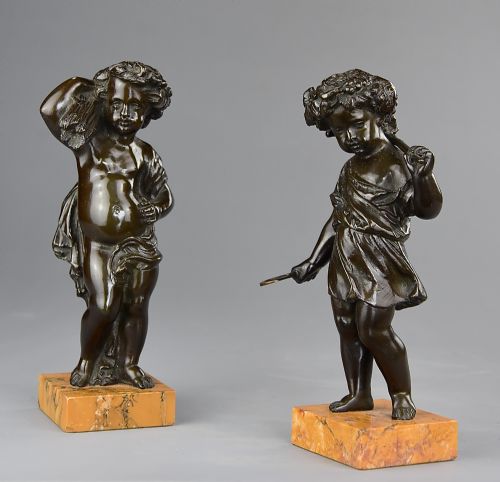
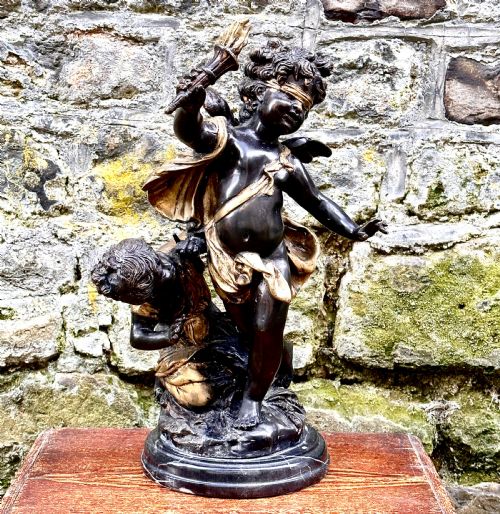
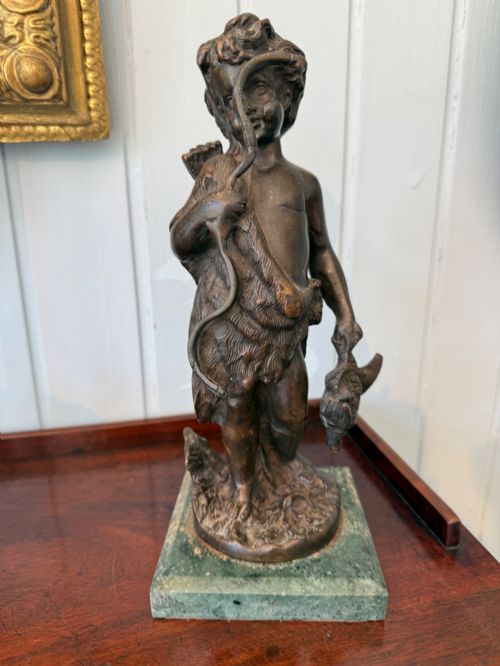
When you search for a 19th century cherub figure, you encounter sculptural works depicting winged putti, amorini, or angels engaged in classical activities. These subjects appear frequently as standalone bronzes, marble statuary, and porcelain mantel ornaments.
The most common forms on this page include French and Italian bronze groups, often mounted on marble bases, alongside porcelain figures from German and English factories. Many pieces function decoratively as table lamps, candlesticks, or clock garniture sets.
Originating predominantly from French, Italian, and German workshops, these sculptures reflect Neoclassical, Rococo Revival, and Second Empire design aesthetics. The figures frequently interact with animals, musical instruments, or grapes in pastoral and mythological scenes.
Materials and methods of construction
Bronze casting forms the core of the metalwork, utilising patinated finishes, gilt bronze, and ormolu mounts to create depth and contrast. Many bronze sculptures are paired with heavy marble plinths or bases.
Ceramic pieces rely on porcelain, faience, and glazed earthenware, decorated with enamel colours and occasionally enhanced with gold leaf. Wood carvings utilise lime and other timbers, finished with gilding or polychrome paint.
19th Century Cherub Figure Retail Price Guide 2026
Typical asking prices for 19th century cherub figure among the pieces listed under this phrase on Sellingantiques today, from the lower quarter to the upper quarter. They describe what is for sale here now, not the wider market.
Cherubs on this page are frequently caught wrestling with spaniels, balancing grapes, or wielding tiny bows with serious expressions.
Distinctions in quality and execution
The refinement of the casting and carving dictates the fidelity of anatomical details, facial expressions, and drapery folds. Superior bronze works display crisp chasing and tool work that preserves the nuance of the original model.
Ceramic examples depend on the clarity of the porcelain body, the precision of hand-painted enamel details, and the preservation of the glaze. Base materials such as polished marble and gilt ormolu mounts also reflect the overall expenditure of the piece.
Claude Michael Clodion·Antonio Canova·Edme Samson·Louis Auguste Moreau·Charles Cumberworth
The 19th Century Cherub Figure Glossary
- Putto
- A plump, often winged male infant figure derived from classical art. These figures appear frequently in Renaissance revival and 19th-century decorative compositions.
- Ormolu
- Finely ground high-carat gold applied to a bronze base using a mercury amalgamation technique, or simulated through modern gilding. This finish provides a bright metallic lustre.
- Patinated bronze
- Metal treated with chemical solutions to produce a controlled surface colour ranging from dark brown to green. This treatment protects the bronze and adds visual texture.
- Garniture
- A set of matching ornamental objects for a mantelpiece, typically comprising a central clock flanked by matching candelabra or vases. These sets unify interior decorative schemes.
- Grand Tour
- A cultural journey undertaken by wealthy young Europeans to view continental antiquities. Figures from this tradition often capture classical subjects for travellers to bring home.
19th Century Cherub Figure: Frequently Asked Questions
What is a putto?
A putto is a chubby infant motif, frequently winged, representing classical spirits of love or mirth.
Artists across the 19th century drew heavily on earlier Italian models to incorporate these figures into bronze groups and porcelain table ornaments.
How do I date a bronze cherub?
Dating relies on examining the casting technique, the nature of the bronze patina, and any associated maker signatures or foundry marks.
Stylistic cues such as Neoclassical drapery or Rococo Revival bases also help narrow the production era to the 19th century.
Where were these figures made?
Production centred primarily in European artistic hubs, with French, Italian, and German workshops leading the output.
French founders specialised in patinated and gilt bronze, while German and English factories focused on glazed porcelain figures.
How do I care for bronze?
Maintenance requires gentle dusting with a soft dry cloth to prevent the accumulation of grit on the patinated surface.
Harsh chemical cleaners must be avoided to preserve the original metal finish and protective wax coatings.