

19th Century Ceramic Tray
When you search for a 19th century ceramic tray, you encounter transferware platters, porcelain dishes and earthenware stands shaped by Georgian, Regency and Victorian hands.
19th Century Ceramic Tray
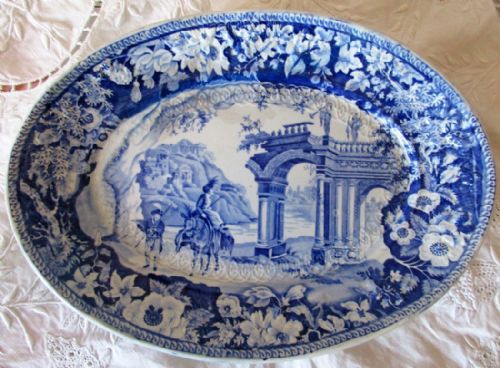
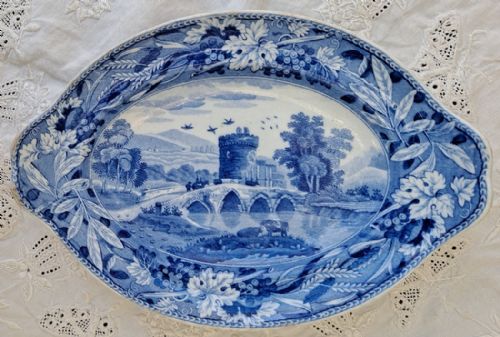
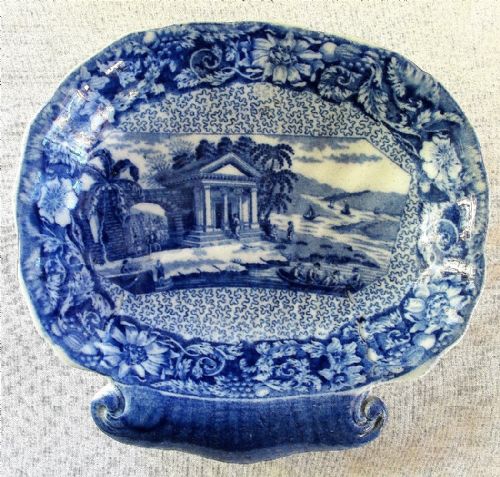
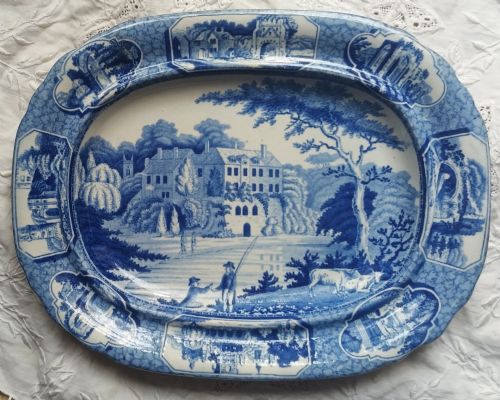
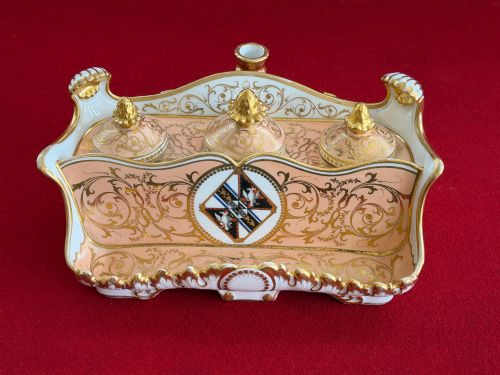
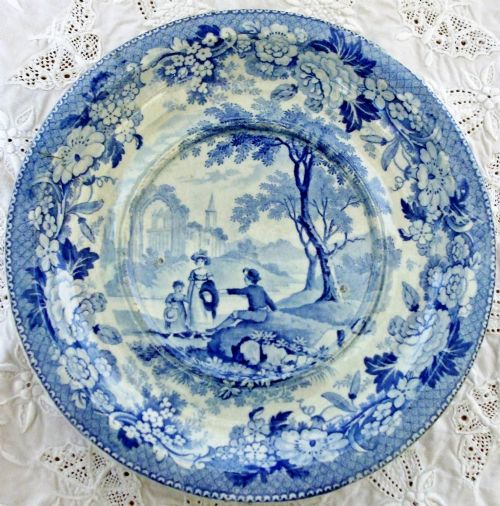
A 19th century ceramic tray encompasses utilitarian meat platters, decorative dishes, inkstands and serving pieces produced across English, continental and Asian kilns. The selection on this page leans heavily toward blue and white transfer-printed earthenware and hand-painted porcelain from English factories.
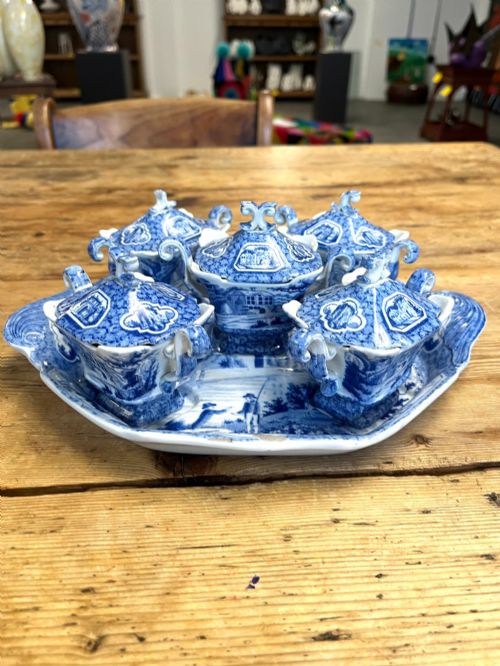
Makers shaped these utilitarian and display items during distinct stylistic shifts, ranging from Georgian blue and white transfer ware to Victorian Chinoiserie, Rococo Revival and neoclassical designs. Platters, butter dishes and tureen stands dominate the forms, reflecting the dining customs of the era.
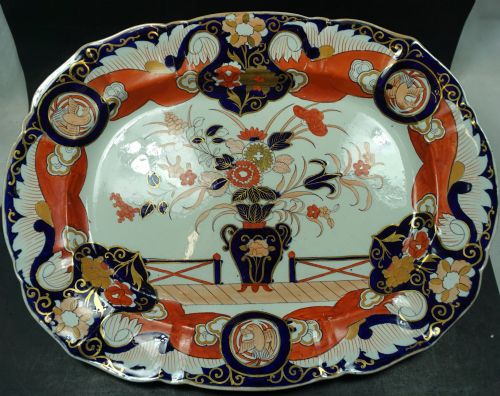
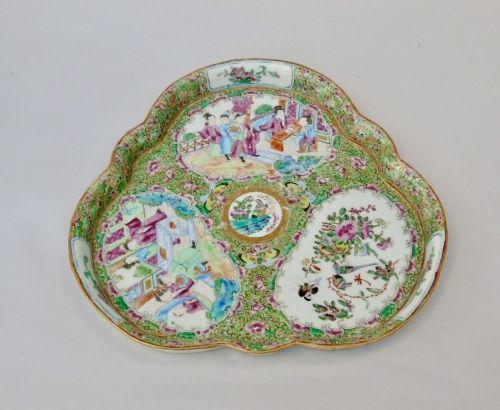
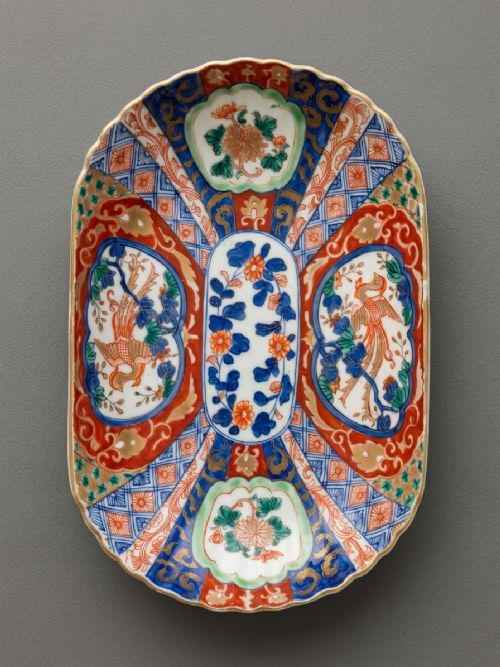
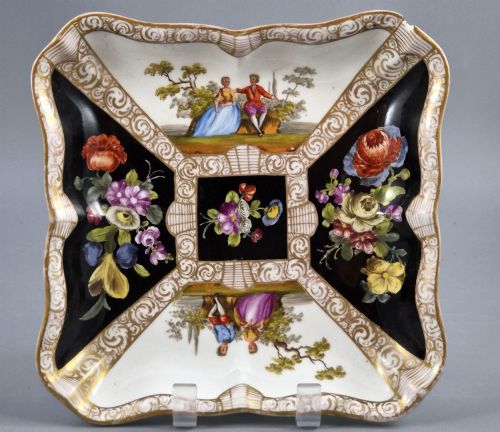
Continental pieces include French faience vide-poche dishes and German porcelain from Meissen and Vienna, alongside Chinese Export and Japanese Imari wares brought to European markets. Buyers find both large service platters designed for joint meats and smaller trinket dishes intended for desk or parlour use.
How They Were Made
Potters utilised porcelain, earthenware, ironstone and faience, applying fluid glazes and transfer-printing techniques to transfer complex pictorial scenes onto the clay surface. Blue and white transfer printing allowed factories to produce intricate landscapes such as romantic ruins and classical bridges with remarkable consistency.
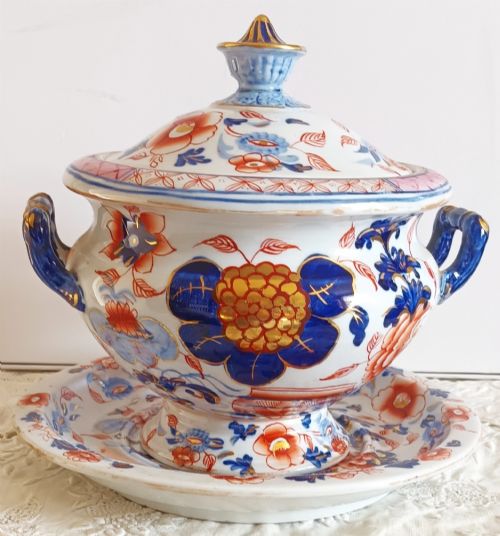
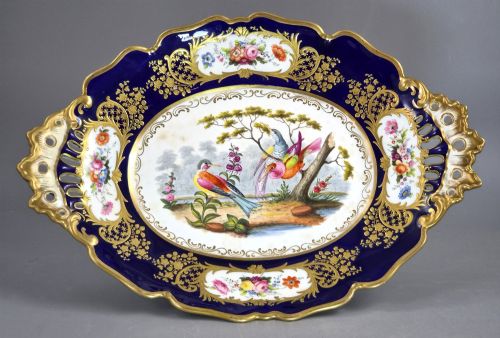
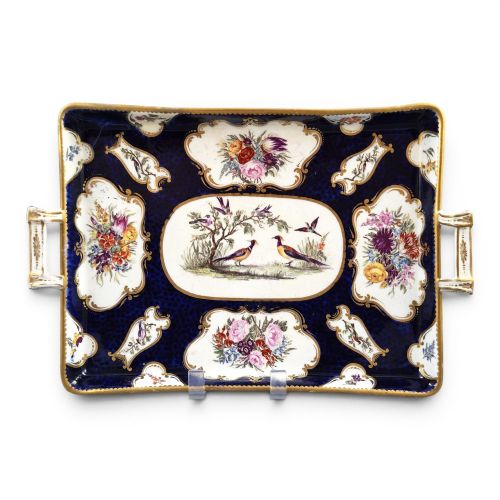
Artisans embellished finer porcelain trays with gilding, gold leaf and hand-painted enamels depicting exotic birds, figures and armorial crests. Kiln workers fired these ceramic bodies at high temperatures before applying overglaze enamel details in specialist decorating studios.
19th Century Ceramic Tray Retail Price Guide 2026
Typical asking prices for 19th century ceramic tray among the pieces listed under this phrase on Sellingantiques today, from the lower quarter to the upper quarter. They describe what is for sale here now, not the wider market.
Listings feature porcelain, earthenware, ironstone and faience across 19th century periods from Georgian to Victorian.
What Varies in Quality
The distinction between standard utility wares and exceptional pieces rests upon the crispness of the transfer print, the delicacy of the porcelain body and the precision of the hand-painting. Finest examples display translucent paste, vibrant enamel colours and carefully applied gilding that remains intact.
Design complexity and named patterns elevate certain serving platters and dishes above ordinary kitchenware, particularly when associated with prominent painters or specific scenic series. The depth of the glaze and the absence of heavy kiln distortion separate standard production items from exhibition-grade pieces.
James and Ralph Clews·Spode·Henshall and Co·Zacharia Boyle·Coalport·Meissen·Davenport·Doe and Rogers·Minton·Samson·Vienna·Chamberlain Worcester
The 19th Century Ceramic Tray Glossary
- Transferware
- Pottery decorated by applying a printed design from a copper plate onto tissue paper, which was then transferred onto the unglazed or biscuit ceramic body. This technique revolutionised Staffordshire production in the Georgian era.
- Ironstone
- A patented ceramic paste developed in the early nineteenth century to create a durable, heavy earthenware that imitated Chinese porcelain. It resists chipping and served well for large meat platters and dinner services.
- Imari
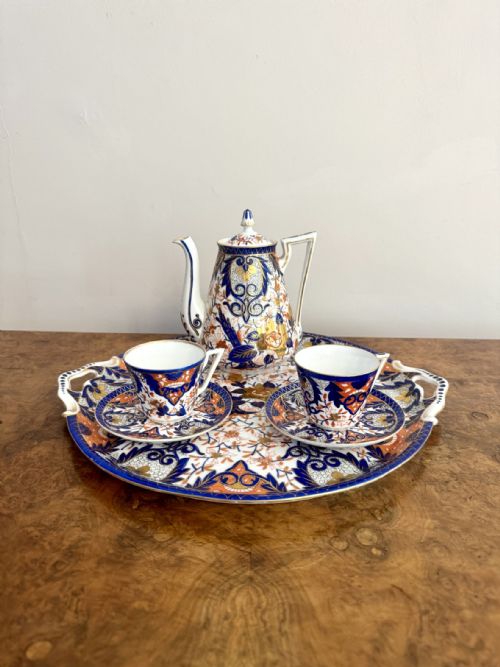
- A style of Japanese export porcelain characterised by underglaze blue and overglaze iron-red, green and gold decorations. European factories frequently copied these vibrant patterns during the Victorian period.
- Faience
- Tinslathered earthenware produced in France, the Netherlands and other European regions. It provides an opaque white background suitable for painted landscapes and decorative motifs.
- Comport
- A raised dish or bowl used for serving fruit or sweetmeats at the dining table. These elevated ceramic pieces added vertical dimension to nineteenth-century table settings.
19th Century Ceramic Tray: Frequently Asked Questions
How were ceramic trays used?
Nineteenth-century households utilised large platters and dishes for serving meats, fish and vegetables at the dining table. Smaller trays functioned as inkstands, butter dishes or desktop receptacles for calling cards and trinkets.
Servants brought these ceramic pieces directly from the kitchen to the dining room, where their decorative patterns complemented the dining service. Many trays also stood on sideboards as display items when not in active service.
How do I tell transferware from painted ware?
Transfer-printed patterns display a fine stippled or dotted line network under close inspection, revealing the tiny squares or lines of the copper plate engraving. Hand-painted designs show brushstrokes, pooling of pigments and subtle variations in line thickness.
Transferware offered uniform results across large production runs, whereas painted pieces like Worcester or Meissen porcelain exhibit individual artist touches and distinctive brushwork.
Can I use these trays for food?
While these ceramic trays were originally designed for culinary use, antique pieces often develop microscopic crazing in the glaze over the centuries. This porous surface can absorb food oils and harbour bacteria.
Most collectors choose to display nineteenth-century platters and dishes rather than use them for serving food today. Gentle decorative display preserves the glaze and prevents accidental impact damage.