




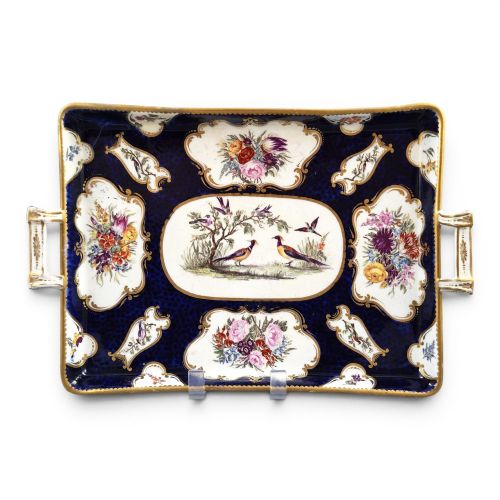
19th Century Ceramic Bird
These pieces unite avian subjects with ceramic craft, bringing ornithological detail and sculptural form into domestic display.
19th Century Ceramic Bird
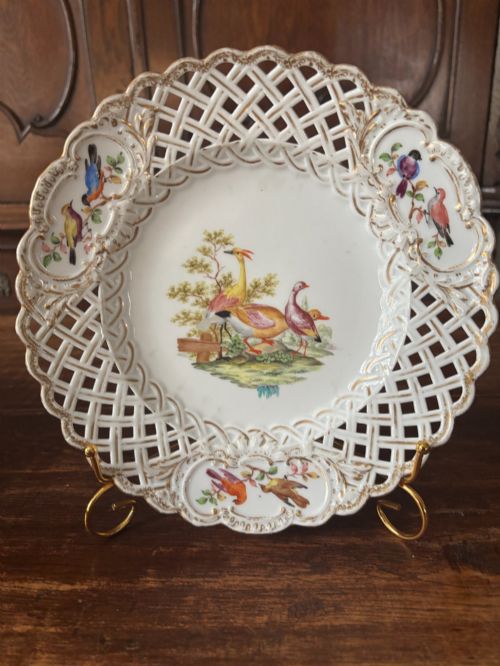
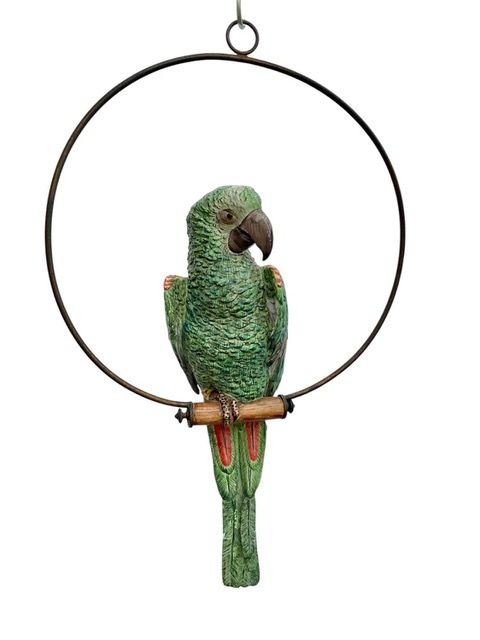
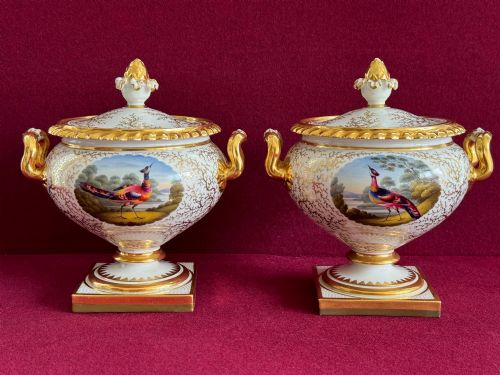
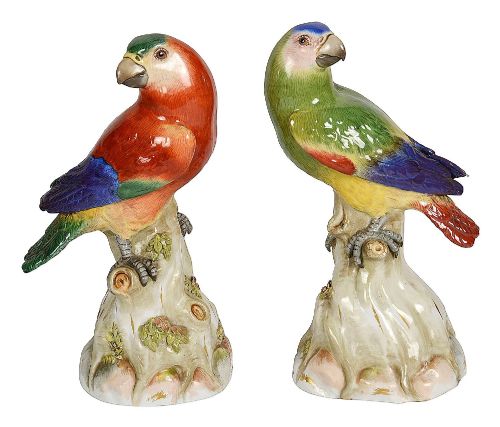
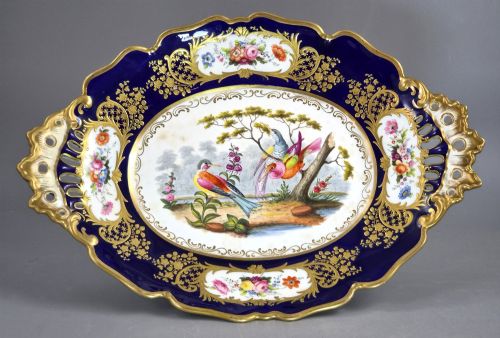
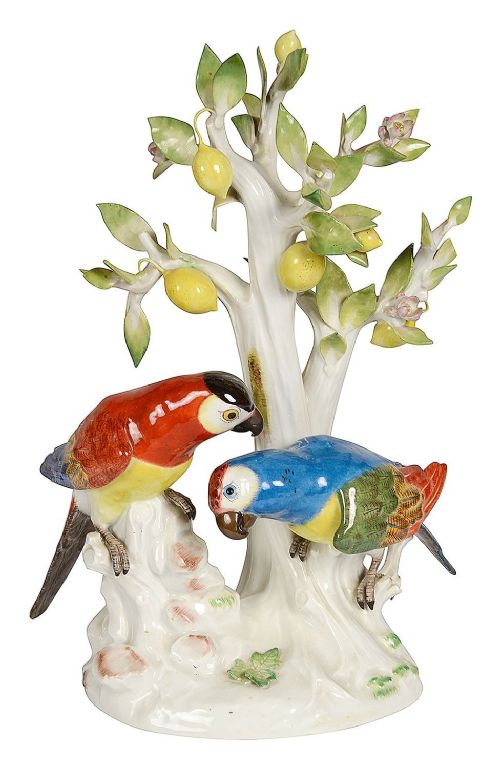
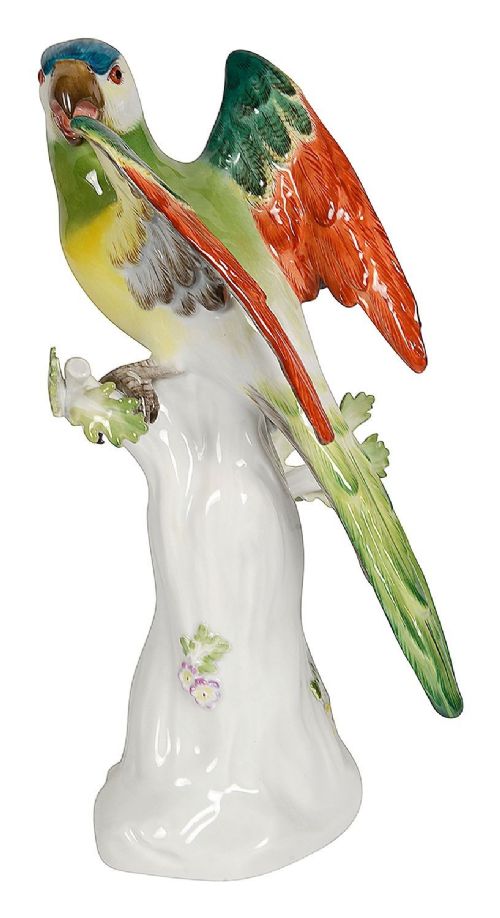
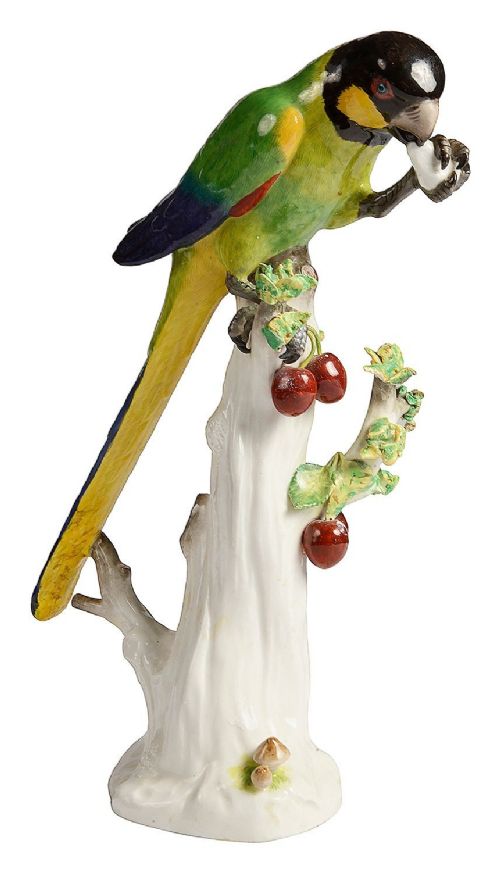
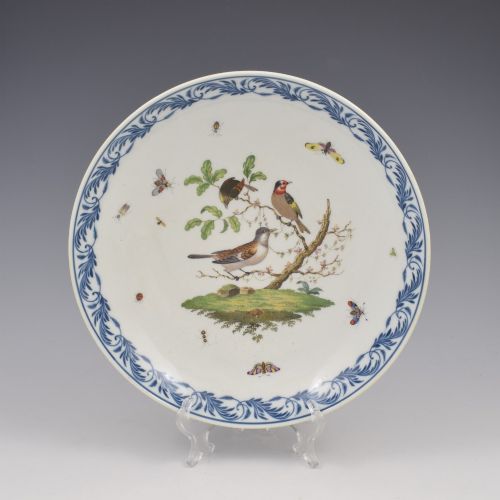
When you search for a 19th century ceramic bird, you encounter an array of objects ranging from freestanding animal figures to hand-painted tableware decorated with avian motifs. The most common manifestations on this page include porcelain parrots, figures perched on tree trunks, and decorative dishes adorned with exotic birds.
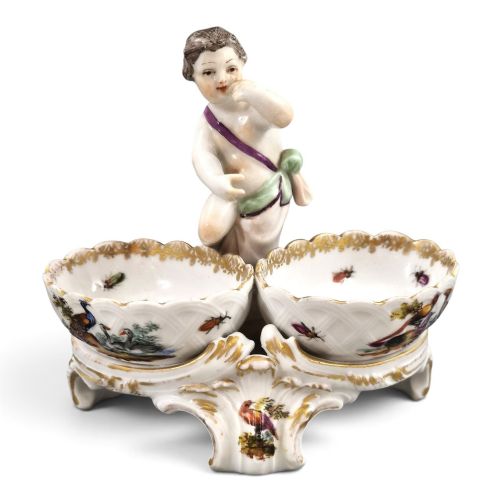
Makers across Europe and Asia utilised earthenware, hard-paste porcelain, and terracotta to shape these creatures. Items span simple domestic service vessels featuring hand-painted feathers to elaborate Victorian and Meissen centerpieces designed for visual impact.
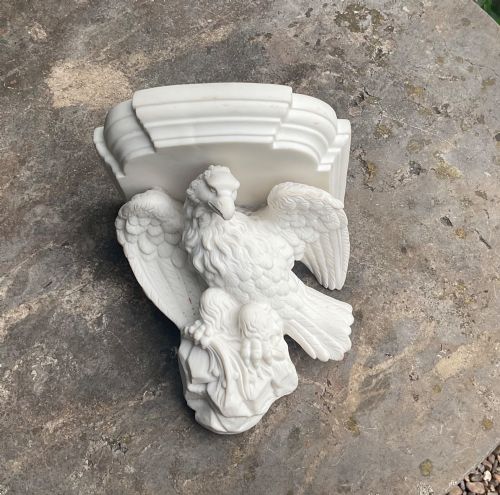
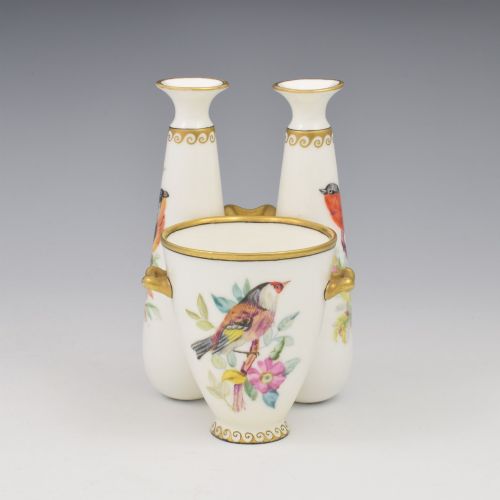
The aesthetic vocabulary encompasses styles from Victorian Rococo Revival to Japanese Meiji period works. Pieces take the form of jardinieres, wall brackets, ginger jars, and reticulated plates, reflecting both utilitarian function and pure display.
Materials and methods
The construction of these objects relies heavily on hard-paste porcelain and earthenware bodies, shaped either by hand or through press-moulding techniques. Meissen, Worcester, and Staffordshire potteries employed skilled modellers to build up complex avian forms such as parrots and eagles.
Surface decoration combines intricate hand-painting with polychrome enamel and gilding. Artisans applied cobalt blue, gold leaf, and glaze over fired ceramic bases, sometimes incorporating cloisonné enamel or lacquer over-paint on Japanese porcelain bodies.
19th Century Ceramic Bird Retail Price Guide 2026
Typical asking prices for 19th century ceramic bird among the pieces listed under this phrase on Sellingantiques today, from the lower quarter to the upper quarter. They describe what is for sale here now, not the wider market.
Materials span hard-paste porcelain, earthenware, enamel, and terracotta, decorated with hand-painting and gold leaf.
Factors determining quality
The standard of a piece depends on the crispness of the modelled form and the precision of the hand-painted feather detail. Early European manufactories and established Japanese workshops invested heavily in skilled painters whose brushwork defined naturalistic plumage.
Preservation of fragile elements like perches, tail feathers, and applied foliage dictates the desirability of sculptural figures. Glaze consistency, the vibrancy of enamel colours, and the presence of factory marks provide further measures of distinction.
Flight Barr and Barr·KPM Berlin·Minton and Hollins·Royal Worcester
The 19th Century Ceramic Bird Glossary
- Hard-paste porcelain
- A dense, vitrified ceramic material composed of kaolin and petuntse, fired at high temperatures. It produces a ringing tone when struck and resists scratching.
- Enamel
- A glassy, opaque substance fused to the ceramic surface through kiln firing. It provides the vibrant red, blue, and yellow hues seen on bird plumage.
- Reticulated
- Describes ceramic ware featuring an openwork lattice or pierced pattern cut into the rim or body before glazing. This technique appears on decorative plates and bowls.
- Majolica
- A type of earthenware covered with an opaque tin glaze and painted with brightly coloured metallic oxide pigments. It gained popularity during the Victorian era for large garden vessels and jardinieres.
- Polychrome
- Multi-coloured decoration utilising various pigments on a single ceramic object. It allows for realistic depiction of exotic bird feathers.
19th Century Ceramic Bird: Frequently Asked Questions
How were ceramic birds displayed?
Owners placed sculptural parrot and eagle figures on mantelpieces, pedestals, or brackets to serve as focal points in Victorian interiors. Smaller figures and decorated dishes occupied dining tables and cabinets alongside porcelain services.
Larger vessels like jardinieres and ginger jars stood on floor stands or side tables, integrating natural subjects into domestic decoration.
What is hard-paste porcelain?
Hard-paste porcelain is a durable ceramic mixture fired at extremely high temperatures to achieve a vitrified, non-porous body. European factories adopted this formula to create sharp details on bird figurines.
The resulting material accepts glossy glazes and enamel painting without distorting the underlying shape.
What does majolica mean?
Majolica refers to earthenware pottery finished with an opaque lead glaze containing tin, decorated with coloured metallic oxides. Victorian makers utilised this technique for large, robust jardinieres and decorative vessels.
The glossy surface and deep green, brown, and blue tones suited botanical and animal motifs.