
Antique Ceramic Bird
These antique ceramic bird figures and painted vessels capture the avian world in porcelain, earthenware and soft-paste, offering a touch of nature for the collector.
Antique Ceramic Bird
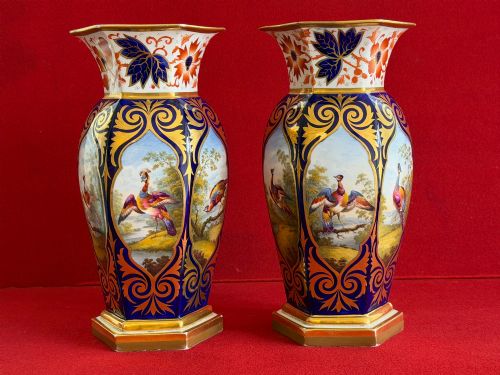
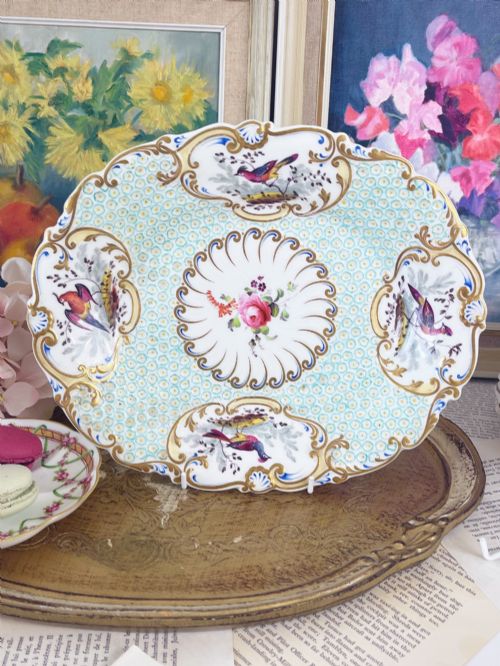
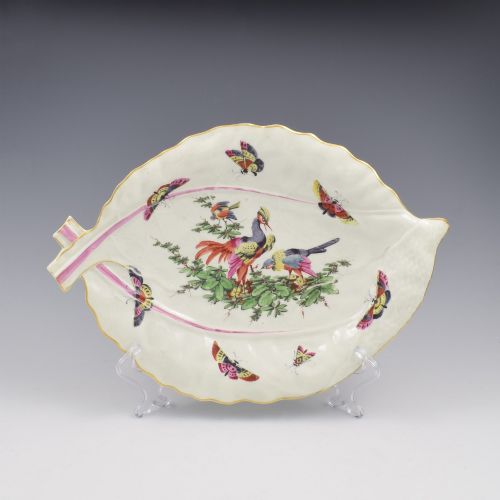
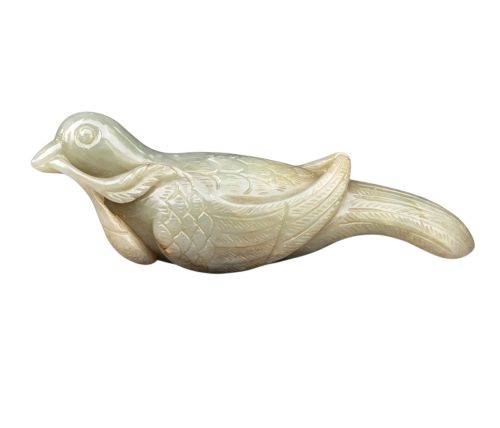
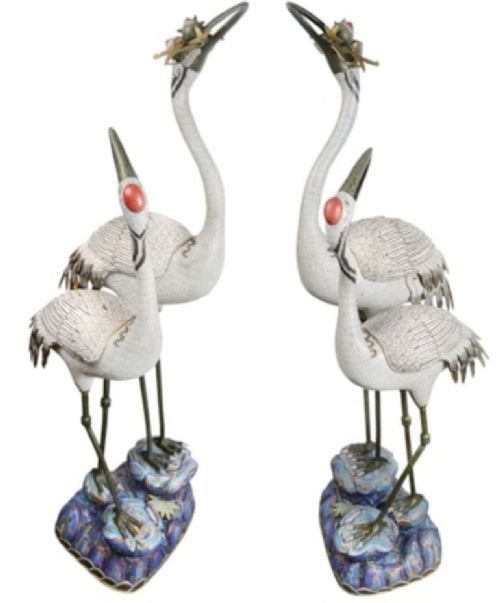
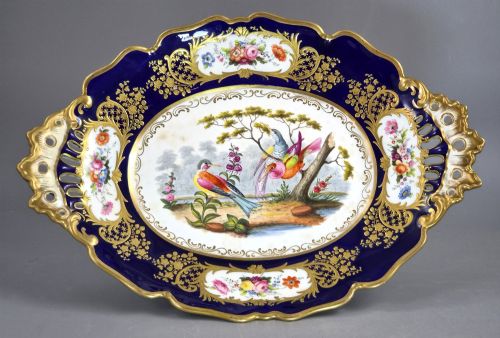
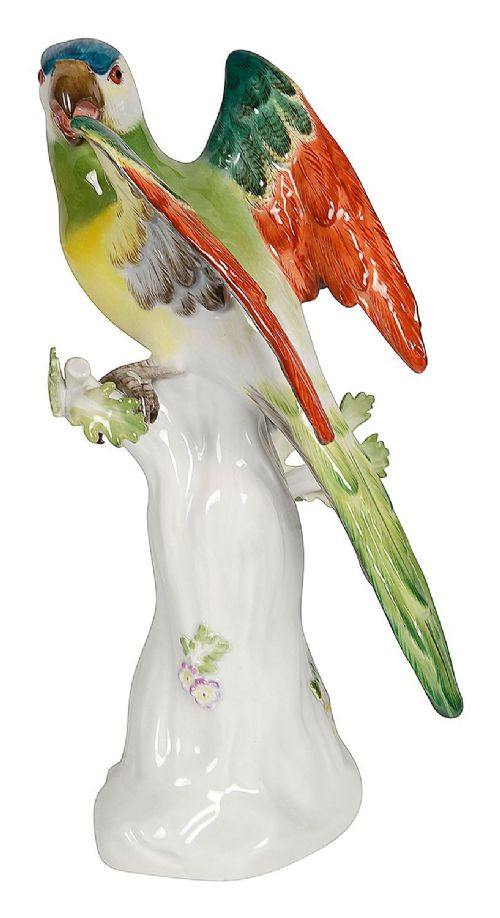
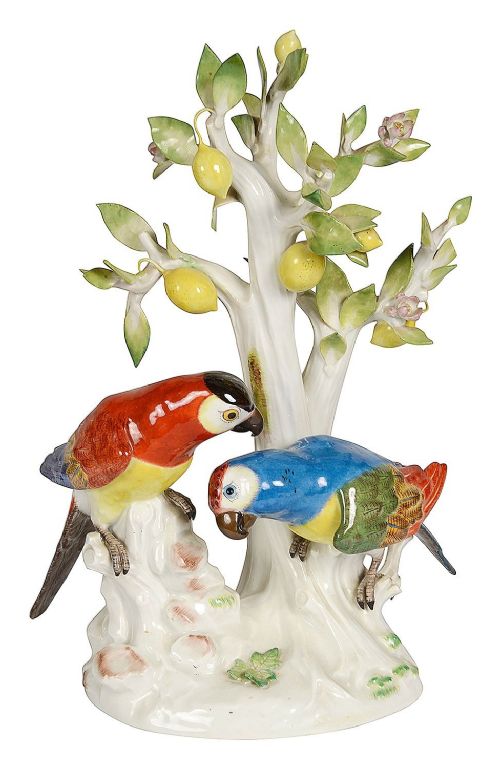
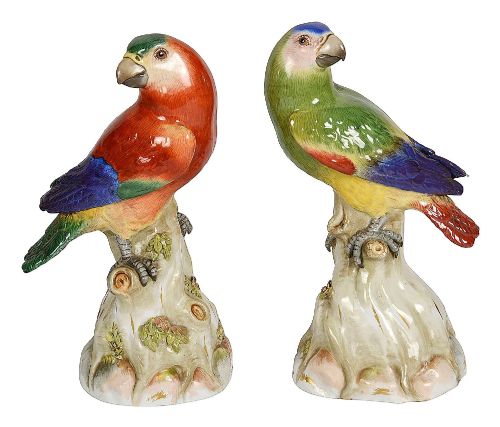
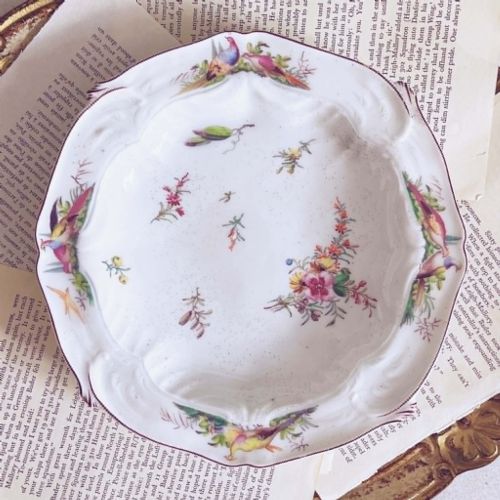
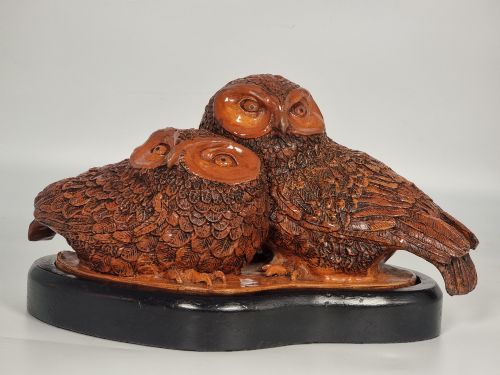
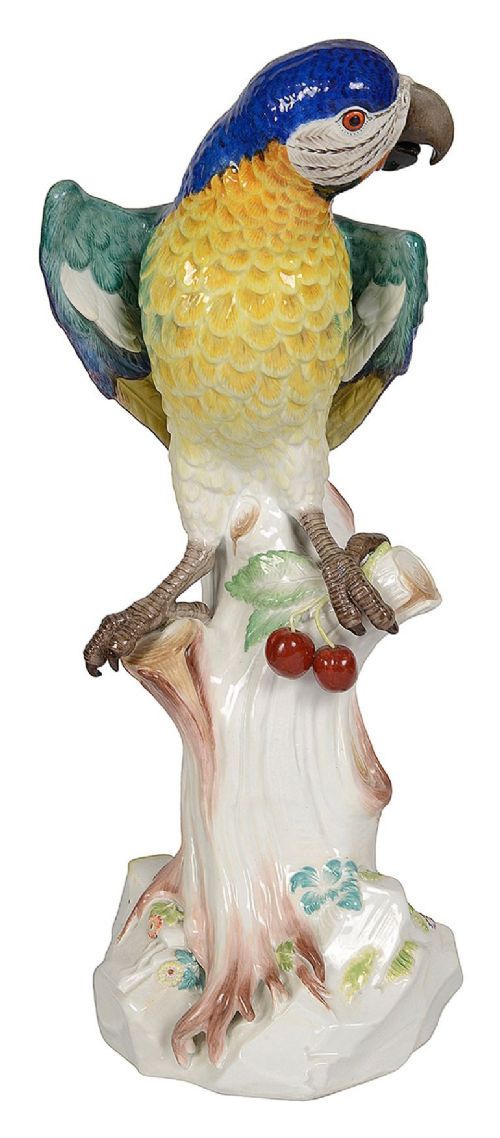
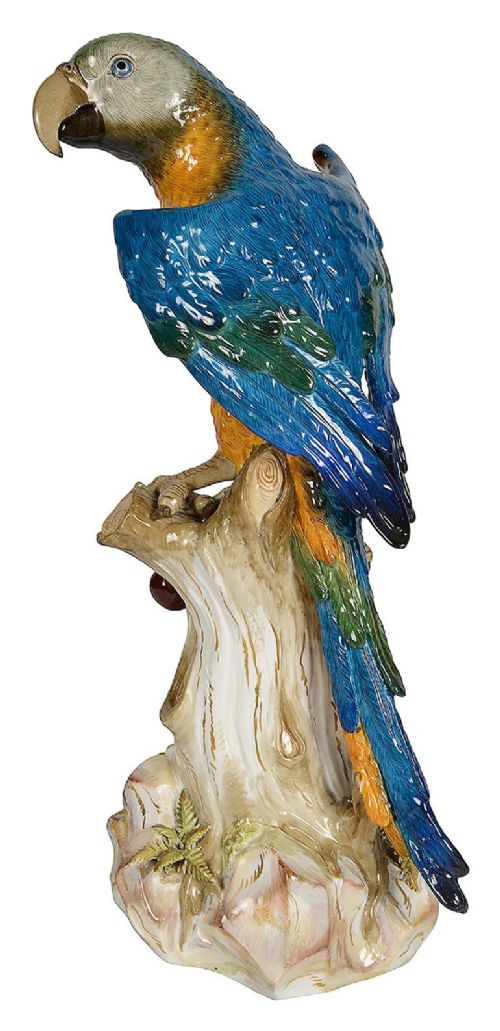
When you search for an antique ceramic bird, you encounter an array of figures, plates and vases originating from European factories and Asian kilns. The selection spans utilitarian serving dishes adorned with painted plumage to three-dimensional porcelain figures perched upon branches.
European porcelain works from Meissen, Chelsea and Worcester dominate the offerings, alongside Japanese Imari chargers and Chinese jars decorated with avian motifs. These pieces reflect the enduring fascination with natural history and exotic species across the eighteenth and nineteenth centuries.
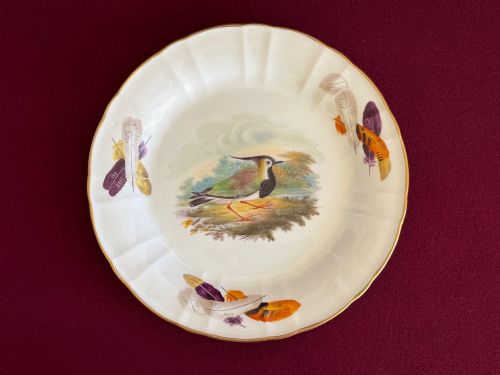
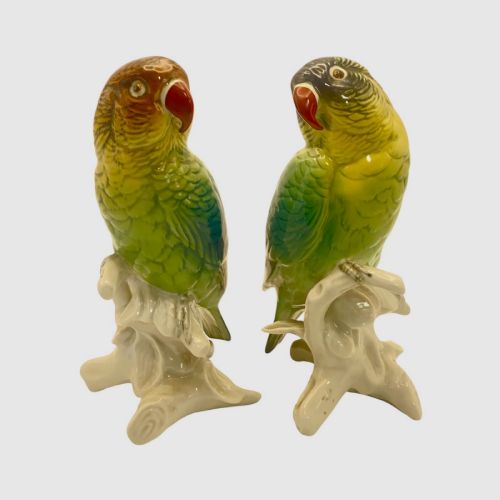
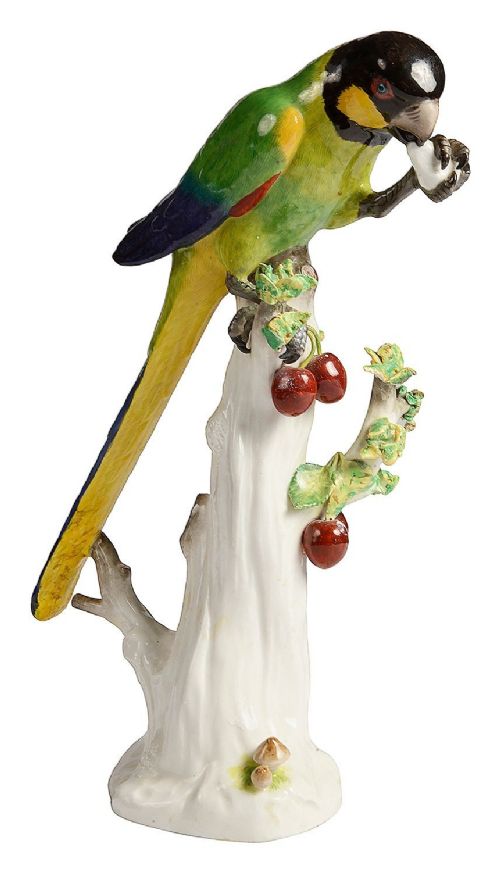
Figural models of parrots, eagles and lapwings sit alongside decorative tableware painted with detailed ornithological studies. The pieces range from cabinet figures modelled in the round to functional jardinieres and dessert services.
Materials and methods
Potters shaped these objects using hard-paste porcelain, bone china, earthenware and soft-paste formulas, often casting figures in moulds before hand-finishing the details. Meissen and English factories employed skilled modellers to create realistic forms, which were then fired at high temperatures.
Decoration relied on hand-painted enamels, underglaze cobalt blue and gilt accents applied over white glazes. Artisans used fine brushes to render the intricate feather patterns found on plates and dishes, while figures frequently received polychrome washes to mimic natural plumage.
Listings feature items from the eighteenth, nineteenth and early twentieth centuries, encompassing English, German and Japanese ceramic traditions.
Markers of excellence
The distinction between standard production and exceptional work rests upon the precision of the modelling and the finesse of the brushwork. Master painters at factories like Meissen or Worcester achieved remarkable depth in feather rendering through subtle layering of enamel colours.
Anatomical accuracy in sculptural pieces and the crispness of moulded details indicate the skill of the original factory. Early examples retain a sharpness in relief and a depth to the glaze that later commercial reproductions lack.
Flight, Barr and Barr·H and R Daniel·Karl Ens·Dr Wall Worcester·Meissen·Chelsea·KPM Berlin·Royal Worcester·Manpei Kobe
The Antique Ceramic Bird Glossary
- Soft-paste porcelain
- An artificial ceramic body composed of glass frit and white clay, fired at lower temperatures than hard-paste porcelain. It produced a warm, creamy glaze that absorbed enamels particularly well in eighteenth-century factories.
- Polychrome
- Decoration utilising multiple enamel colours painted onto the ceramic surface. This technique allowed artists to render naturalistic bird plumage in vibrant hues.
- Imari
- A style of Japanese export porcelain characterised by underglaze blue and iron-red designs enriched with gold leaf. These pieces frequently incorporate floral and avian motifs.
- Biscuit
- Unglazed porcelain fired once to a porous state, prized for its matte finish and ability to showcase fine sculptural detail. Derby and other factories utilised this medium for figures.
- Glaze
- A glassy coating fused to the ceramic body through firing, sealing the porous clay and providing a smooth surface for painting. It protects the underlying body and enhances colour depth.
Antique Ceramic Bird: Frequently Asked Questions
How do I identify eighteenth century porcelain birds?
Examine the base for unglazed areas known as fire cracks or manufacturing marks specific to early factories like Chelsea or Worcester. The weight and texture of the paste often reveal the period before mass production standardised the medium.
Look closely at the painting style, as eighteenth-century artists utilised hand-mixed enamels that show subtle brush variations under magnification. Early models also exhibit softer glaze pooling around the base.
Where should I display ceramic bird figures?
Place figures on sturdy cabinets or mantelpieces away from direct sunlight to preserve the enamel colours and gilding. Ensure they sit safely out of high-traffic areas where accidental knocks might occur.
Plates and dishes look best mounted on secure wall hangers or displayed upright in plate grooves within a cabinet. Proper lighting enhances the painted details of exotic plumage.
What is the difference between Japanese Imari and European bird plates?
Japanese Imari plates utilise a distinct palette of underglaze cobalt blue, iron-red and gold, featuring stylized botanical and avian compositions. They originate from kilns in Arita and reflect traditional aesthetic traditions.
European plates from factories like Coalport or Worcester follow Western naturalistic traditions, often depicting specific bird species with botanical precision. The ceramic body and underglaze characteristics differ significantly between the continents.