


19th Century Central Asian
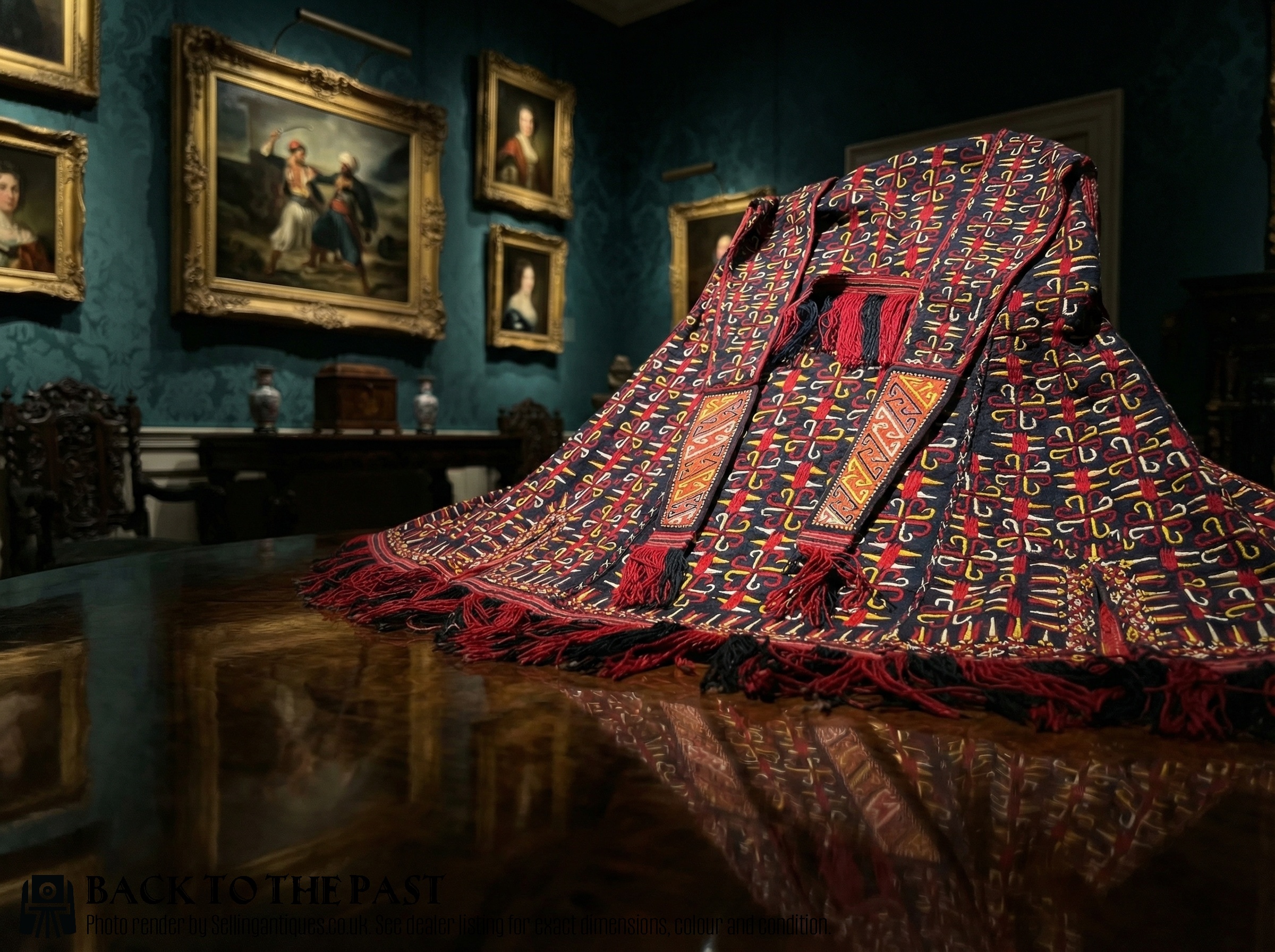
These pieces of 19th century central asian span tribal weaving and exquisite urban embroidery, offering tactile history for the collector.
19th Century Central Asian
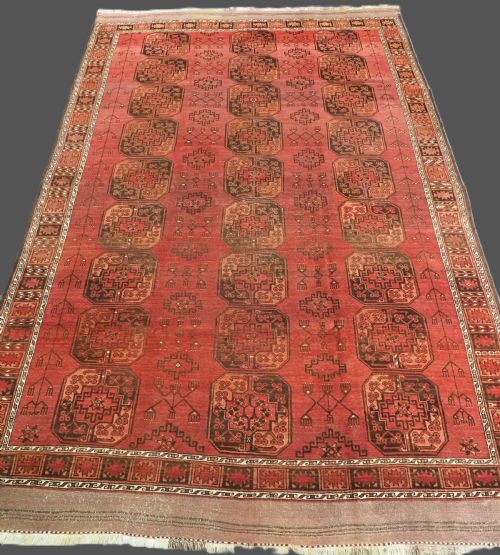
When exploring 19th century central asian items, a buyer encounters a diverse range of textiles spanning nomadic tribal work and settled urban craft. The material includes large carpets, smaller dowry bags, wall hangings, and ceremonial garments.
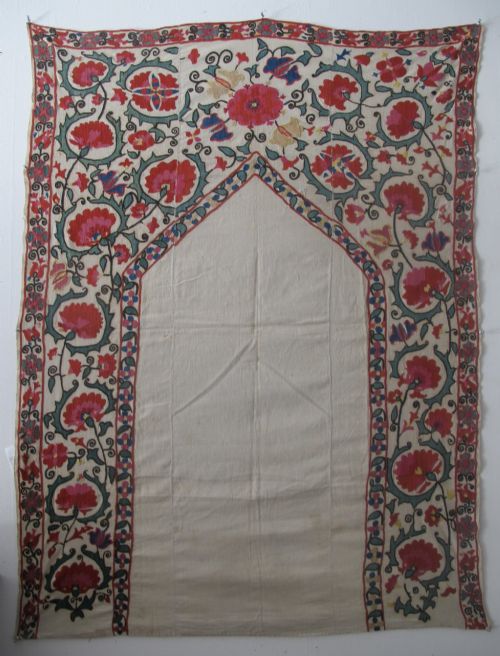
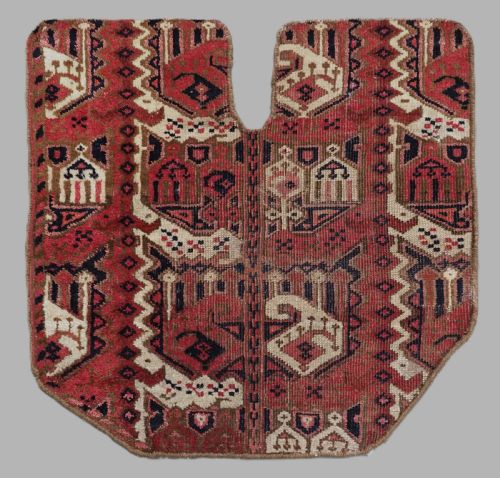
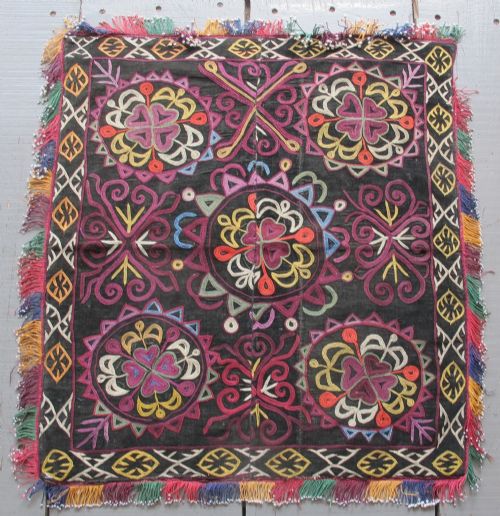
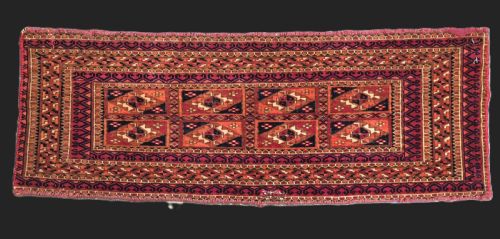
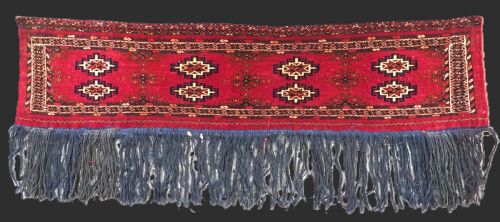
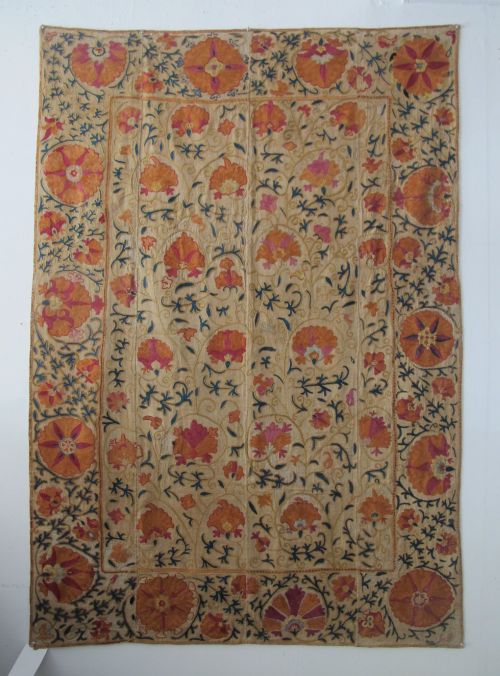
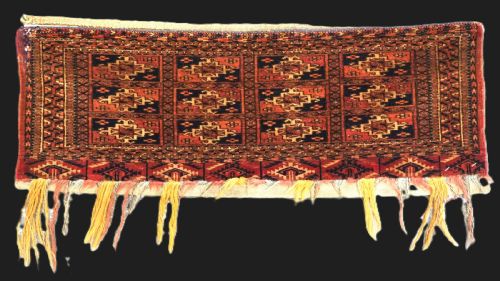
Most frequent among these are Turkmen tribal bag faces alongside embroidered Uzbek suzanis and silk ikat coats. These items reflect the domestic and ritual lives of the nomadic and village populations across the region.
Originating from centres such as Bukhara and Samarkand, as well as the encampments of various tribes, the selections mirror a distinct cultural landscape. Every object carries the traditional motifs and functional designs of its specific maker group.
Materials and construction
The foundation of these textiles rests primarily on hand-spun wool, cotton, and rich silk, combined using traditional techniques. Artisans utilised natural dyes to achieve deep reds, ivories, and varied secondary tones that have matured over time.
Embroidered panels and garments often feature intricate silk thread worked onto cotton or linen foundations, occasionally accented with glass beads or metal thread brocade. Woven items employ dense pile knotting or flatweave structures built for durability and warmth.
Coats and ceremonial items frequently incorporate quilting and padding, utilising velvet or ikat-dyed fabrics with distinct blurred patterning. Each method reflects the specialised knowledge passed down through generations of weavers and embroiderers.
Current listings feature diverse 19th century central asian objects including wool pile rugs, silk embroidered suzanis, and quilted ikat coats.
Distinctions in craftsmanship
The distinction between standard examples and the finest works rests upon the density of the weave and the precision of the needlework. Superior pieces display exceptional fineness in execution, demonstrating greater control over complex repeating motifs and symmetrical layouts.
Material selection also dictates overall grade, with lustrous uncompromised silk threads, saturated natural dye palettes, and intact original finishes elevating certain items. Condition and completeness, such as retaining original backing structures or hanging loops, further separate exceptional specimens from ordinary ones.
Artistic expression within traditional boundaries marks the highest tier, where traditional guls or architectural suzani layouts exhibit unusual clarity and balance. The most accomplished works maintain structural integrity alongside sophisticated artistic harmony.
Ersari Turkmen·Tekke Turkmen·Saryk Turkmen·Yomut Turkmen·Lakai Tribe
The 19th Century Central Asian Glossary
- Suzani
- A traditional embroidered textile from Uzbekistan, typically worked in silk on a cotton or linen ground with large floral and medallion motifs. These items served as dowry pieces and decorative wall hangings.
- Gul
- A primary repeating medallion or octagonal gabled motif found across Turkmen and other Central Asian carpets and bag faces. Each tribal group utilised distinct variations to signal identity and lineage.
- Torba
- A small utilitarian bag or storage sack produced by Turkmen tribes, often featuring elaborate pile face designs. They were suspended inside yurts to hold small possessions and personal items.
- Ikat
- A dyeing technique where yarns are tie-dyed prior to weaving, producing characteristic blurred edges along the pattern outlines. This method yields vibrant, undulating geometric and floral fabrics.
- Chapan
- A traditional long, loose-fitting outer robe or coat worn across Central Asia, frequently quilted and padded for winter use. These garments often utilise striking silk ikat textiles.
- Chuval
- A large tent bag used by Turkmen nomads for storage, featuring prominent primary guls across the face. Surviving examples are frequently preserved as individual face panels.
19th Century Central Asian: Frequently Asked Questions
How were these textiles used originally?
Nomadic tribes utilised woven bags and carpets for practical storage, tent decoration, and transport on animals. Urban populations wore the silk coats daily and displayed embroidered suzanis to mark significant family milestones like weddings.
Many pieces held specific ceremonial roles within the household, functioning as dowry components or protective charms. Their manufacture was deeply tied to the domestic and social requirements of Central Asian daily life.
How do I care for antique silk textiles?
Protect delicate silk embroideries and ikat garments from direct sunlight to prevent natural dye fading and fibre degradation. Avoid hanging heavy textiles by isolated points to maintain even tension across the foundation fabric.
Professional consultation is recommended for cleaning, as antique natural dyes can be sensitive to moisture. Gentle vacuuming through a mesh screen helps remove surface dust without disturbing fragile threads.
How do I identify different Turkmen tribal designs?
Tribal attribution relies heavily on the specific configuration of the primary guls and the secondary motifs arranged across the field. Colour palettes, particularly shades of red, also help separate groups like the Tekke, Yomut, and Ersari.
Structural details such as border patterns and end finishes provide further clues to nomadic origin. Comparing piece layouts against established regional archives clarifies these distinct visual traditions.
What is the difference between a suzani and a torba?
A suzani is a large, embroidered wall hanging or cover from Uzbekistan, characterised by bold floral patterns worked in silk. In contrast, a torba is a smaller, often pile-woven bag face produced by Turkmen nomads for tent storage.
Suzanis emphasise needlework over cotton foundations, whereas torbas generally feature knotted wool pile construction. Their geographical origins and primary functions within the home remain distinct.