
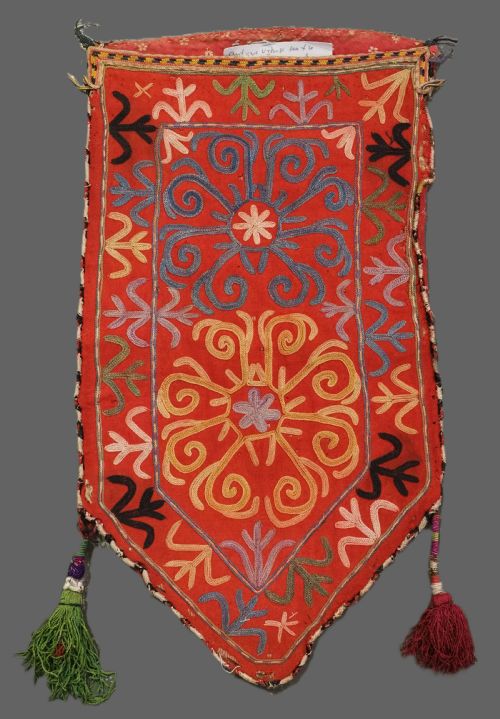
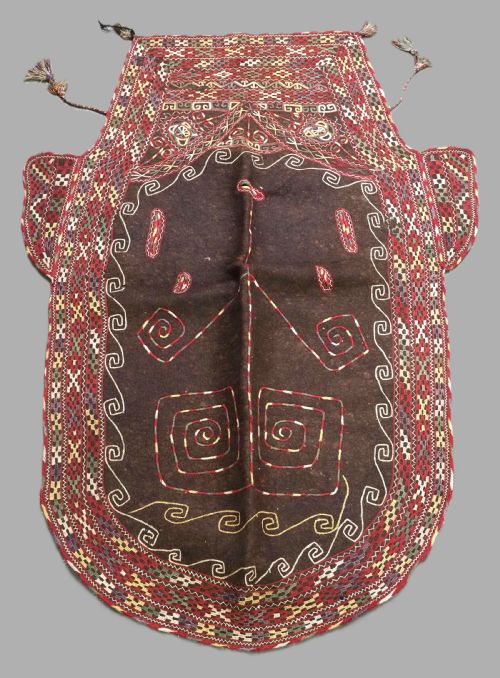
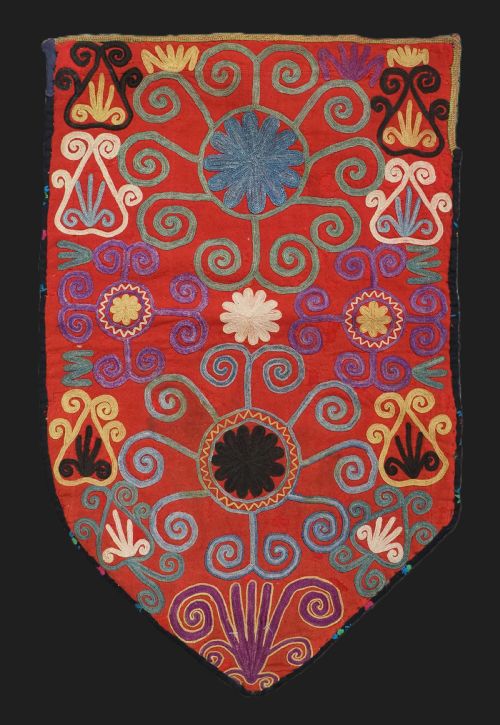
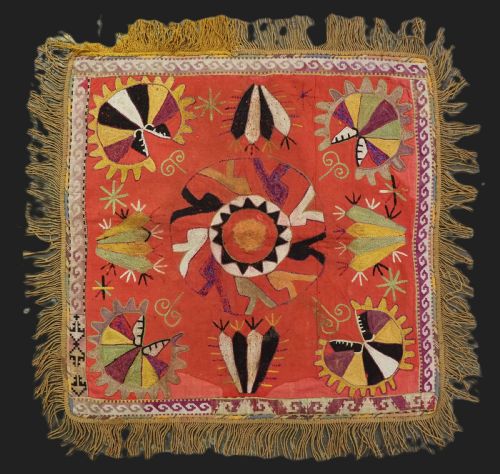
Tribal Embroidered Wall Hanging
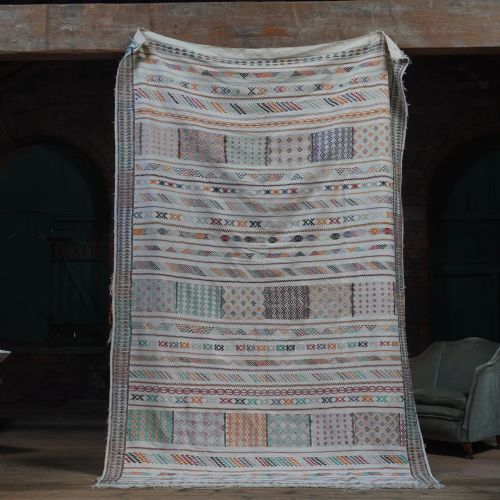
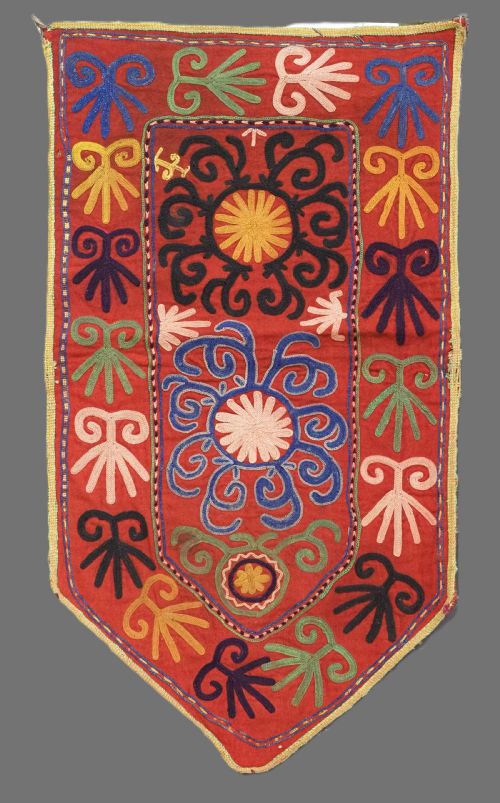
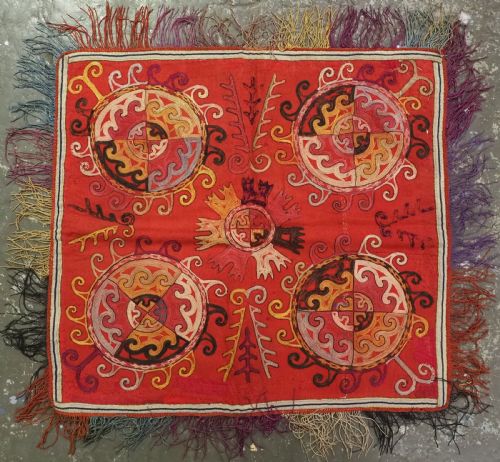
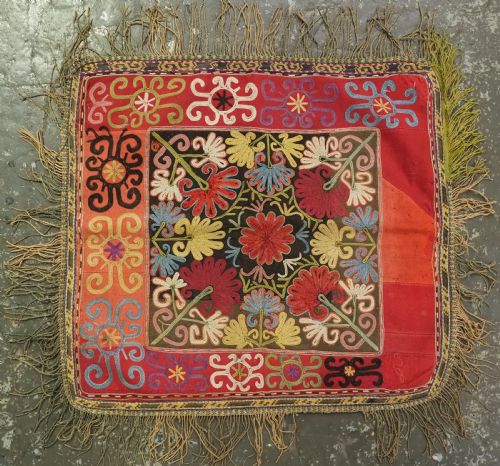
These tribal embroidered wall hanging pieces bring Central Asian and nomadic heritage into a room with rich silk threadwork on wool and cotton grounds.
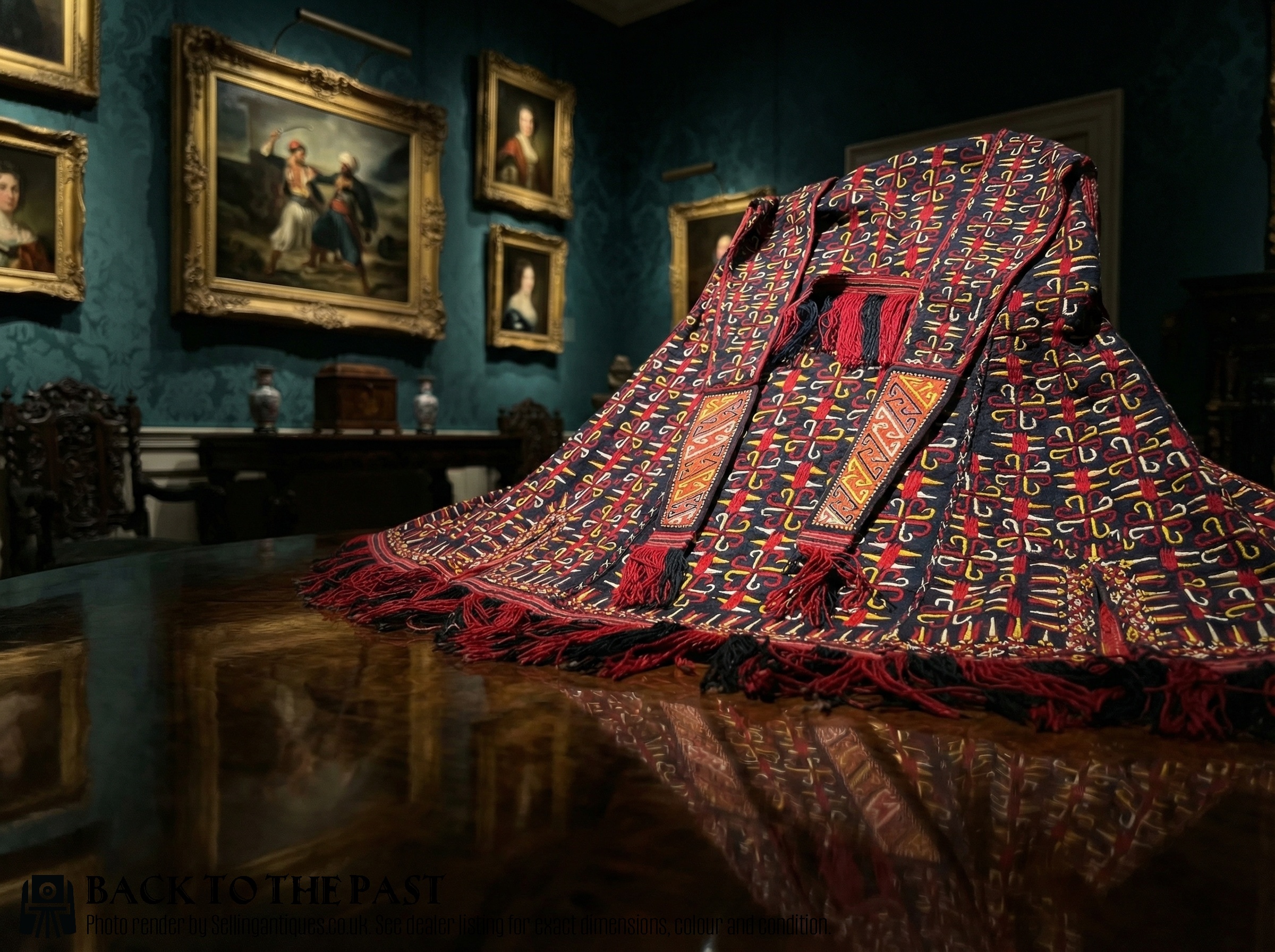
Tribal Embroidered Wall Hanging
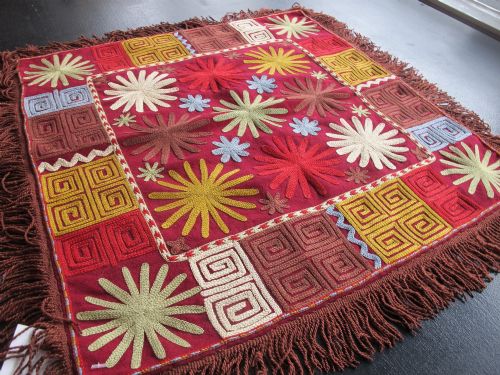
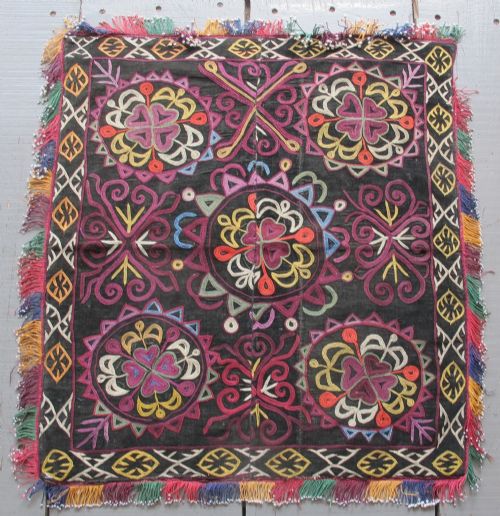
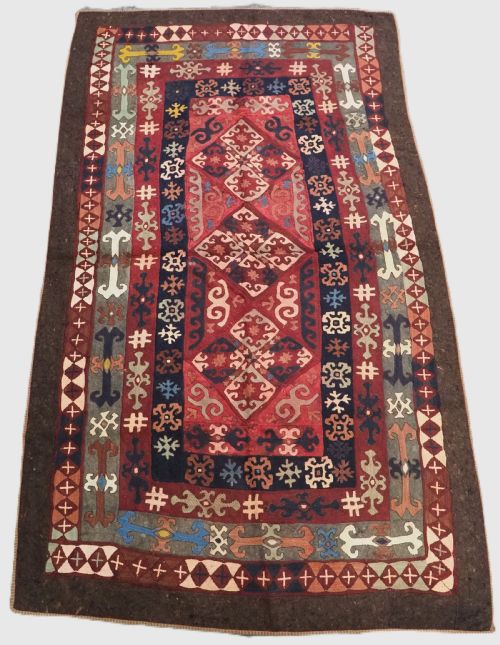
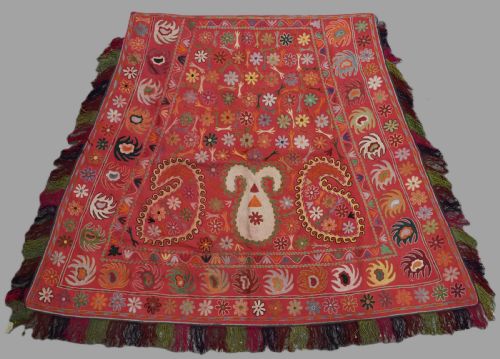
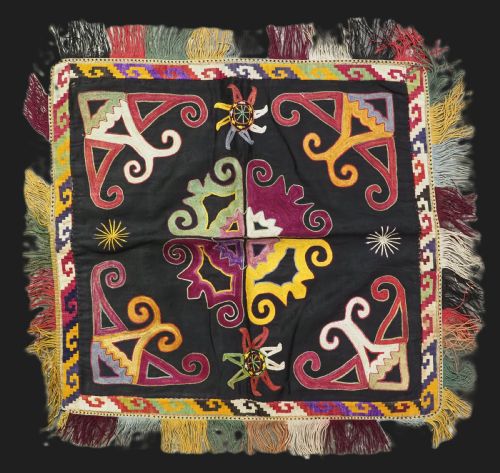
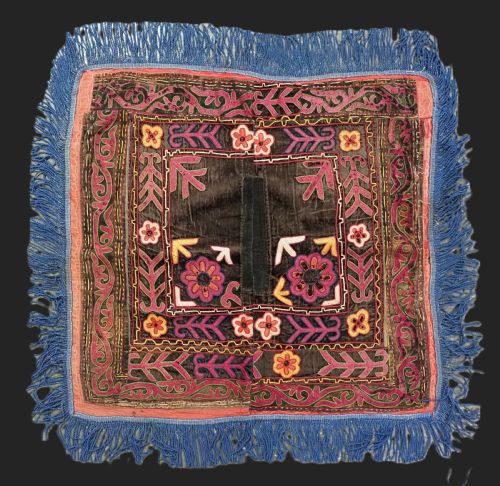
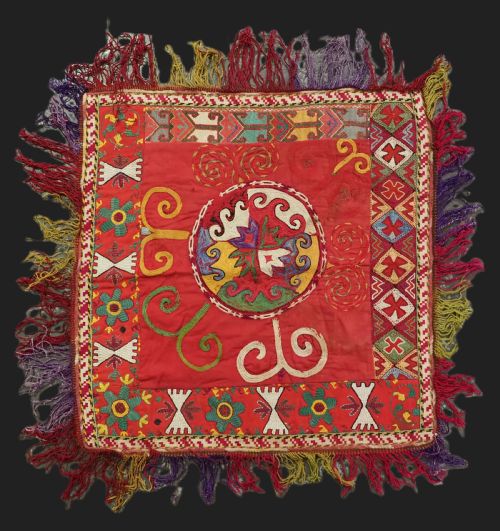
When searching for a tribal embroidered wall hanging, collectors encounter Central Asian nomadic and tribal textiles originating primarily from the nineteenth and early twentieth centuries. These works include dowry embroideries, yurt wall hangings, and ceremonial household covers produced by groups such as the Lakai, Yomut, and Kirghiz tribes.
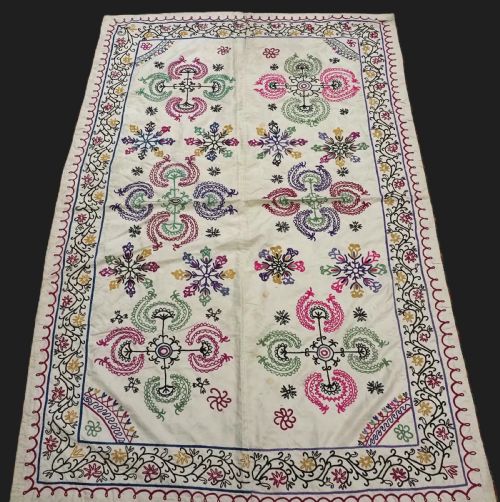
The most common examples on this page are Lakaiilgich and uut kap pieces, alongside various formats of suzani needlework from Uzbekistan. They represent functional household items and dowry textiles adapted into decorative wall art over time.
Originating from regions including Bukhara and Shakrisabz, these items showcase traditional regional motifs worked in vibrant silk on wool, cotton, or felt grounds. Each piece reflects the nomadic culture and textile traditions of Central Asian artisans.
What varies in quality
Quality in these textiles depends on the density of the stitchwork and the complexity of the design composition. Pieces featuring tight, precise silk embroidery across the ground display a higher level of artisan skill than sparser examples.
The choice of materials also dictates the standard of the piece, with finely spun silk threads and substantial wool or felt foundations indicating superior craftsmanship. The preservation of original colours and integrated elements like applied fringe further distinguishes finer items in the range.
Materials recorded across the inventory include cotton, silk, wool, felt, and glass beads.
The Tribal Embroidered Wall Hanging Glossary
- Ilgich
- A Central Asian embroidered hanging, often made by Lakai tribes as dowry items. These works display energetic geometric and figurative needlework.
- Suzani
- An embroidered textile from Uzbekistan, traditionally worked in silk on a cotton or wool ground. Panels often feature large floral medallions and vine motifs.
- Uut kap
- A storage bag or hanging from Central Asia, frequently produced by nomadic tribes. They display dense surface embroidery intended to adorn the interior of a yurt.
- Torba
- A small tent bag or wall hanging associated with Turkmen and Lakai groups. These items incorporate detailed face embroidery with silk highlights.
- Tush kyiz
- A large embroidered yurt wall hanging originating from Kyrgyzstan. Makers craft these to commemorate the marriage of a son or daughter.
Tribal Embroidered Wall Hanging: Frequently Asked Questions
How were these wall hangings used originally?
Nomadic families used these textiles as functional items inside yurts, including storage bags, ceremonial horse covers, and dowry furnishings.
Over generations, many of these domestic objects transitioned into decorative wall hangings valued for their intricate needlework and cultural history.
What materials make up these textiles?
The primary components consist of handspun cotton, woven wool, and heavy felted wool grounds decorated with fine silk threads.
Some pieces also incorporate glass beads, applied fringe, and wool thread to add texture and dimension to the traditional motifs.
How do I care for an antique textile?
Keep these pieces away from direct sunlight to protect the natural dyes in the silk and wool threads from fading over time.
Mount the textiles securely and gently without placing undue strain on the historic foundation fabrics or delicate embroidery.
How can I tell the tribal origin?
Different groups employed distinct stitching techniques, colour palettes, and motif arrangements across their domestic needlework and dowry pieces.
Lakai embroideries often feature dynamic, asymmetrical shapes, whereas other regional works display formal medallion structures and structured floral patterns.