
19th Century Carved Pedestal
These pieces combine architectural form and sculptural detail, offering a sturdy support for display.
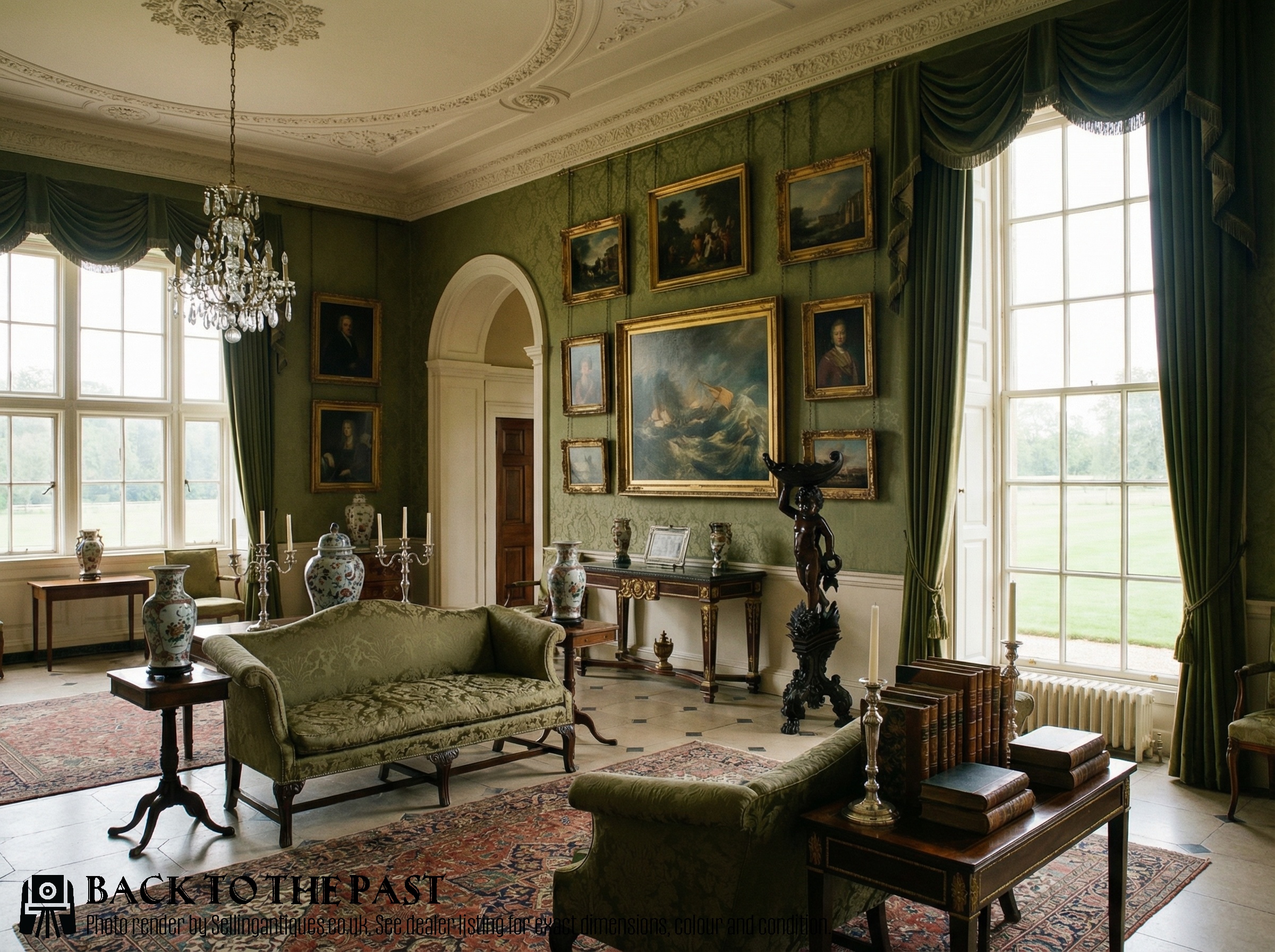
19th Century Carved Pedestal
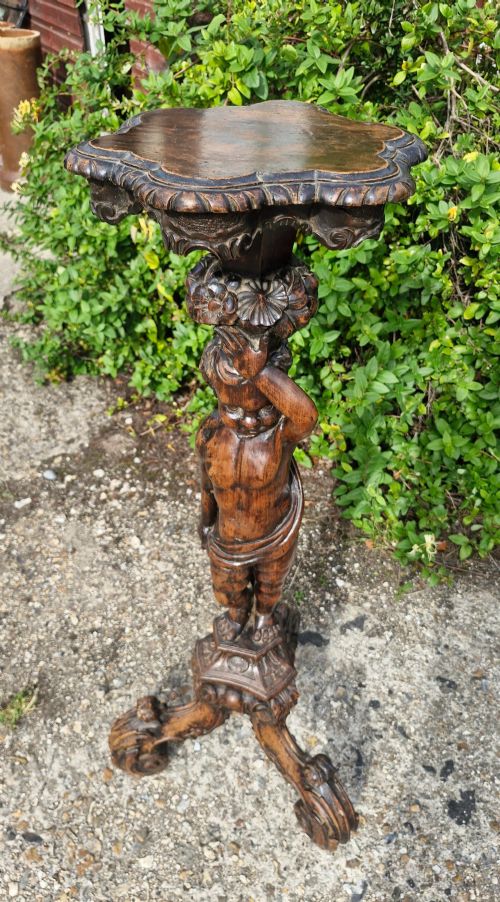
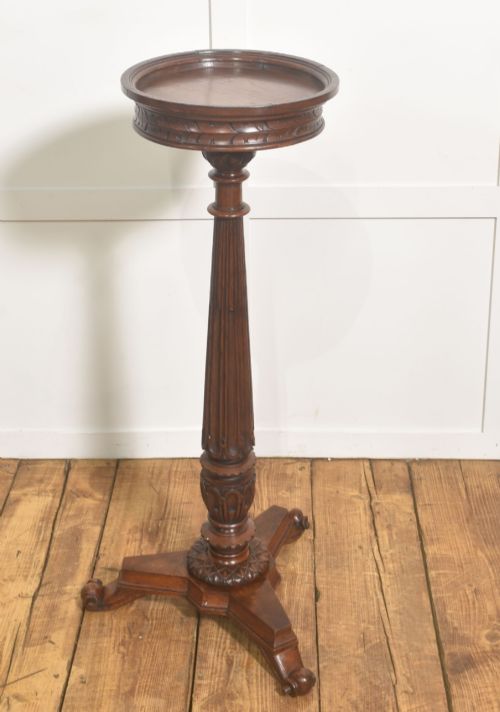
A 19th century carved pedestal serves primarily as a columnar or figural support for busts, lamps, or ornamental objects. The evidence shows these supports rendered in oak, walnut, and gilt wood, frequently taking the form of columns, torcher stands, or display columns.
Buyers seeking this form encounter items spanning the Victorian era, the Regency period, and Italian Grand Tour souvenir work. Oak and walnut examples often feature deep relief carving, including Green Man motifs or Gothic detailing.
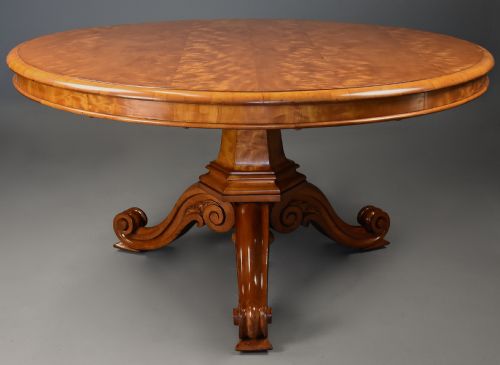
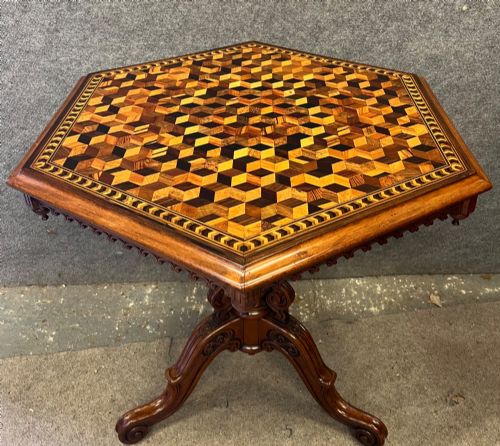
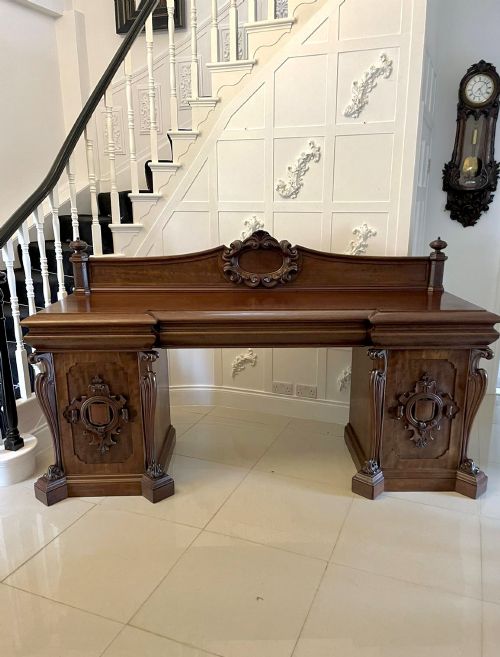
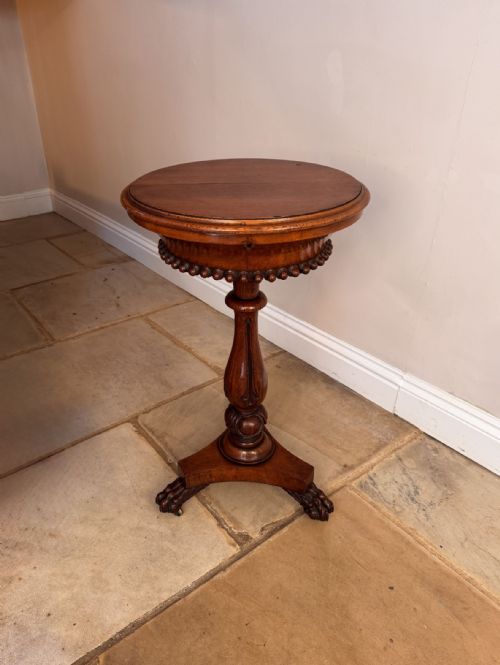
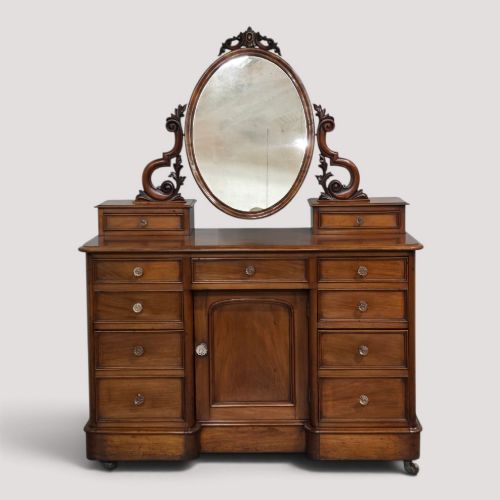
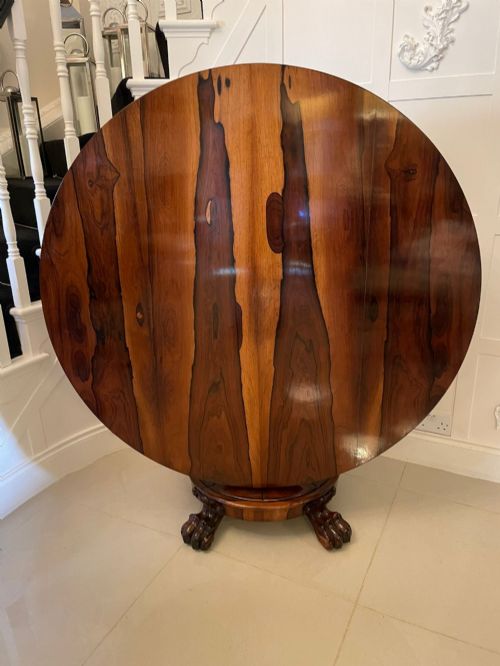
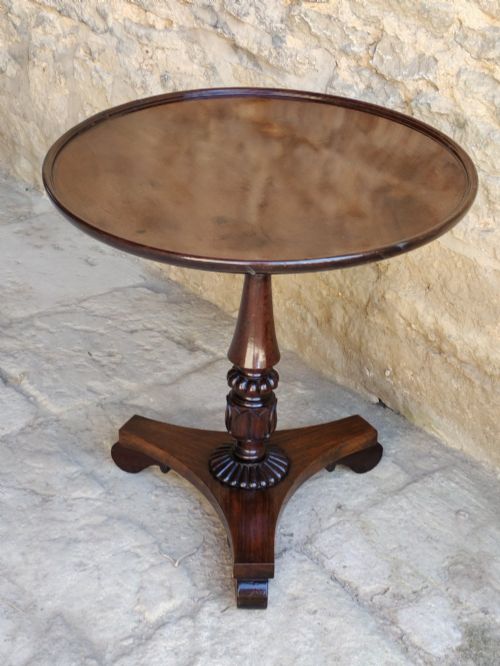
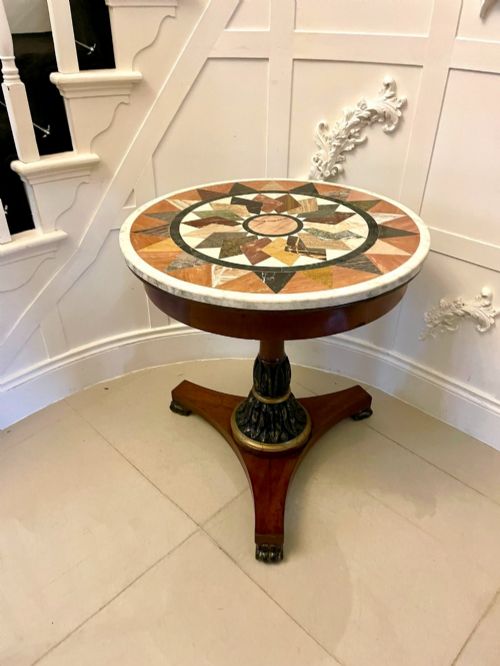
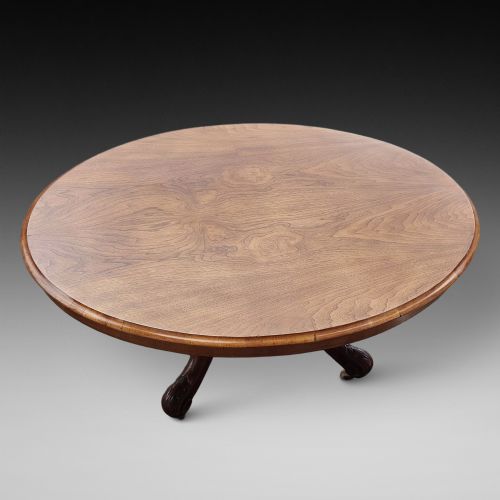
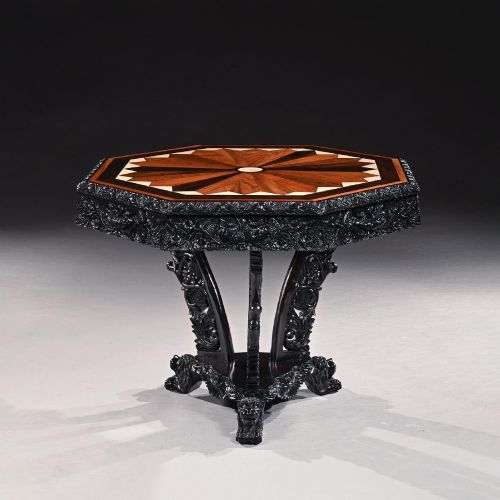
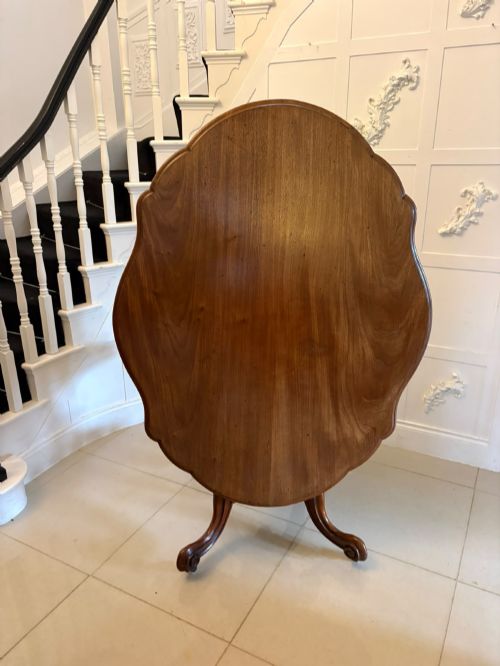
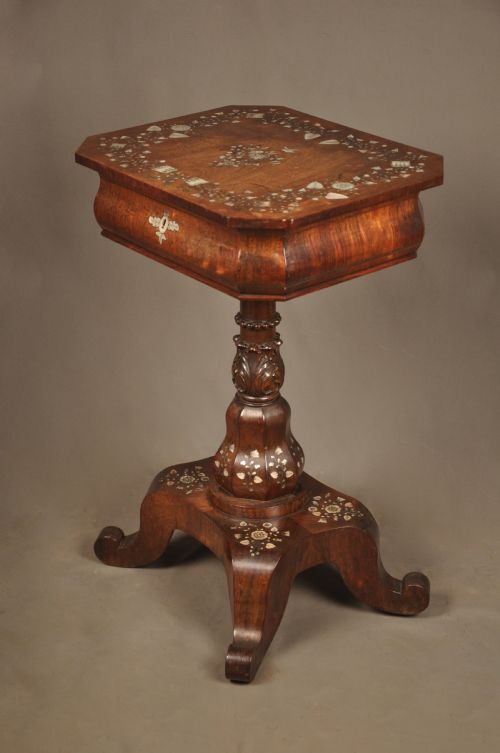
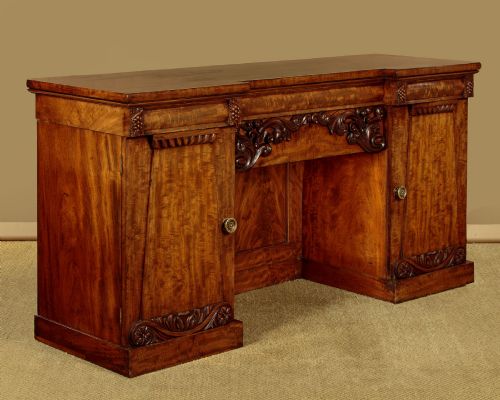
The category also encompasses single pedestal desks and tables possessing heavily carved central pillars or shaped pedestal bases with paw feet. These heavier furniture forms share the sculptural woodwork characteristic of standalone display columns.
Quality factors in carved woodwork
The choice of timber grain and structural stability dictate overall merit. Dense, highly figured walnut or richly patinated oak paired with a heavy, balanced base separates fine decorative items from utilitarian supports.
Several oak pieces feature the watchful gaze of the Green Man carved directly into the timber grain.
Gillows
The 19th Century Carved Pedestal Glossary
- Pedestal
- A structural support or column designed to elevate a bust, urn, or lamp. It provides a vertical architectural element within a room.
- Torcher
- A tall stand historically intended to hold a candle or torch, now utilised for displaying decorative objects or lighting.
- Green Man
- A sculptural motif depicting a human face disgorging or entwined with foliage. It is frequently encountered on 19th century carved oak furniture.
- Grand Tour
- A period of European travel undertaken by upper-class youths in the 18th and 19th centuries, resulting in the acquisition of Italian souvenir artefacts and alabaster pieces.
19th Century Carved Pedestal: Frequently Asked Questions
What were pedestals used for?
These pieces functioned primarily as elevated display stands for sculpture, vases, or lighting within a Victorian interior.
They allowed homeowners to showcase decorative art at eye level while adding an architectural focal point to a room.
How do I style a pedestal?
Place a standalone column in an empty corner or hallway to display a marble bust, bronze figure, or floral arrangement.
Ensure the weight of the placed object matches the load-bearing capacity and stability of the base.
How are periods identified?
Period attribution relies on timber selection, carving styles, and structural forms recorded across the nineteenth century.
Victorian pieces often feature heavy oak or walnut with deep relief, whereas earlier Regency examples lean towards classical columns and gilt finishes.
Are pedestal desks different?
Pedestal desks incorporate built-in banks of drawers beneath the writing surface rather than functioning solely as a display column.
They share the heavy carved pedestals and timber construction seen in standalone display stands and centre tables.