


Italian Renaissance Stand
An italian renaissance stand brings weighty historic theatre into a room, offering a sculptural perch for lamps, books or plants.
Italian Renaissance Stand
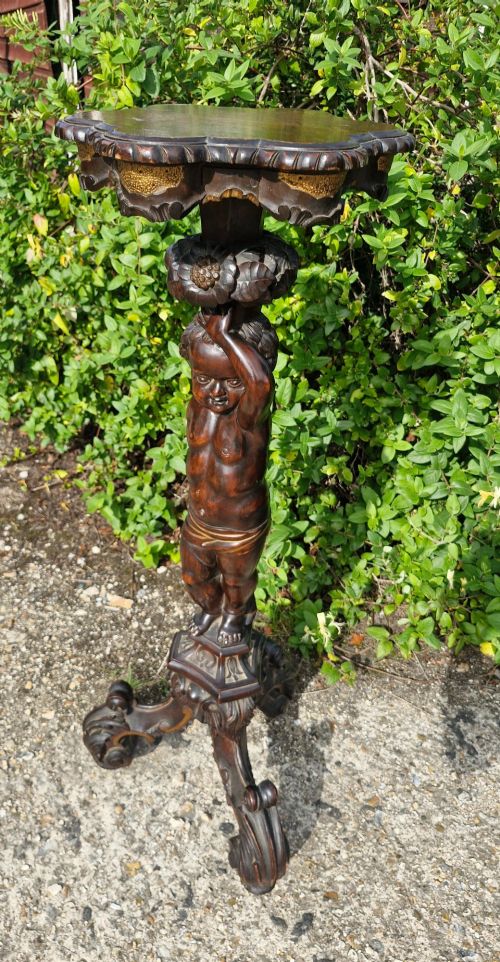
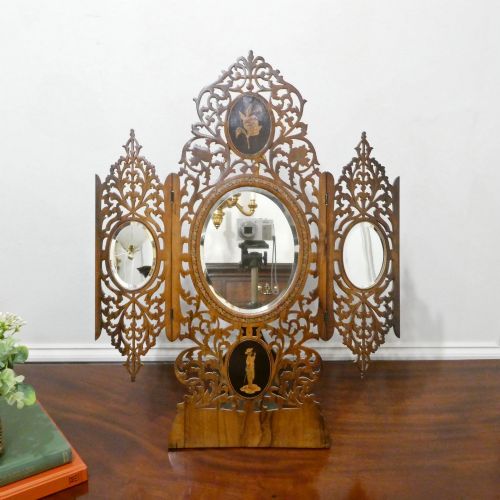
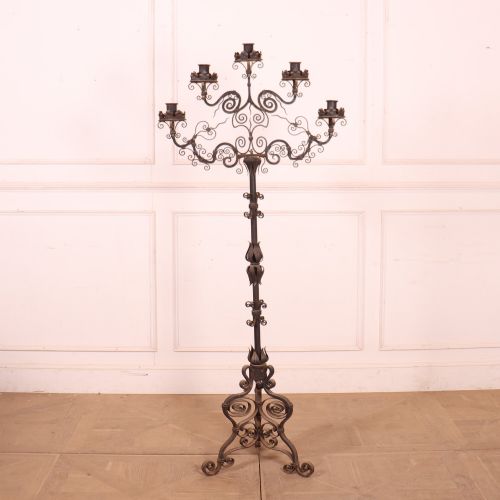
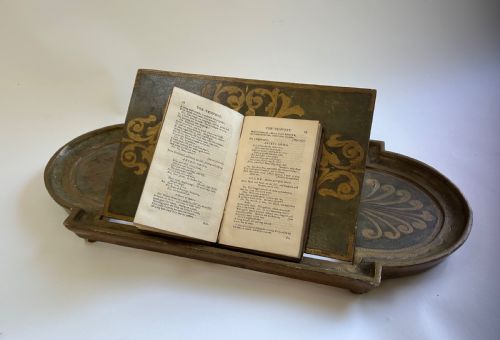
When you search for an italian renaissance stand, you are looking at substantial antique furniture designed to elevate objects or illuminate corners. These pieces take various forms across the evidence, including floor candelabras, pedestals, plinths, book stands, and cabinets on stands.
The versions you are most likely to meet on this page span the eighteenth and nineteenth centuries, often rendered in revival styles such as Italian Renaissance Revival, Gothic Revival, and Florentine. They serve practical functions while introducing heavy architectural presence to domestic spaces.
Originating from Italian traditions, these stands frequently incorporate figurative elements, lion head decorations, or grotesque carvings. They range from simple book stands to monumental floor standing candle altars and bronze torchere pedestals.
Materials and construction
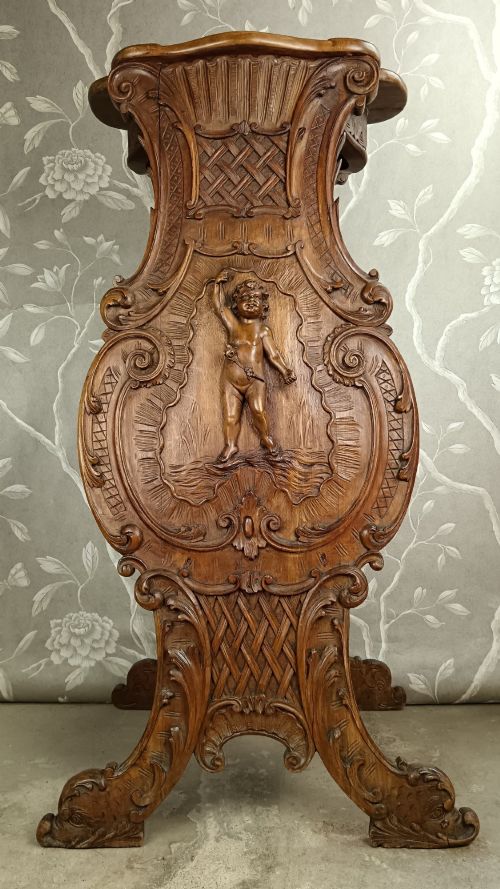
Carpenters and artisans relied heavily on walnut as the primary timber, shaping it through deep and intricate carving. Other woods such as beech, lime wood, painted wood, and cedar also appear across the listings.
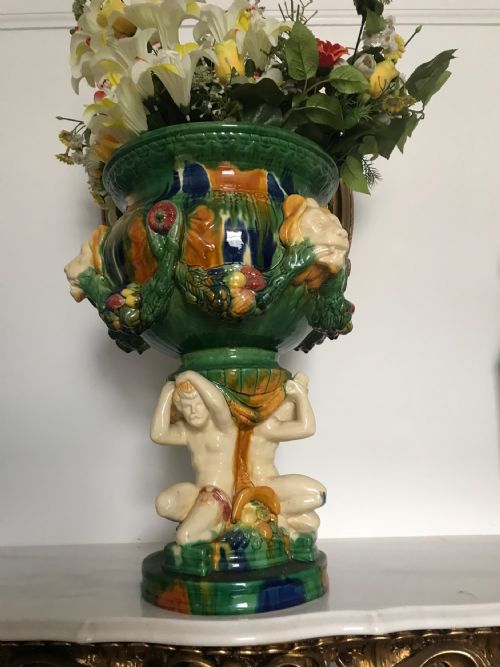
Surface ornamentation involved traditional methods including gesso work, giltwood, and painted finishes. Artisans additionally utilised wrought iron, cast bronze, and glazed ceramic or majolica elements to construct figural bases and decorative vessels.
The inventory spans the eighteenth and nineteenth centuries, alongside revival interpretations of earlier Italian designs.
Judging quality in construction and material
Depth and precision of the carving separate standard pieces from superior examples. Master carvers produced crisp foliage, animated figural details, and balanced proportions that maintain visual harmony despite heavy ornamentation.
The integrity of the materials and their surface treatments also dictate the tier of a piece. Original walnut grain, intact gesso or gilding, and well-cast bronze elements demonstrate higher craftsmanship than later replacements or superficial finishing.
The Italian Renaissance Stand Glossary
- Torchere
- A tall stand or pedestal originally designed to carry a torch or candle. These pieces now frequently support lamps or decorative urns.
- Majolica
- Opaque tin-glazed earthenware decorated with colourful pigments. This technique produces vibrant surfaces on vases and planter bases.
- Gesso
- A plaster mixture applied to wood surfaces as a base for gilding or painting. It allows for sharp relief moulding before the application of gold leaf or colour.
- Sgabello
- A light wooden chair featuring a box-like base or trestle supports. The style frequently translates into small decorative stands or plant supports.
- Revival style
- An artistic movement reviving historical aesthetics from earlier centuries. Nineteenth-century makers frequently adopted sixteenth-century Italian motifs for contemporary interiors.
Italian Renaissance Stand: Frequently Asked Questions
What did they use an italian renaissance stand for?
These pieces supported heavy ceremonial candles, elevated large books, or held planters and decorative vases in grand interiors. They functioned primarily as display furniture to lift objects into the line of sight.
In domestic settings, smaller versions held reading material or served as occasional tables, while taller torchere pedestals provided architectural lighting.
How do I live with an italian renaissance stand?
Position a taller floor-standing pedestal or candelabrum in an empty corner to add vertical height and historical weight to a room. They suit spaces with high ceilings where smaller furniture items might look lost.
Keep the top surface uncluttered or style it with a single substantial object, such as a bronze figure, a ceramic bowl, or a table lamp that complements the carved wood.
How can I tell nineteenth century pieces apart from older ones?
Nineteenth-century revival pieces often display machine-sawn timber elements hidden beneath hand-carved surfaces, reflecting the industrial manufacturing techniques of the period. Tool marks and joinery methods differ visibly from pre-sixteenth-century work.
Examining the wear patterns, wood shrinkage, and the composition of underlying gesso helps establish whether a piece dates to the original historic era or the later nineteenth-century revival movement.