




19th Century British Oil Painting
A 19th century british oil painting brings the rich texture and varied light of the Victorian era directly into a room.
19th Century British Oil Painting
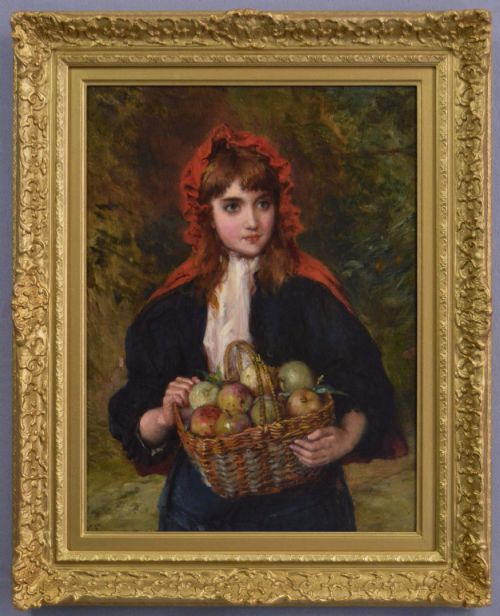
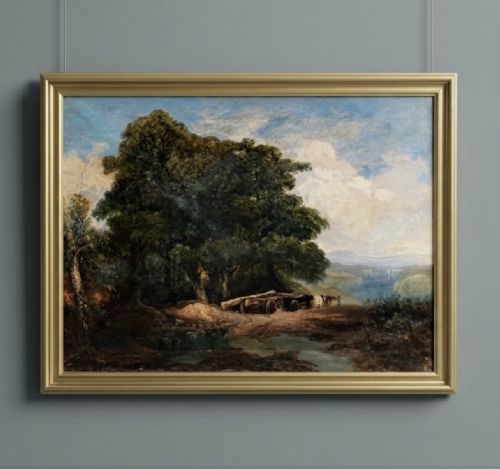
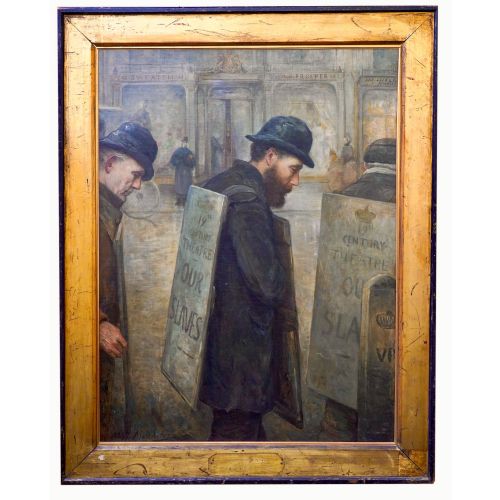
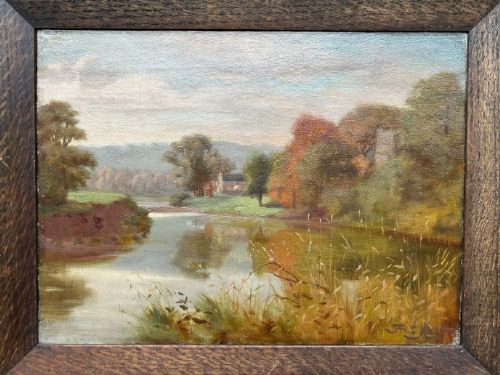
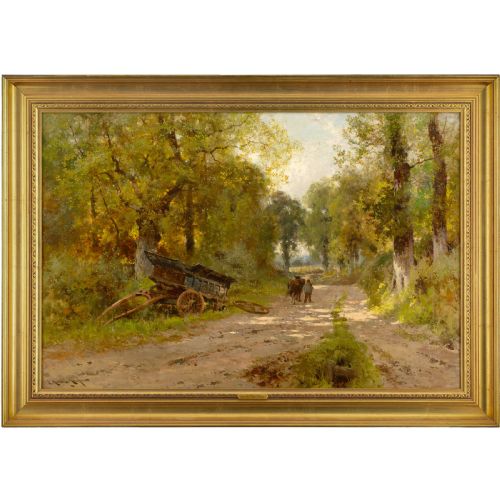
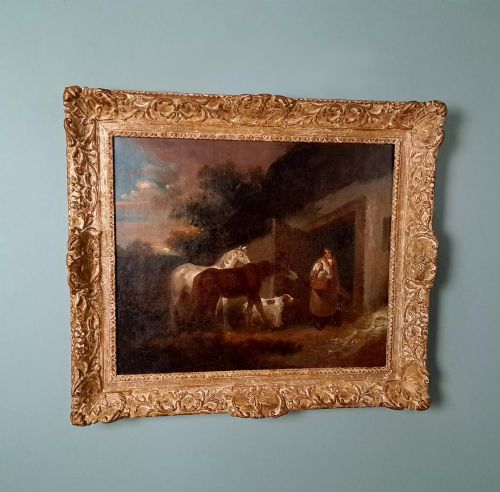
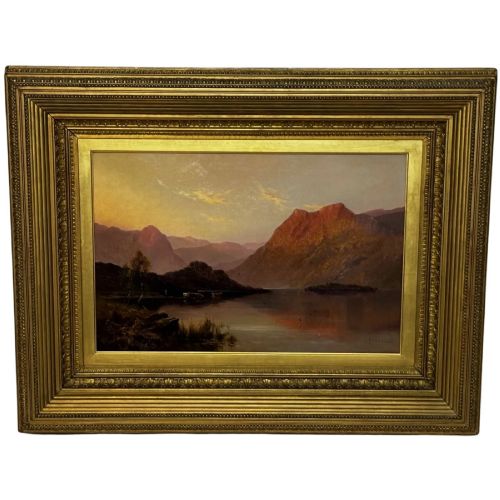
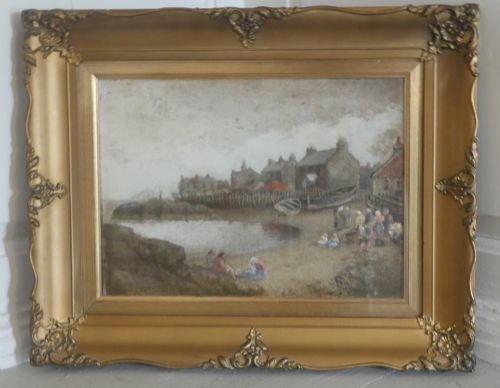
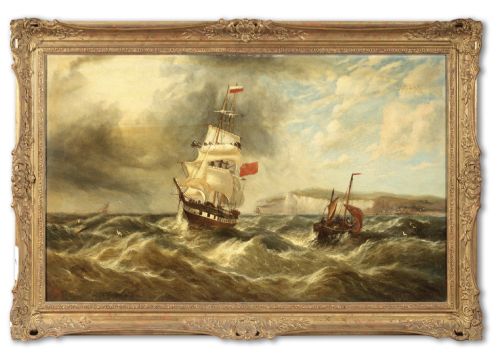
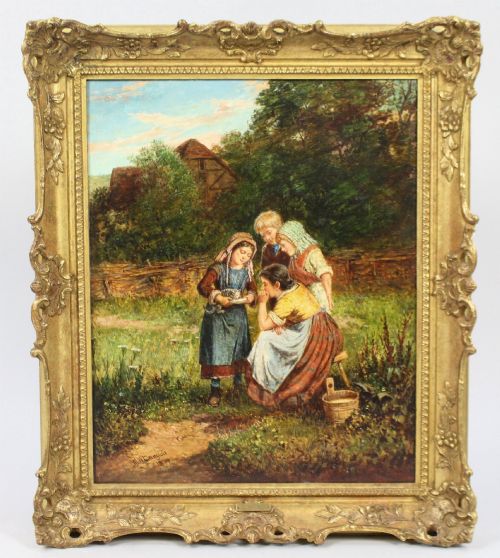
A 19th century british oil painting captures subjects ranging from sweeping pastoral landscapes and coastal harbours to intimate domestic portraits and sporting scenes. These works reflect the shifting tastes of the Regency, Victorian, and Edwardian periods across canvas, wood panel, and card. Buyers encounter both signed works by named artists and atmospheric pieces produced by the broader British School.
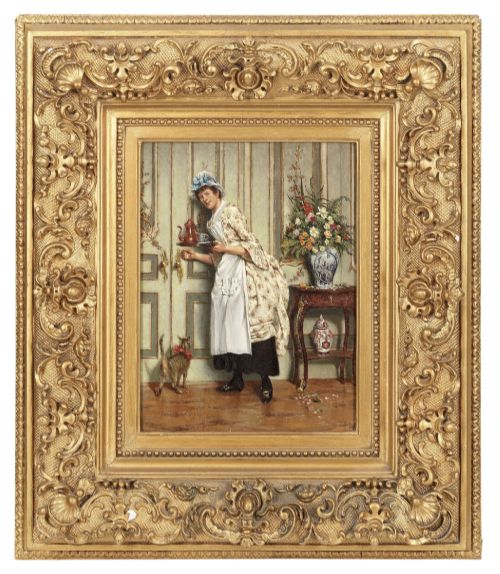
The selection on this page leans heavily towards traditional genres such as marine views, rural country life, and character studies of people and animals. Many canvases retain their original giltwood or gesso frames, preserving the complete object as it was displayed generations ago. Whether large romantic canvases or smaller panel studies, these paintings offer a direct window into nineteenth-century visual culture.
How They Were Made
Painters of this era applied oil paint onto woven canvas stretched over wooden frames, or directly onto prepared wooden boards and panels. Canvas preparations and pigment mixtures allowed artists to build rich layers of colour, from thin translucent glazes in skies to thick impasto highlights in water or foliage.
Finished works were frequently housed in elaborate frames constructed from wood and shaped gesso, then gilded with gold leaf. These frames protect the edges of the canvas and complete the visual weight of the composition.
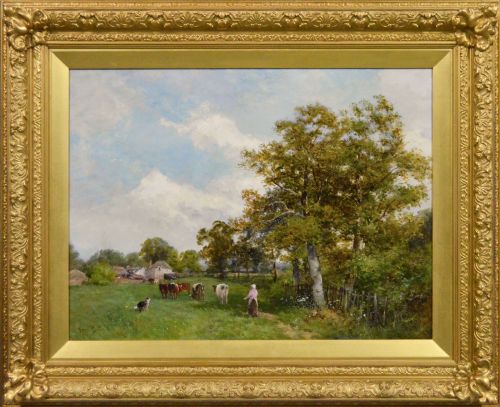
Several paintings record everyday Victorian life by catching dogs herding cows, horses galloping in fox hunts, and quiet cottage tea times.
What Varies in Quality
The distinction between works rests on the confidence of the brushwork, the handling of natural light, and the anatomical accuracy of figures and animals. Master painters capture atmosphere and movement with assured, economic strokes, whereas lesser studio or school pieces can feel stiff or formulaic in their composition.
Preservation of the original paint surface and the condition of the support canvas or wood panel also influence the standing of a piece. Works retaining their original period gilt frames without heavy restoration command stronger interest from collectors.
William Oliver·Richard Sebastian Bond·Felix Stone Moscheles·Valentine T Garland·John Maler Collier·Frederick Marriott·John Horace Hooper·William Joseph Shayer Senior·Alfred Fontville de Breanski Jr·Edward Mills·Stephen Samuel Lewin·John Rose Miles·Thomas W Lascelles·Mark William Langlois·David Bates·Benjamin Barker of Bath·Thomas Smythe·Albert Clark·Robert John Hammond·Walter Heath Williams·Francis Moltino·Margaret Sarah Carpenter·Bernard Benedict Hemy·Thomas Creswick·Stephen Pearce
The 19th Century British Oil Painting Glossary
- Oil on Canvas
- A traditional painting technique utilising pigments suspended in a drying oil medium applied to a woven fabric support. This combination allowed artists to work slowly, blending tones directly on the surface.
- Gesso
- A plaster-like mixture applied to wood or canvas as a smooth base for painting or moulded onto wooden frames before gilding. It provides a rigid, absorbent foundation for decorative surface details.
- Giltwood
- Wood carved and coated with gold leaf or metallic powder to create a brilliant decorative finish. Frames made this way were designed to catch ambient room light and complement the tones within the painting.
- British School
- A designation used when a painting originates from British artists of a specific period but the exact individual hand remains unverified or anonymous. These works illustrate the prevailing technical standards of regional studios.
19th Century British Oil Painting: Frequently Asked Questions
How do I care for an old oil painting?
Keep paintings away from direct sunlight, high humidity, and rapid temperature changes that can cause the canvas or wood panel to warp. Dust the surface very gently with a soft, dry brush without applying pressure to the paint layers.
Avoid using water, chemical cleaners, or damp cloths on the canvas or the gilt frame. If the surface requires cleaning or stabilization, consult a professional art conservator.
What is the British School?
The term refers to works produced by artists trained or working in Britain during a given era whose specific signatures are lost or unrecorded. These paintings demonstrate the shared techniques and stylistic conventions of the period.
Many high-quality regional landscapes and portraits were unsigned or attributed simply to the British School because studio output was often collaborative or anonymous.
How can I tell canvas from wood panel?
Canvas yields slightly to a gentle touch on the reverse and shows a woven textile texture through the paint layers from the front. Wooden boards and panels feel entirely rigid and display smooth or grain-patterned surfaces.
Panels were frequently used for smaller studies and detailed cabinet pictures, whereas larger romantic and landscape compositions were painted on stretched canvas.
Where were these paintings displayed?
Nineteenth-century paintings hung primarily in domestic drawing rooms, country houses, and institutional parlours where heavy gilt frames matched ornate interior decor. They served as focal points above mantelpieces or along panelled hallways.
Today, these works adapt easily to both period interiors and modern spaces, bringing warmth and historical narrative to residential walls.