


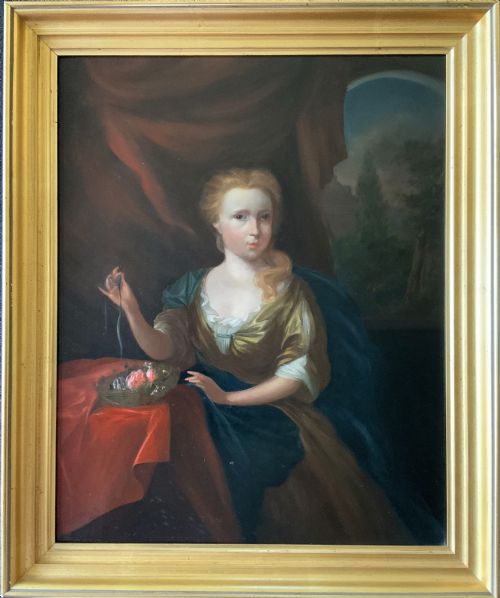

Regency Fine Art Portrait
A regency fine art portrait captures the likeness of a subject through oils, watercolours, or miniature works from the Georgian and 19th-century periods.
Regency Fine Art Portrait
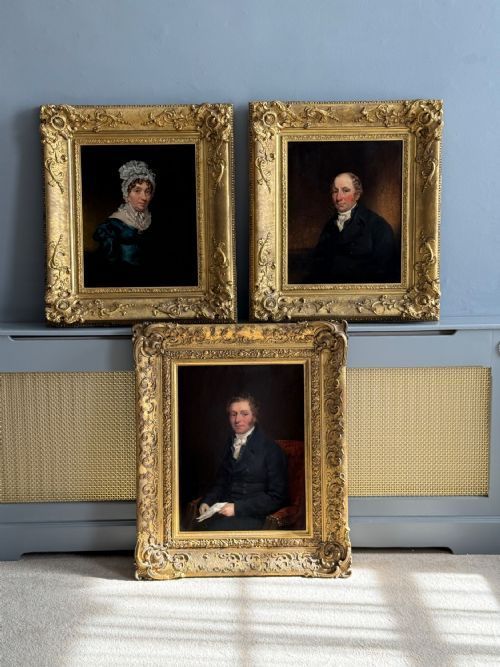
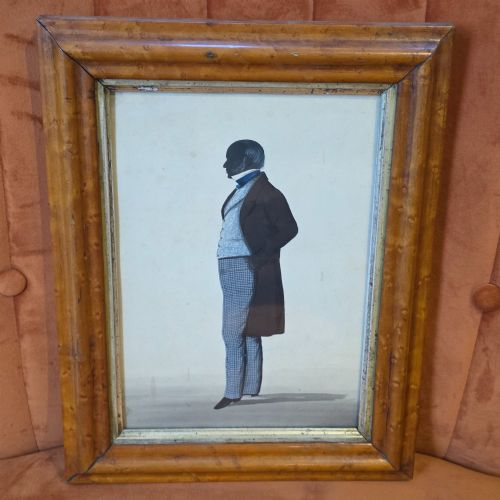
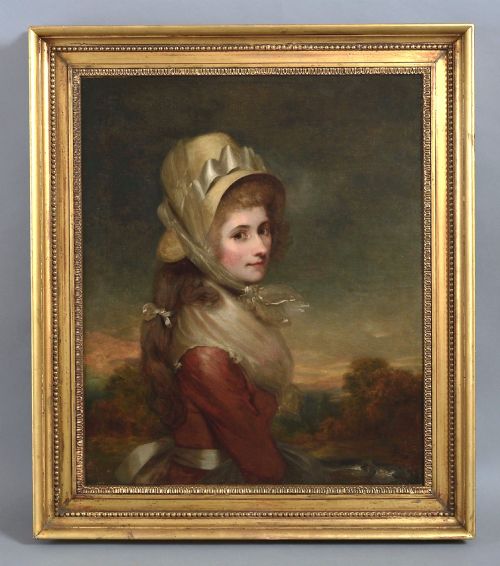
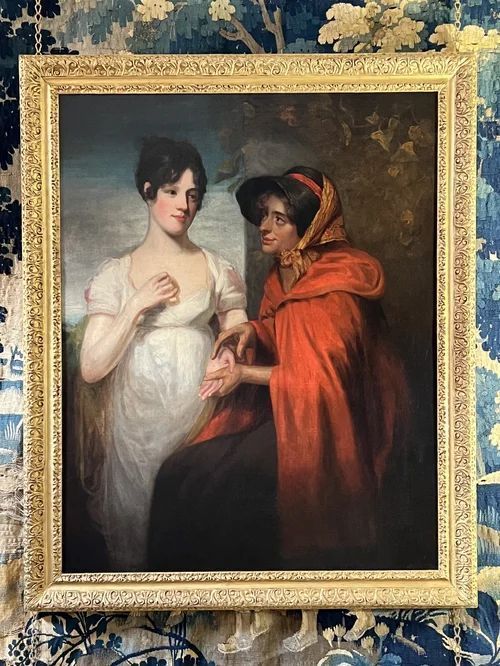
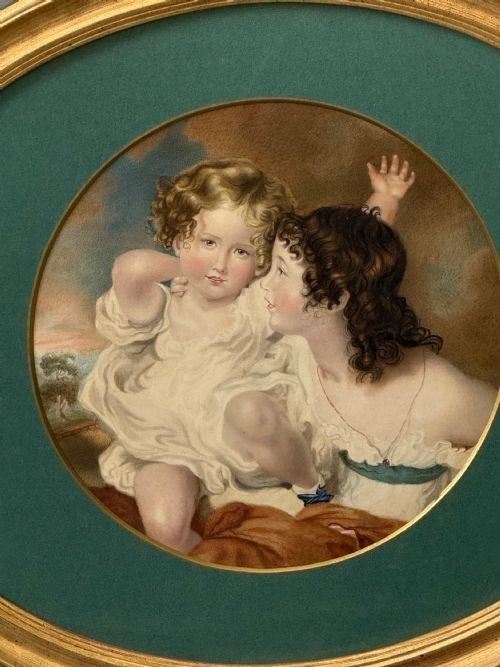
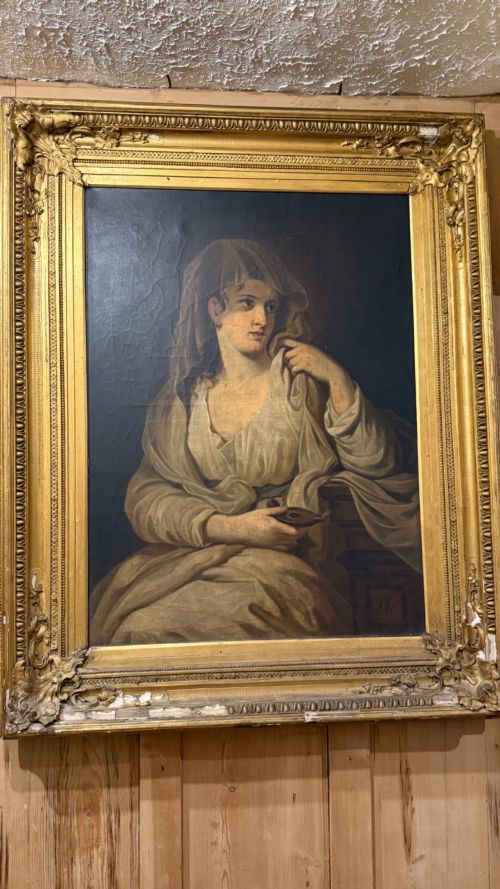
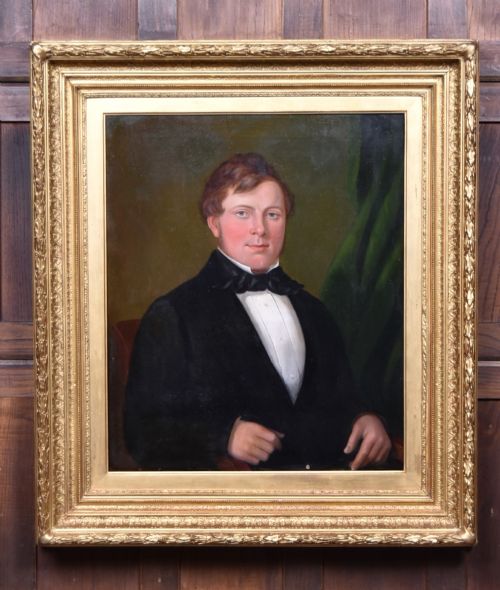
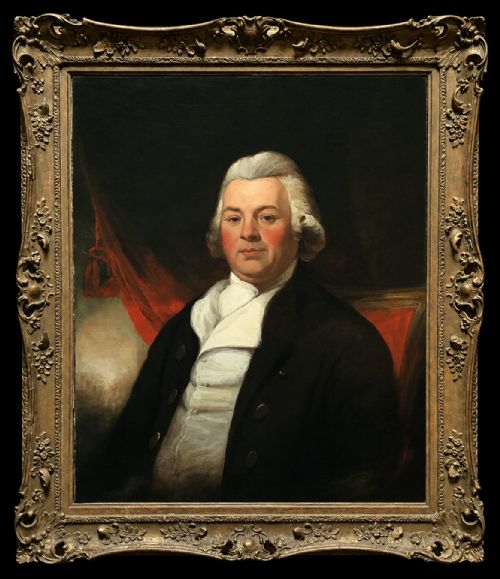
A regency fine art portrait typically presents oil on canvas paintings, delicate watercolours, pastels, or portrait miniatures depicting historical sitters. Buyers encounter works originating from the Georgian, Regency, and wider 19th-century periods, ranging from intimate miniatures to large-scale framed canvases.
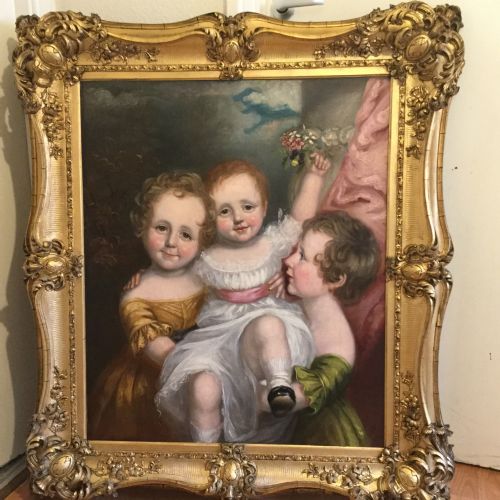
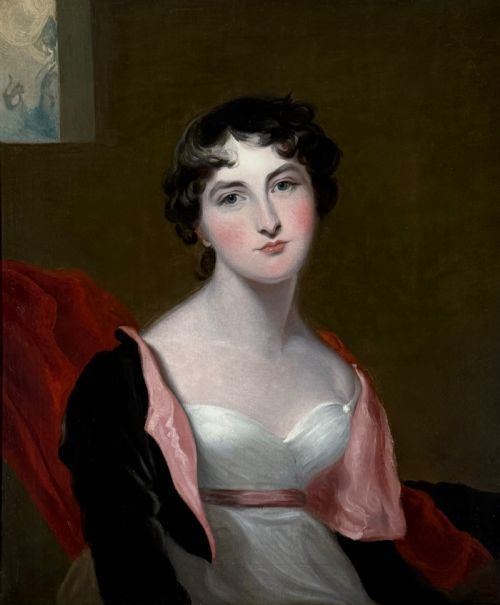
Many works reflect the Neoclassical taste of the era, capturing gentlemen, elegant ladies, children, and families with formal or relaxed composure. The selection includes paintings by recorded artists, works from established studios, and pieces originating from various British and European schools.
Materials and construction methods
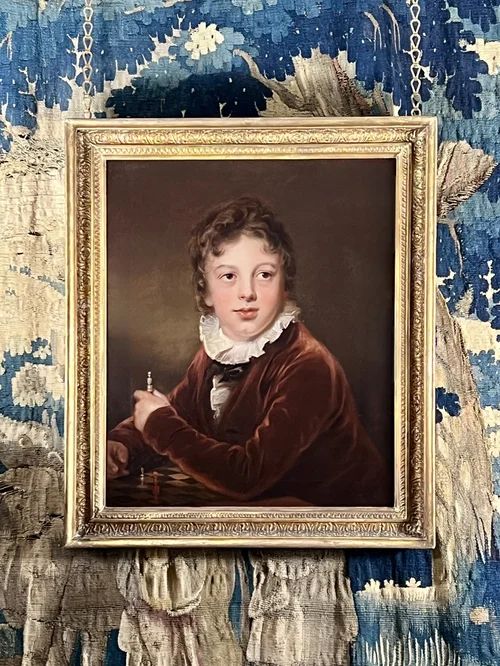
Painters utilised oil paint applied to stretched canvas, wooden panels, or board, often building rich layers to render fabrics, flesh tones, and background details. Watercolour and pastel works were executed on paper or card, frequently protected behind glass within giltwood or wood frames.
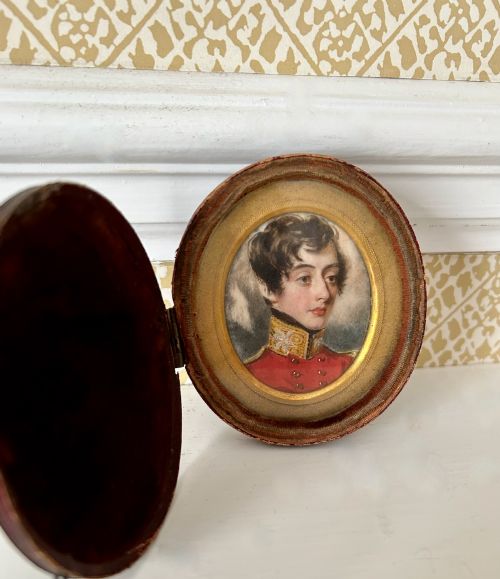
Portrait miniatures required immense precision, painted on specialised surfaces and housed in protective cases. Engravings and mezzotints offered printed reproductions of popular subjects, produced using metal plates and quality paper.
Listings span the 18th century, the Regency era, and the wider 19th century, featuring oil, watercolour, pastel, and engraving.
Distinctions in quality and execution
The reputation of the artist, whether a named Royal Academician or a proficient regional school painter, influences the standing of the work. Preservation of the original canvas, pigment stability, and the presence of contemporary framing further differentiate the items.
Sir William Beechey·Joseph Clover·Sir Martin Archer Shee·James Sharples·John Opie·Sir Thomas Lawrence·George Watson·Nicolas Freese·Frederick Buck·Albin R Burt·William Egley·John Raphael Smith
The Regency Fine Art Portrait Glossary
- Oil on Canvas
- A traditional painting medium where pigments suspended in drying oils are applied to a woven fabric support. This technique allowed artists to achieve deep colour saturation and subtle tonal gradations.
- Portrait Miniature
- A small, highly detailed painting, often executed on ivory, vellum, or card during the Georgian and Regency eras. These intimate items were frequently worn as jewellery or kept in protective cases.
- Mezzotint Engraving
- A printmaking process where the copper plate is roughened to achieve dark tones, allowing for smooth gradations of light and shade. It was widely utilised for reproducing popular oil paintings.
- Giltwood
- Wood, typically carved timber, coated with a thin layer of gold leaf or gesso and gold paint. Frames finished in this manner were standard for displaying fine art portraits of the period.
Regency Fine Art Portrait: Frequently Asked Questions
How do I date a regency fine art portrait?
Dating relies upon the costume, hairstyle, and framing techniques visible in the artwork. Details such as high-waisted dresses or specific collar styles help narrow the period.
Documentation, artist signatures, and inscriptions on the reverse of the canvas or panel provide further chronological markers.
Where should I hang an oil portrait?
Portraits require placement away from direct sunlight and excessive moisture to protect the canvas and pigments. Stable indoor environments prevent warping in wood panels and degradation of paper supports.
Wall spaces with controlled, ambient lighting allow the details of the subject and the texture of the brushwork to remain clear.
Are miniature portraits painted on ivory?
Miniatures from this era were frequently painted on thin slices of ivory, which provided a luminous base that enhanced skin tones. Other pieces utilised card, vellum, or prepared paper.
The specific support often depends on the date of creation and the preference of the miniaturist.
What is the difference between an oil and a watercolour portrait?
Oil portraits utilise viscous paint on canvas or panel, offering deep colours and durable surfaces suited to large formats. Watercolour works are executed on paper behind glass, yielding a lighter, more translucent finish.
Watercolours and pastels were typically smaller and intended for intimate display rather than grand reception rooms.