


Historic Portrait Oil Canvas
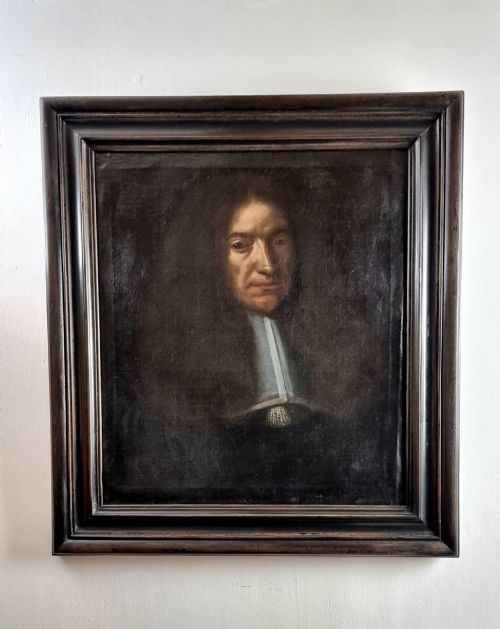
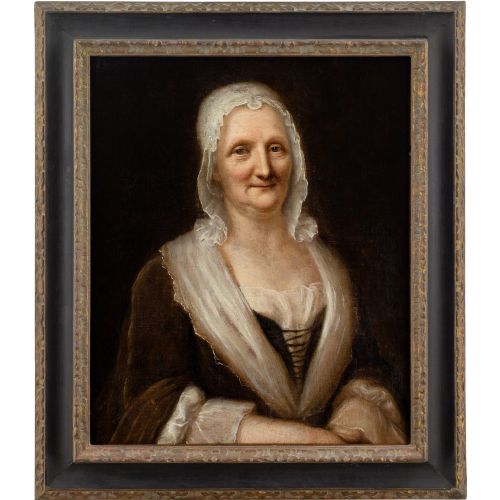
A historic portrait oil canvas captures the likeness of notable figures or anonymous sitters across centuries of portraiture.
Historic Portrait Oil Canvas
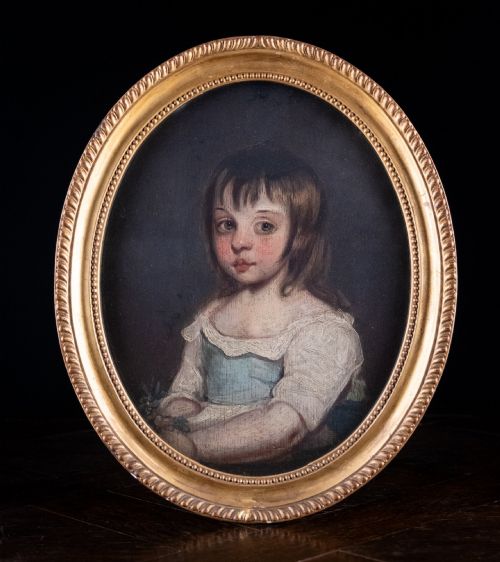
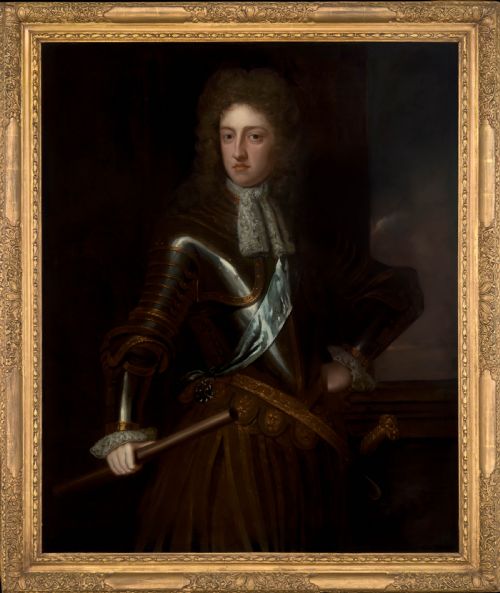
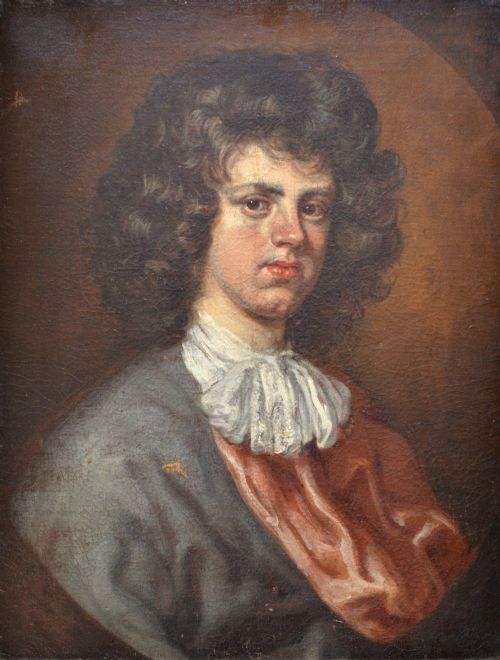
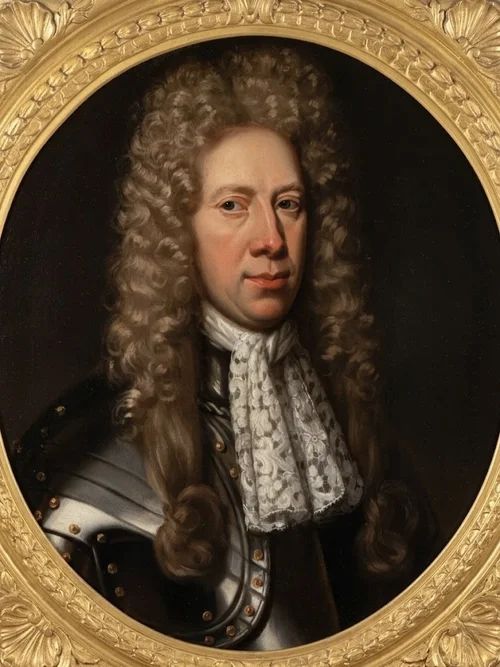
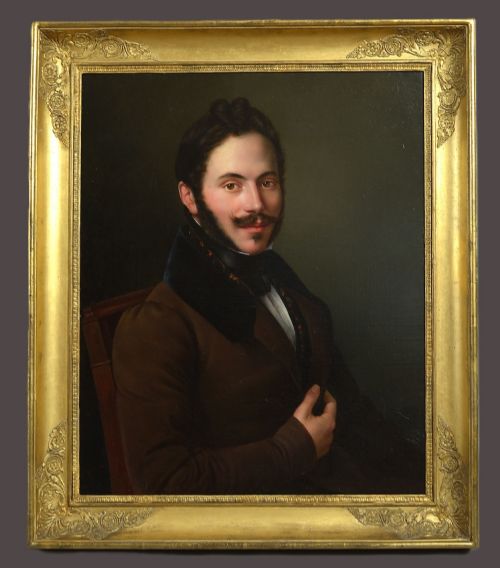
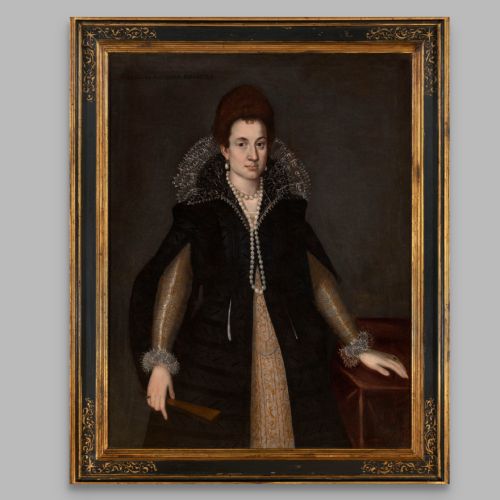
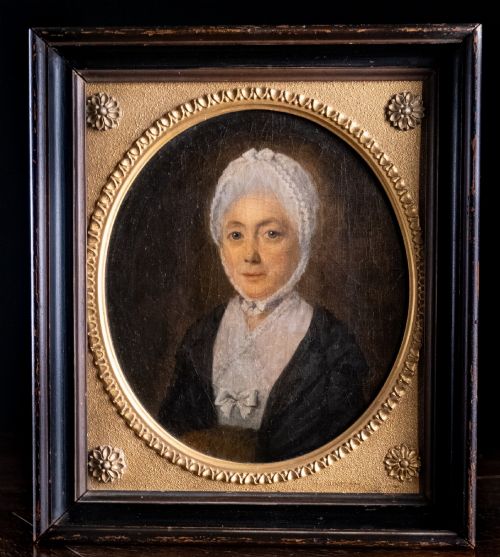
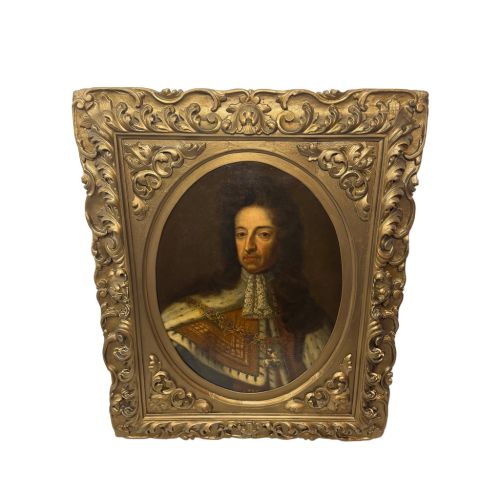
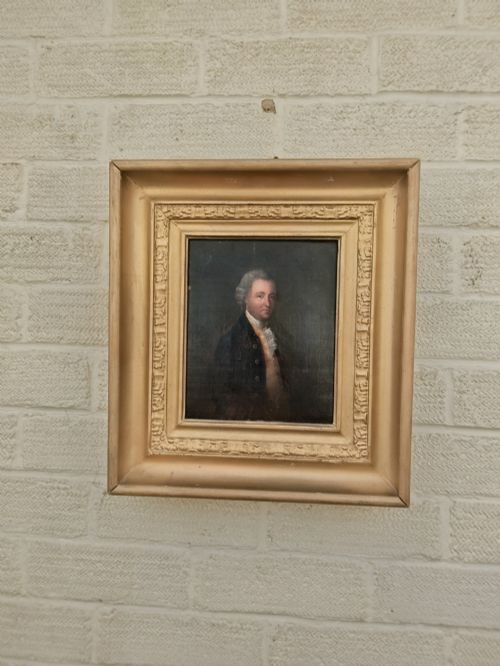
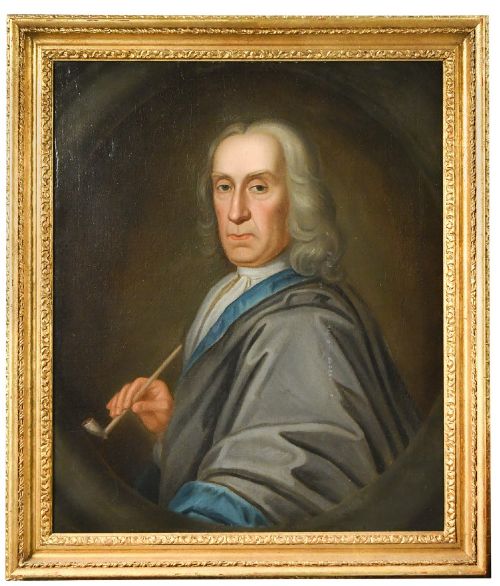
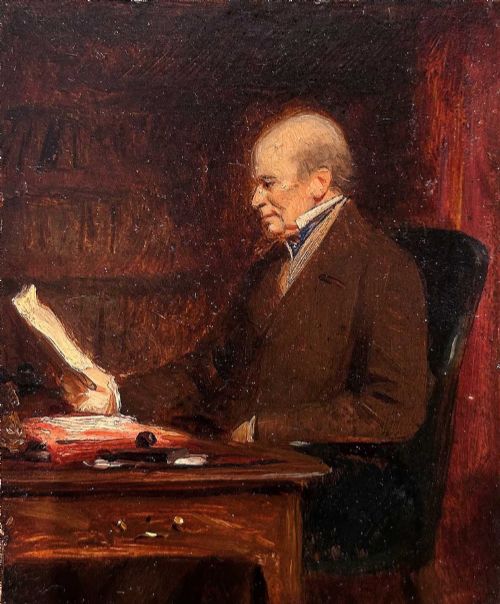
A historic portrait oil canvas represents individuals ranging from nobility and military officers to country girls and gentlemen, recorded in paint upon woven fabric. Buyers exploring this category encounter works spanning the seventeenth, eighteenth, and nineteenth centuries, alongside regional schools from Britain, France, Flanders, and the Netherlands. These paintings frequently depict half-length or bust formats, often housed within their original wooden or giltwood surrounds.
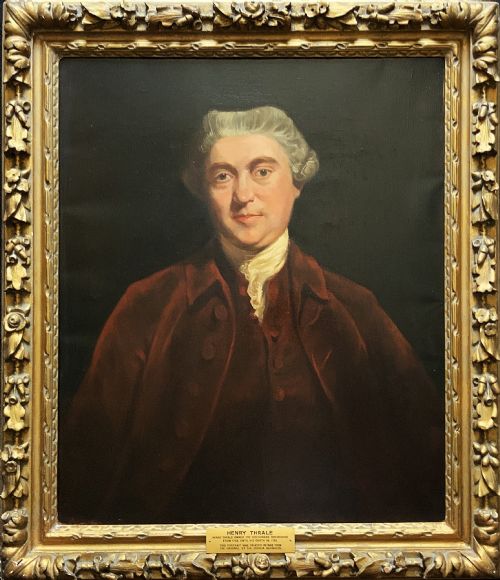
The subjects include named historical figures such as King William III and Prince George of Denmark, as well as attributed studies and works produced after masters like Sir Joshua Reynolds and Leonardo Da Vinci. Many examples bear the distinct stylistic hallmarks of Georgian, Regency, or Baroque periods, reflecting the prevailing portraiture conventions of their respective eras. Collectors regularly find both signed compositions by documented hands and anonymous school pieces originating from continental and British workshops.
Assessing Quality and Execution
Quality in a historic portrait oil canvas rests upon the skill of the brushwork, the psychological depth captured in the sitter's expression, and the anatomical proportion demonstrated by the artist. Finer examples display subtle handling of light upon fabric and flesh, whereas lesser works rely on formulaic rendering and stiff drapery. The fidelity of the likeness and the confidence of the initial drawing separate studio masterworks from routine regional output.
The survival of the original frame and the stability of the canvas also influence the standing of a piece. Works retaining their contemporary giltwood surrounds without extensive modern intervention hold greater integrity than those with mismatched housings or aggressive repainting. The distinction between a primary studio execution and a later copy depends entirely on the precision of the pigment application and the nuance of the execution.
Listings feature oil on canvas portraits spanning the seventeenth, eighteenth, and nineteenth centuries, executed by British, French, and Flemish schools.
Sir William Beechey·Sir Godfrey Kneller·John Scougall·Edouard Pingret·Pietro Fachetti·John Greenhill·Frank Moss Bennett
The Historic Portrait Oil Canvas Glossary
- Canvas
- A heavy woven fabric, usually linen or hemp, stretched across a wooden frame to serve as the foundation for oil paintings. It provides a flexible yet durable surface for pigment application.
- Giltwood
- Wood that has been coated with a thin layer of gold leaf or gilt powder, commonly utilised for ornate picture frames during the Baroque, Georgian, and Regency periods. This finish adds reflective warmth to the perimeter of the artwork.
- Circle of
- A designation indicating that a painting was produced by an unidentified artist working closely within the studio or under the direct influence of a known master. These pieces share the stylistic traits of the named figure without being direct autobiographical works.
- Baroque
- An artistic style spanning the seventeenth and early eighteenth centuries, characterised by dramatic lighting, deep shadows, and dynamic movement. Portraits from this period often emphasise rich textiles and theatrical staging.
- Oil Paint
- A slow-drying medium composed of pigments suspended in a drying oil, typically linseed oil. This formulation allows artists to blend colours smoothly and achieve translucent glazes.
Historic Portrait Oil Canvas: Frequently Asked Questions
How do I identify seventeenth-century portraits?
Seventeenth-century portraits typically feature stiff lace collars, dark backgrounds, and rigid postures reflecting the Baroque aesthetic. Artists of this era utilised heavy oil pigments on canvas to depict aristocrats, judges, and military officers.
Clues to dating also reside in the clothing and hair styles, such as elaborate wigs and armour. Examining the construction of the wooden stretcher frame often provides additional context regarding the age of the object.
What does 'after' an artist mean?
When a painting is catalogued as 'after' a master such as Sir Joshua Reynolds or Leonardo Da Vinci, it indicates that the work is a later copy or study of a known composition. These pieces were frequently painted by students or contemporary artists to replicate famous imagery.
Such works offer insight into the popularity and dissemination of specific portrait designs across different periods. They represent traditional academic training methods rather than original compositions by the primary master.
How should I care for an oil portrait?
Preserving an oil portrait on canvas requires stable environmental conditions away from direct sunlight and fluctuating humidity. Excessive heat can cause the canvas to slacken and the oil paint to crack over time.
Dusting should be performed gently with a soft, dry brush, avoiding any moisture or chemical cleaning agents on the painted surface. Professional conservation is recommended for any structural repairs to the canvas or frame.