
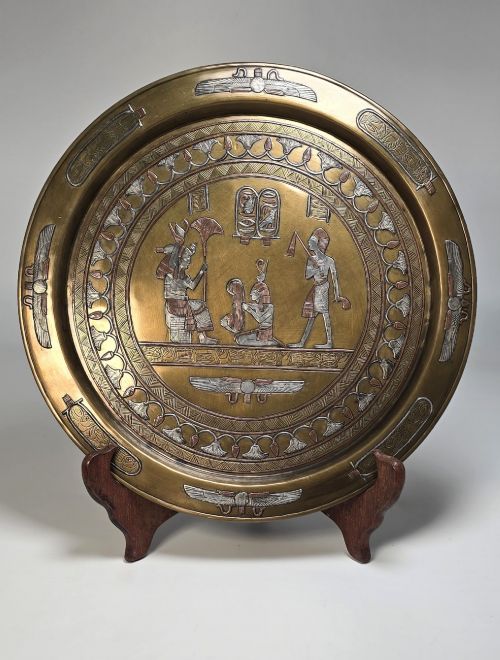


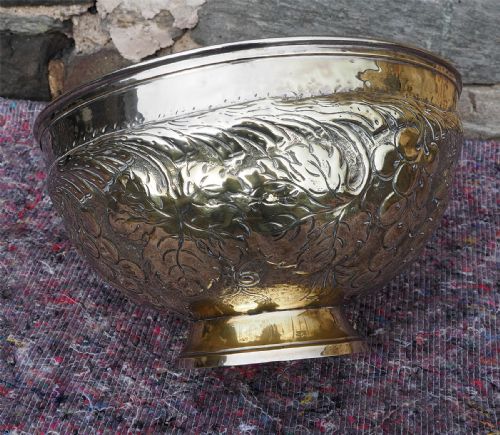

19th Century Brass Plate
These 19th century brass plate items are metal wall plaques, decorative chargers and door finger plates valued for period craftsmanship and decorative impact.
19th Century Brass Plate
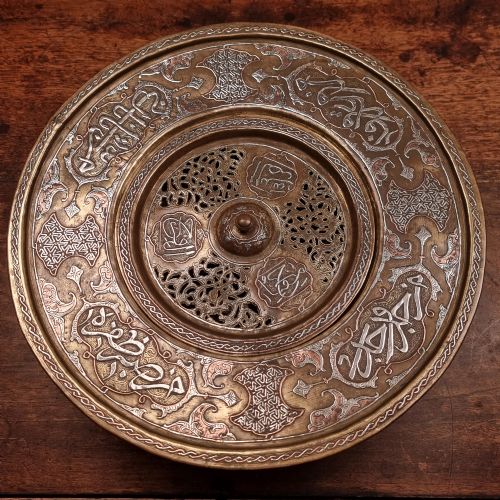
A 19th century brass plate search encompasses various metal objects, most frequently wall plaques, decorative chargers and door finger plates. These items originate from the Victorian era and adjacent 19th century periods, showcasing traditional metalworking forms.
Buyers encounter items such as pierced brass door finger plates, repousse brass cushion mirrors, and decorative wall plaques. The selection spans domestic utility items and purely ornamental display pieces produced during the eighteen hundreds.
Factors determining quality
Quality rests upon the crispness of the metalwork detail, such as the depth and definition found in repousse or pierced designs. Superior examples maintain intact original plating and stable structural integrity without excessive wear.
The precision of the mounting and the quality of secondary materials like mercury mirror plates or fitted wooden elements distinguish finer items from standard production pieces.
Mirrors framed in repousse brass occasionally retain their original foxed mercury glass, reflecting centuries of passing light.
The 19th Century Brass Plate Glossary
- Repousse
- A metalworking technique where the artisan hammers metal from the reverse side to form a raised design on the front. This method creates decorative relief patterns on wall plaques and mirror frames.
- Pierced
- Metalwork that has been cut through to create openwork patterns or decorative borders. This technique appears frequently on door finger plates.
- Silver plate
- A thin layer of silver applied to a base metal core such as brass or copper. It provides the appearance of solid silver while utilising less costly underlying materials.
- Mercury plate
- An early mirror glass production method utilising a tin-mercury amalgam. This historical process creates a characteristic mottled reflection known as foxing.
19th Century Brass Plate: Frequently Asked Questions
How do I clean antique brass plate?
Dust gently with a soft dry cloth to preserve the existing surface patina. Avoid harsh chemical cleaners that strip the historic finish.
Retaining the natural aged appearance maintains the character and visual depth of nineteenth century metalwork.
Where were these brass items used?
These decorative objects served inside nineteenth century domestic interiors as wall ornaments, functional door hardware and mirrors.
Plates and plaques were displayed on walls or furniture surfaces to add decorative warmth to rooms.
Are door finger plates interchangeable?
Standard sizing varied across the nineteenth century depending on the specific door and joinery requirements.
Measure existing screw holes and plate dimensions carefully before attempting installation on historic doors.
How do I identify the period?
Examine the manufacturing marks, fastening methods, and the style of the metal ornamentation. Victorian and nineteenth century pieces display specific hand-working traits distinct from later reproductions.
Consulting recorded archive examples helps date specific repousse and pierced decorative patterns.