

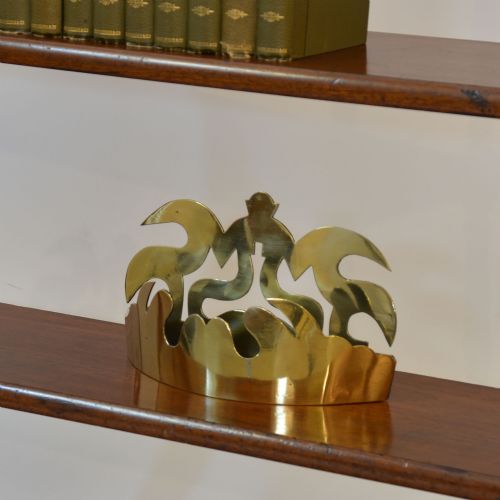


19th Century Brass Planter
A 19th century brass planter brings gleaming metallic warmth and historic utility into a room, serving as a striking vessel for indoor greenery.
19th Century Brass Planter
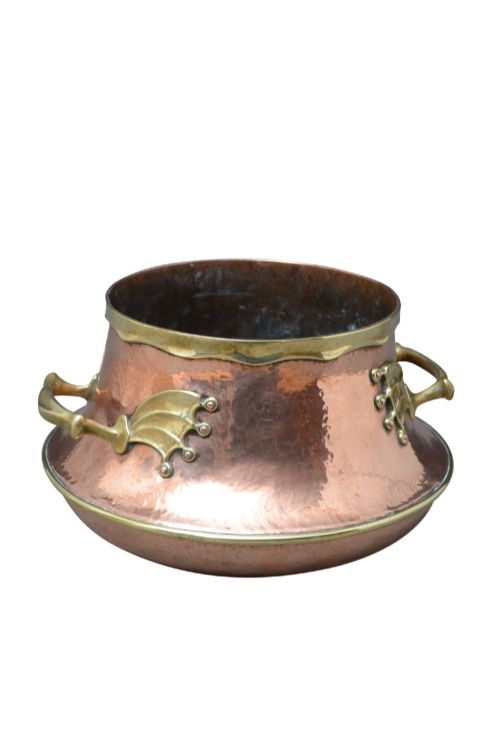
A 19th century brass planter encompasses a broad range of vessels designed to hold plants, flowers, or water, frequently appearing under terms such as jardiniere, cachepot, and wine cooler. These items span various periods including the Victorian era, Regency, and Georgian epochs, reflecting changing interior tastes across decades.
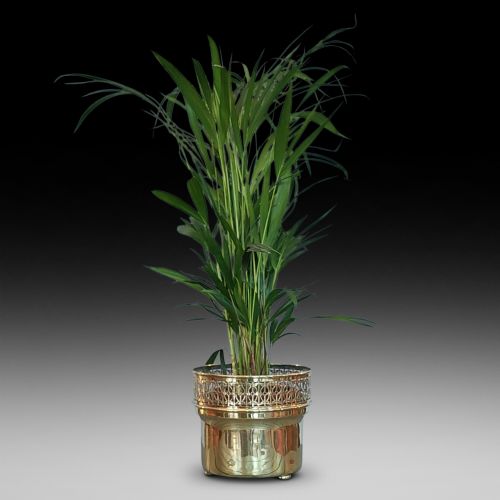
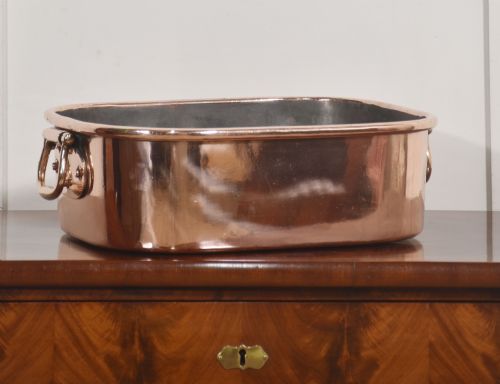
The pieces on this page frequently manifest as heavy copper and brass buckets, riveted pans, boat-shaped vessels, and stand-mounted bowls. Many incorporate liners made of zinc or other metals to protect the outer structure from moisture and soil.
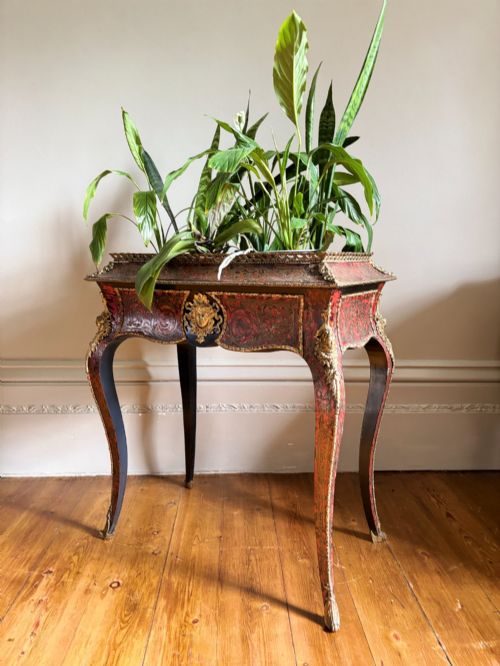
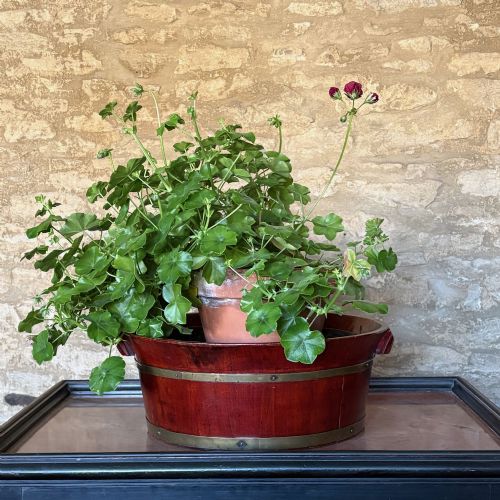
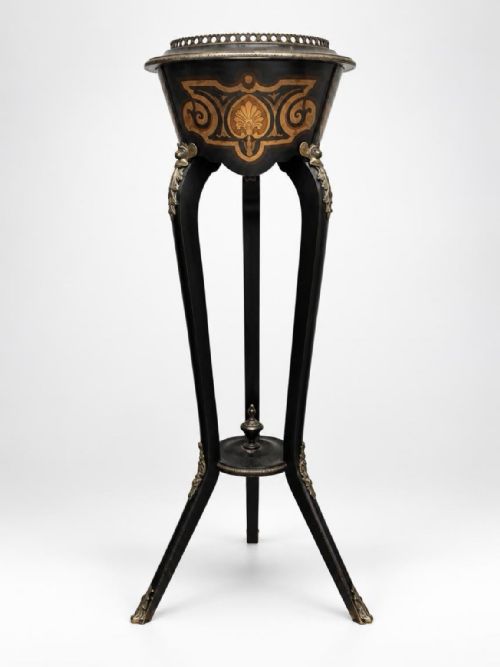
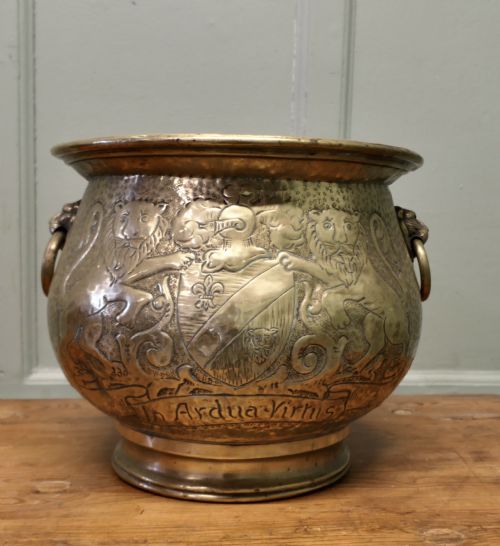
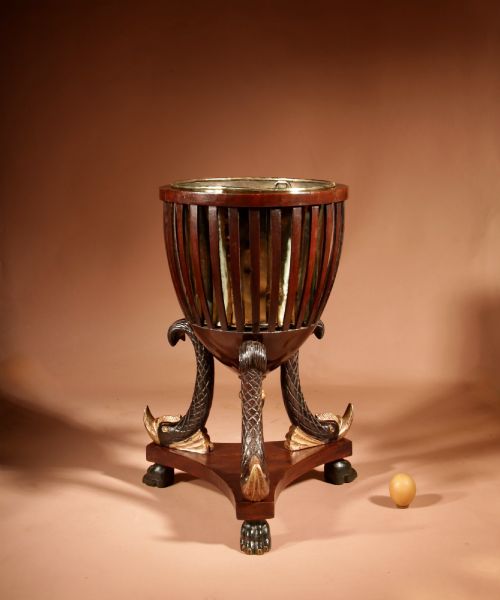
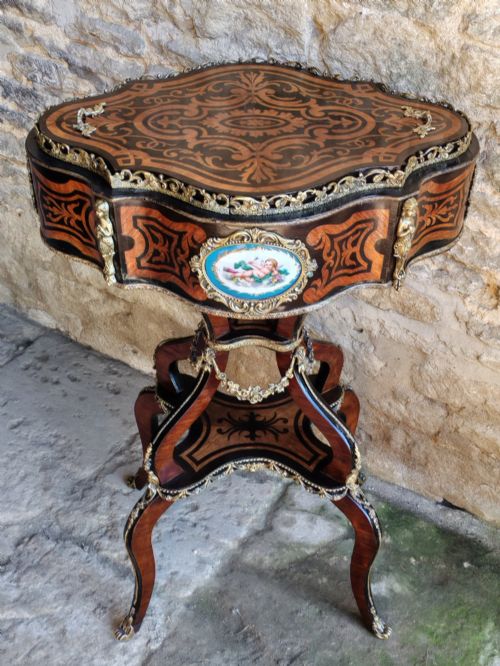
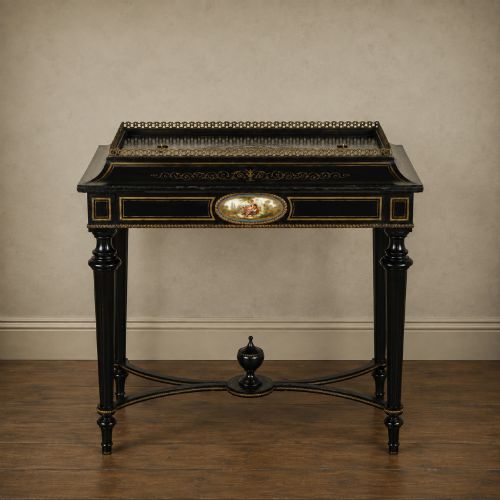
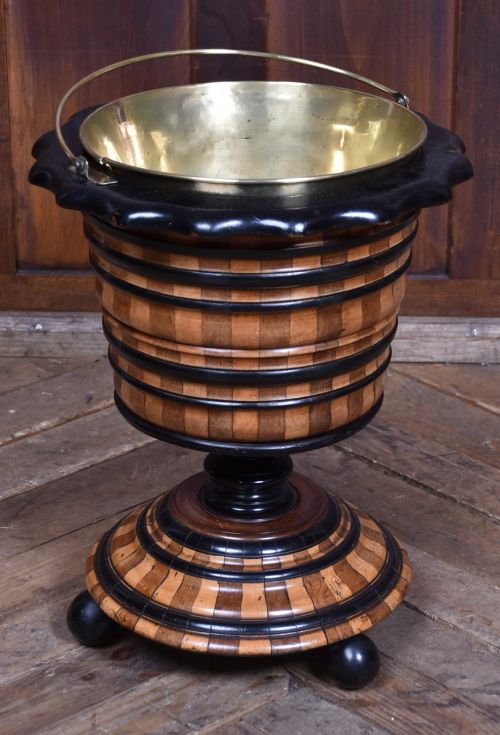
Regional diversity shapes the selection, ranging from Dutch coopered wood and brass designs to Anglo-Indian engraved cachepots and French Napoleon III stands. Buyers encounter everything from utilitarian garden watering cans to ornate, decorative objects intended for grand drawing rooms.
Materials and construction methods
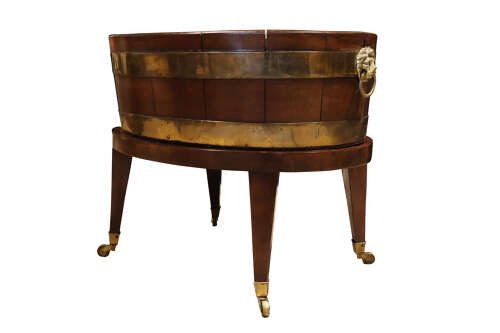
Metalworking techniques dictate the build of these vessels, combining sheet brass and copper with structural elements of mahogany, walnut, ebonised wood, and oak. Coopered staves bound with brass bands sit alongside heavy cast bronze, ormolu, and pressed sheet metal components.
Hand-engraving, riveting, and inlaid marquetry frequently adorn the surfaces, showing the labour of period artisans. Internal zinc linings and applied shields or plaques complete the construction of these robust decorative containers.
19th Century Brass Planter Retail Price Guide 2026
Typical asking prices for 19th century brass planter among the pieces listed under this phrase on Sellingantiques today, from the lower quarter to the upper quarter. They describe what is for sale here now, not the wider market.
Gardeners of the past watered their indoor ferns using heavy brass watering cans shaped with elegant spouts and swing handles.
Evaluating craftsmanship and condition
Quality rests upon the weight of the metal, the precision of the joinery in coopered wooden bodies, and the crispness of surface hand-engraving or cast ornamentation. Superior examples maintain original linings, sturdy handles, and intact stands without compromising structural integrity.
Patina and surface wear distinguish genuine period pieces from later adaptions, with deep, unpolished warmth preferred over harsh modern cleaning. The refinement of decorative additions, such as ormolu mounts, painted porcelain plaques, or marquetry inlay, separates standard utility items from high-status salon pieces.
The 19th Century Brass Planter Glossary
- Jardiniere
- A large ornamental pot or stand for holding flowers or plants. These vessels often sit on floor stands or furniture tops.
- Cachepot
- An ornamental pot used to conceal an unadorned flowerpot. The term translates from French as hiding pot.
- Coopered
- Made by assembling curved wooden staves bound together with metal hoops. This technique traditionally formed buckets, tubs, and wine coolers.
- Ormolu
- Gilded bronze used for decorative mounts on furniture and vessels. The technique involves applying a finely ground gold-mercury amalgam to bronze.
- Teestoof
- A traditional Dutch warming vessel or footstove containing a metal liner for hot embers. These occasionally double in function within historical interiors.
19th Century Brass Planter: Frequently Asked Questions
How were these brass vessels originally used?
These vessels served diverse domestic purposes, functioning as plant holders, indoor garden planters, wine coolers, and log bins. Their waterproof liners allowed them to hold damp soil or ice for cooling bottles.
In wealthier households, they occupied prominent positions in drawing rooms and dining areas. Many doubled as decorative ornaments or grand tour souvenirs.
Can I plant directly into a vintage planter?
Direct planting risks corrosion and water damage to antique metal and wooden structures. Most period pieces rely on removable metal liners to contain soil and moisture.
Using a modern nursery pot inside the original liner or protective insert preserves the antique vessel. This method allows for easy watering and plant rotation without stressing the historic material.
How do I clean and maintain antique brass?
Maintenance requires minimal intervention to preserve the historic patina and surface warmth accumulated over centuries. Dusting with a soft, dry cloth prevents grime buildup.
Aggressive metal polishes strip away the aged surface character that collectors value. If cleaning is necessary, mild soap and water applied sparingly work best.
What is the difference between a jardiniere and a cachepot?
A jardiniere typically refers to a larger, standalone ornamental vessel designed to hold multiple plants or floral arrangements. They frequently feature pedestals, stands, or substantial handles.
A cachepot is generally smaller and acts strictly as an outer sleeve to hide a plain plant pot. Both terms overlap frequently in antique descriptions.