
19th Century Brackets
When you search for 19th century brackets, you find architectural ledges and timepieces designed to project from walls or anchor furniture.
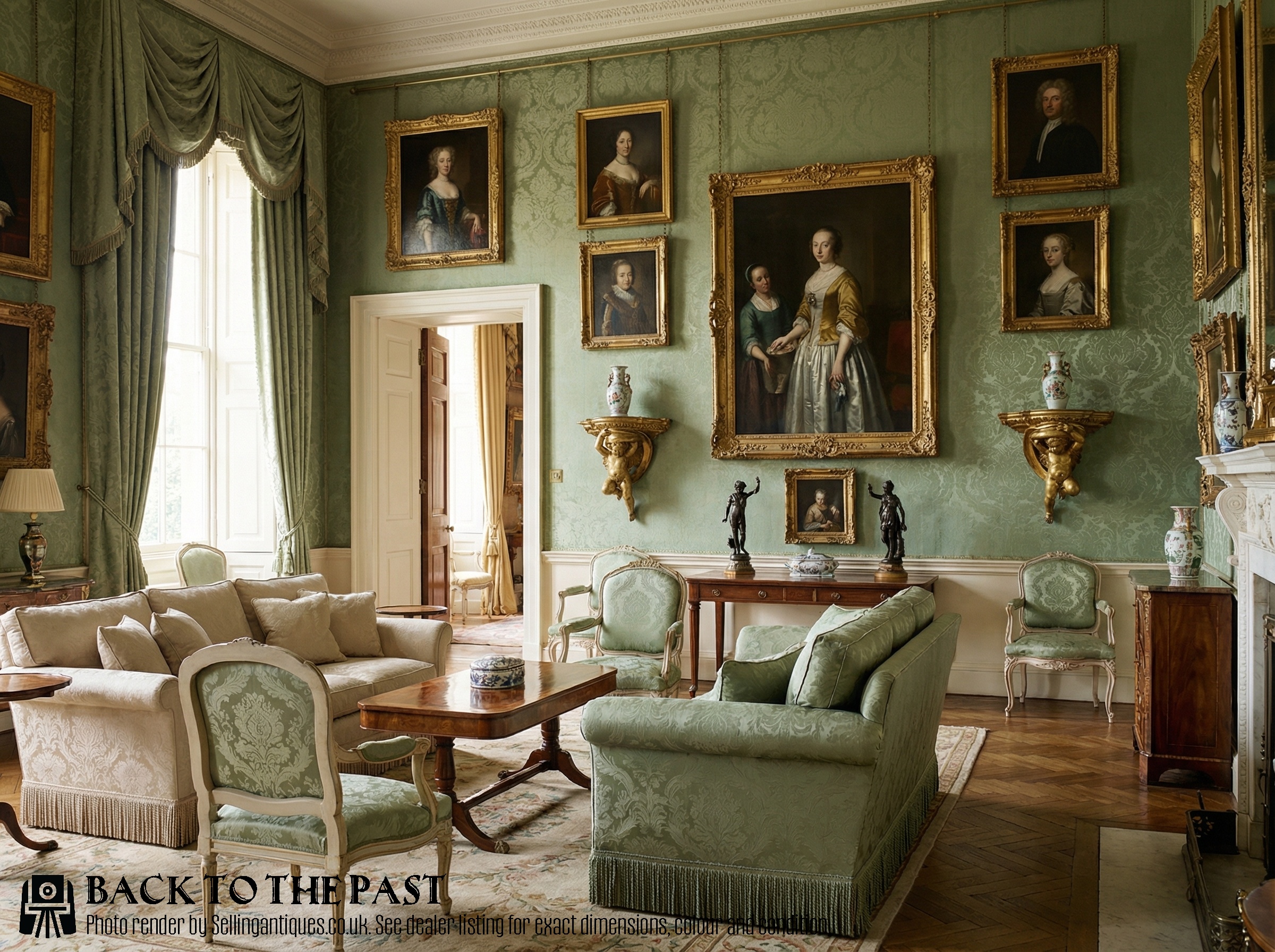
19th Century Brackets
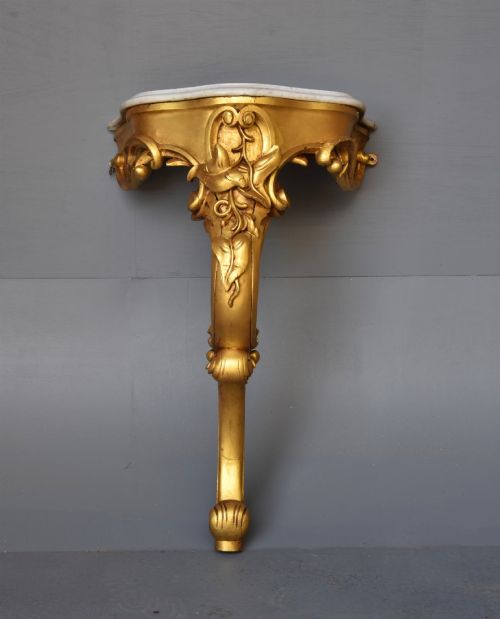
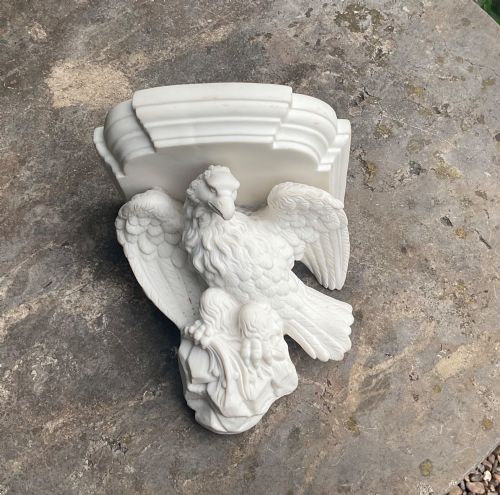
The phrase 19th century brackets encompasses architectural wall ledges carved from wood or cast in terracotta, alongside bracket clocks designed for table or wall placement. Wall fixtures frequently appear as matched pairs carved with eagles, putti, or foliate scrolls.
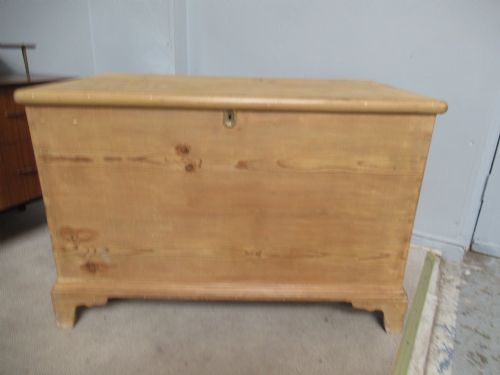
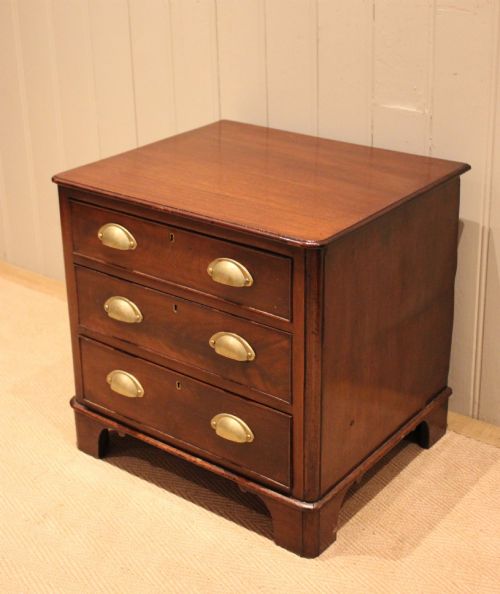
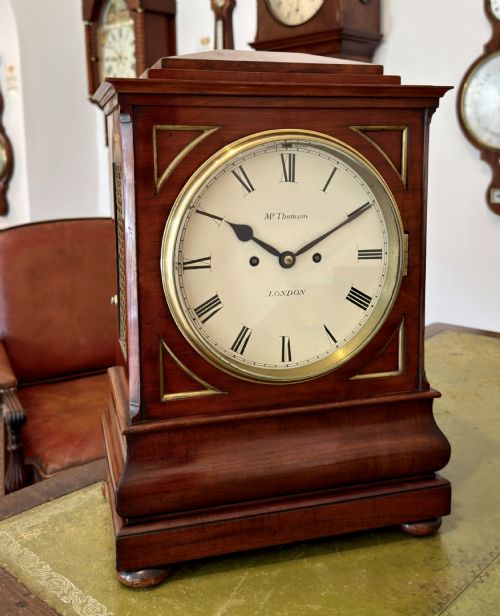
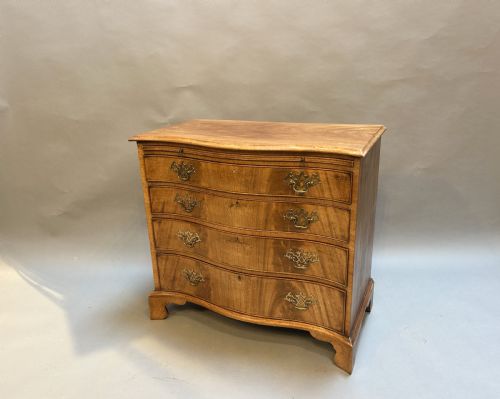
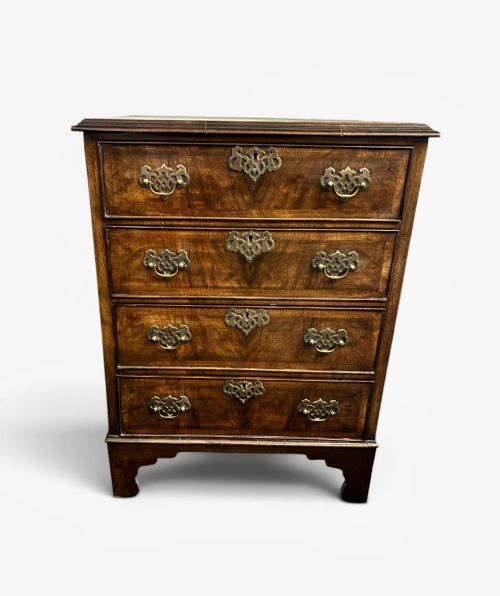
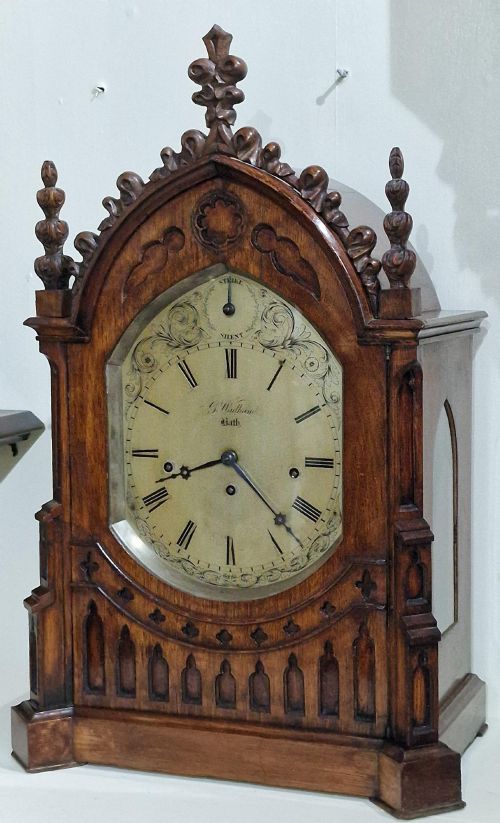
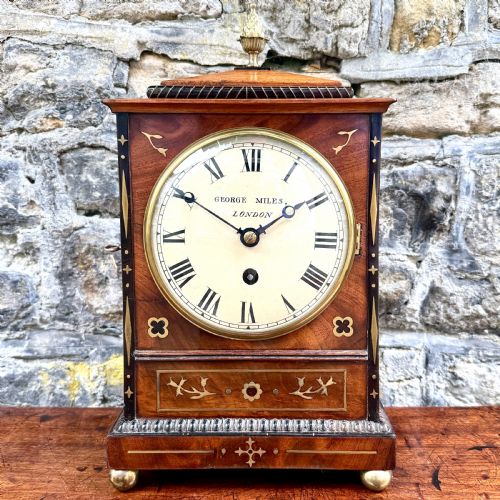
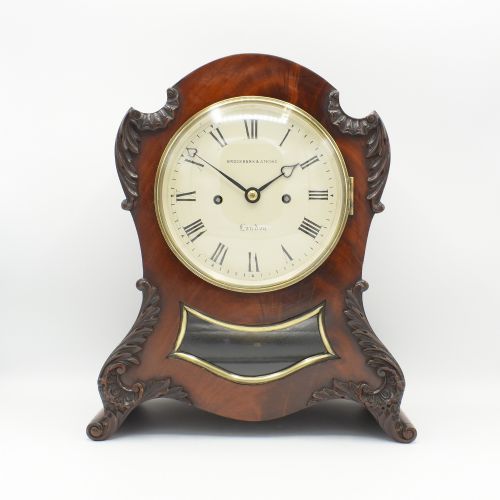
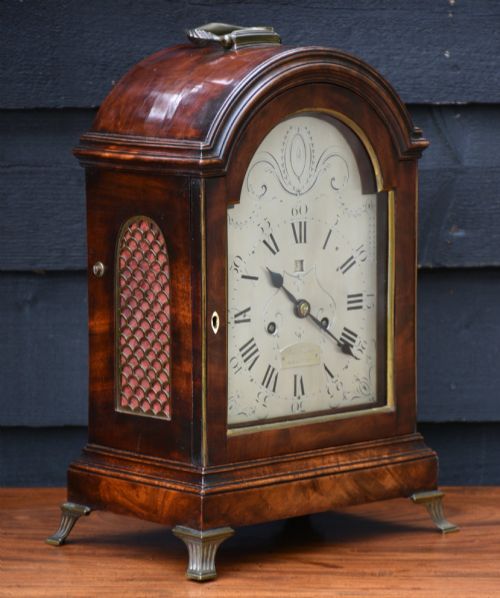
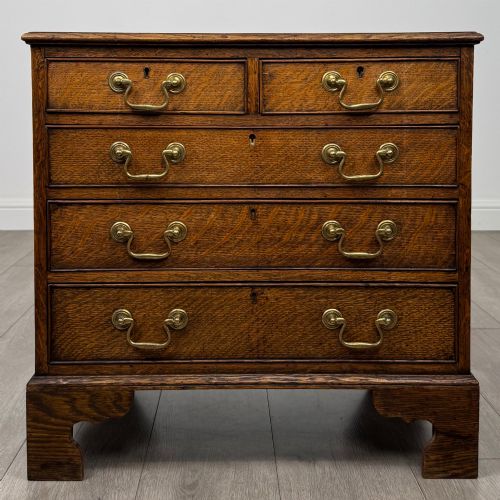
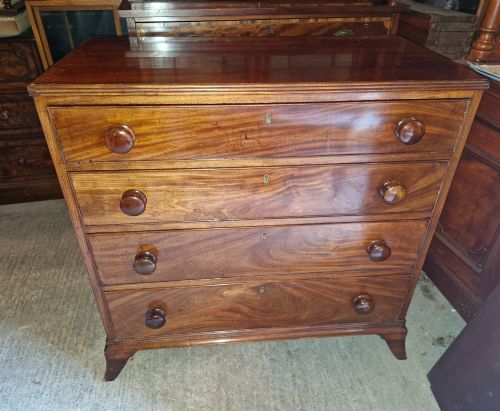
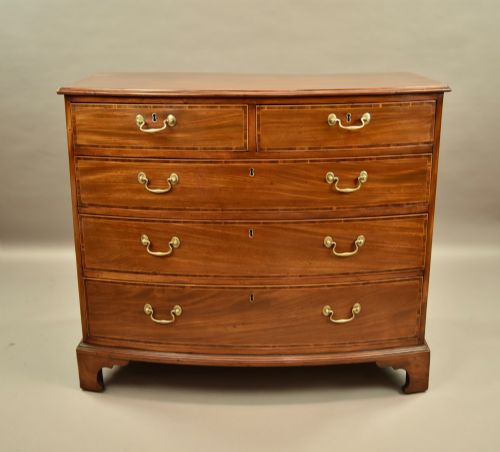
Timepieces bearing this description range from early Regency mahogany examples to later Victorian fusee movements housed in classical cases. Buyers also encounter furniture components, specifically bracket feet supporting chests of drawers, and small wall consoles.
Origins span English workshops, French ateliers, and Italian carvers, with styles shifting from Georgian severity through Rococo Revival exuberance to late Victorian dark woods.
Materials and construction
Carved timber forms the basis of most wall supports, utilising dense hardwoods like oak, walnut, and mahogany, as well as softer pines finished with gesso and gilt. Gilding techniques applied gold leaf over prepared plaster grounds on carved wood surfaces.
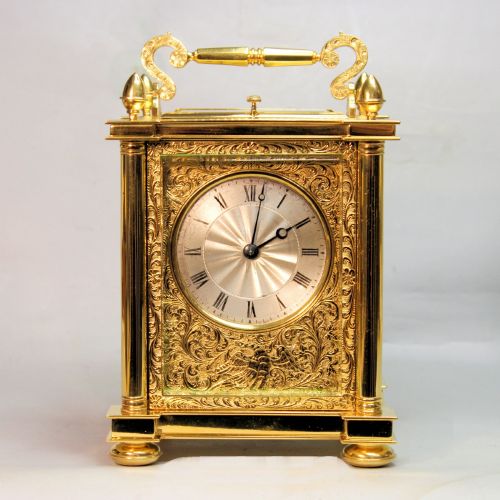
Horological pieces combine heavy brass movements with fitted wooden cases, occasionally incorporating ormolu mounts, tortoiseshell finishes, or Boulle marquetry in tortoiseshell and brass.
Architectural and decorative elements rely on hand-carving by skilled artisans, evident in the detailed feather work on wooden eagles and the deep relief of Italian wall consoles.
Late nineteenth-century Black Forest carvers immortalised moody forest spirits into solid oak wall brackets, ensuring your hallway is watched by permanent wooden satyrs.
Distinctions in quality
Depth and crispness of hand-carving separate standard utility pieces from exceptional decorative examples, particularly on gilded wood and carved animal figures where feather and foliage details define the artisan's skill.
Horological items depend on the complexity and preservation of their mechanical movements, such as twin or triple fusee systems built by notable London and provincial clockmakers.
Original surface finishes, including untouched gilding and aged patination on mahogany and oak, preserve the historical integrity of the piece far better than later interventions.
Thomson of London·Cousens & Whiteside·George Wadham·Brockbanks & Atkins·Barber & North·Thomas Jackson·George Orpwood·L. Vick·Webster Cornhill London·Spurge Dunmow·Schneckenburger·Mappin & Webb
The 19th Century Brackets Glossary
- Fusee
- A conical pulley used in clockmaking to maintain even tension on the mainspring as it unwinds. This mechanism improves timekeeping accuracy across the duration of the wind.
- Gesso
- A plaster mixture applied to wood surfaces as a smooth base for gilding or painting. It allows intricate relief ornamentation to be moulded onto architectural fittings.
- Ormolu
- Gilded bronze ornamentation applied to furniture and clock cases during the eighteenth and nineteenth centuries. The technique involves mercury amalgamation to bond gold to a bronze base.
- Bracket foot
- A furniture foot shaped like a bracket, supporting the corners of chests of drawers and cabinets. They evolved from plain forms to elaborate ogee and scrolled profiles.
- Boulle
- Marquetry technique utilising brass and tortoiseshell inlaid in counterpoint patterns. Named after French cabinetmaker André-Charles Boulle, it gained popularity in nineteenth-century revival clocks.
19th Century Brackets: Frequently Asked Questions
What is a bracket clock?
A bracket clock is a portable timepiece originally designed to sit on a wall bracket or a tabletop. These mechanical clocks usually feature heavy brass movements driven by springs rather than hanging weights.
Many nineteenth-century examples include striking mechanisms and are housed in architectural mahogany, rosewood, or Boulle cases built by specialist horologists.
How were wall brackets used?
Wall brackets served as decorative structural ledges to display small sculptures, porcelain, or lighting fixtures in period interiors. Frequently carved as matched pairs, they were positioned symmetrically within reception rooms.
Common motifs included carved eagles, mythological figures, and scrolling foliage finished in gold leaf, walnut, or ebonised wood.
How do I identify Regency pieces?
Regency items display classical restraint, clean architectural lines, and a preference for dark mahogany veneers or giltwood surfaces. Clock dials from this era often feature crisp black numerals and brass bezel surrounds.
Carved details on Regency wall brackets tend to reference classical antiquity, drawing inspiration from Greek and Roman architectural forms.
How should I care for gilded wood?
Gilded gesso surfaces require gentle dusting with a soft, dry brush to prevent damage to the delicate metallic leaf. Avoid moisture and chemical cleaning products entirely, as liquids strip the historic surface.
Keep wooden brackets away from direct sunlight and severe temperature fluctuations to prevent the underlying timber and gesso from cracking.