
19th Century Botanical Painting
19th century botanical painting covers delicate works on paper and canvas depicting flowers, fruit and foliage from the period.
19th Century Botanical Painting
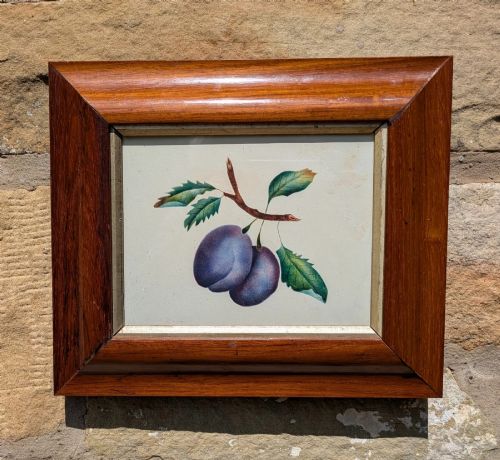
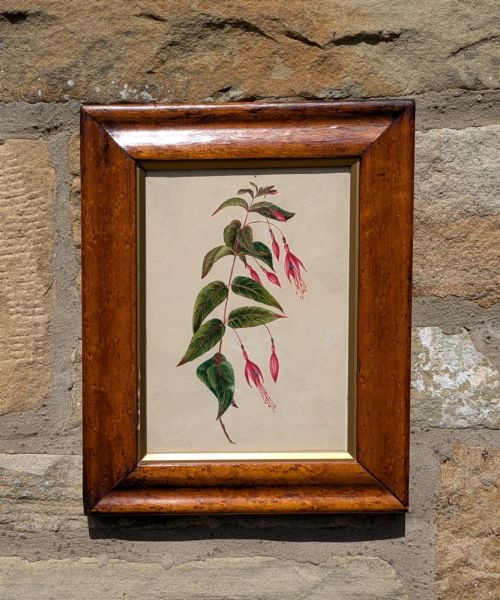
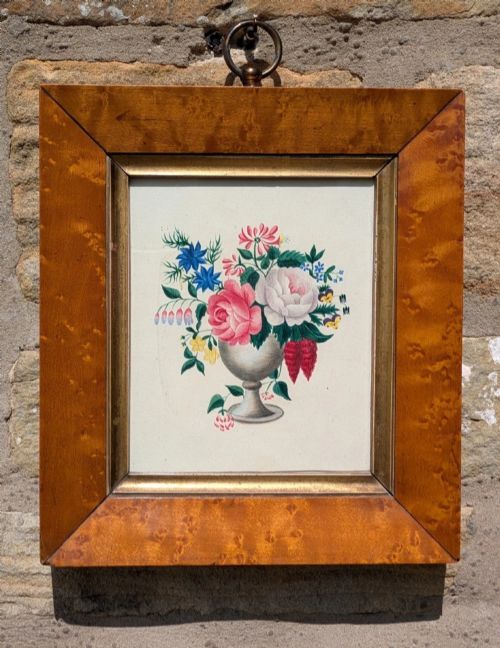
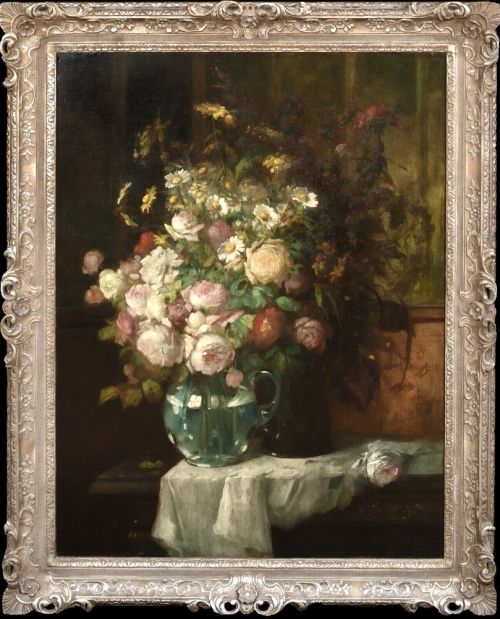
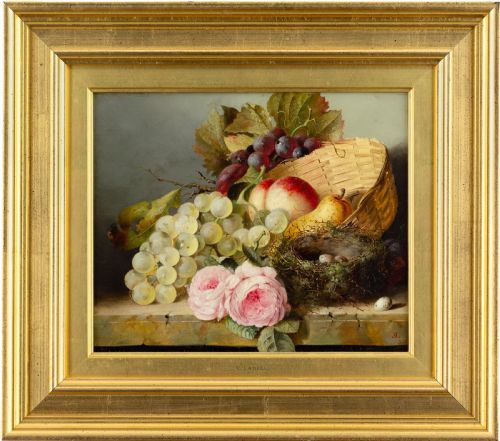
A 19th century botanical painting brings together detailed studies of flora executed across the Georgian, Regency and Victorian eras. These works range from precise watercolour and gouache studies on paper to oil paintings on canvas depicting garden flowers and wild specimens.
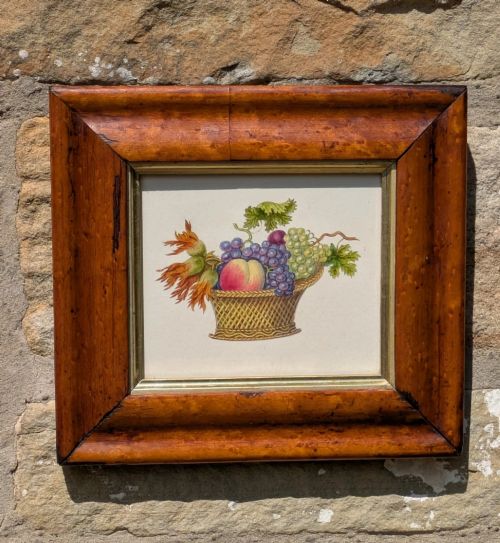
Buyers searching for 19th century botanical painting encounter individual watercolours, framed sets of studies, and oil paintings created by regional artists and named hands. The visual record spans simple floral portraits to elaborate still life arrangements framed in period wood or gesso.
Materials and Technique
Artists relied primarily on watercolour, gouache and pencil on paper, alongside oil paint on canvas or panel. Many works incorporate fine details rendered with precise brushwork to capture the exact structure of petals and leaves.
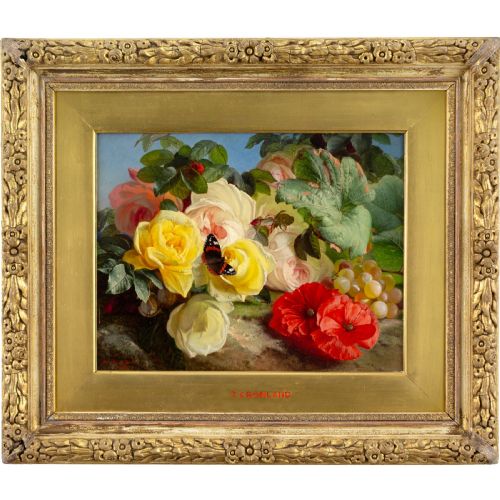
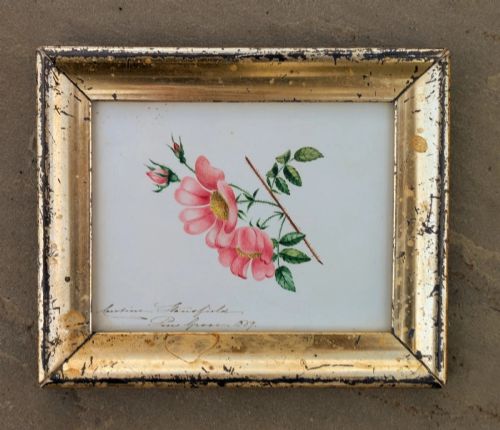
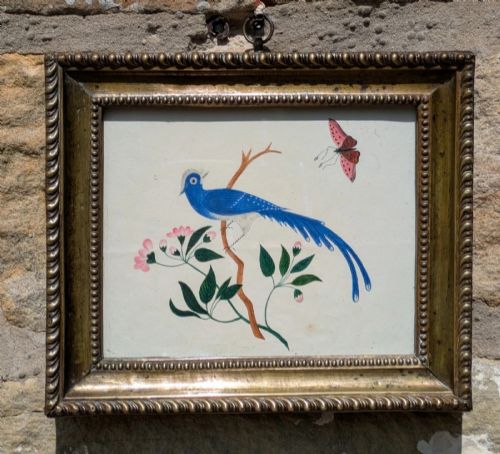
Mounting and framing played a significant role in presentation, utilising rosewood frames, decorative gesso, and gold leaf highlights to protect and elevate the painted surface.
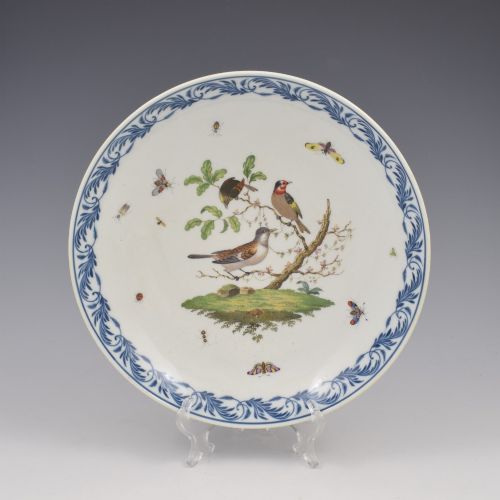
Several botanical studies include wandering caterpillars and butterflies sharing the page with roses and poppies.
Judging Quality
Quality rests in the precision of the draughtsmanship and the botanical accuracy of the rendered subject matter. Skilled works display careful attention to light, shadow and colour graduation within the floral elements.
The integrity of the original period frame and the condition of the paper or canvas influence the overall standing of an individual piece.
Theude Grönland·Edward Ladell·Edwin Steele·Moses Webster·John Sherrin·Henrietta Creswell
The 19th Century Botanical Painting Glossary
- Gouache
- An opaque water-based medium often combined with watercolour in botanical studies to build dense areas of colour and highlight petal edges.
- Regency
- A stylistic period spanning the early decades of the 19th century, known for refined decorative arts and naturalistic illustration.
- Victorian
- The period of the mid to late 19th century encompassing diverse artistic movements from realism to ornate revival styles.
- Gesso
- A plaster-based material applied to wood frames and moulded into decorative patterns before gilding.
19th Century Botanical Painting: Frequently Asked Questions
What defines a 19th century botanical painting?
These works are artistic representations of plants, flowers and fruit created during the 1800s for scientific record, education or decorative display.
They capture the era's fascination with natural history through detailed observation and precise media application.
How were these paintings displayed?
Period pieces were typically housed behind glass in timber frames, such as rosewood, or mounted with gilt accents.
Many survived within bound folios or as individual framed artworks intended for domestic wall display.
How do I care for a watercolour painting?
Watercolour and gouache on paper require protection from direct sunlight to prevent the fading of natural pigments.
Maintaining stable humidity levels prevents damage to the paper support and the historic frame.