
Original Botanical Artwork
Original botanical artwork brings the precision of natural study and the warmth of floral subjects directly into a room.
Original Botanical Artwork
Original botanical artwork encompasses hand-painted depictions of plants, flowers, and natural subjects created across the nineteenth and twentieth centuries. When searching for original botanical artwork, buyers encounter detailed watercolours, oils on canvas or board, and delicate pencil drawings.
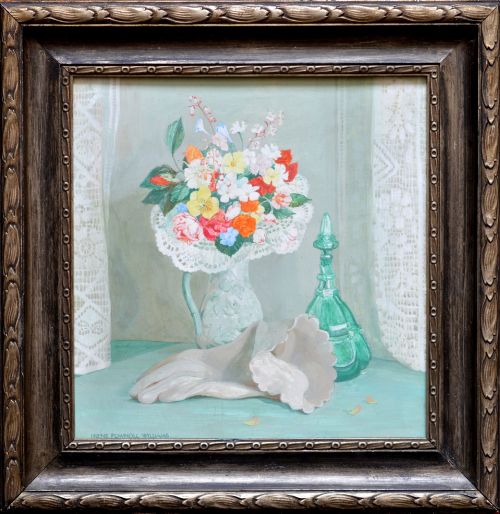
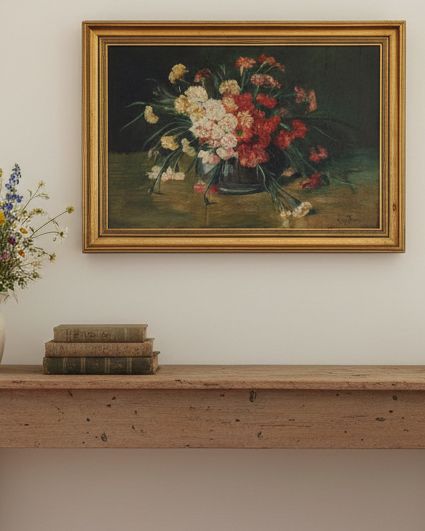
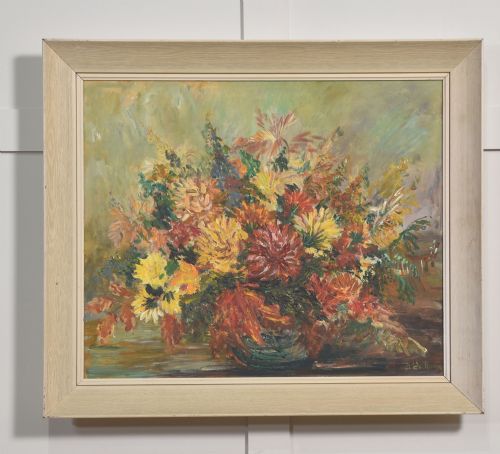
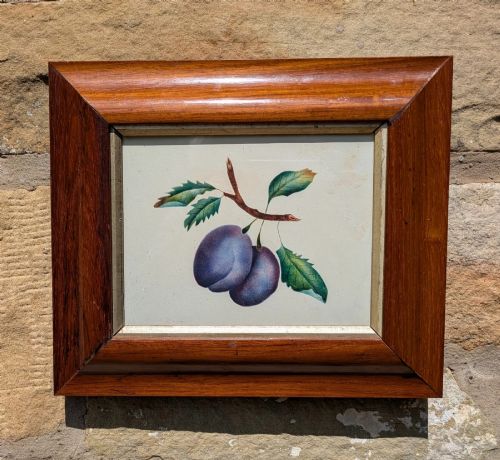
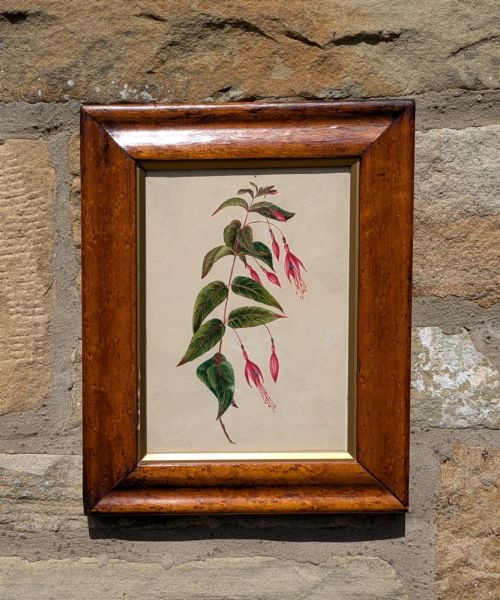
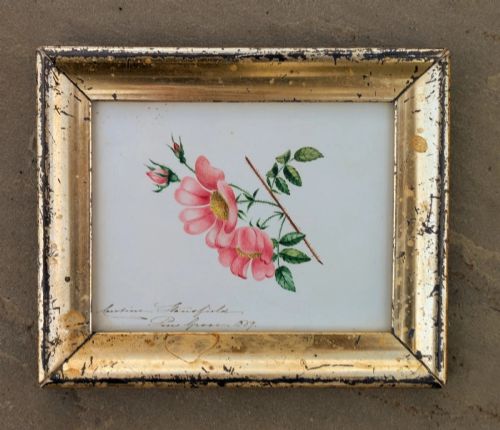
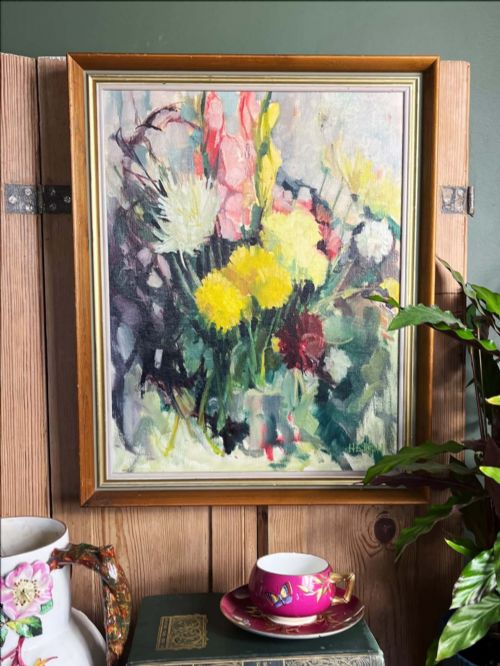
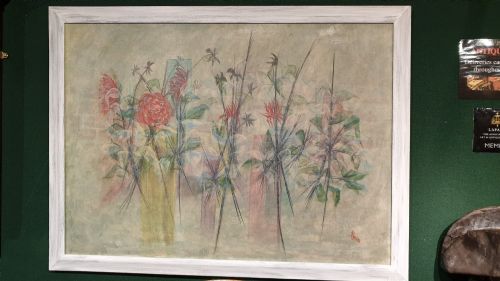
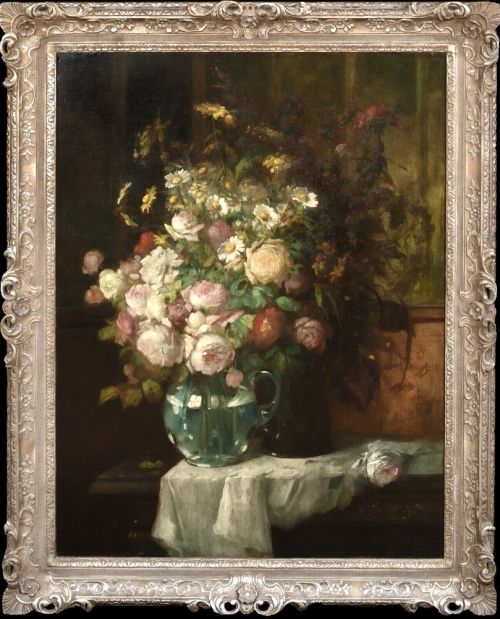
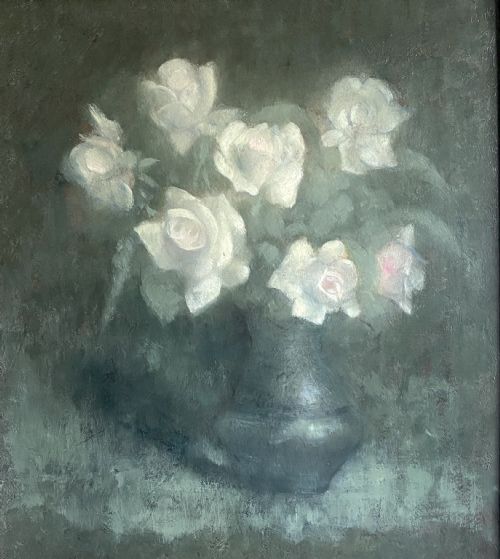
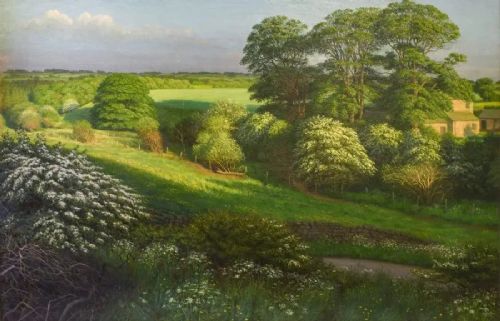
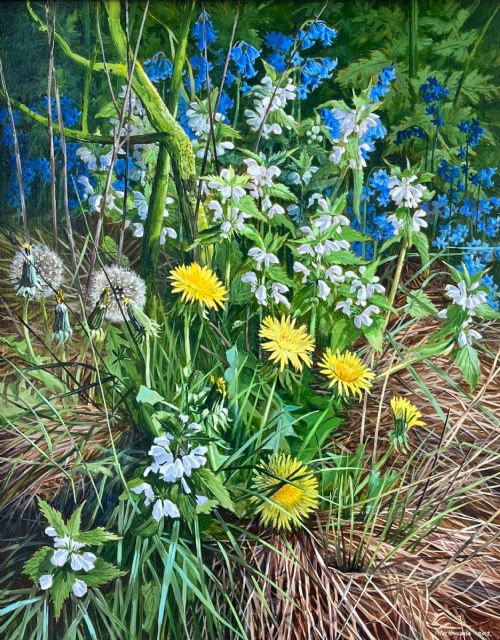
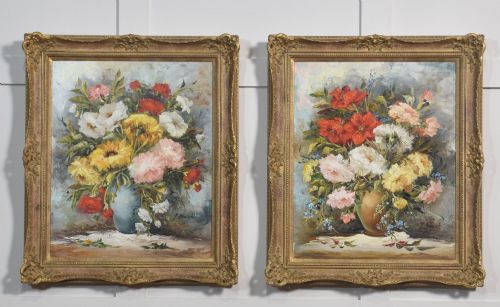
The selections span distinct historical movements, from Victorian watercolours housed in rosewood frames to mid-century impressionist oil paintings. Pieces range from intimate studies of wild roses and fuschias to large-scale canvasses of floral displays in jugs.
Nineteenth-century examples lean towards natural history illustration and Victorian botanical precision, while later twentieth-century works embrace impressionist brushwork and modernist compositions.
How they were made
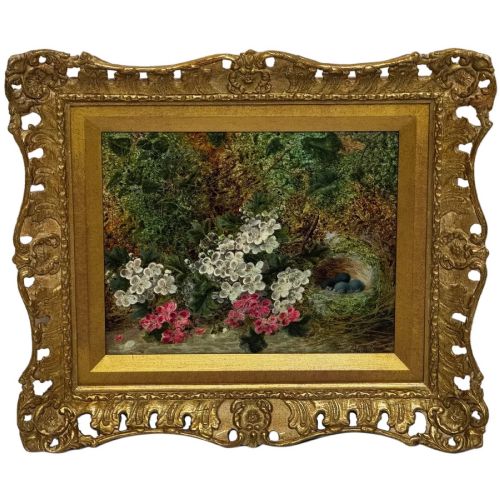
Artists worked primarily on paper, canvas, panel, or board, applying watercolour, oil paint, tempera, or pencil to capture botanical subjects. Watercolour pigments demand exact brush control on paper to render the delicate details of petals, stems, and bird nests.
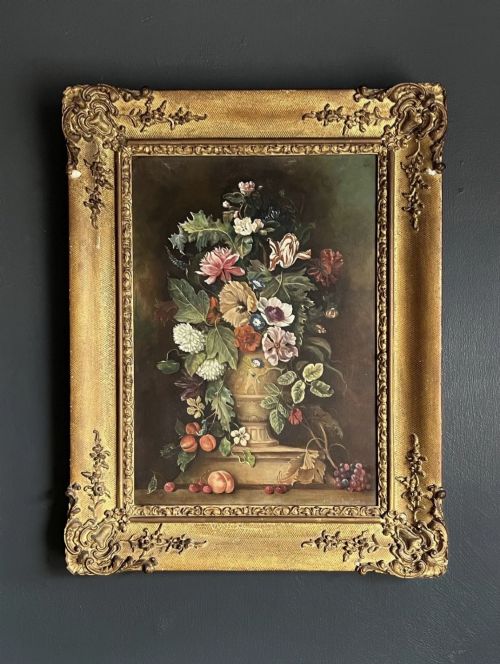
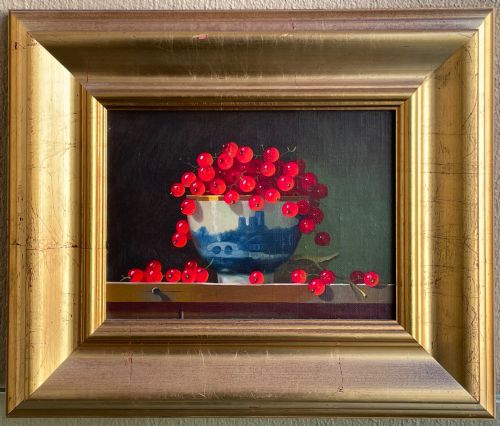
Oil paint applied to canvas or wood panel allowed painters to build rich textures and deep colour relationships, particularly in floral still life arrangements. Frames made from wood, gilt gesso, or rosewood often complement the period aesthetic of the paintings.
The selection includes works spanning the nineteenth century through the 1960s, employing canvas, paper, wood, oil paint, and watercolour.
What varies in quality
The quality of these works rests upon the draughtsmanship and the artist's ability to capture light and botanical structure convincingly. A superior watercolour displays disciplined control of washes and pigment density, whereas a stronger oil painting reveals confident handling of tone and composition.
Context matters significantly, with named artists from established periods commanding greater interest for their recorded exhibition history and stylistic execution. The preservation of the medium, the harmony of the framing, and the vitality of the brushwork differentiate everyday decorative studies from exceptional fine art pieces.
Oliver Clare·Konstantin Stoitzner·John Sherrin·James Tower·Owen Bowen
The Original Botanical Artwork Glossary
- Watercolour
- A paint consisting of colour suspended in a water-soluble vehicle, traditionally applied to paper for botanical studies. It allows for translucent washes that mimic the delicate qualities of petals and leaves.
- Gilt gesso
- A plaster-like material applied to wooden picture frames, then smoothed and gilded with metal leaf. This technique provides an ornate, reflective border popular in nineteenth and early twentieth-century framing.
- Impressionism
- A style of painting emphasising spontaneous brushstrokes and the shifting effects of light rather than precise detail. In floral works, this approach translates to looser renderings of gardens and cut arrangements.
- Tempera
- A permanent, fast-drying painting medium consisting of coloured pigment mixed with a water-soluble binder such as egg yolk. It creates a flat, matte surface suited to precise panel paintings.
Original Botanical Artwork: Frequently Asked Questions
How do I care for antique watercolours?
Keep watercolours away from direct sunlight to prevent the pigments from fading over time. Framing them behind conservation glass provides an additional safeguard against moisture and atmospheric damage.
Ensure they hang in rooms with stable humidity levels to protect both the paper support and the surrounding period frame.
What is the difference between oil and watercolour botanical pieces?
Watercolour works typically offer a lighter, more transparent depiction of plants on paper, often reflecting traditional scientific study. Oil paintings utilise heavier pigments on canvas or board, allowing for textured, layered compositions.
Oils usually require sturdier framing, whereas watercolours rely on mats and glass for physical protection.
How can I tell a Victorian botanical piece apart from a mid-century one?
Victorian examples generally show tight botanical accuracy and meticulous detail, frequently executed in watercolour or detailed oil. Mid-century works often adopt impressionist techniques with looser brushwork and bolder use of colour.
The framing materials and paper characteristics also offer clues to the decade of creation.
Where were these floral paintings displayed historically?
Botanical watercolours and oils were traditionally hung in domestic drawing rooms, studies, and conservatories. They reflected a Victorian and Edwardian fascination with natural history, gardening, and botany.
Larger floral still lifes served as decorative centrepieces for dining spaces and formal reception rooms.