
19th Century Blue Vase
A 19th century blue vase brings depth of colour and historical variety to a room, ranging from delicate European porcelain to robust East Asian ceramics.
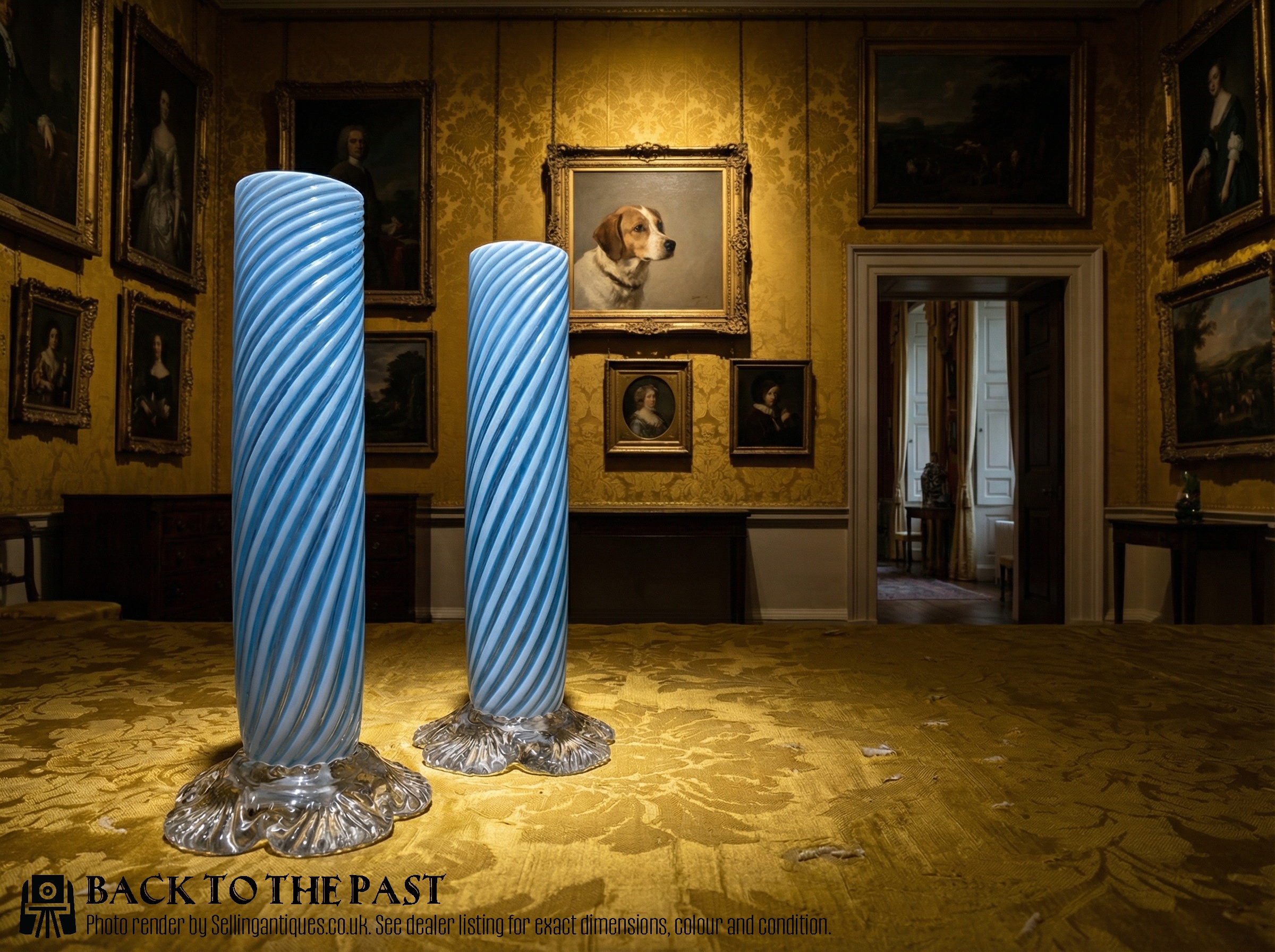
19th Century Blue Vase
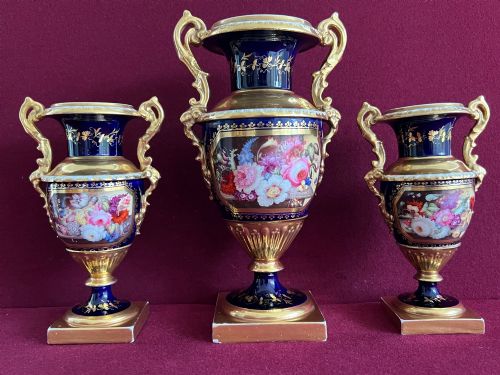
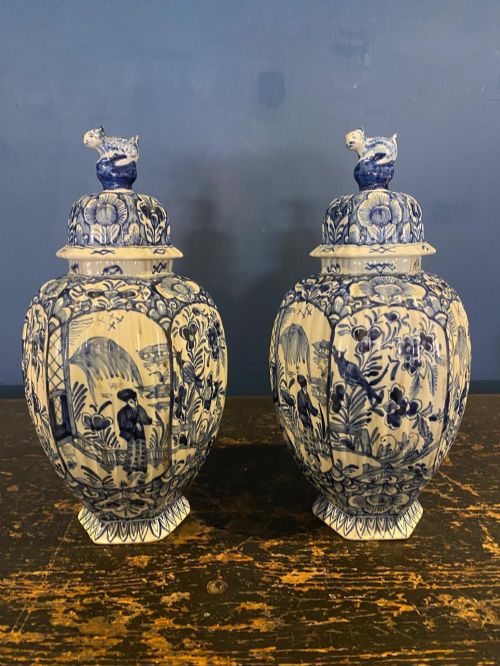
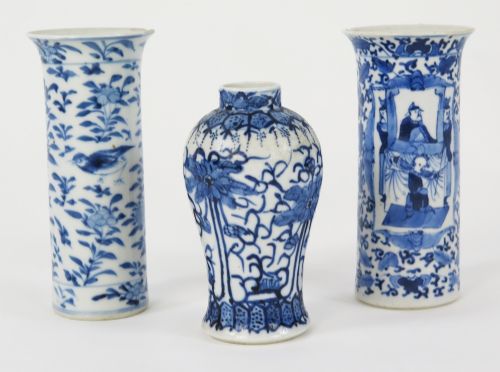
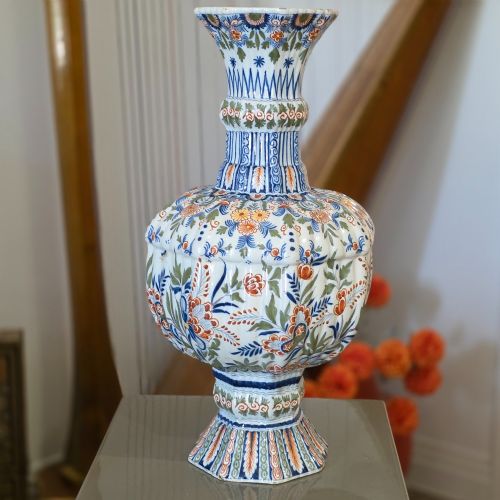
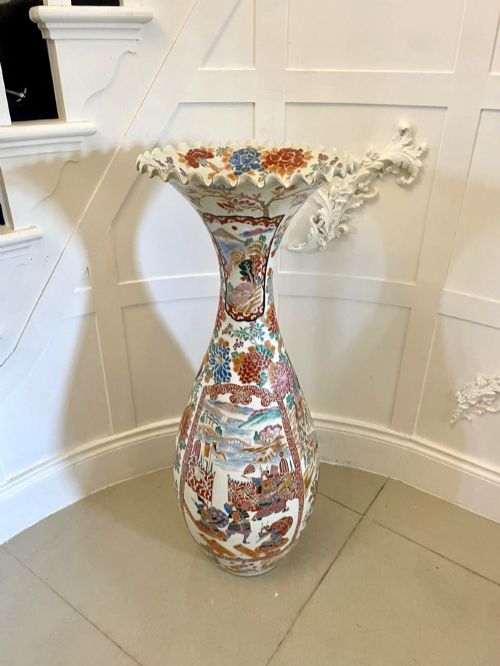
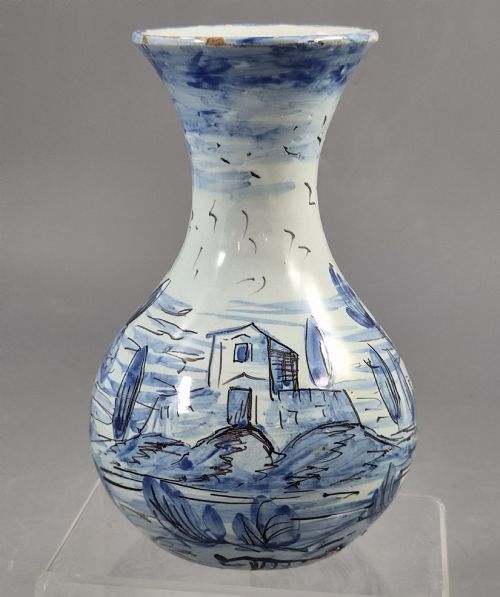
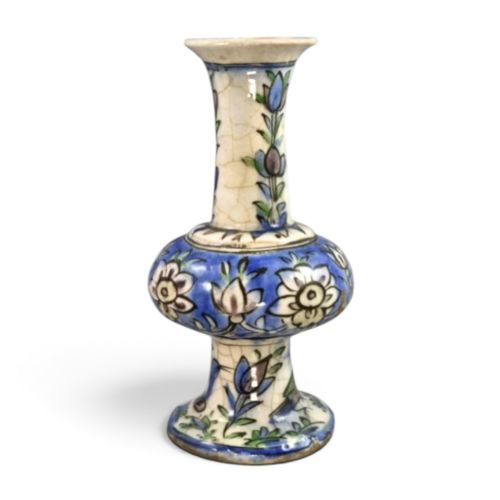
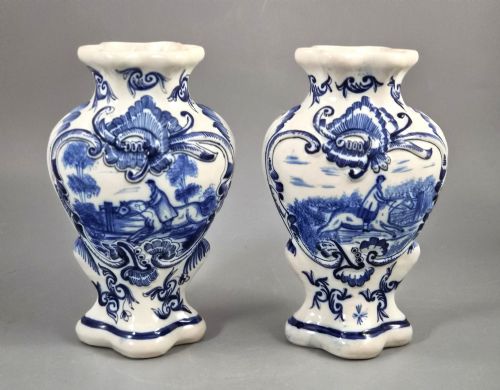
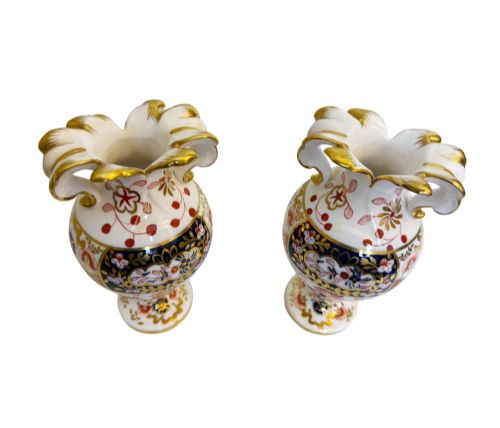
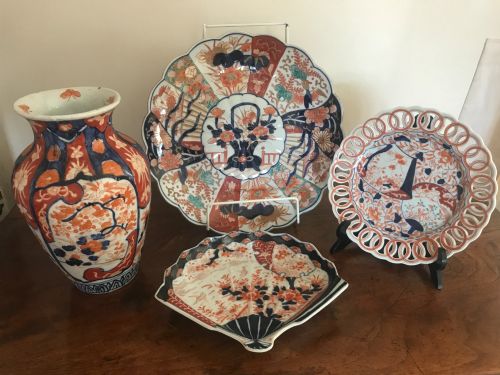
When searching for a 19th century blue vase, buyers encounter a broad array of decorative ceramics, porcelain, earthenware, and glass vessels created across Europe and Asia. The selection includes Chinese blue and white ginger jars and baluster vases, Japanese Imari porcelain, and Dutch Delft pieces.
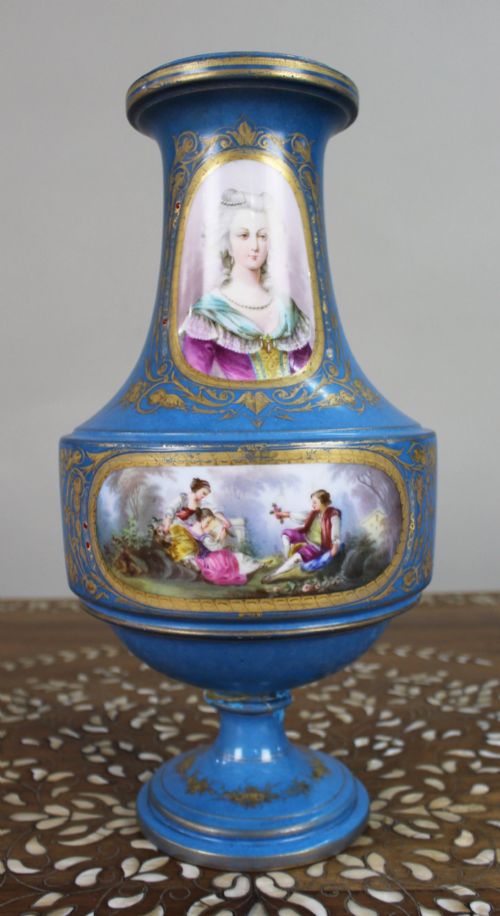
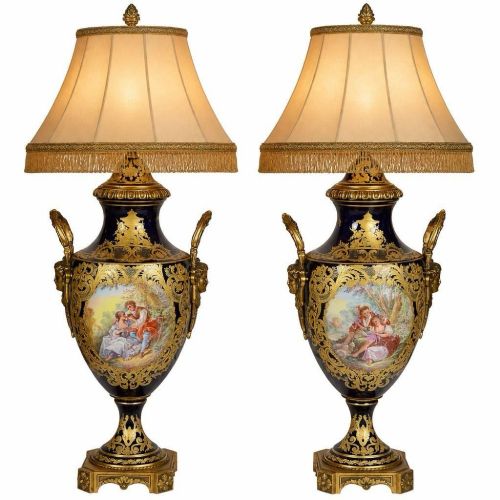
European makers contributed significantly to the period's output through Sèvres-style bleu céleste porcelain, English wares from factories like Spode and Derby, and Italian maiolica. Many of these ceramic and glass objects were later adapted into table lamps during or after their period of origin.
The physical scale spans from compact cabinet bud vases to monumental floor-standing palace urns and umbrella stands. Forms encompass double gourd shapes, campana urns, and wide rim vessels decorated with cobalt blue pigments, glazes, and enamels.
How They Were Made
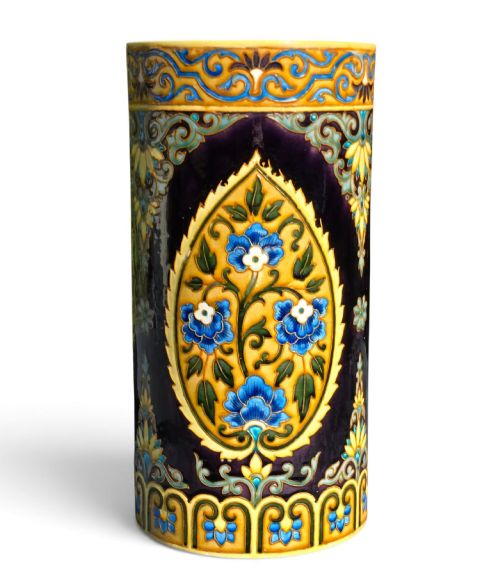
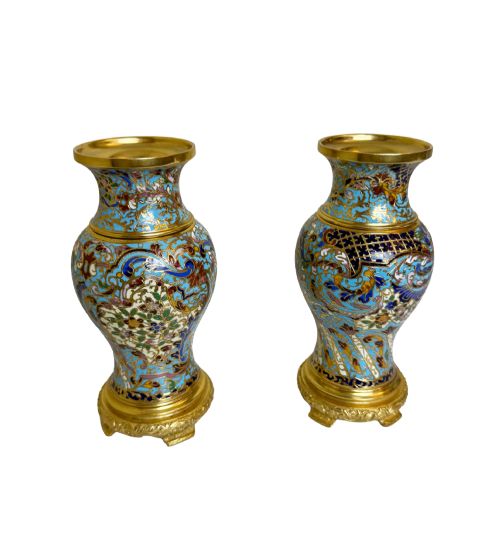
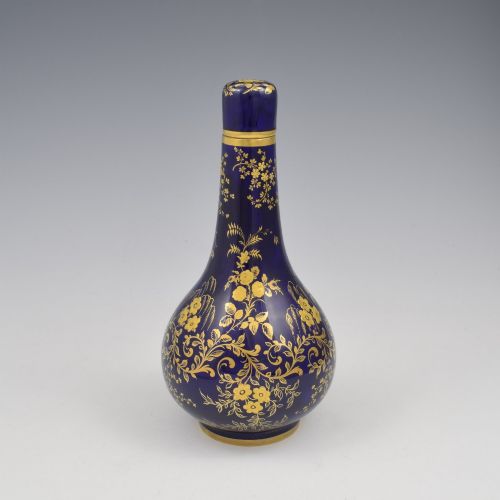
Makers utilised high-fired porcelain, earthenware, and glass as foundations, applying cobalt blue pigments under or over the glaze to achieve rich tonal depths. Artisans frequently integrated metallic additions such as gilt bronze mounts, champlevé enamel, and gold leaf detailing into the finished ceramic bodies.
Techniques varied by region, combining traditional Chinese and Japanese potting methods with European manufacturing processes developed in French, English, and Dutch kilns. Hand-painting remained central to the decoration, whether depicting intricate floral panels on Imari wares or soft monochrome glazes on Sèvres-style porcelain.
Listings feature 19th century blue vase examples spanning European porcelain, Japanese Imari, Dutch Delft, and Chinese blue and white ceramics.
What Varies in Quality
Quality rests upon the crispness of the hand-painted decoration, the purity of the ceramic body or glass ground, and the precision of any applied bronze or ormolu mounts. Finer examples display deliberate brushwork and well-balanced proportions that mark skilled studio or factory production.
The integration of secondary elements, such as champlevé enamel or gilt trim, distinguishes standard utilitarian output from exhibition pieces. Superior items maintain integrity between the primary ceramic vessel and its decorative hardware over time.
Théodore Deck·Fourmaintraux-Courquin·Spode·Coalport·Samson Paris·Stevenson and Hancock
The 19th Century Blue Vase Glossary
- Bleu céleste
- A bright sky-blue porcelain glaze famously associated with the Sèvres factory in France. This vivid colour became widely imitated by later European potteries throughout the nineteenth century.
- Imari
- Japanese porcelain decorated in underglaze blue, iron red, and gold, typically featuring complex floral and panel designs. The style was heavily exported and replicated by Western makers.
- Maiolica
- Tin-glazed earthenware produced in Italy and other European centres, known for colourful or blue-and-white painted surfaces. It draws upon historical pottery traditions dating back to the Renaissance.
- Champlevé
- An enamelling technique where troughs are carved into a metal surface and filled with vitreous enamel powder before firing. This method frequently appears on the bronze mounts of nineteenth-century decorative vases.
- Baluster
- A vase form characterised by a curved lower body that tapers towards a narrow neck, resembling an architectural baluster. It serves as a standard silhouette for Chinese and European decorative ceramics.
19th Century Blue Vase: Frequently Asked Questions
How do I identify a Sèvres style vase?
Sèvres style pieces typically feature rich bleu céleste or cobalt grounds accented with gilding and hand-painted reserves. Many items produced outside the French royal factory carry decorative styles rather than authentic marks.
Examining the quality of the porcelain body and the precision of the gilt work helps distinguish genuine nineteenth-century revival pieces from later decorative wares.
Were nineteenth century vases made into lamps?
A significant number of nineteenth-century ceramic and porcelain vessels, particularly Chinese blue and white vases and Dutch Delft pieces, were converted into table lamps. This conversion often occurred during the Victorian period or later to suit modern domestic lighting.
Buyers should inspect whether the conversion was executed cleanly without causing structural damage to the original ceramic body.
What is Japanese Imari porcelain?
Japanese Imari porcelain is characterised by a distinct palette combining underglaze blue, iron red, and gilt highlights over a white ceramic base. Produced extensively during the Meiji period, these vessels frequently display intricate floral and panel motifs.
They were prized in nineteenth-century Europe for their vibrant decoration and sturdy construction.
How do I care for antique glass and porcelain?
Antique porcelain and glass require gentle handling and stable indoor environments away from direct sunlight to preserve surface glazes and gold leaf. Dusting with a soft, dry cloth is usually sufficient for regular maintenance.
Avoid using chemical cleaning agents or submerging pieces with metallic mounts or delicate enamels in water.