




Light Blue Art Glass
Light blue art glass pieces are decorative and functional lighting fixtures and vessels that bring rich colour and period craftsmanship into a room.
Light Blue Art Glass
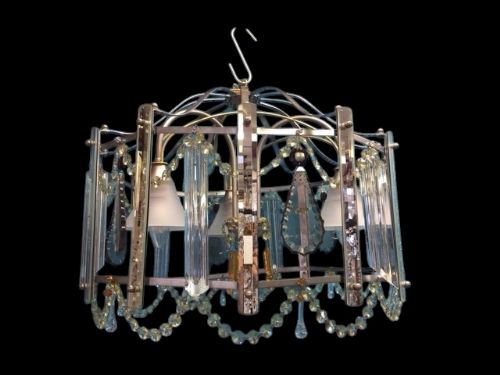
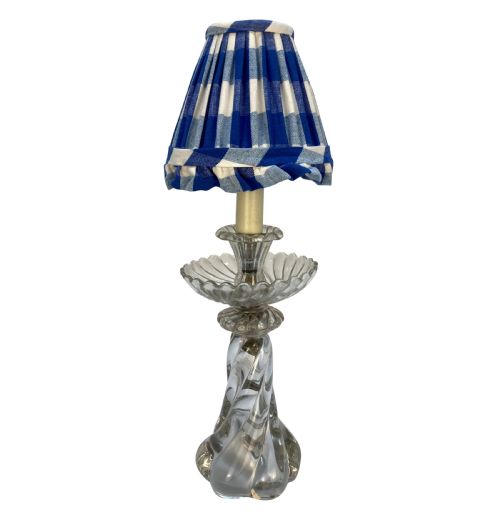
When you search for light blue art glass, you encounter a varied selection of antique lighting and decorative objects spanning the Victorian era through the 1930s. The inventory includes table lamps, pendant lights, wall sconces, vases, and stained glass windows.
The most common forms on this page are lighting fixtures from the 1920s and 1930s, particularly Art Deco desk lamps and ceiling lights. These pieces showcase diverse regional aesthetics, from French neoclassical designs to Dutch folk art.
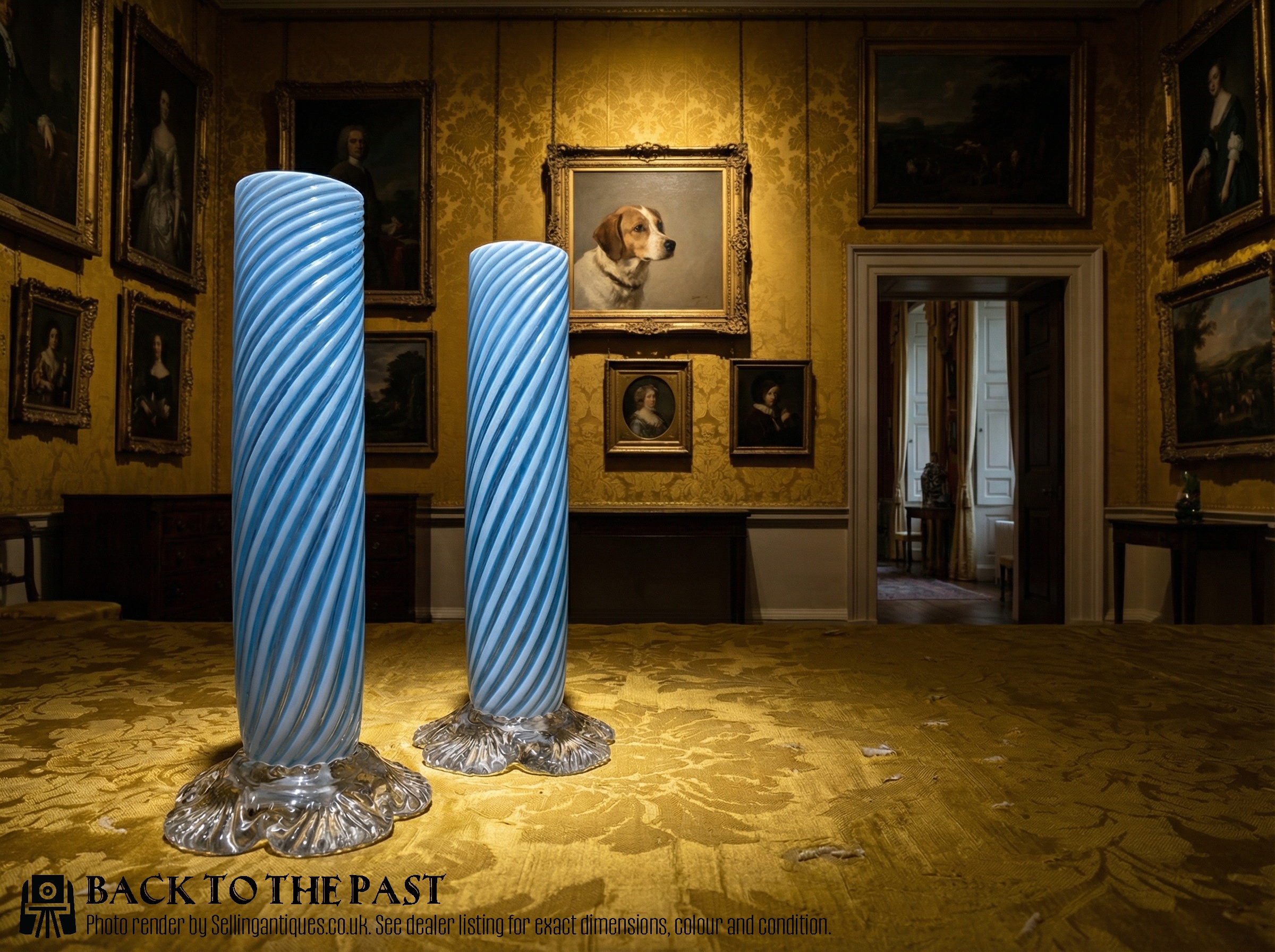
Earlier examples from the Victorian period tend to focus on glassware such as spiral vases, while Edwardian pieces introduce sophisticated metal bases paired with fine glass components. Each object reflects the prevailing design philosophy of its specific decade.
Materials and Construction
Makers shaped these items using coloured glass, crystal, and frosted glass, often combining them with structural elements made from brass, chrome, patinated metal, and lead. The integration of glass with metal frameworks defines the construction of lamps, sconces, and windows.
Techniques range from leaded glass assembly in windows and pendant lamps to moulded and frosted components in figural table lamps. Artisans utilised chrome and brass to create adjustable desk lights and wall lights, ensuring both durability and visual appeal.
A cheerful Dutch boy and glass girl smile through a 1930 leaded window.
Factors of Quality
Quality in these items depends on the refinement of the glasswork and the integrity of the associated metal components. Finer pieces demonstrate superior clarity, rich colour saturation, and precise moulding or leadwork.
The sophistication of the design and the harmony between the glass shade and its metal mount separate standard items from superior examples. Original manufacturer details and successful combinations of chrome, brass, or patinated metal elevate a piece.
Tiffany Studios NYC·Pirouette·Baccarat
The Light Blue Art Glass Glossary
- Art Deco
- A design style popular in the 1920s and 1930s characterised by geometric forms and streamlined shapes. It appears frequently in the ceiling lights and desk lamps of this era.
- Plafonnier
- A ceiling light fixture designed to sit close to or flush against the ceiling surface. These often feature decorative glass bowls or shades.
- Leaded Glass
- Pieces constructed from individual pieces of glass joined together with lead caming. This technique is prominent in windows and large pendant lamps.
- Frosted Glass
- Glass that has been treated to create a textured, opaque surface which diffuses light evenly. It is commonly found on figural table lamps and specialty shades.
- Patinated Metal
- Metal surfaces that have acquired a specific sheen or coloration through age or chemical treatment. This finish adds depth to lamp bases and wall sconces.
Light Blue Art Glass: Frequently Asked Questions
What periods do these pieces come from?
The items span from the Victorian period in the late nineteenth century through the Edwardian era and into the 1930s. The majority originate from the 1920s and 1930s, capturing Arts and Crafts and Art Deco movements.
Earlier nineteenth-century examples focus primarily on decorative glassware like vases, whereas twentieth-century items lean heavily towards functional lighting fixtures.
Where were these glass items made?
The selection includes prominent representation from French workshops and makers, alongside English and Dutch designs. Regional styles vary from French neoclassical lighting to Dutch folk art windows.
Each region applied distinct techniques to glass colouring and metalworking during the manufacturing process.
How should I clean antique glass lamps?
Clean glass components gently with a soft cloth and mild soapy water, avoiding harsh chemical cleaners that might damage frosted surfaces or patinated metal mounts. Dry thoroughly to preserve the finish.
Take care around leaded joints and vintage wiring, consulting a professional electrician for any internal restoration work.