







Antique Floral Base Vase
An antique floral base vase brings botanical ornament and sculptural form together in a single vessel.
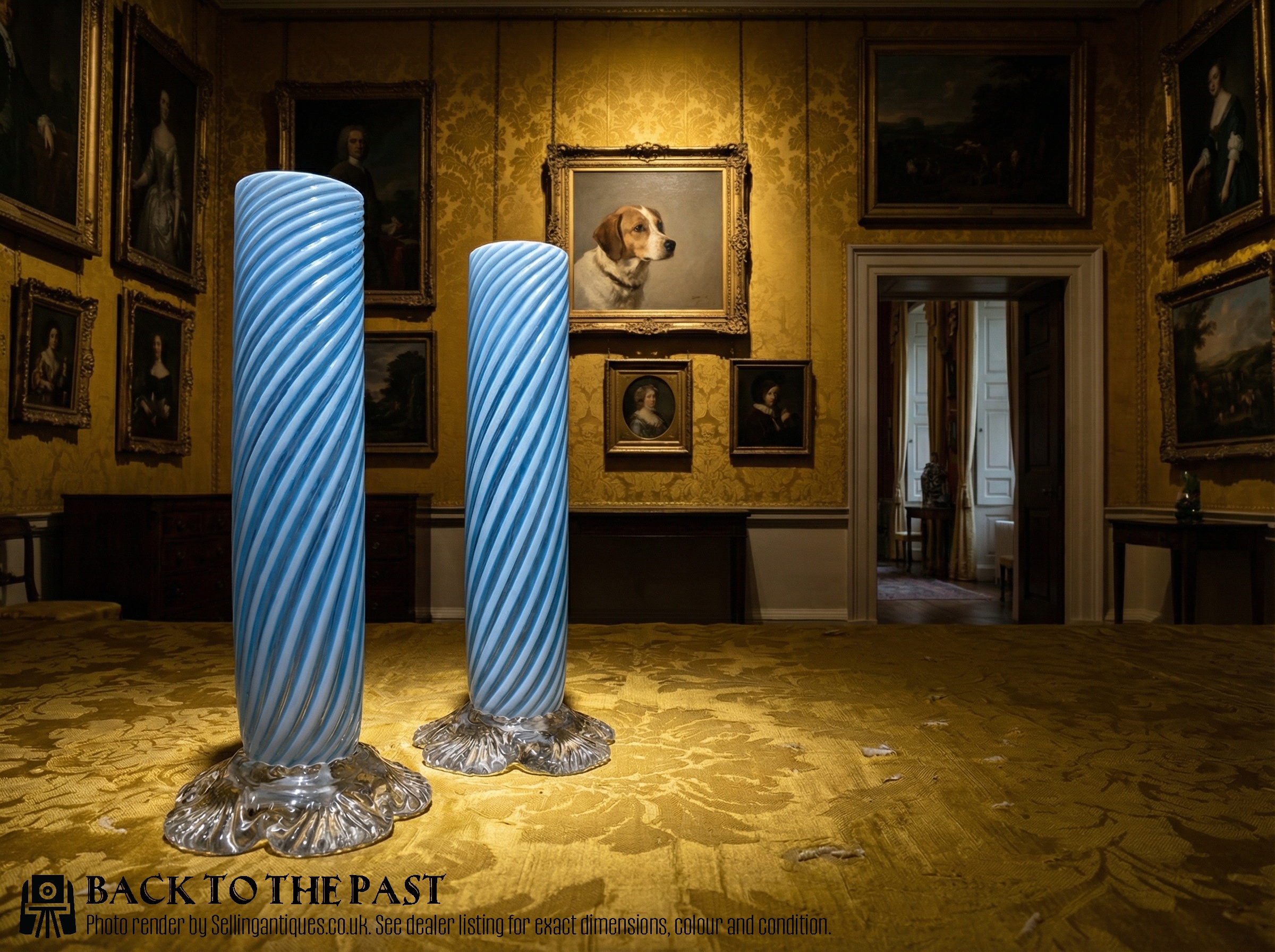
Antique Floral Base Vase
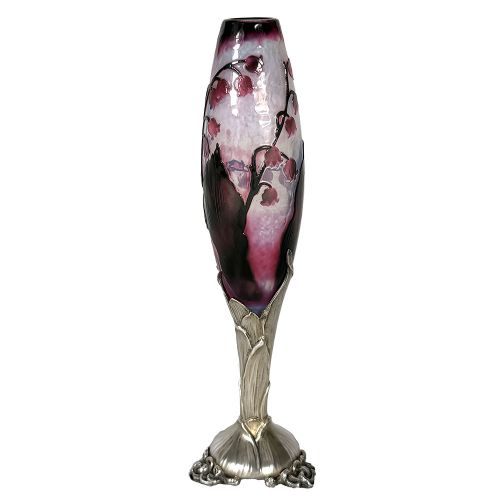
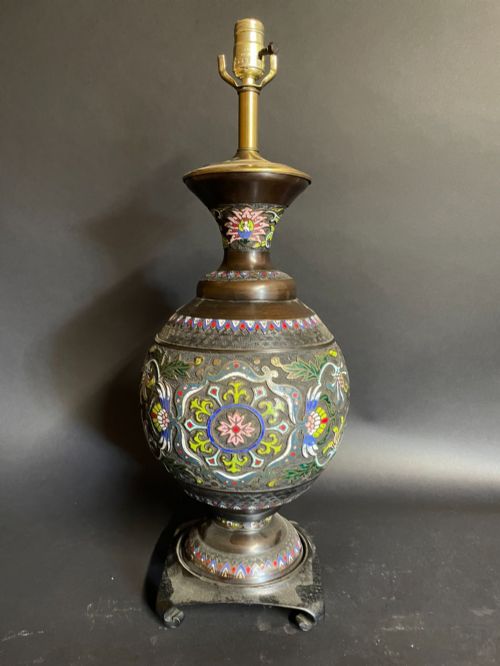
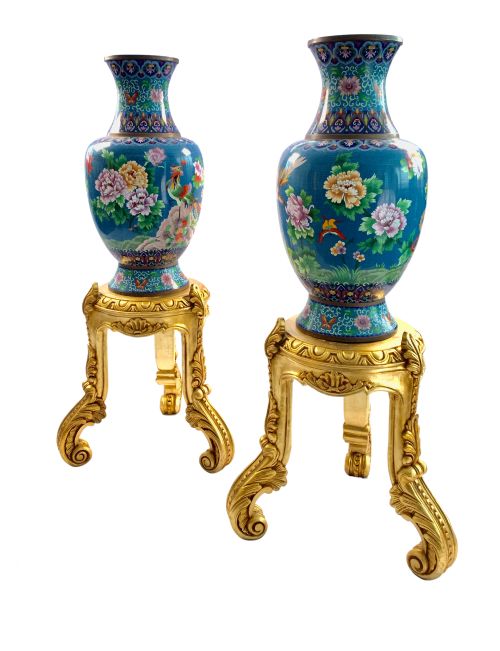
An antique floral base vase combines the traditional container form with plant-based decoration or structural motifs at the foot, drawing on styles such as Chinoiserie, Victorian, Art Nouveau, Japanese Edo, Edwardian, and Neoclassical Revival. These pieces span periods from the 18th century through the 19th century, Edwardian era, and into the 20th century up to 1940.
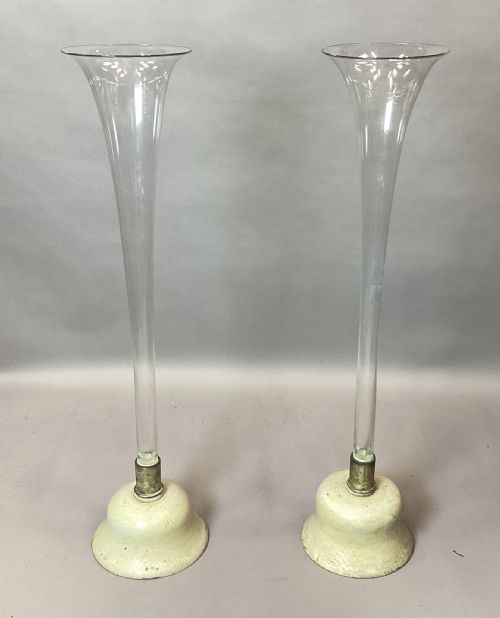
Buyers encountering this search phrase will frequently find table lamps, vases, centrepieces, and decorative garnitures. The forms range from beaker-form vases with dolphin bases to trumpet shapes, baluster vessels, and epergnes.
Materials represented across these examples include porcelain, enamel, brass, copper, bronze, silver plate, wood, fabric, and glass. Origin and period dictate the particular combination of form and decorative style on each piece.
How they were made
Makers shaped these objects using traditional metalworking, glassblowing, and ceramic techniques, working with bronze, brass, copper, silver plate, and various types of glass.
Porcelain and enamel pieces involve detailed surface painting and cloisonné work, whilst glass items utilise spiral techniques, pearlescent finishes, and cameo carving.
Mounts and bases often incorporate cast metal elements, such as dolphin supports or footed bronze rings, joined securely to the main body of the vessel.
Listings feature items spanning the 18th century, 19th century, Edwardian period, and 1940, utilising porcelain, bronze, brass, and glass.
What varies in quality
The standard of execution in the base design and the clarity of the decorative motifs define the upper tier of these pieces. Fine handling of enamel work, crisp casting in bronze or brass, and well-balanced proportions separate finer examples from standard production.
The integrity of the materials, whether the depth of colour in spiral glass or the precision of cloisonné wirework, indicates the maker's skill and the workshop's output standard.
Daum Frères·Doulton Burslem
The Antique Floral Base Vase Glossary
- Cloisonné
- Enamel decoration where thin metal strips are soldered to a metal base to create compartments for coloured paste. This technique produces distinct cells of colour across the surface.
- Baluster
- A vase form with a rounded lower body that tapers into a narrow neck, resembling a architectural baluster. This shape appears frequently in porcelain table lamps.
- Garniture
- A set of three or more matching ornamental vases or vessels designed to be displayed together on a mantelpiece or sideboard. These sets provide visual symmetry in a room.
- Epergne
- A large table centrepiece featuring a central dish with multiple branching holders for fruit, sweets, or small vases. Edwardian glass versions often display pearlescent finishes.
Antique Floral Base Vase: Frequently Asked Questions
What is an antique floral base vase?
An antique floral base vase is a decorative vessel that incorporates plant motifs or plant-shaped supports at the foot, spanning various historical periods and stylistic traditions.
These pieces function as decorative objects, centrepieces, or converted table lamps depending on their form and history.
How were these vases used originally?
They served primarily as decorative interior ornaments on mantelpieces, sideboards, or tables, often as part of matching garniture sets.
Over time, many of these vessels were adapted into table lamps while retaining their original ceramic, glass, or metal bodies.
How do I identify the period of a vase?
Dating relies on examining the materials, manufacturing techniques, decorative styles, and any maker's marks or signatures present on the piece.
Comparing the stylistic indicators, such as Art Nouveau cameo work or Victorian glass techniques, helps narrow down the era of manufacture.
Can I use these vases with fresh flowers?
While many historical vessels were designed to hold water and flowers, some have been converted into lamps with electrical fittings or feature delicate interior conditions.
Checking the interior and base construction determines whether a piece is suitable for holding water or remains best kept dry as a display object.
How do I care for antique glass and porcelain?
Care involves dusting gently with a soft cloth and avoiding abrasive cleaning agents that could damage delicate enamels, gilding, or patinated metal surfaces.
Keeping them away from direct sunlight and extreme temperature fluctuations preserves the integrity of the materials.