

19th Century Bird Painting
A 19th century bird painting captures the natural world through delicate watercolours, oils, and ceramics.
19th Century Bird Painting
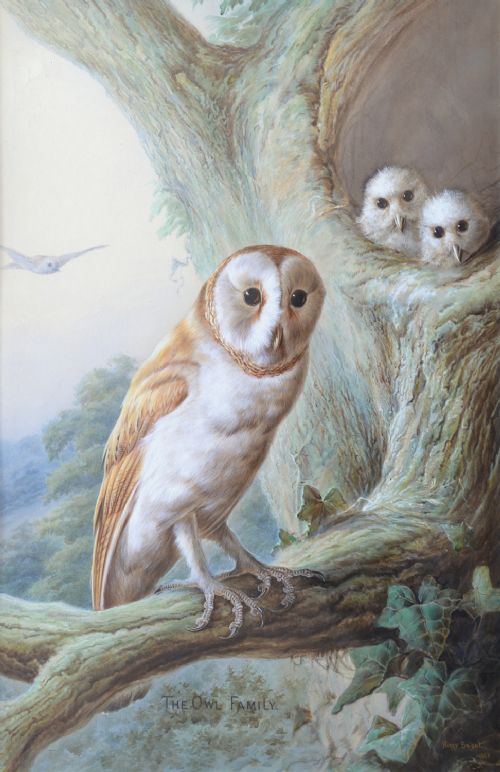
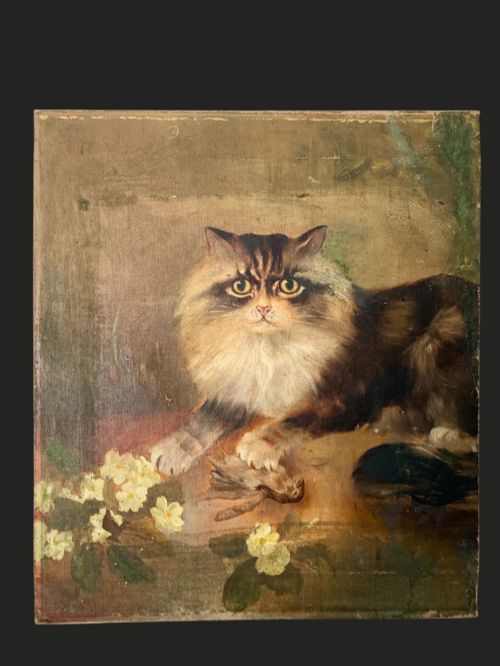
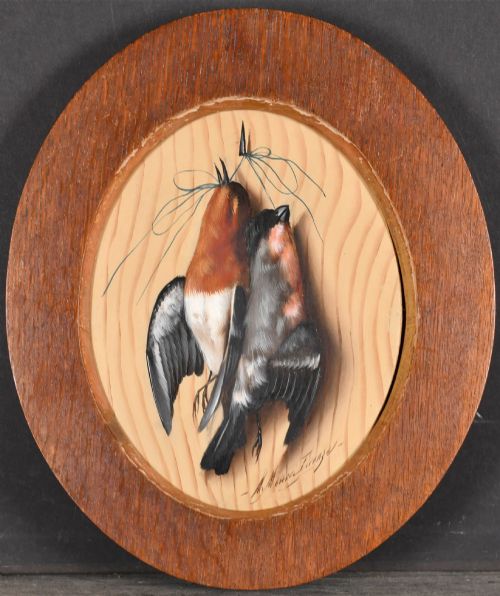
A 19th century bird painting encompasses a diverse range of artistic interpretations, from scientific naturalism to romantic still lifes and naive folk art. Buyers encounter works executed on paper, canvas, porcelain, and pith, reflecting a Victorian fascination with ornithology and the natural sciences.
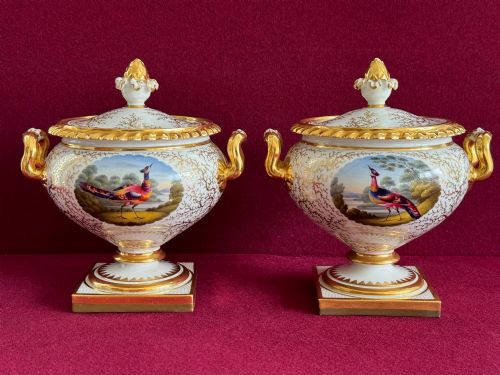
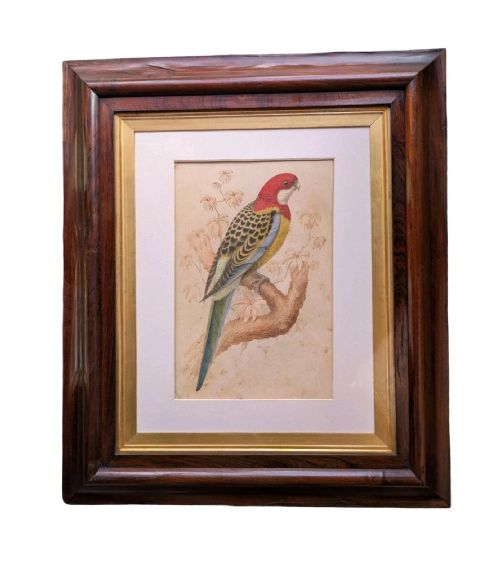
The selections span delicate watercolours by named artists, vibrant Chinese export paintings, and elaborately painted porcelain services from English and continental factories. These pieces served both decorative and educational purposes in period domestic interiors, often highlighting exotic species or British gamebirds.
The category bridges fine art and decorative objects, including framed watercolours alongside hand-painted ceramic dishes, vases, and decorative bowls bearing ornithological motifs. This variety allows collectors to select works that range from intimate cabinet paintings to striking wall art.
How They Were Made
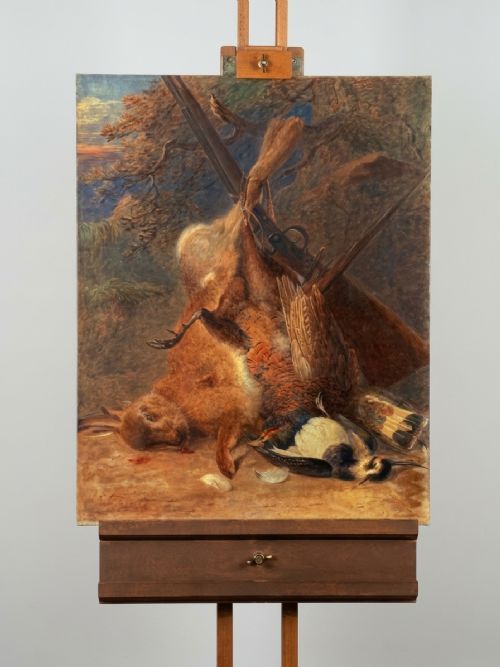
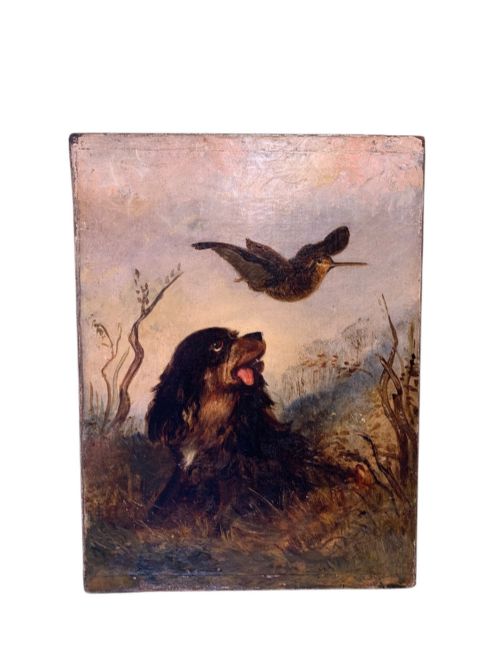
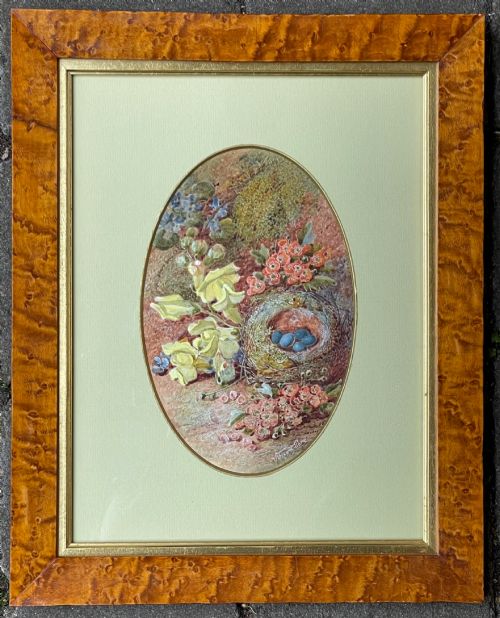
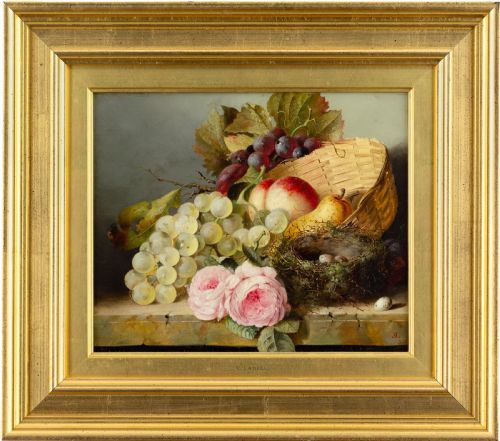
Watercolour and bodycolour on paper form the basis of many framed works, utilising fine brushwork to capture feather texture and anatomical detail. Artists also employed oil on canvas or panel, building rich layers to depict birds within naturalistic still life settings featuring fruit, foliage, or nests.
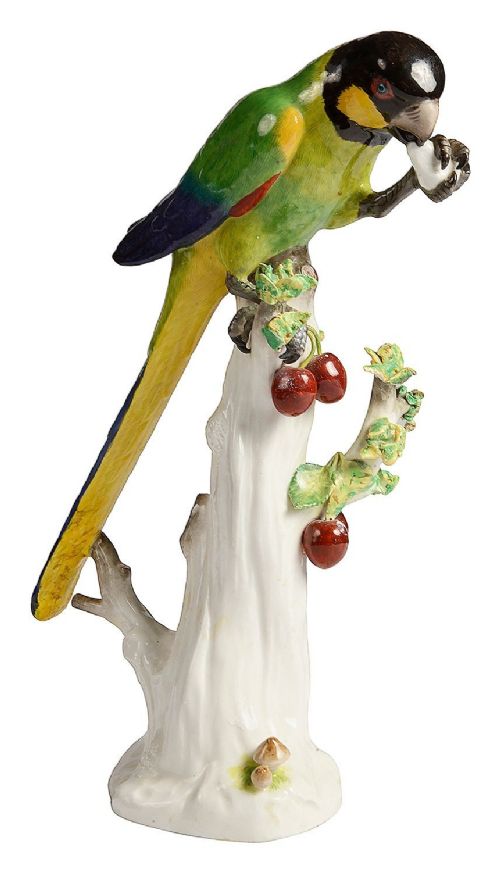
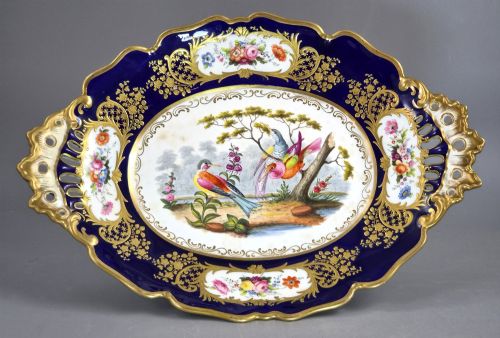
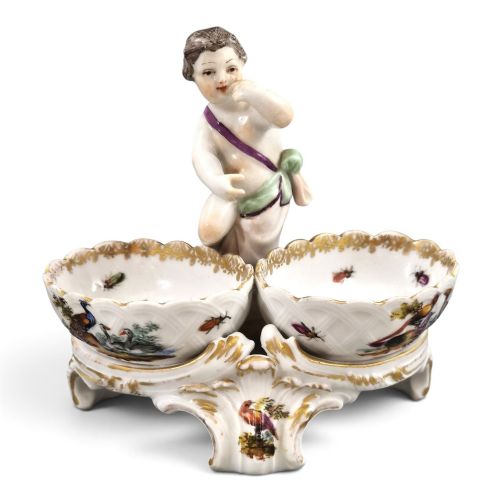
Ceramic pieces rely on skilled overglaze and underglaze hand-painting on porcelain bodies from factories such as Meissen, Coalport, and Royal Worcester. Artisans applied mineral pigments and gold leaf accents before high-temperature firing to achieve permanent, luminous bird motifs.
Specialised techniques include reverse glass painting and delicate watercolours on pith paper, demonstrating the global reach of nineteenth-century trade and craft. These varied mediums required precise hand-eye coordination to render the iridescent plumage and subtle shading of avian subjects.
Nineteenth-century decoy ducks and dovecotes occasionally moonlighted as sculptural avian portraits in country houses.
What Varies in Quality
The precision and anatomical accuracy of the brushwork separate standard decorative items from masterworks. Superior pieces exhibit meticulous attention to feather structure, light reflection, and the natural posture of the bird.
The quality of the material support and medium significantly influences the piece. Finely ground pigments, stable grounds, and well-preserved porcelain bodies retain their original colour saturation and structural integrity over time.
Provenance and attribution elevate certain works, particularly those linked to documented artists, leading porcelain manufactories, or distinct regional schools. The integration of the subject within its painted or ceramic context demonstrates the artist's compositional skill.
H & R Daniel·Coalport·Meissen·KPM Berlin·Royal Worcester·Barr Flight and Barr·Dresden
The 19th Century Bird Painting Glossary
- Bodycolour
- Watercolour mixed with white pigment to produce an opaque finish. This technique allowed artists to add highlights and solid areas of colour to bird paintings.
- Pith paper
- A delicate material made from the spongy interior of the tetrapanax papyrifer plant. Nineteenth-century artists used it in export centres for vibrant watercolour paintings of exotic birds.
- Reverse glass painting
- An image applied directly to the back of a glass panel to be viewed from the front. This method imparts a glossy finish and protects the pigments from environmental damage.
- Ornithological
- Pertaining to the scientific study or depiction of birds. In nineteenth-century ceramics and art, it denotes accurate visual records of specific avian species.
- Gilt lacquer
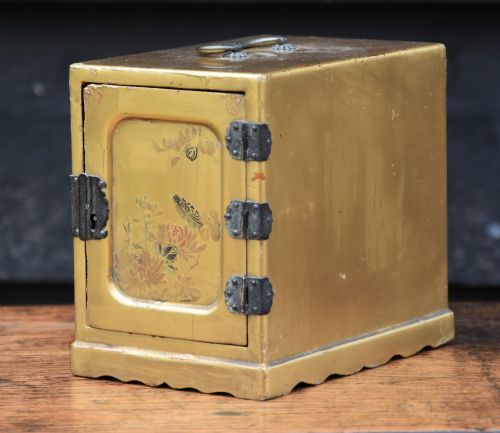
- A decorative surface treatment combining carved wood, lacquer, and gold leaf. It frequently appeared on Asian export items housing painted panels or decorative scenes.
19th Century Bird Painting: Frequently Asked Questions
What periods do these paintings cover?
The available works predominantly date from the nineteenth century, encompassing Regency, Victorian, and Edwardian eras. Stylistic shifts reflect broader cultural movements towards natural history and exotic exploration.
Makers and artists responded to changing domestic tastes by producing both scientific illustrations and decorative still lifes. Pieces from this span often carry specific factory marks or artist signatures aiding attribution.
How were ceramic bird paintings produced?
Painters applied mineral-based enamel colours directly onto fired porcelain blanks before returning the pieces to the kiln for fixing. Factories employed specialists solely dedicated to rendering ornithological subjects accurately.
Guild traditions and factory secrecy ensured high standards of chemical stability and colour retention. Gilt accents were frequently added by hand in a final low-temperature firing stage.
What is pith painting?
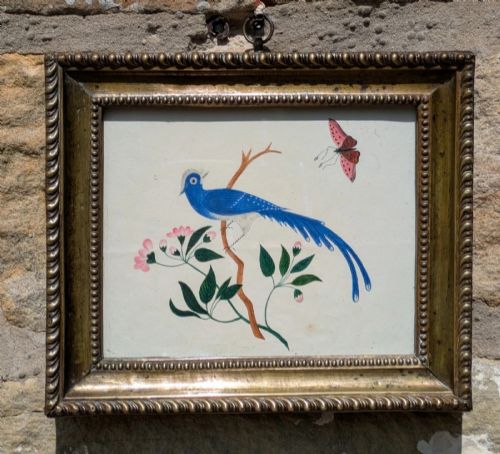
Pith paintings are delicate watercolours executed on a porous, paper-like substance derived from plant pith. Nineteenth-century craftsmen in southern China produced these works primarily for Western export markets.
The unique substrate absorbs watercolours to create a velvety, luminous effect particularly suited to vibrant plumage. These works require careful framing behind glass to prevent atmospheric damage.
How should I care for a paper painting?
Works on paper require protection from direct sunlight and high humidity to prevent fading and foxing. Acid-free mounting materials preserve the integrity of nineteenth-century watercolours.
Displaying pieces away from heat sources and external walls ensures stable environmental conditions. Glazing should ideally utilise UV-filtering glass to safeguard delicate pigments.
Are these works signed by artists?
Many fine art watercolours and oils feature artist monograms, signatures, or period inscriptions on the front or reverse. Factory-produced ceramics typically bear impressed or painted manufacturer marks rather than individual painter signatures.
Attributions often rely on stylistic analysis, colour palettes, and comparative archival examples. Unsigned naive works and folk art pieces remain valued for their distinct regional charm.