
1950s Jewellery
When you explore 1950s jewellery, you encounter an era defined by structured elegance, lustrous pearls and bold cocktail rings.
1950s Jewellery
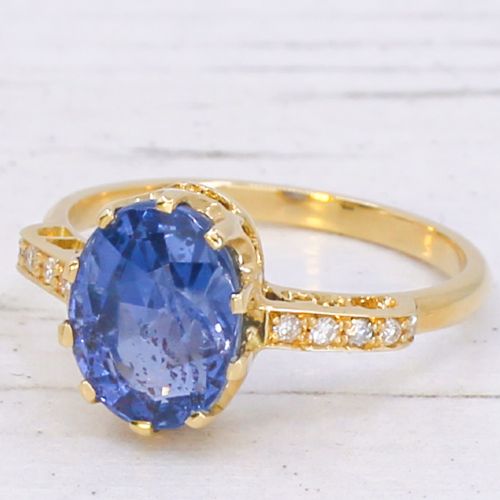
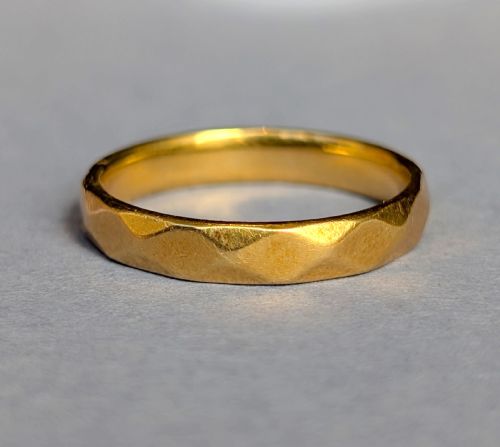
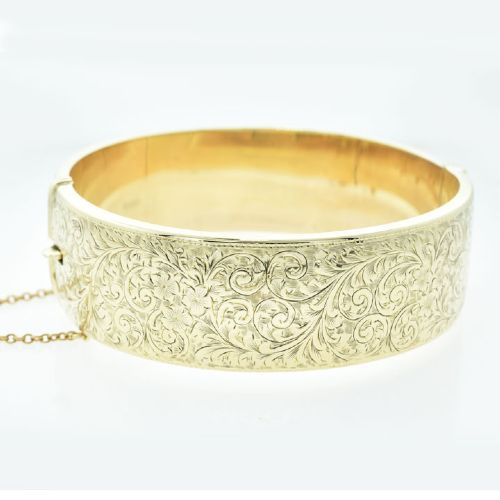
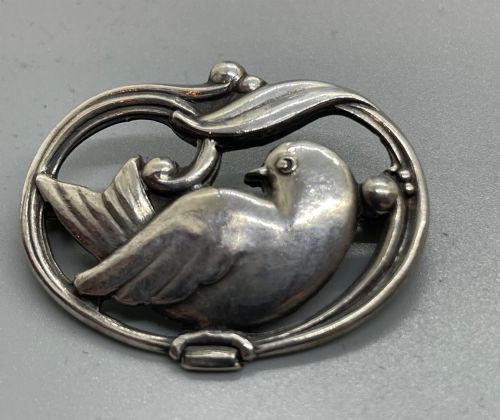
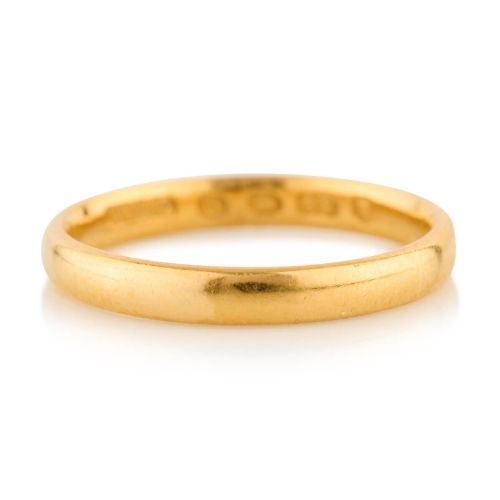
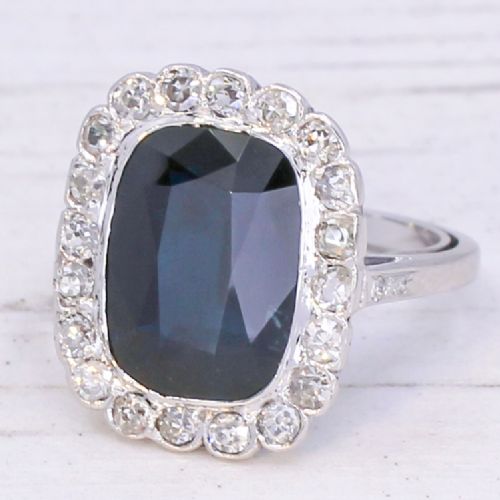
The objects stem from various design movements of the decade, encompassing Mid-Century Modern, Art Deco revivals, and specific regional aesthetics such as Danish silver work. Rings dominate the offerings, spanning simple wedding bands to elaborate sapphire and aquamarine cocktail designs.
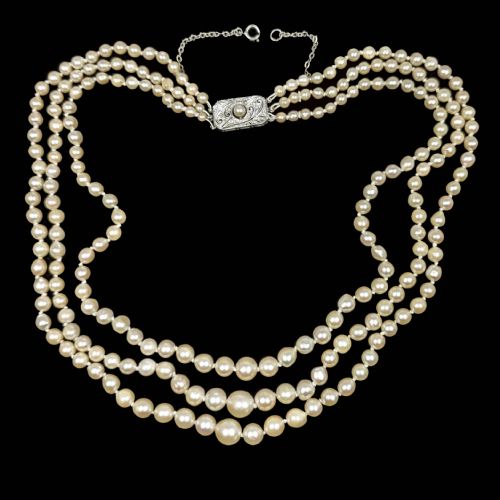
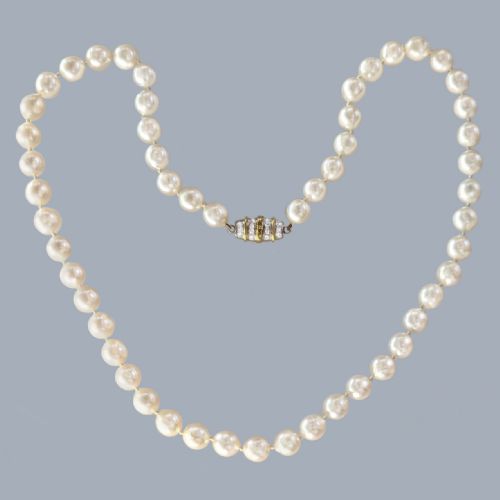
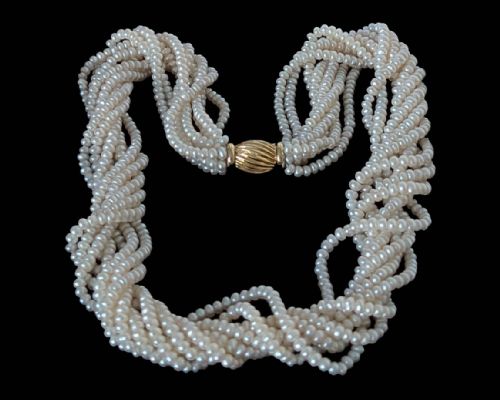
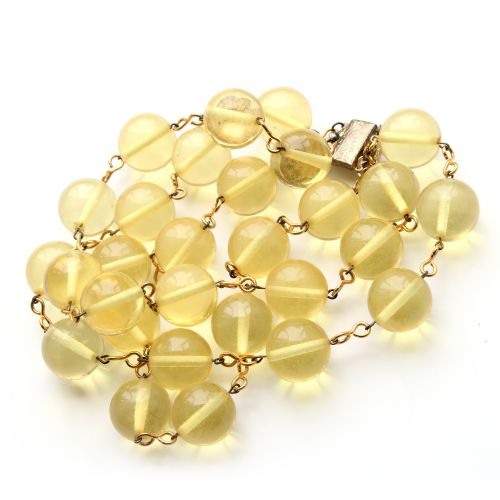
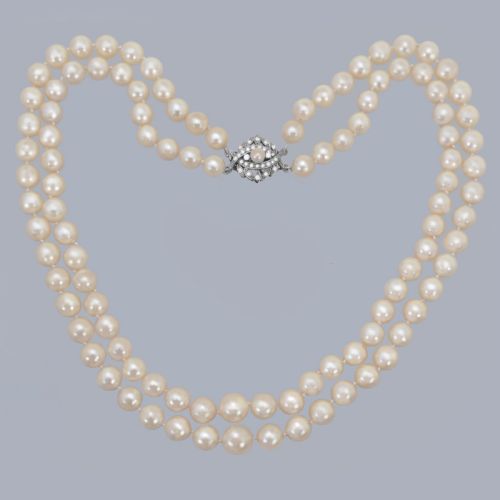
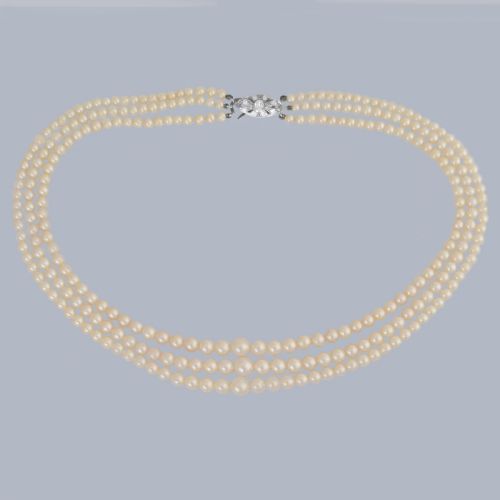
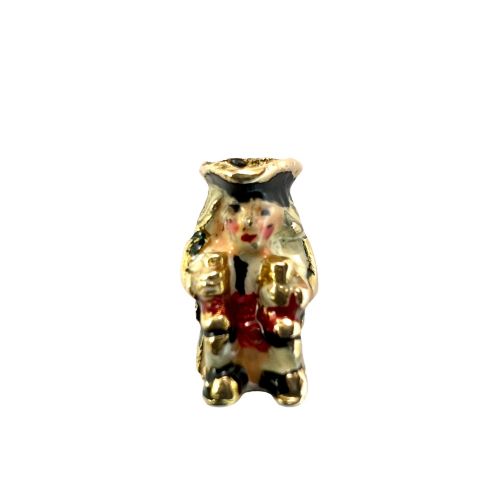
Necklaces frequently appear as cultured or freshwater pearl strands secured with diamond and gold clasps. Alongside these traditional forms, buyers discover playful charms, Lucite bead necklaces and coordinated parure sets containing matching necklaces, earrings and brooches.
How they were made
Makers utilised a combination of precious metals including platinum, 22ct gold, 18ct white and yellow gold, and 9ct gold to construct mountings and chains. Silver also appears frequently, particularly in Danish brooches and pendant necklaces.
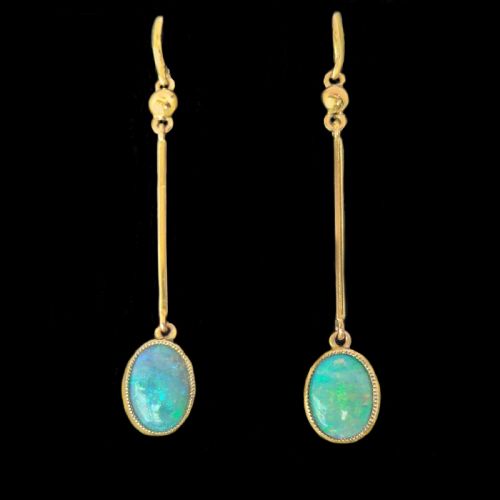
Gemstone setting involved traditional techniques for diamonds, unheated Ceylon sapphires, Colombian emeralds, opals, aquramarines and turquoise. Pearls were meticulously strung into double and triple strands, often paired with diamond-set gold clasps.
What varies in quality
The upper tier of these items displays superior gemstone selection, such as unheated sapphires or emeralds with minimal oil treatments, paired with heavy platinum or high-carat gold settings. Metal weight and the complexity of the design, especially in diamond cluster and cocktail rings, separate fine pieces from standard production.
Finishing touches dictate the overall calibre, evident in the tightness of pearl stringing, the secure integration of clasps, and the precision of the stone setting. Pieces bearing identifiable maker marks or assay office stamps also represent a distinct level of documented craftsmanship.
Smith and Pepper·Paris House London·Christian Dior
The 1950s Jewellery Glossary
- Cultured pearl
- Pearls formed by the insertion of a nucleus into an oyster, widely utilised in the multi-strand necklaces of this era. They offer uniform lustre and roundness.
- Cocktail ring
- A large, prominent ring featuring substantial gemstones designed to draw attention during evening social events. Aquamarine and sapphire versions are typical.
- Parure
- A matching set of jewellery, usually comprising a necklace, earrings and a brooch or bracelet designed to be worn together. They showcase coordinated materials.
- Old cut diamond
- A diamond cut using older techniques that preceded modern brilliant faceting, characterised by a smaller table and high crown. These stones appear frequently in mid-century engagement rings.
- Signet ring
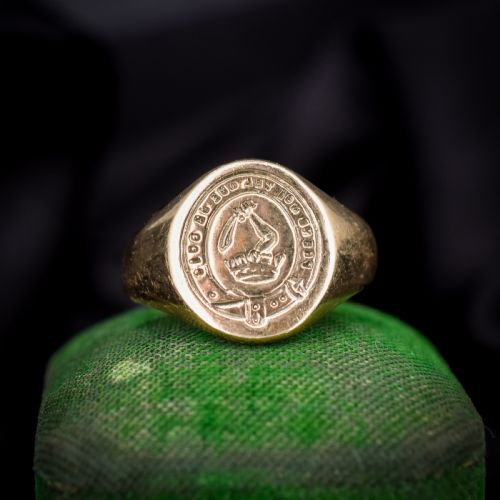
- A ring bearing a carved intaglio design, traditionally used as a personal seal. Mid-century examples are often cast in yellow gold.
1950s Jewellery: Frequently Asked Questions
How do I care for pearl necklaces?
Pearl strands require gentle handling and periodic restringing to prevent thread breakage. Store them away from hard metals and cosmetic chemicals to preserve their natural lustre.
Avoid submerging pearl necklaces in liquid cleaning solutions. Wipe them gently with a soft cloth after wearing.
What defines a cocktail ring?
Cocktail rings feature oversized centre stones surrounded by smaller diamonds or accent gems. They emerged to signal personal independence and style during evening gatherings.
These bold pieces make use of high-carat gold or platinum mountings to support large aquamarines, opals or sapphires securely.
How are mid-century items hallmarked?
British pieces from this decade carry standard assay office marks, maker initials and purity stamps indicating gold or silver content. These punches help verify the exact year of production.
Foreign items or specific designer pieces may feature alternative stamps or maker signatures instead of traditional British assay marks.
Can I wear these rings daily?
Diamond solitaire rings and heavy gold wedding bands suit everyday wear due to the durability of platinum and high-carat gold. Softer stones require greater caution.
Gemstones like opals or pearls need protection from knocks and harsh impacts during daily activities.