
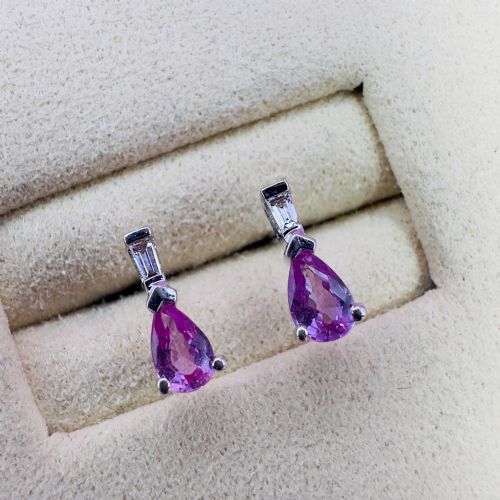
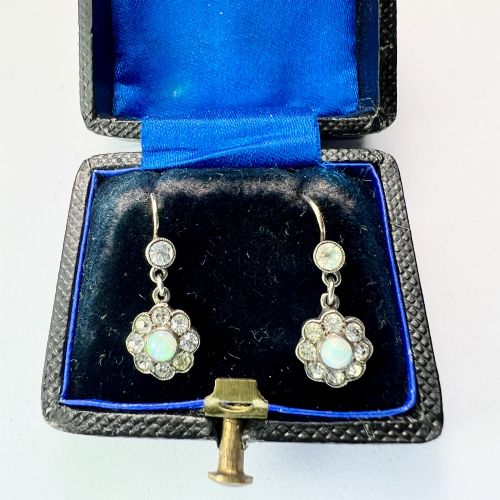


Gold and Diamond Earrings
These gold and diamond earrings span Victorian intricacies to modernist geometry, offering enduring sparkle and fine metalwork.
Gold and Diamond Earrings
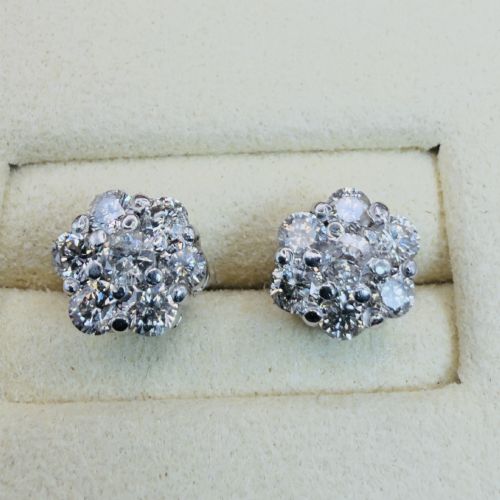
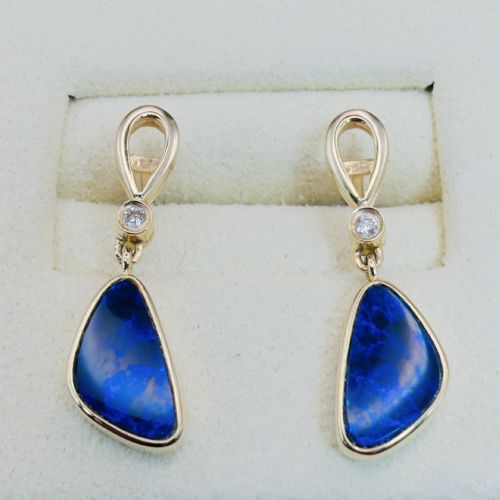
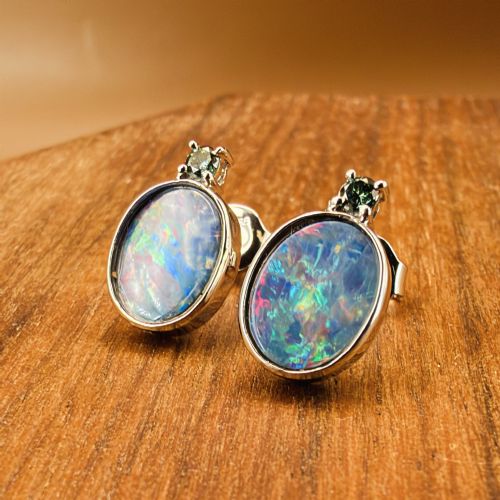
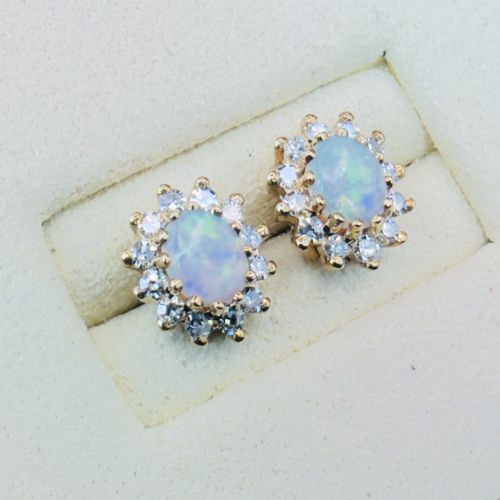
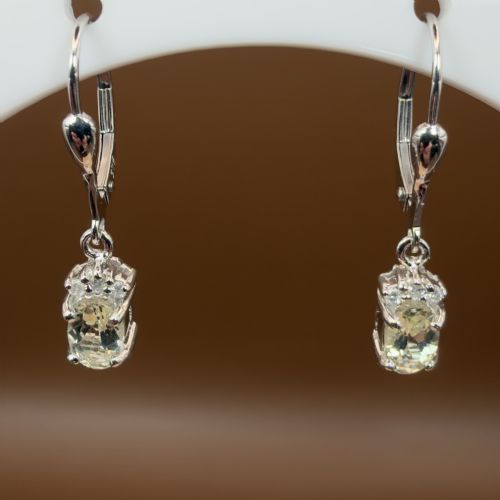
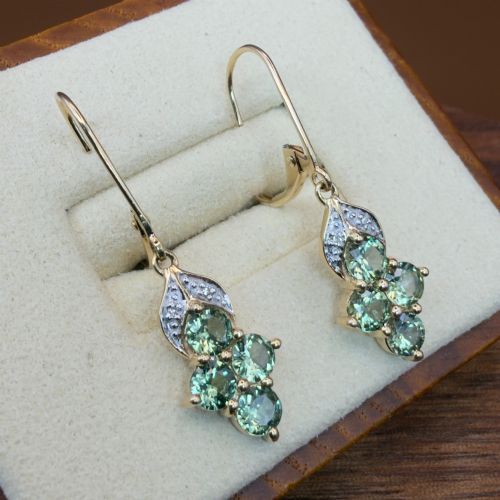
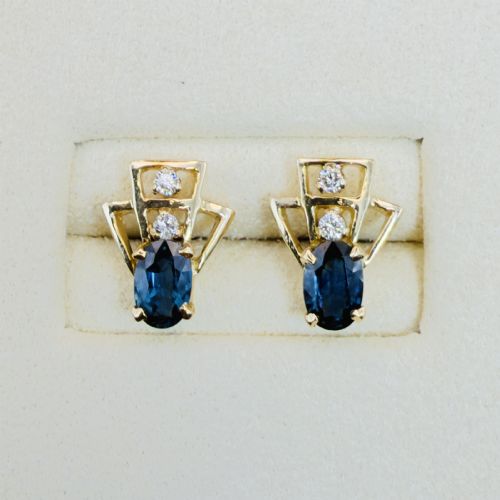
When searching for gold and diamond earrings, collectors encounter drop, cluster, and stud configurations spanning the Victorian, Edwardian, Art Deco, and mid-century periods. Drop earrings and cluster designs dominate the selection, often pairing diamonds with coloured gemstones such as emeralds, sapphires, rubies, and opals.
The assortment ranges from delicate Edwardian silver-topped gold mounts to bold 1950s yellow and white gold settings. Configurations include screw backs, hinge backs, and clip-ons, reflecting the evolving fastening technologies of their respective eras.
How they were made
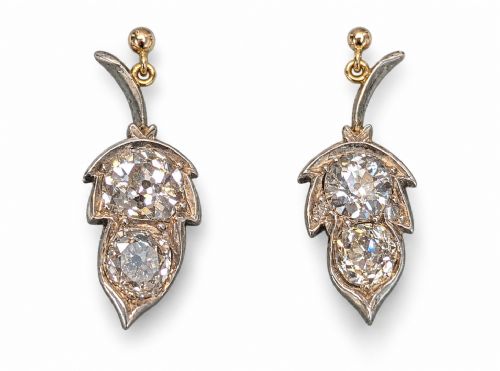
Goldsmiths utilised varying purities of yellow, white, and rose gold alongside platinum and silver-topped settings to anchor the stones securely. Early pieces frequently combined silver with gold to enhance the brilliance of old-cut diamonds against darker backgrounds.
Gemstones were set using traditional techniques including claw, bezel, and pavé methods, supplemented by hand-cut facets that maximise light return in antique cuts.
Some vintage drop earrings feature trembling settings designed to make the diamonds quiver with every heartbeat.
What varies in quality
The standard of craftsmanship shows in the precision of the metalwork, the symmetry of the stone arrangements, and the integration of secondary gems like pearls, turquoise, or tourmalines. Finer examples display meticulous claw work and balanced proportions that complement the individual characteristics of each hand-cut diamond.
Artisanal touches, such as custom foliate mounts or complex gallery wirework, elevate pieces from standard production to exceptional design.
Knoll & Pregizer·Liberty & Co·Andrew Grima
The Gold and Diamond Earrings Glossary
- Old-cut diamond
- A stone faceted by hand before modern mechanical precision, typically featuring a smaller table and a higher crown that produce a softer, candlelit sparkle.
- Cluster
- An arrangement where smaller gemstones surround a central stone or motif to maximise visual impact and perceived size.
- Hinge back
- A secure fastening mechanism featuring a hinged post that clicks into a grooved closure behind the earlobe.
- Paste
- Hand-cut lead glass used historically to imitate diamonds or coloured gemstones, prized in antique jewellery for its own refractive properties.
- Dormeuse
- A style of earring originally designed to be comfortable enough to wear while sleeping, often featuring a secure lever-back closure.
Gold and Diamond Earrings: Frequently Asked Questions
How do I date antique earrings?
Dating relies on combining stylistic evidence with manufacturing techniques and hallmarks. Specific cuts of diamonds, such as old-cut or rose-cut, often point directly to Victorian or Edwardian workshops.
Changes in metal alloys, such as the adoption of platinum in the Edwardian era or white gold in the 1920s, further narrow down the decade of production.
Were these earrings meant for pierced ears?
Historical collections include both pierced and non-pierced variants, as fastening technology changed significantly over the decades. Many Victorian and Edwardian pieces were adapted or originally made for pierced lobes.
Later decades introduced screw backs and clip-on mechanisms to accommodate wearers without pierced ears.
Can I wear antique diamond earrings daily?
Solid gold and platinum settings provide robust durability for regular wear, provided the settings are handled with care. Secure fastenings like hinge backs and screw backs offer added safety during daily activities.
Delicate silver-topped Victorian designs require gentler handling and occasional checks by a jeweller to ensure stone stability.
What is silver-topped gold?
Silver-topped gold is a historic technique where a thin layer of silver is soldered over gold metalwork. This allowed jewellers to use silver on the face of the piece because its bright white colour contrasted less with diamonds than yellow gold did.
The underlying gold provided structural strength and prevented the silver from tarnishing against the wearer's skin.