

1930s Wooden Cabinet
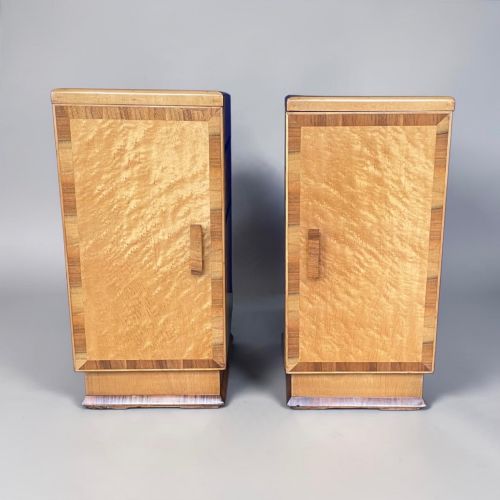
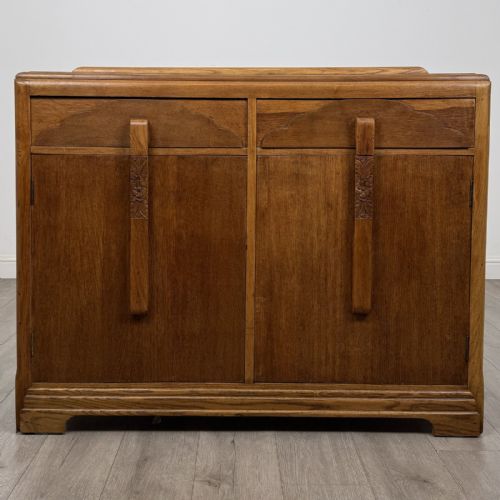
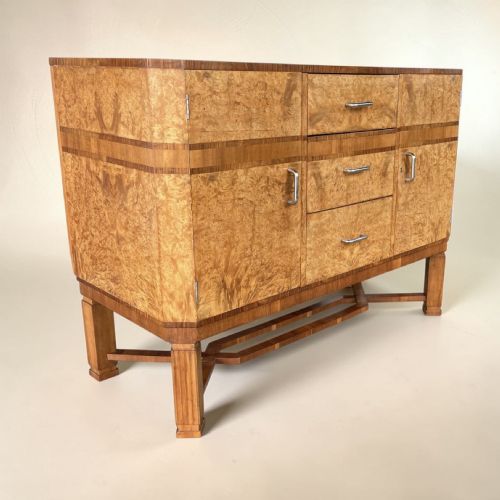
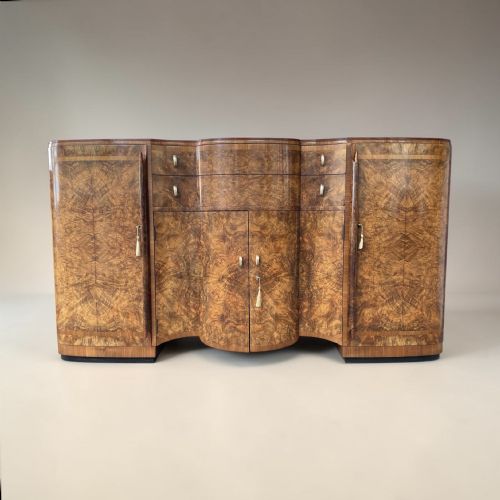
A 1930s wooden cabinet brings architectural geometry and striking grain figures into a room, offering practical storage with distinct period character.
1930s Wooden Cabinet
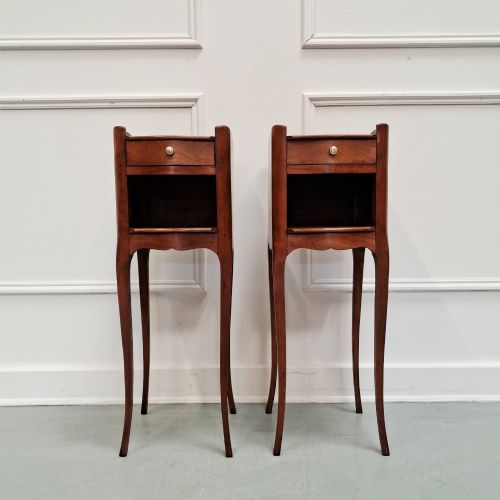
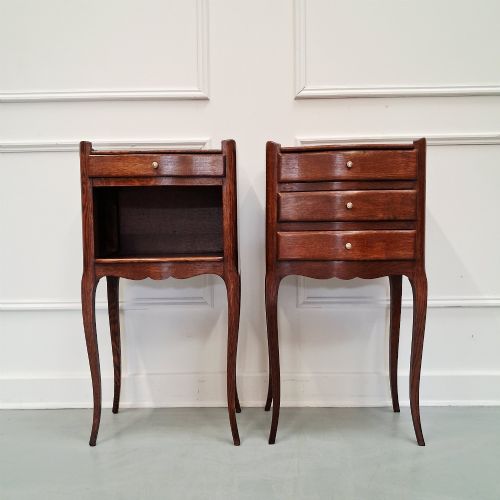
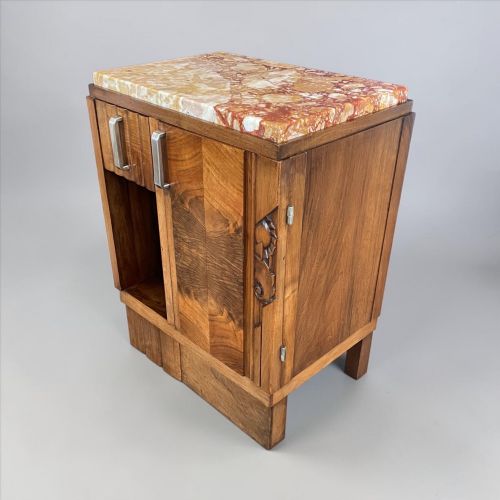
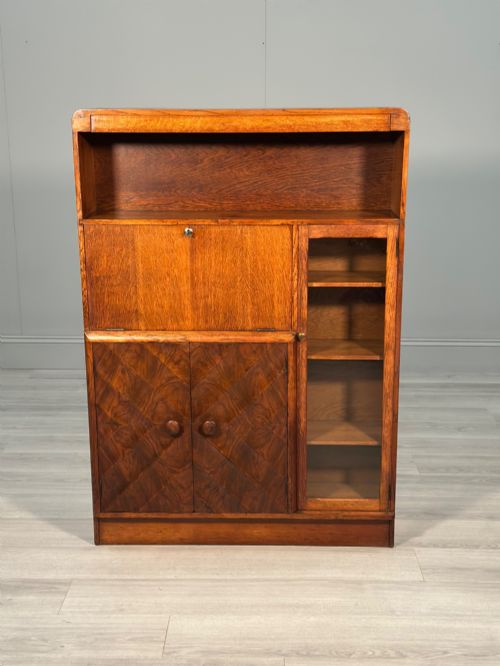
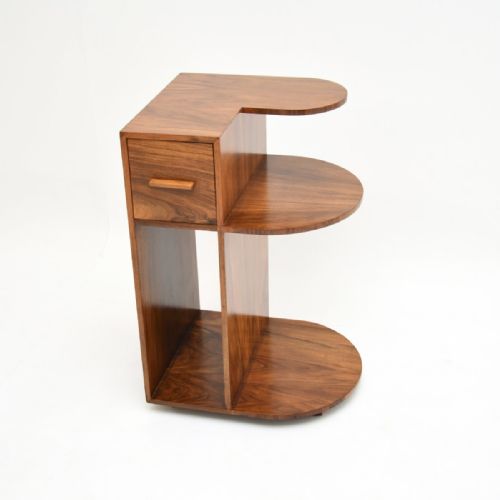
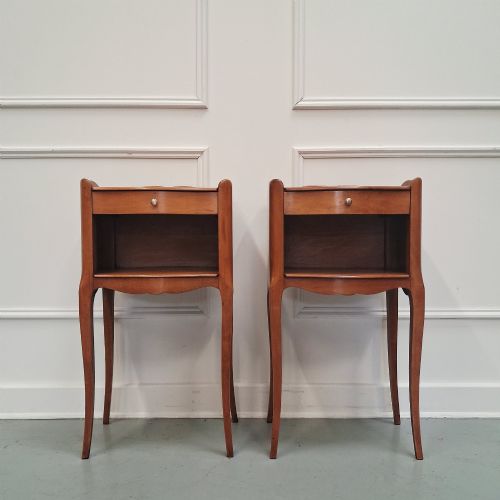
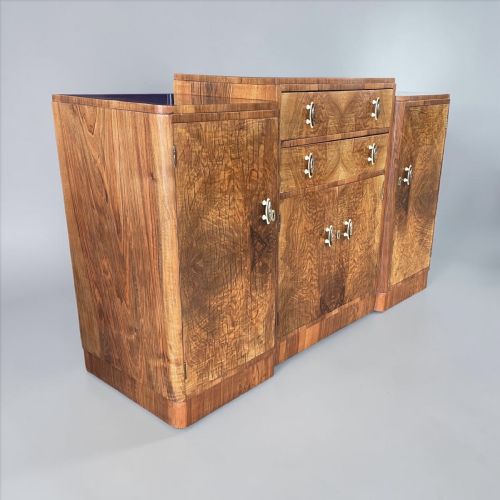
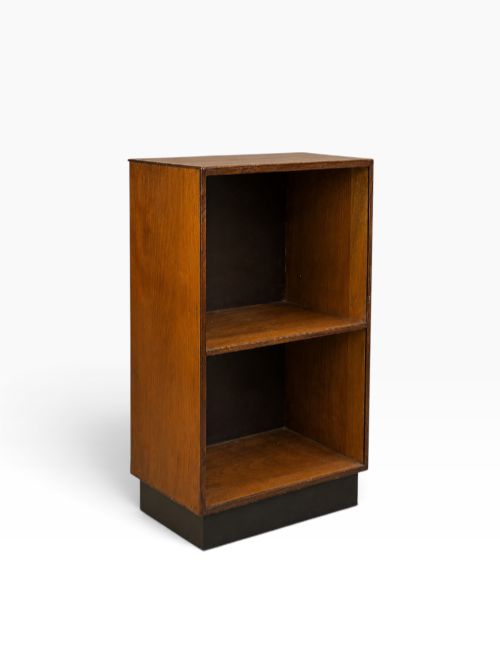
A 1930s wooden cabinet spans various domestic forms from the era, including bedside tables, sideboards, bookcases, writing bureaux, and drinks chests. You encounter sideboards and bedside cabinets most frequently on this page, reflecting the utilitarian and entertaining needs of interwar interiors.
The aesthetic leans heavily towards Art Deco geometry and clean modernism, alongside occasional revivals and institutional designs. These pieces range from compact bedside storage to large dining room sideboards built for substantial storage.
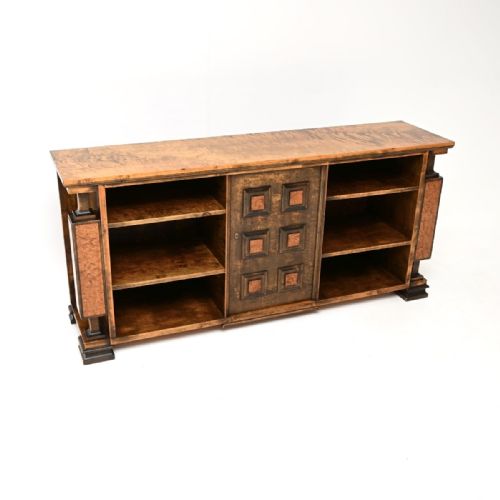
Origins stretch across British workshops and continental makers, incorporating French styles and Swedish cabinet-making traditions. The common thread is the use of wood as a primary medium for functional domestic architecture.
How they were made
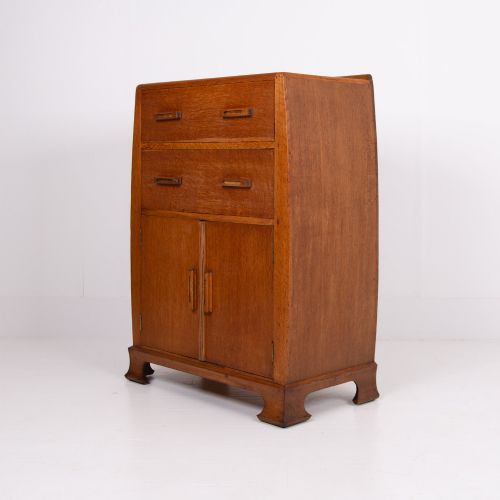
Cabinet makers utilised solid timbers alongside veneered surfaces to display striking wood grains. Walnut, oak, and mahogany provide the structural foundation for many pieces, enhanced by decorative veneers of burr walnut, ash, satin birch, maple, and sycamore.
Metal and glass elements appear alongside timber, providing structural brackets, handles, and display doors. Brass fittings and contrasting inlays punctuate the dark and light wood surfaces.
Construction techniques combine traditional joinery with modern industrial methods, accommodating specialised forms such as metamorphic drinks chests and multi-drawer filing or music cabinets.
1930s Wooden Cabinet Retail Price Guide 2026
Typical asking prices for 1930s wooden cabinet among the pieces listed under this phrase on Sellingantiques today, from the lower quarter to the upper quarter. They describe what is for sale here now, not the wider market.
One school cupboard from an art department spent decades holding charcoal and paint pots before finding a second life in a modern hallway.
What varies in quality
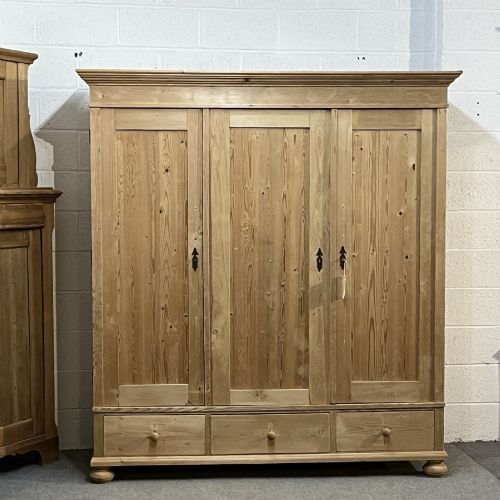
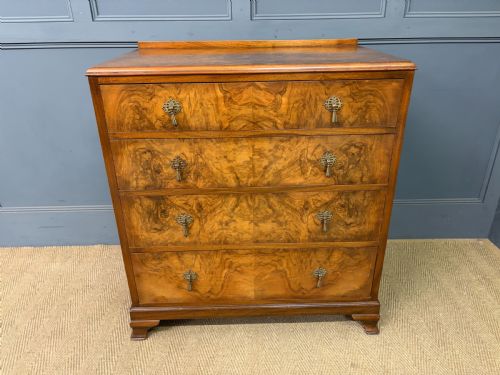
The choice of timber veneer significantly elevates a piece, with figured walnut, burr walnut, and satin birch creating complex visual patterns across flat doors and drawer fronts. Simpler oak and mahogany versions rely on clean proportion and functional integrity rather than exotic grain figures.
Attribution to documented designers and makers alters the standing of a piece. Signed items or labelled productions from recognised workshops carry distinct markers of ambitious interwar design.
Complexity of function and interior arrangement also distinguishes standard storage from exceptional pieces. Metamorphic mechanisms, specialised internal fittings for cutlery or sheet music, and hand-painted surface decoration set finer examples apart.
Maurice Adams·Gomme·Hille·Betty Joel·Bowman Brothers
The 1930s Wooden Cabinet Glossary
- Art Deco
- A design style characterised by sleek geometric shapes, stylised motifs, and streamlined forms popular during the interwar period. It dominates the decorative vocabulary of these cabinets.
- Sideboard
- A long piece of furniture used for storing dining utensils and serving food. In this era, they often feature curved ends and stepped carcases.
- Burr walnut
- A wood veneer taken from the warted growth on a walnut tree, producing swirling, intricate grain patterns. It is prized for decorative furniture fronts.
- Tallboy
- A tall chest of drawers, or a cabinet stacked vertically to maximise storage footprint while occupying minimal floor space. They appear in oak and mahogany.
- Metamorphic
- Furniture designed to transform its shape or function, such as a side table that converts into a drinks chest. These pieces incorporate clever concealed hinges and folding leaves.
1930s Wooden Cabinet: Frequently Asked Questions
How do I identify Art Deco cabinets?
Look for symmetrical geometric patterns, stepped outlines, and contrasting veneer borders on the cabinet doors and drawers. These details reflect the dominant architectural style of the decade.
Hardware often consists of simple brass or chrome handles that complement the clean, streamlined silhouette of the wooden carcase.
Where were these cabinets used?
Interwar cabinets served specific rooms throughout the house, from dining room sideboards to bedroom bedside tables and music cabinets in the parlour. Specialised pieces also outfitted school art departments and institutional offices.
Their varied scale allowed them to fit both compact urban flats and larger suburban homes.
Are these cabinets made of solid wood?
Many pieces combine solid structural frames with decorative wood veneers applied to the outer surfaces. This technique allowed makers to display dramatic grain figures like burr walnut and satin birch across wide drawer fronts.
Secondary timbers like oak and mahogany often form the underlying carcase and interior drawers.
How do I care for a vintage wooden cabinet?
Keep the wood away from direct sunlight and steady heat sources to prevent the natural timber and delicate veneers from drying out. Periodic dusting with a soft, dry cloth helps maintain the finish.
Avoid applying modern silicone polishes, using traditional wax sparingly if the surface requires nourishment.