


1930s Tier Coffee Table
A 1930s tier coffee table brings functional tiered surfaces and distinct geometric lines into a room, offering practical display space with period character.
1930s Tier Coffee Table
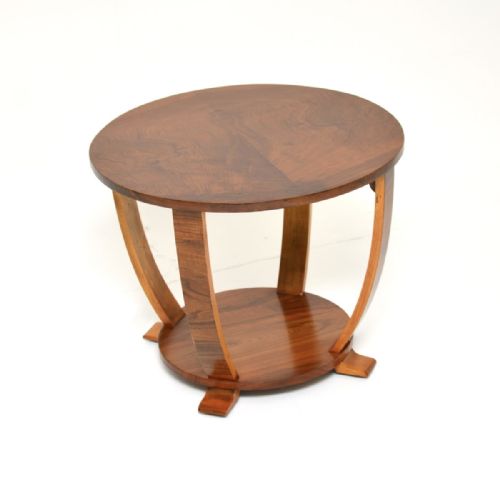
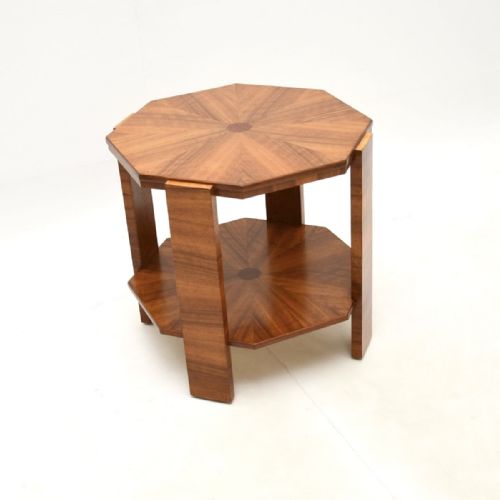
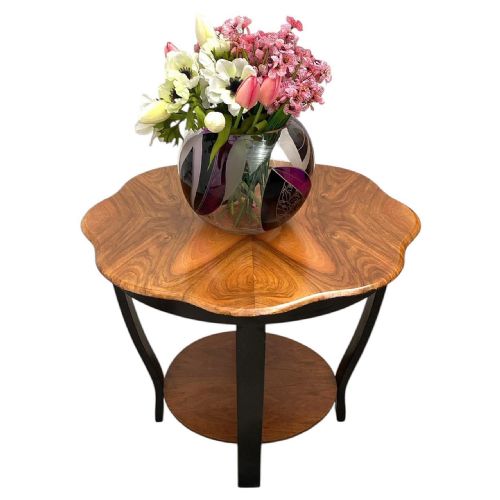
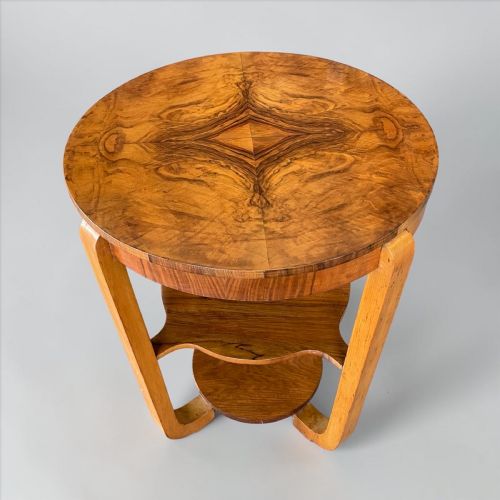
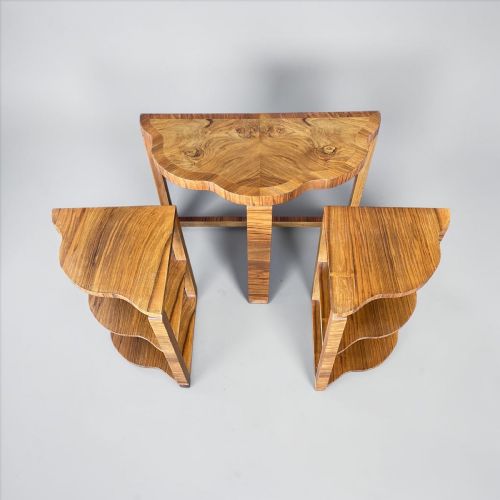
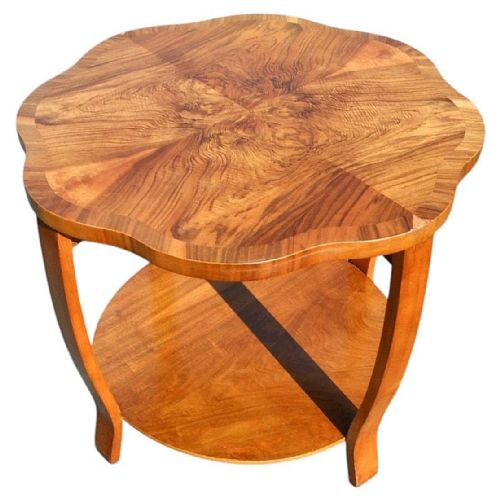
When searching for a 1930s tier coffee table, buyers encounter low occasional and side tables designed with multiple surfaces, most frequently appearing in an Art Deco style. These pieces span periods from the 1920s through to the 1940s, originating from English workshops and broader European centres.
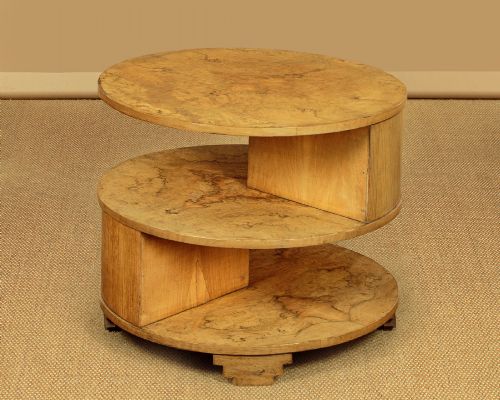
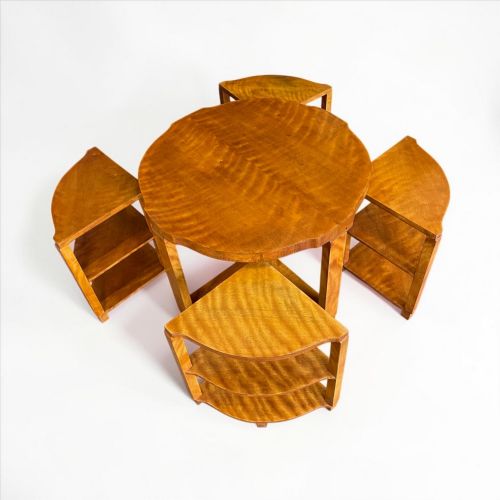
The primary forms seen on this page include two-tier and three-tier coffee tables, alongside nests of tables, occasional tables, and revolving book tables. Walnut and figured walnut dominate the selection, often accompanied by oak, maple, birch, and occasional chrome details.
How they were made
Cabinet makers utilised solid timbers alongside complex veneers to achieve striking surface patterns. Walnut veneer, burr walnut, figured veneers, and exotic woods such as birds eye maple and rosewood were applied to core timbers to create rich visual depth.
Structural variety comes from the integration of materials like chrome and ebonised wood, alongside traditional timber construction methods. Multiple tiers rely on sturdy upright supports or stepped skyscraper configurations to hold distinct surface levels securely.
Walnut and walnut veneer are the most frequently recorded primary materials across the current selection.
What varies in quality
The sophistication of the timber figure and veneer selection sets different tiers of craftsmanship apart. Highly figured walnut or exotic grains demand precise matching and cutting by the maker, creating a more striking visual impact than plain or uniform boards.
Construction complexity also distinguishes the range, seen in multi-tier arrangements, revolving mechanisms, and the integration of contrasting materials like chrome or maple banding. Simpler single-surface pieces differ notably from engineered multi-tier or caster-mounted designs.
The 1930s Tier Coffee Table Glossary
- Art Deco
- A design style characterised by sleek geometric shapes, streamlined forms, and modern industrial materials, prominent during the interwar period. It influences the overall silhouette of these tables.
- Veneer
- A thin slice of decorative wood glued over a structural base timber to display an attractive grain pattern. Figured walnut veneers are frequently seen across these listings.
- Tier
- A single level in a stacked structure, providing additional horizontal surface area for display or storage. Tables with two or three tiers maximise utility in compact footprints.
- Ebonised
- Wood treated with a finish to make it appear dark and uniform like ebony. This technique provides sharp contrast against lighter timbers.
- Occasional table
- A small, versatile table designed to be moved easily and used for specific tasks around a room. These forms frequently double as coffee tables in period settings.
1930s Tier Coffee Table: Frequently Asked Questions
How do I identify the period?
Period identification relies on observing specific construction traits, characteristic timber selections, and distinct stylistic geometry. Pieces from this era typically exhibit clean lines and specific veneer pairings rather than ornate carving.
Makers frequently utilised walnut, oak, and maple during this time. Comparing the overall silhouette against known design patterns helps confirm the decade of manufacture.
Where were these tables made?
Origin details on these pieces point predominantly to English workshops and broader European makers. Regional preferences influenced the choice of timbers and decorative inlay techniques used.
Cabinet makers in these regions adapted contemporary modernist trends into practical domestic furniture. Surviving examples reflect these distinct manufacturing origins.
How do I clean the wood surface?
Maintenance involves dusting regularly with a soft, dry cloth to prevent particulate accumulation on the polished grain. Avoid using abrasive cleaners or excessive moisture that might compromise delicate veneer layers.
Applying appropriate wax periodically helps nourish the timber and preserve the natural sheen. Gentle care ensures the polished finish remains protected over time.