



1930s Tallboy Cabinet
A 1930s tallboy cabinet offers vertical storage with distinct period character, combining generous drawer space with compact floor footprints.
1930s Tallboy Cabinet
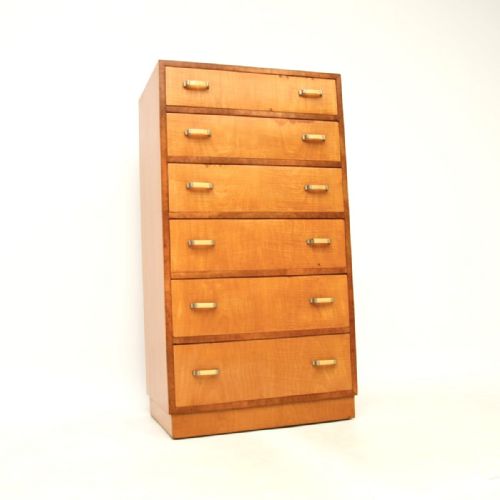
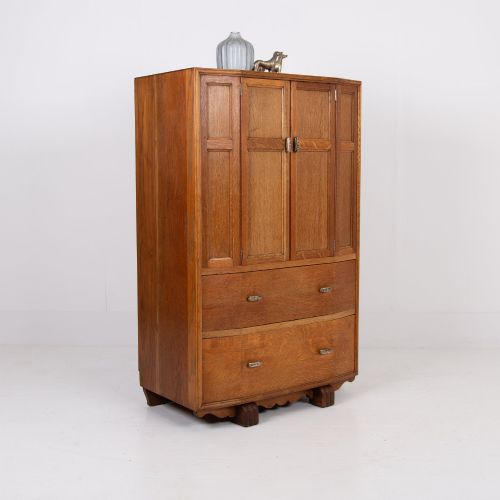
A 1930s tallboy cabinet combines wardrobe and chest functionalities into a single vertical piece of furniture, appearing frequently in Art Deco designs. These pieces provide substantial storage capacity while occupying minimal floor space, making them practical for modern bedrooms as well as period interiors.
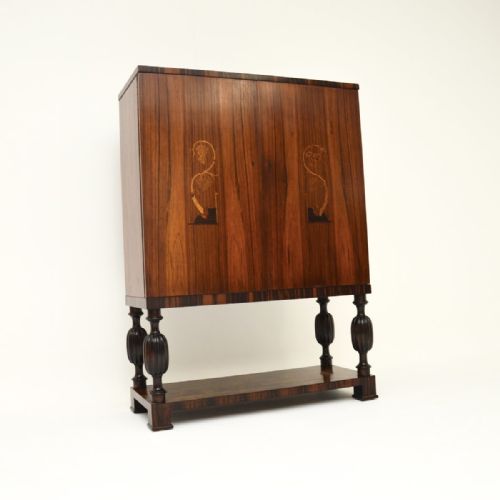
The selection here encompasses tall chests, compactums, and cabinets originating primarily from the 1930 and 1940 periods. Art Deco aesthetics dominate the offerings, alongside Swedish Grace and Louis XV style influences.
Materials and Construction
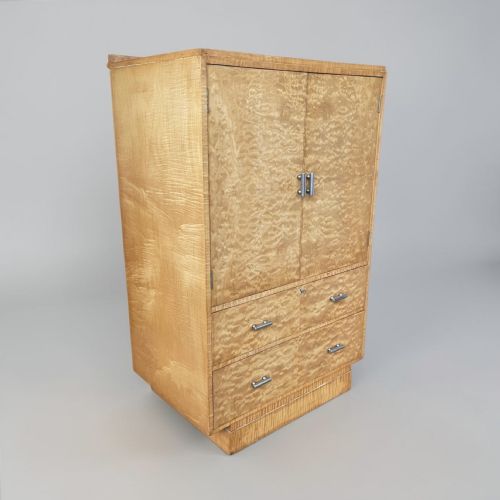
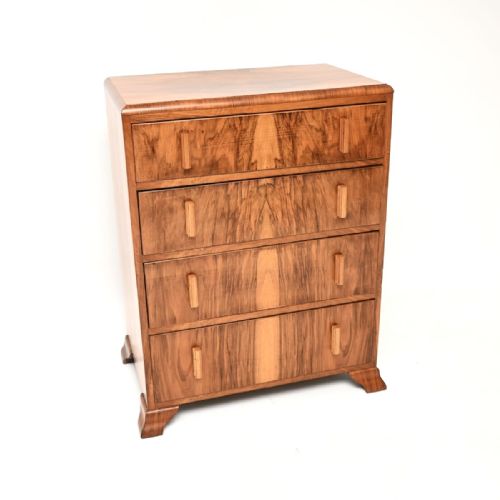
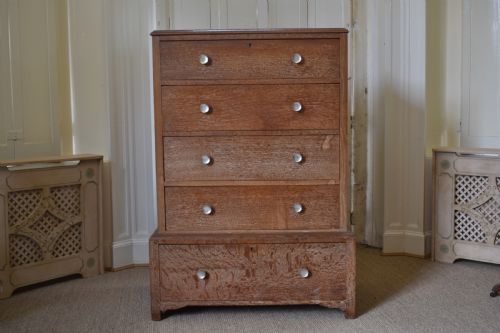
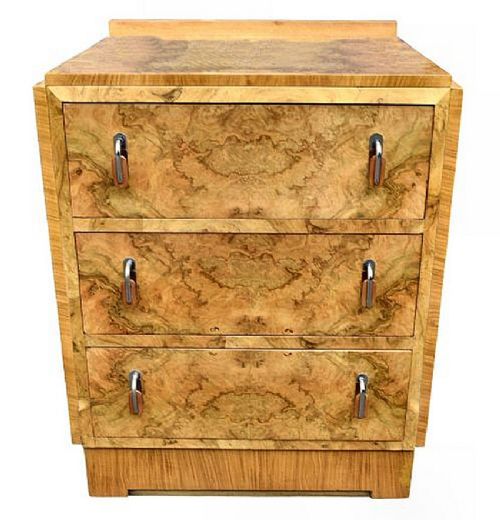
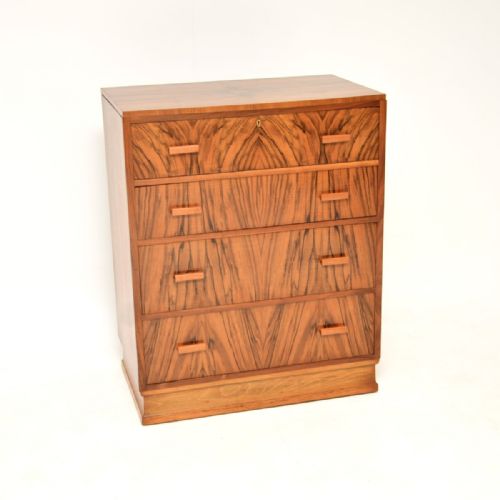
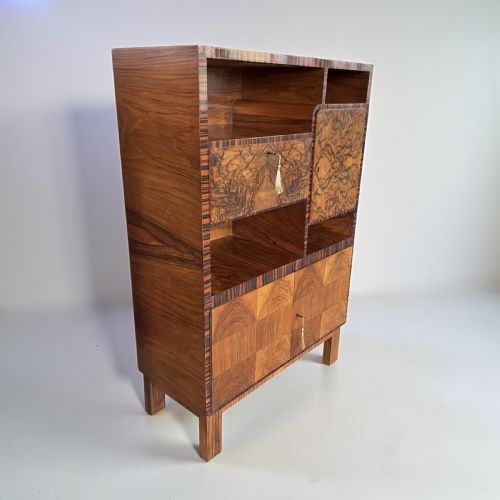
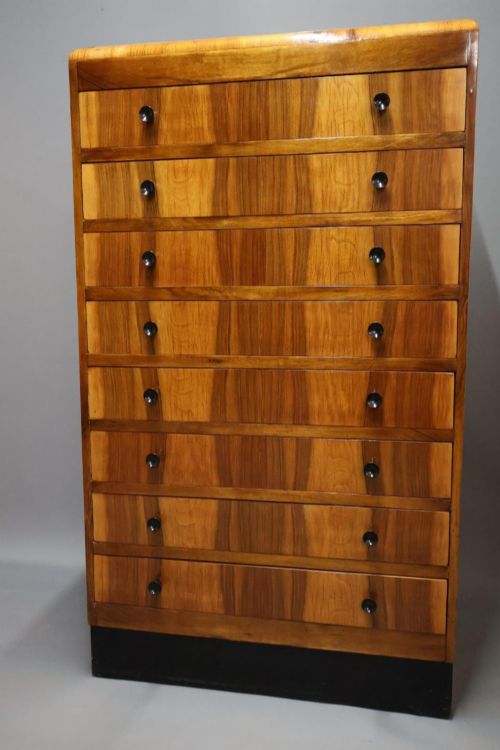
Cabinet makers utilised a rich palette of timber veneers, applying walnut, burr walnut, figured walnut, oak, limed oak, rosewood, kingwood, satinwood, pale mahogany, maple, and birds eye maple over solid carcases. These woods were often selected for their distinct grain patterns, which create decorative geometric fronts characteristic of the era.
Hardware and decorative details incorporate brass, chrome, metal, and bakelite elements for handles, hinges, and trim. Construction techniques balance traditional cabinet-making with modernist veneer applications to achieve smooth, clean facades.
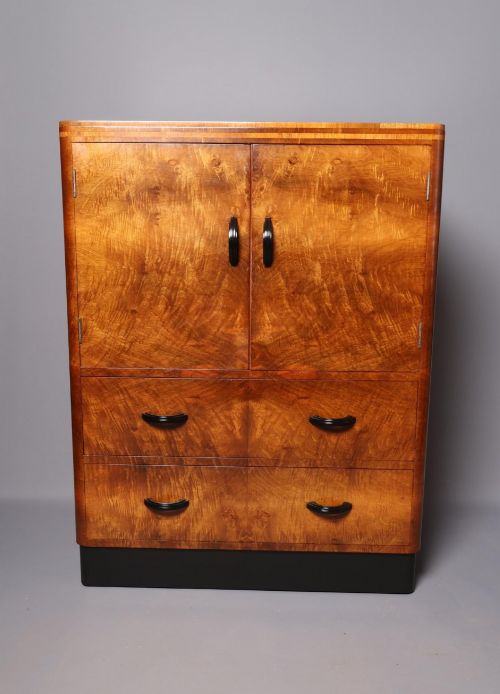
Bakelite handles on a burr walnut facade offer a tactile reminder of the era's early plastics revolution.
Variations in Quality
Quality in these cabinets rests upon the selection and matching of wood veneers across the drawer fronts and doors, where symmetrical grain alignment indicates superior workmanship. The choice of exotic timbers, such as burr walnut or rosewood, elevates the finish.
The integration of original metal, brass, chrome, or bakelite handles and fittings preserves the integrity of the design. Structural precision in the drawer runners and cabinet doors distinguishes standard production from finer atelier output.
Betty Joel·Heal's
The 1930s Tallboy Cabinet Glossary
- Tallboy
- A tall chest of drawers, often standing upon a lower chest or incorporating a cupboard section at the top. This form maximises vertical storage space.
- Compactum
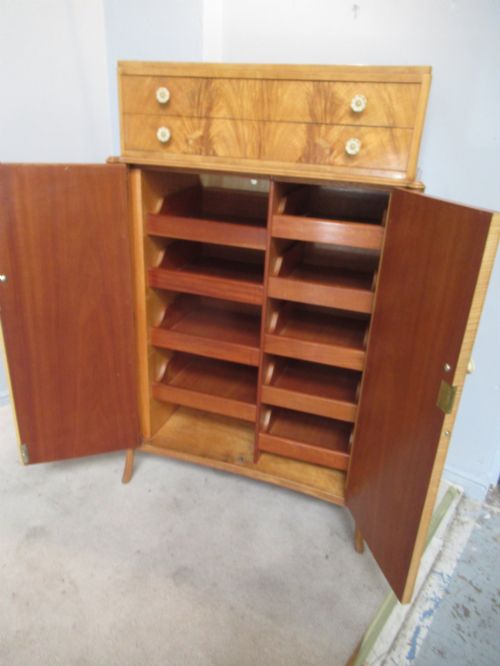
- A multi-functional wardrobe and chest combination designed for efficient clothing storage. It typically includes hanging space alongside smaller drawers and shelves.
- Art Deco
- A design style characterised by sleek geometric shapes, streamlined forms, and rich materials that dominated the interwar period. It remains the defining aesthetic for these cabinets.
- Veneer
- A thin layer of figured wood applied over a secondary timber base to create decorative surfaces. Burr walnut and rosewood are frequent examples found on these pieces.
- Swedish Grace
- A refined neoclassical design movement bridging classical tradition and early modernism in Scandinavian furniture. Pieces from this tradition emphasise pared-down elegance.
1930s Tallboy Cabinet: Frequently Asked Questions
What is a 1930s tallboy cabinet?
A 1930s tallboy cabinet is a vertical furniture piece designed for bedroom storage, combining drawers and sometimes cupboards in a single tower unit.
Most examples from this decade showcase Art Deco styling, utilising figured walnut, oak, or maple veneers to create striking geometric front designs.
How were 1930s tallboy cabinets used?
These cabinets served as primary bedroom storage for garments, linens, and personal items where floor space was restricted.
Compactum variations often provided specialised internal compartments, hanging sections, and stacked drawers to organise a complete wardrobe within one footprint.
How do I identify an Art Deco tallboy?
Art Deco tallboys are distinguished by symmetrical wood grain patterns, stepped architectural outlines, and streamlined silhouettes free of fussy carving.
They frequently feature contrasting handles made from chrome, brass, or bakelite that accentuate the geometric geometry of the cabinet doors and drawers.
How do I fit a tall cabinet into a modern room?
Because these cabinets are built vertically rather than horizontally, they provide high storage volume while taking up minimal floor space.
Their polished walnut or limed oak surfaces allow them to act as statement focal points against neutral walls in contemporary bedrooms or hallways.