
1930s Mechanical Pocket Watch
A 1930s mechanical pocket watch brings daily horological reliability to the pocket through period Swiss movements and classic metal cases.
1930s Mechanical Pocket Watch
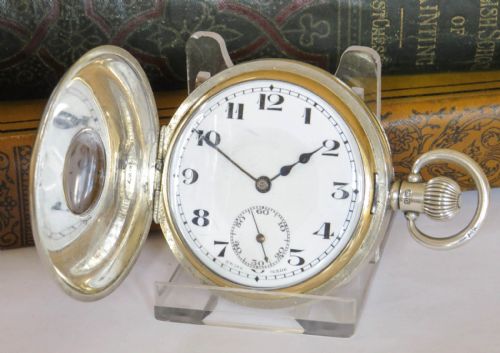
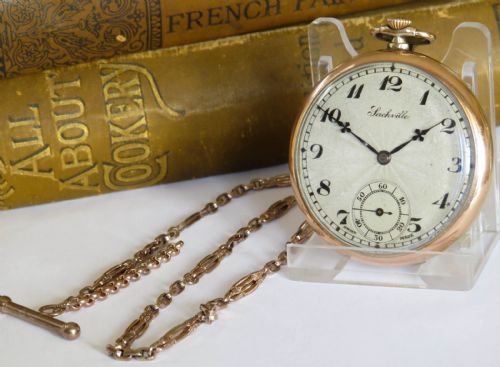
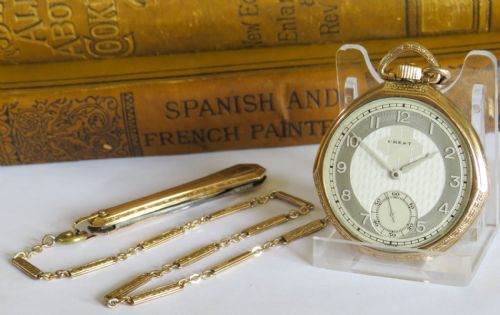
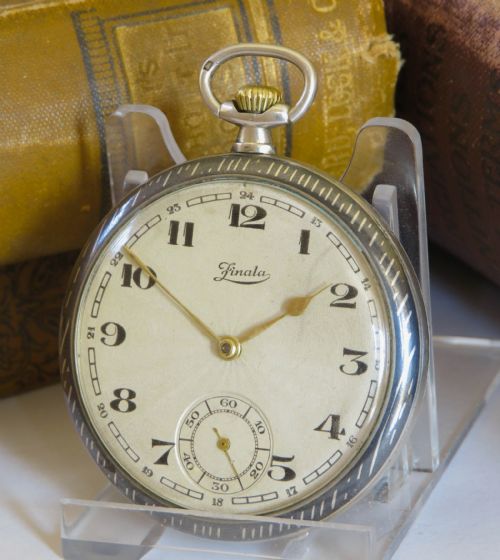
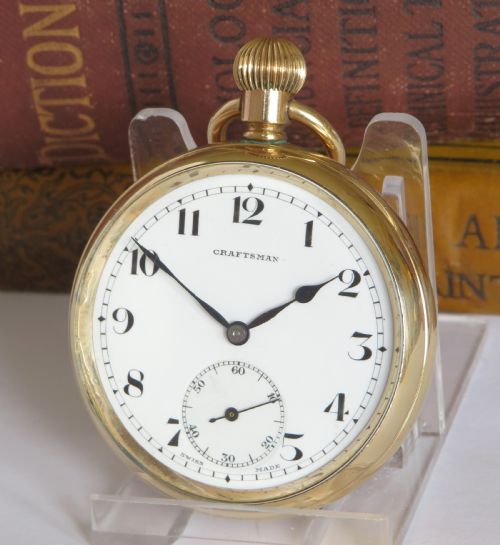
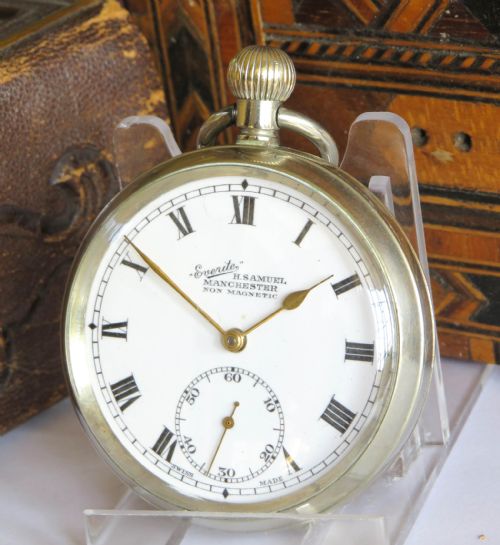
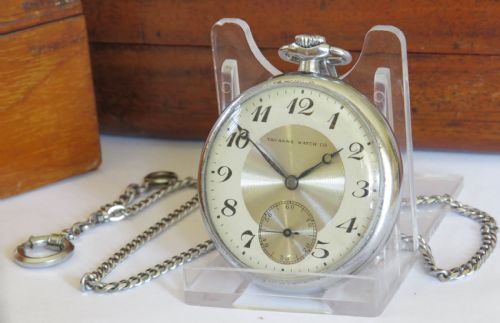
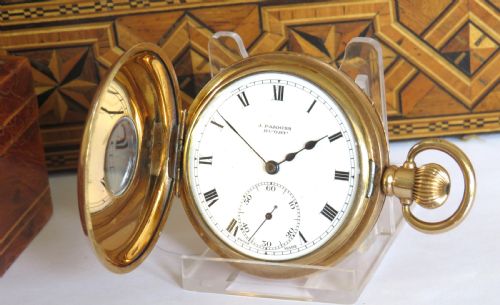
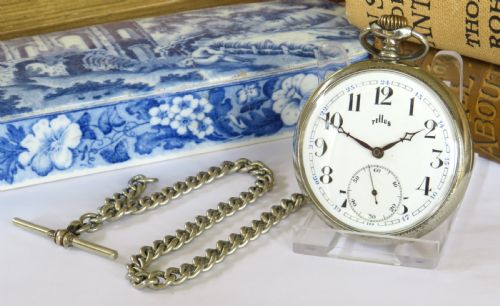
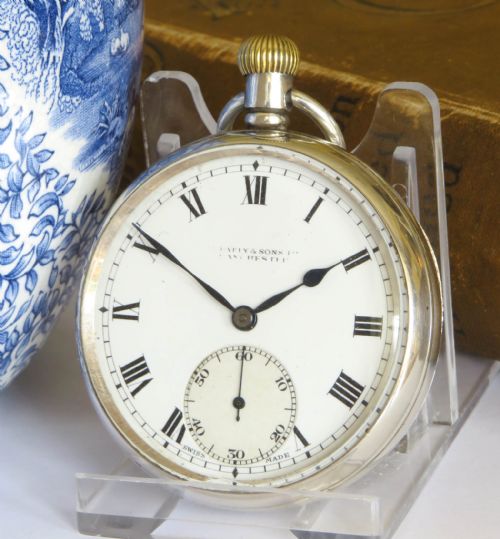
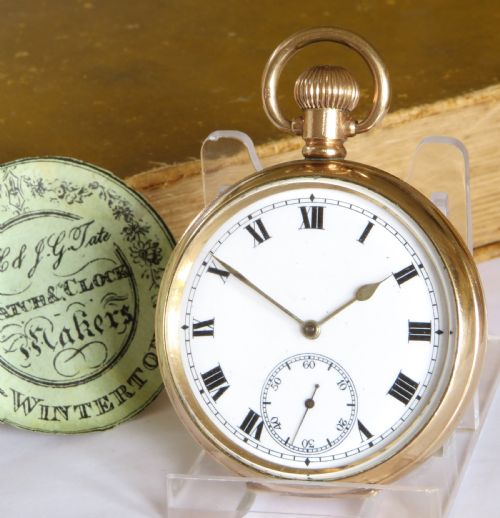
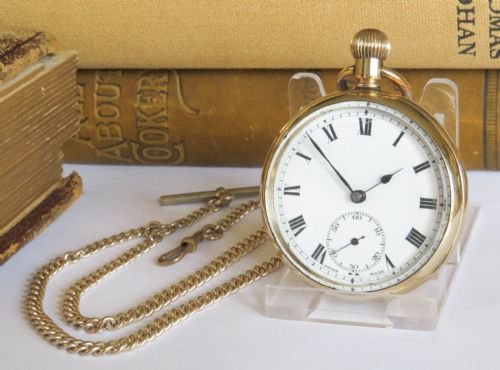
A 1930s mechanical pocket watch represents the robust timekeeping tools worn across the interwar period and into the opening years of the Second World War. These portable timepieces survive in open faced, half hunter, and full hunter case configurations, frequently accompanied by matching chains.
The versions most commonly met on this page originate from Swiss horological workshops or British retailers, spanning the 1930 and 1940 periods. Buyers encounter standard pocket watches alongside specialised chronographs and presentation pieces inscribed for bravery or local fishermen groups.
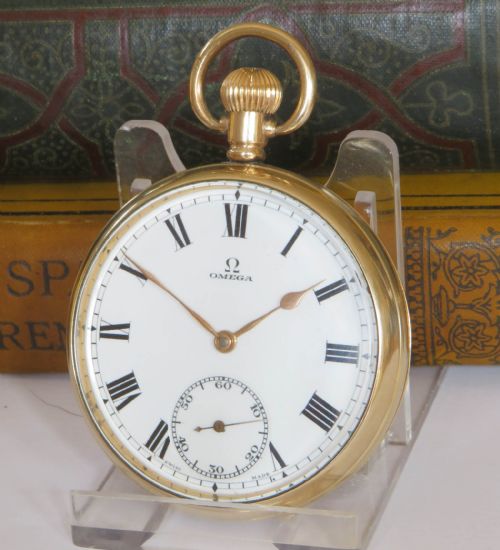
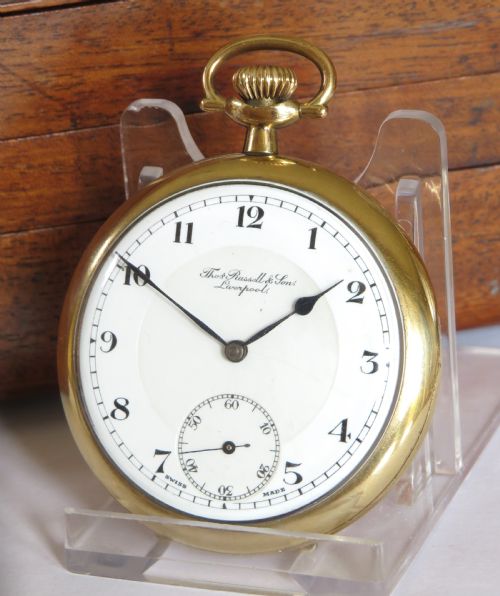
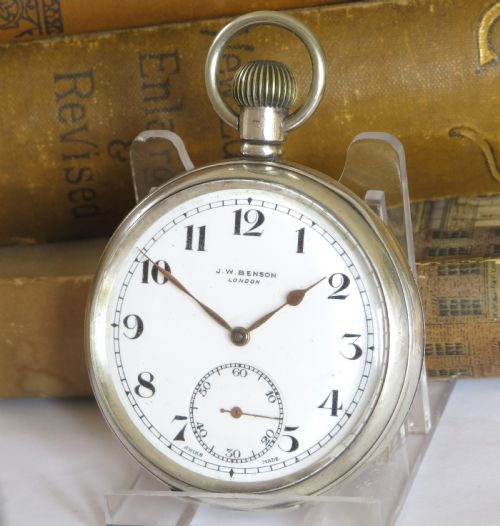
Makers represented include established houses such as Omega, Zenith, Cyma, and Tavannes, alongside retailer commissions from names like H Samuel and J W Benson. Each piece relies entirely on manual winding mechanics housed in durable metal casings.
How they were made
Internal movements rely on stem winding mechanical engineering developed by Swiss horologists, incorporating chronographs and lever escapements. Skilled practitioners combined metal casting, stamping, and delicate gear assembly to produce reliable pocket watches.
Some pocket watches recorded dramatic history, carrying inscriptions for bravery awards and local fishermen groups.
What varies in quality
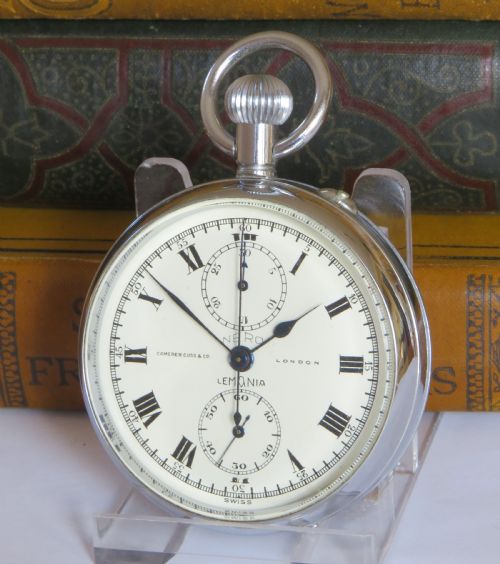
Quality separates mass-market retailer offerings from specialised Swiss chronographs and presentation pieces awarded for bravery. Precision of the movement and the presence of signed dials by makers like Lemania or Omega distinguish the finer tier.
Case materials also alter the grade, with solid silver housings and specialised niello decoration sitting above standard chrome or brass metal variants. The inclusion of original matched chains and half hunter protective covers adds to the completeness of the piece.
Thomas Russell and Son·H Samuel·J W Benson·Nero Lemania
The 1930s Mechanical Pocket Watch Glossary
- Hunter pocket watch
- A pocket watch featuring a spring-loaded metal cover that snaps shut to protect the glass dial. This style requires the user to press a crown button to reveal the face.
- Half hunter pocket watch
- A case design with a small glass aperture or transparent central window on the outer lid. This allows the wearer to check the hands without opening the full cover.
- Chronograph
- A mechanical watch equipped with a separate sweep second hand for measuring elapsed time intervals. These movements require sophisticated gear trains within the inner chassis.
- Albert chain
- A short length of metal chain attached to a pocket watch and secured to a waistcoat buttonhole. These accessories often match the metal finish of the watch case.
- Stem winding
- A mechanism where the mainspring is tensioned by rotating the winding crown situated at the pendant. This replaced earlier key-wound systems.
1930s Mechanical Pocket Watch: Frequently Asked Questions
How do I wind a 1930s pocket watch?
Gently rotate the crown at the top of the pendant in a clockwise direction until firm resistance is felt. Avoid overwinding, as this can strain the internal mainspring.
Most mechanical movements require this action daily to maintain accurate timekeeping throughout use.
What is the difference between open faced and hunter watches?
An open faced watch exposes the glass dial directly to the air for immediate reading. A hunter watch includes a hinged metal lid that shields the face from knocks.
Both styles utilise the same internal stem winding mechanical movements.
Can I wear a pocket watch without a waistcoat?
Pocket watches secure easily to belt loops or jacket pockets using an albert chain. The chain anchors the timepiece safely while resting in a pocket.
This method allows daily wear with modern clothing styles.