

1930s Low Table
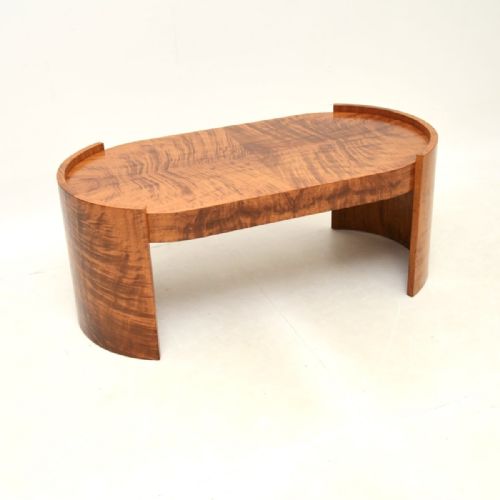
A 1930s low table brings distinct period geometry and rich wood grain to a sitting room.
1930s Low Table
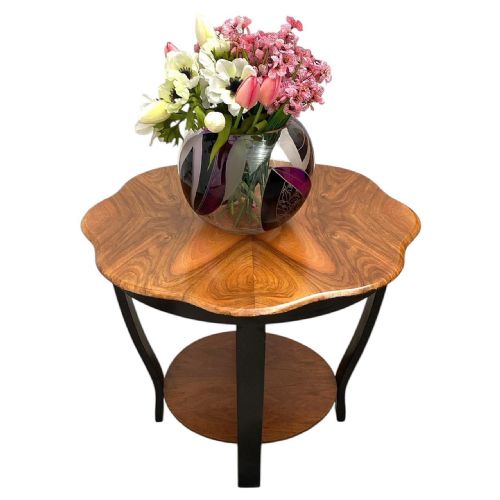
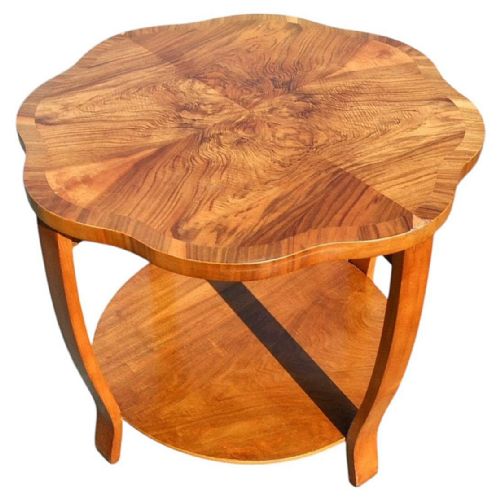
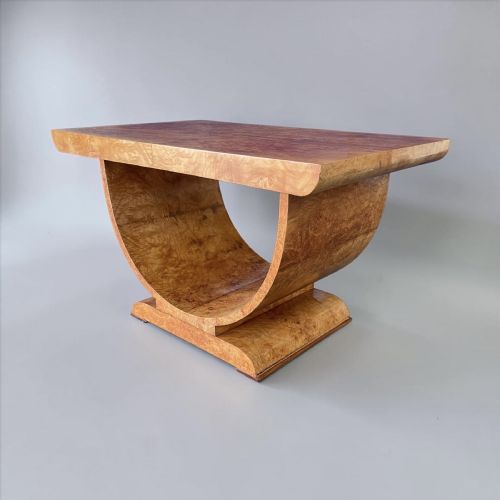
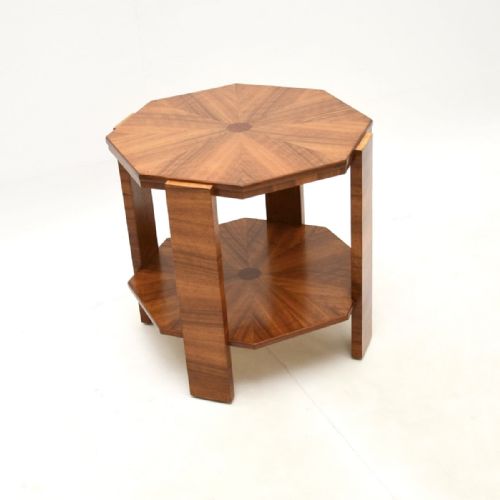
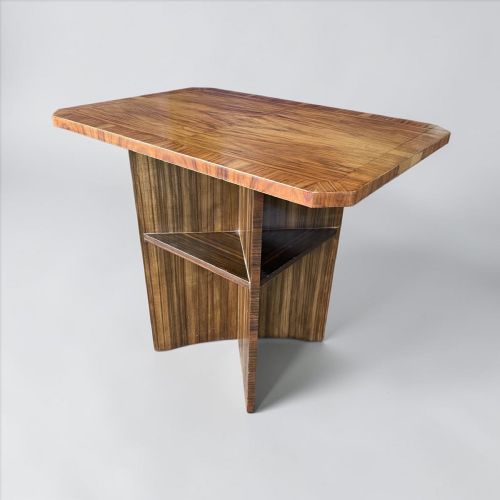
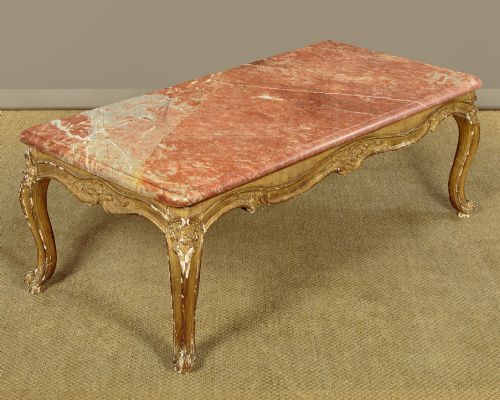
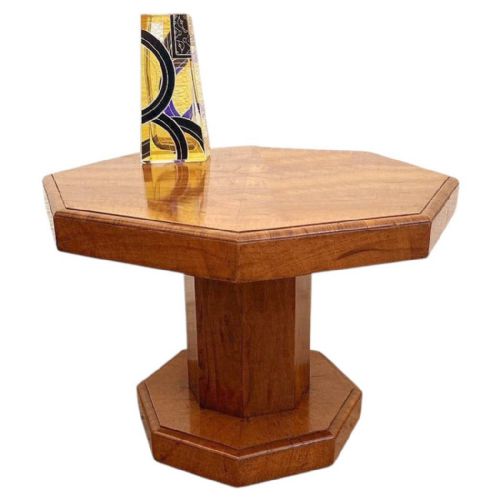
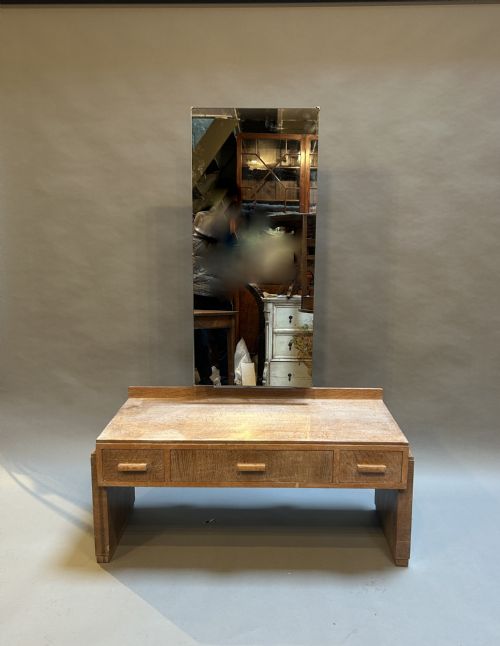
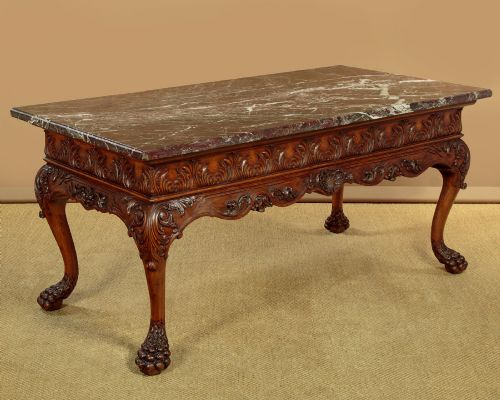
A 1930s low table primarily takes the form of a coffee table, often built with two tiers to add display space beneath the main surface. These pieces sit low to the ground and frequently belong to the Art Deco style, though revival styles also appear.
The materials span several distinct woods, with walnut and burr walnut veneer appearing most often alongside oak, birch, and maple. English and continental makers produced these items in various geometric and rectangular shapes.
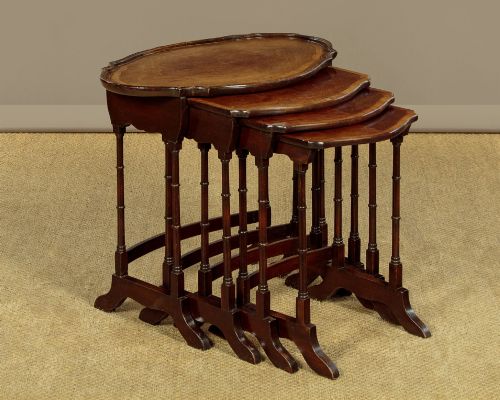
Beyond standard coffee tables, the selection includes nests of tables and occasional side tables sharing the same period characteristics. Buyers encounter pieces ranging from simple oak designs to richly figured veneered examples.
How they were made
Cabinet makers applied figured veneers like burr walnut, burr maple, and birds eye maple over solid core timbers to create striking symmetrical patterns on the top surfaces. This technique allowed workshops to display expensive grain configurations efficiently.
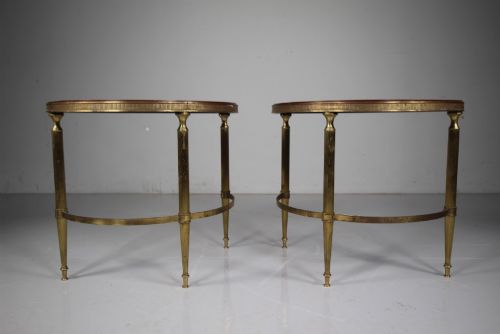
Construction frequently incorporated solid woods such as oak and walnut for frames and legs, sometimes paired with glass inserts, brass mounts, or leather top panels. French and English examples utilised traditional joinery methods suited to the clean lines of the period.
1930s Low Table Retail Price Guide 2026
Typical asking prices for 1930s low table among the pieces listed under this phrase on Sellingantiques today, from the lower quarter to the upper quarter. They describe what is for sale here now, not the wider market.
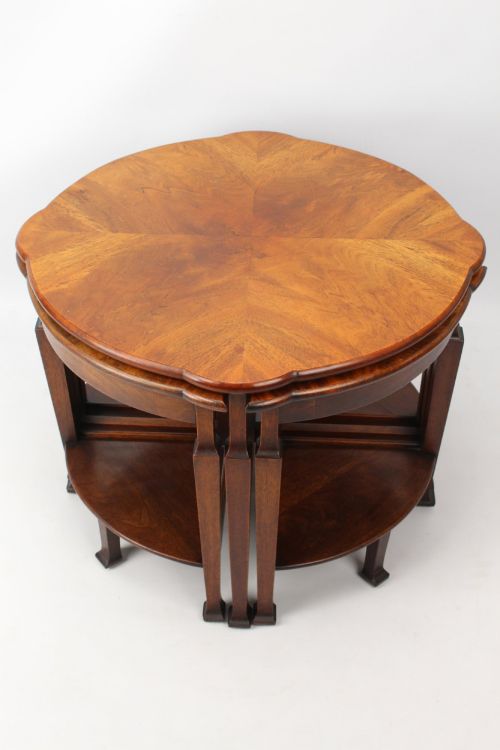
A nest of five tables challenges standard furniture geometry by stacking an improbable number of surfaces into a single footprint.
What varies in quality
The selection of timber veneer dictates much of the visual merit, with deeply figured burr walnut or exotic birch standing apart from plain or utilitarian oak surfaces. The symmetry and book-matching of the grain across the table top show the skill of the original workshop.
Construction depth and secondary materials also divide standard pieces from finer examples. Heavy glass tops, solid brass detailing, and secondary tiers with complex joinery elevate the overall execution of the design.
Heals·Gilbert Rohde·Bowman Brothers
The 1930s Low Table Glossary
- Art Deco
- A design style characterised by sleek lines, geometric shapes, and stylised motifs that dominated the interwar period. It influences the silhouette of most tables from this era.
- Burr walnut
- A prized wood veneer taken from the wart-like growths on walnut trees, yielding swirling, organic patterns. It forms the decorative surface on many high-end tables.
- Two tier
- A furniture construction featuring a main surface plate positioned above a secondary lower shelf. This layout provides extra storage for books or small objects.
- Veneer
- A thin slice of ornamental wood glued over a sturdier secondary timber base. This method protects costly woods while offering decorative freedom.
- Nest of tables
- A set of graduated tables designed to slide neatly beneath one another when not in use. They save floor space while maintaining a unified style.
1930s Low Table: Frequently Asked Questions
How do I style a 1930s low table?
Pair the geometric lines of the table with plain seating to let the wood grain stand out without visual clutter. Keep decorative objects minimal to honour the clean architecture of the period.
Use coasters to protect sensitive wood veneer and leather surfaces from moisture and heat marks. Position the piece centrally in front of a sofa for balanced room proportions.
What is the difference between walnut and burr walnut?
Standard walnut displays a straight, predictable grain pattern derived from the main trunk of the tree. It offers a warm and uniform appearance suitable for everyday furniture.
Burr walnut comes from irregular tree growths, creating turbulent and highly decorative patterns. Tables featuring this veneer command visual attention through their complex natural designs.
Were all 1930s low tables made in England?
English workshops produced a significant share of the walnut and oak tables seen today. These often feature straightforward proportions and durable construction.
Continental makers from France, Sweden, and other regions also contributed distinct aesthetic choices. Scandinavian pieces frequently employ birch or satin birch with lighter tones.
How do I clean a wood veneer table?
Dust the surface regularly with a soft, dry cloth to prevent grit accumulation on the delicate veneer layer. Avoid excessive water or harsh chemical cleaners that can lift the glue beneath.
Apply a quality beeswax periodically to nourish the wood and maintain a gentle sheen. Buff the surface gently after application to protect the finish.