
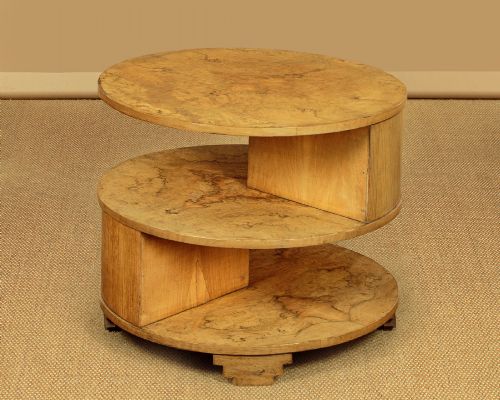


Tiered Round Coffee Table
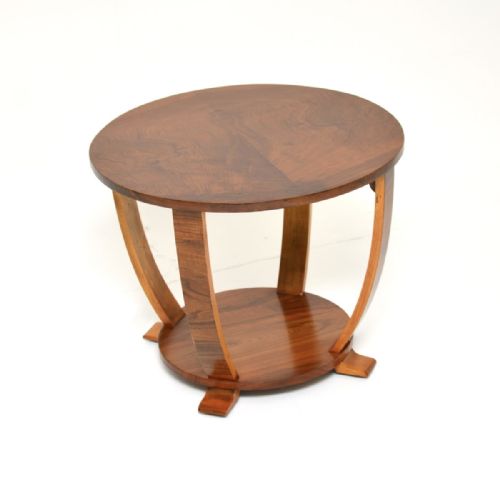
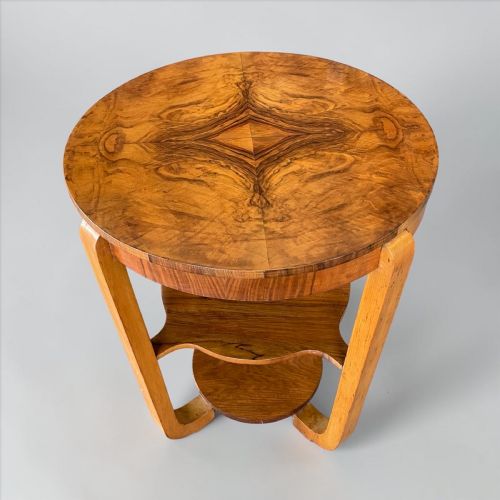
A tiered round coffee table brings layered surface space and striking grain patterns to a sitting room.
Tiered Round Coffee Table
A tiered round coffee table offers multiple circular levels for display and daily use within living spaces. These pieces combine compact footprints with functional lower shelves, making them practical additions to seating areas.
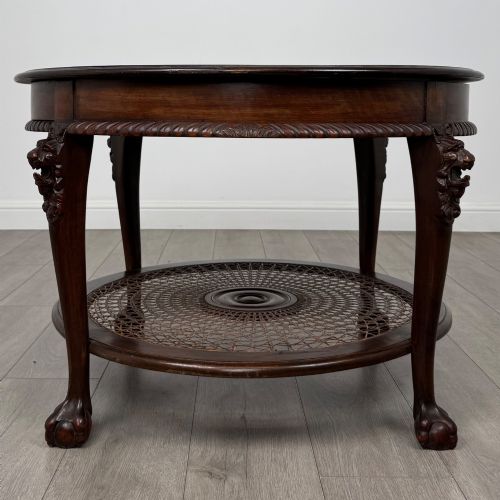
Buyers searching for a tiered round coffee table will frequently encounter items originating from the 1930s, alongside Edwardian examples. The selection spans various forms including occasional tables, side tables, and centre tables adapted for coffee table use.
English and Scandinavian origins appear among the listed items, showing distinct regional design choices. Art Deco and Edwardian aesthetics dominate these circular configurations, bringing clean geometric lines or traditional revival details to the room.
How they were made
Cabinet makers utilised a variety of timbers such as walnut, mahogany, oak, maple, and satin birch to construct these circular tables. Timber selection dictated the structural foundation of each tier.
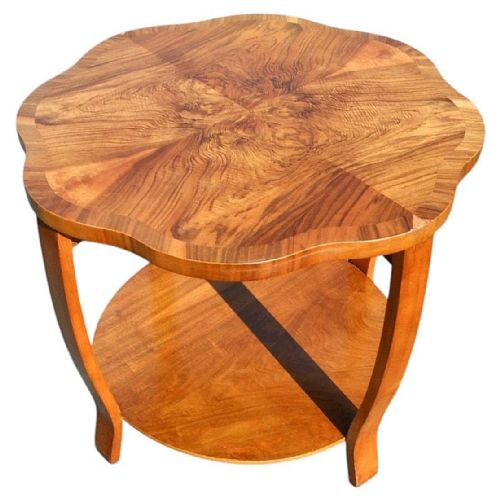
Veneers including walnut veneer, burr veneer, and figured walnut were applied over core timbers to create striking decorative surfaces on the tabletops. Secondary materials like cane and rosewood further augmented the textural contrast of the designs.
The listings feature circular tables spanning from the Edwardian period through to 1930s Art Deco designs, constructed in walnut, mahogany, oak, and maple.
What varies in quality
The selection and arrangement of timber veneers dictate the visual appeal of the upper and lower tiers. Figured grain patterns and balanced matching across circular surfaces elevate the visual interest.
The integration of multiple tiers requires precise joinery to ensure stability between the circular levels. Tables featuring contrasting secondary woods or subtle decorative inlays demonstrate higher execution by the maker.
The Tiered Round Coffee Table Glossary
- Tiered
- Having multiple levels arranged one above another. This construction maximises surface area whilst maintaining a compact footprint in a room.
- Veneer
- A thin slice of decorative wood glued to a thicker base timber. This technique allows cabinet makers to display striking grain patterns.
- Occasional table
- A small movable table intended for specific, intermittent use. These pieces often serve beside seating furniture.
- Centre table
- A freestanding table designed to be viewed from all sides. They usually occupy a prominent position within a room.
- Figured walnut
- Walnut timber possessing an attractive, irregular grain pattern. It appears frequently on polished table tops.
Tiered Round Coffee Table: Frequently Asked Questions
What is a tiered round coffee table used for?
These tables provide a main surface for drinks and books while offering a lower shelf for additional storage. The split levels keep the room tidy by separating daily essentials from decorative items.
Their circular design allows smooth movement around seating areas without sharp corners. This makes them practical for busy family rooms.
How do I date an Art Deco coffee table?
Art Deco coffee tables typically date from the 1920s to the 1930s. They feature streamlined geometric forms and polished wood surfaces.
Look for characteristic timbers such as figured walnut, satin birch, and birds-eye maple. These materials define the era's distinct aesthetic.
What is the difference between an occasional table and a coffee table?
Occasional tables were historically made for specific, intermittent tasks around the home. Many examples from earlier periods have been adopted as coffee tables today due to their convenient proportions.
Their heights and surface areas suit modern seating layouts well. They function similarly in contemporary living spaces.
How do I care for a veneered walnut table?
Protect the polished surface from direct heat and moisture by using coasters and placemats. Dust the timber regularly with a soft, dry cloth.
Avoid placing the table in direct sunlight to prevent the veneer from fading over time. Gentle waxing helps maintain the lustre of the wood.