

1930s Lighting
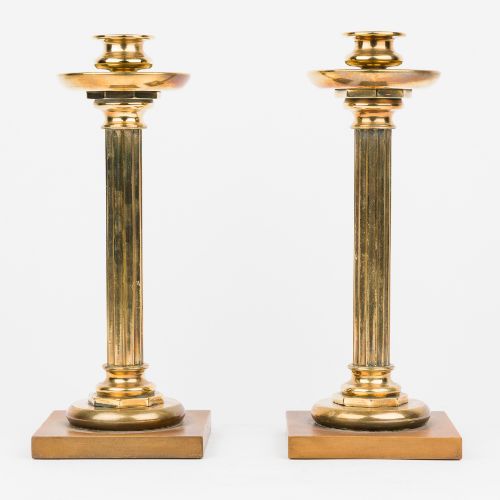
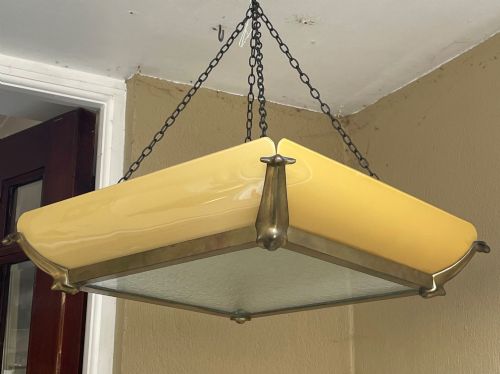
These 1930s lighting pieces bring architectural form and industrial sheen into a room.
1930s Lighting
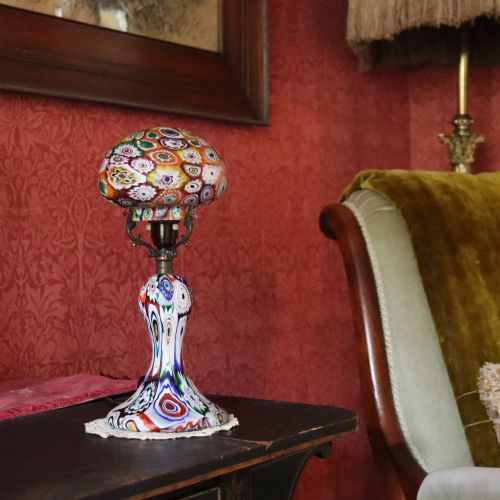
When you search for 1930s lighting, you find fixtures defined by geometric lines and industrial materials. The selection spans table lamps, floor lamps, hanging lights, and wall lights originating from the nineteen-twenties and nineteen-thirties.
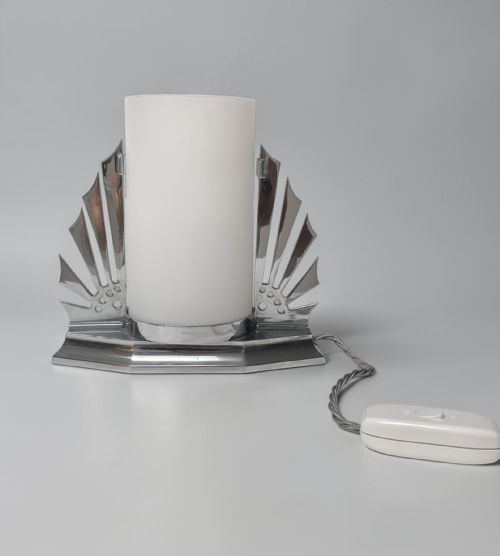
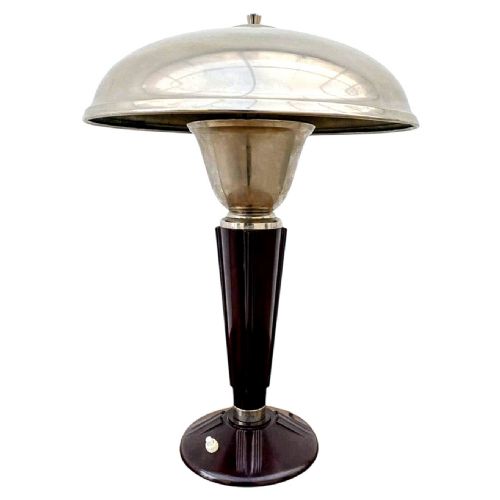
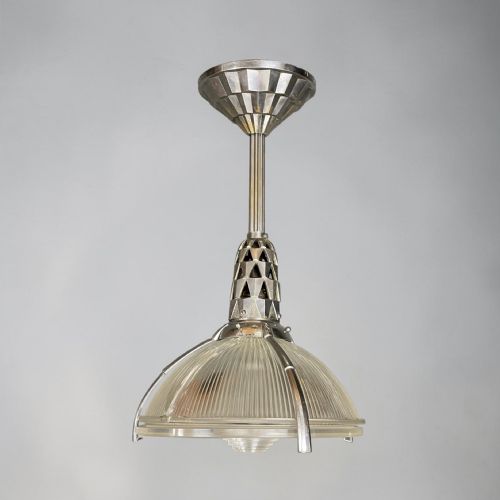
Art Deco and Machine Age styles dominate the pieces available. You encounter chrome, brass, and glass assembled into sculptural forms that reflect the design priorities of the period.
Materials and construction
Makers utilised metals like chrome, brass, copper, and cast iron alongside carved wood, oak, and marble bases. These materials provided the weight and industrial finish required for the geometric styles of the era.
Cast iron owl lamps on this page began their lives as fireplace andirons before finding new purpose as desk lighting.
Assessing quality
Quality rests in the weight of the metalwork and the clarity of the glass. Superior pieces exhibit clean casting, robust marble or metal bases, and balanced proportions.
The sophistication of the shade and the integrity of the original mounts separate standard production items from finer studio pieces.
Fratelli Toso·Eileen Grey·Émile-Jacques Ruhlmann·Hille·Charles Schneider·Lacroix·Lalique
The 1930s Lighting Glossary
- Art Deco
- A design style characterised by sleek geometric shapes, streamlined forms, and modern industrial materials. It dominated decorative arts throughout the nineteen-twenties and nineteen-thirties.
- Machine Age
- An early twentieth-century aesthetic celebrating industry, technology, and functionalism. Objects in this style display polished chrome, steel, and unadorned surfaces.
- Opaline glass
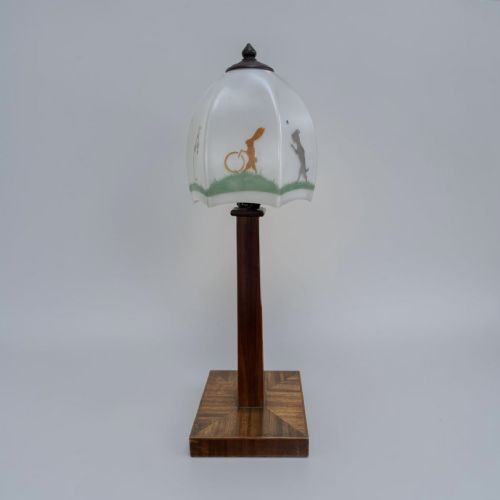
- A milky, semi-translucent glass used extensively for lamp shades. It softens harsh electric light into a warm, even glow.
- Slip shade
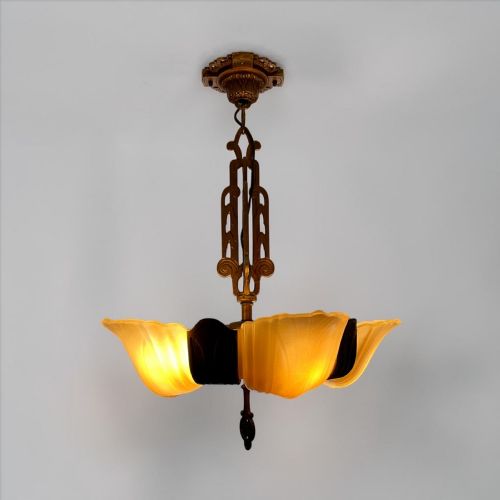
- A moulded piece of art glass that slots directly into a metal frame on a ceiling light or sconce. These shades define many American fixtures of the era.
- Standard lamp
- A British term for a freestanding floor lamp designed to illuminate a specific corner or seating area.
1930s Lighting: Frequently Asked Questions
How do I wire vintage lamps?
Most vintage pieces require rewiring to meet modern safety standards. A qualified electrician can replace old internal cables while preserving the original lamp body and switches.
Retaining the original plug or switch is possible in many cases, but the live and neutral wires inside must be renewed for safe daily use.
Are glass shades usually original?
Finding matching original glass shades on period lamps requires careful inspection. Replacements exist, so checking the collar and glass texture helps confirm authenticity.
Many lighting designs relied on standard shade sizes of the decade, meaning period-correct replacements can match a base from the same era.
Where do these lights work best?
These fixtures suit spaces needing strong geometric accents or metallic warmth. Desk lamps and wall lights anchor reading corners and hallways effectively.
Floor lamps and hanging lights provide ambient illumination that complements mid-century or contemporary interiors without clashing.
How do I identify Art Deco lighting?
Look for stepped motifs, symmetrical sunburst patterns, and combinations of polished chrome with frosted glass. The forms prioritise vertical lines and machine-age geometry.
Materials tend to be heavy, combining cast metals, brass, alabaster, and opaline glass rather than delicate ceramics or textiles.