
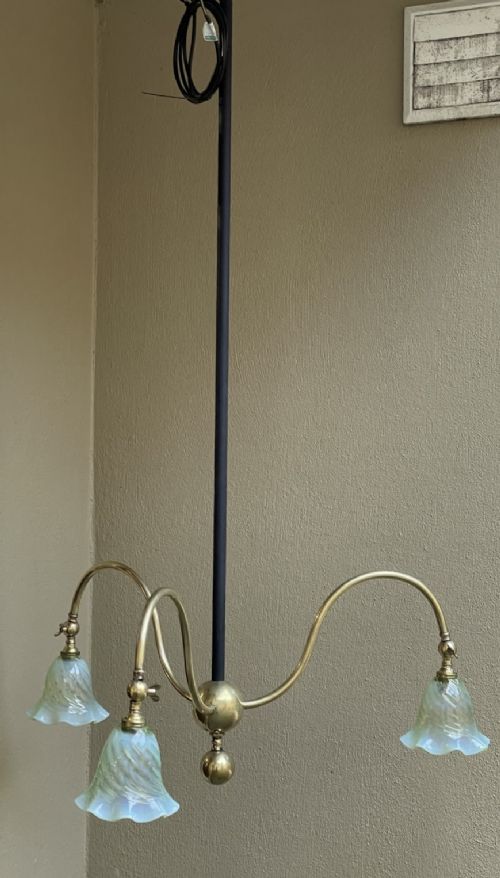
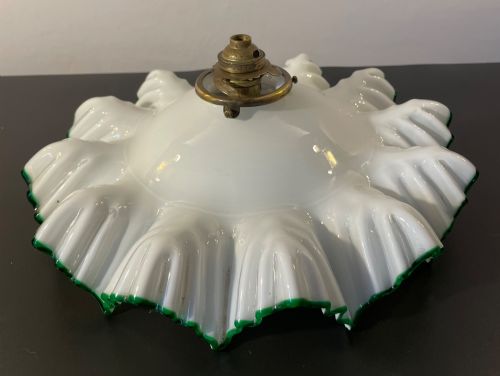
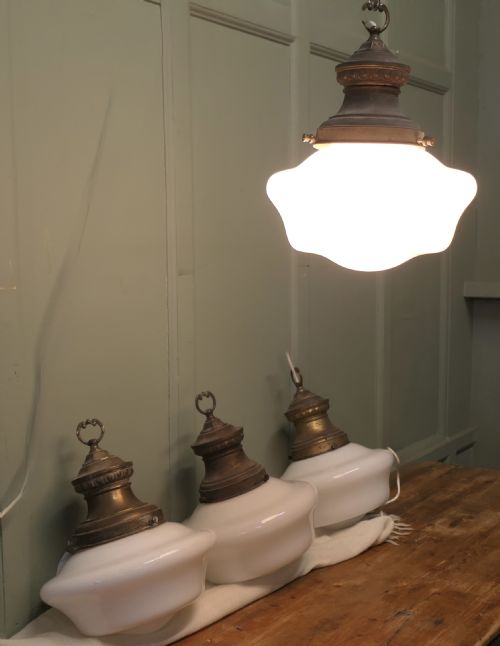
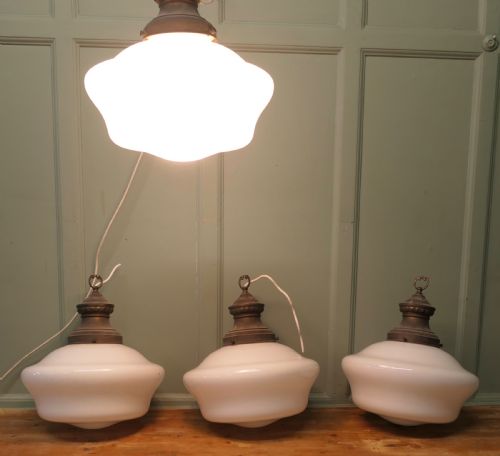
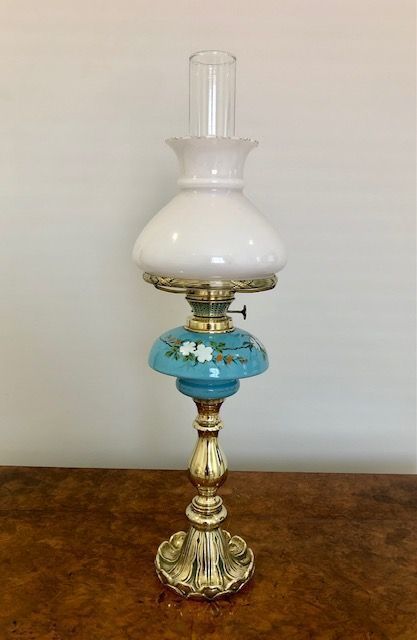


Opal Glass Light
When you choose an opal glass light, you acquire a luminous fixture designed to diffuse a soft, even glow through milk-white or opalescent glass.
Opal Glass Light
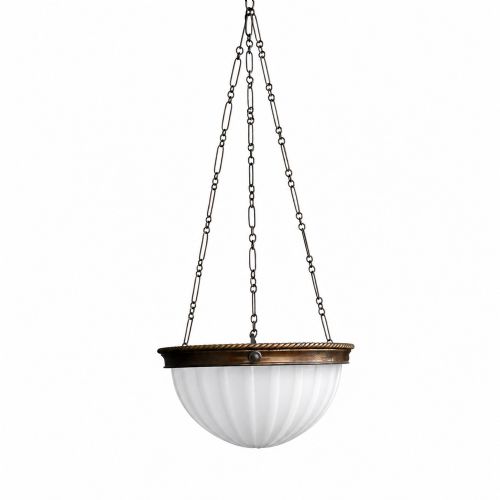
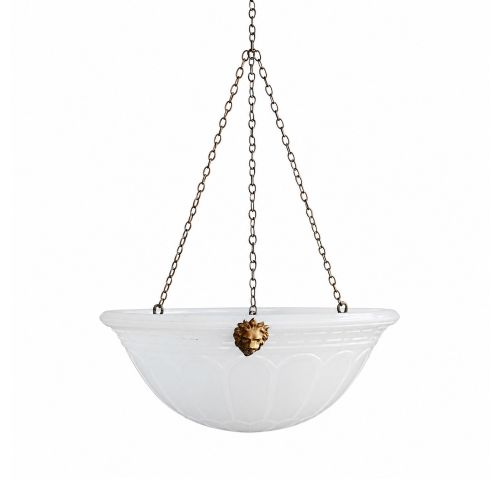
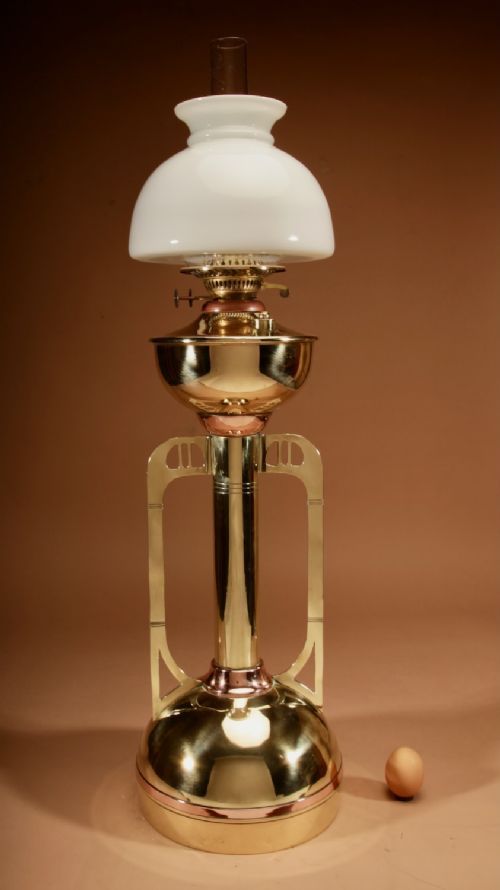
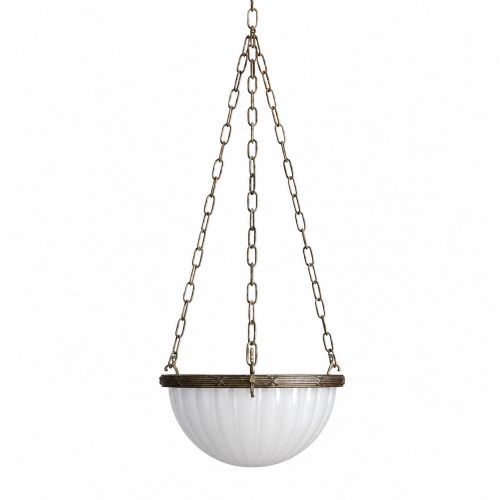
An opal glass light encompasses pendants, table lamps, wall sconces and ceiling fixtures that utilise translucent white glass to soften illumination. These pieces emerge from periods spanning the Victorian era through the Edwardian years and into Art Deco and Mid-Century designs.
You will frequently encounter hanging pendants and ceiling globes paired with metal galleries, alongside period table lamps designed for domestic or commercial spaces. The forms range from simple conical shades to large spherical globes and detailed Arts and Crafts bowls.
The aesthetic bridges utilitarian workshop lighting and decorative domestic fittings, drawing on styles such as French Country, Industrial and Secessionist. This variety allows the pieces to sit comfortably in both modern and traditional interiors.
Materials and construction
The primary components combine blown or pressed glass with structural metal mounts, galleries and suspension chains. Makers utilised opal, opaline, moonstone and milk glass to achieve the characteristic milky opacity that conceals the bulb while diffusing light evenly.
Metalwork supporting the glass typically involves brass, copper, chrome or iron, often shaped according to the prevailing style of the period. Industrial and Arts and Crafts examples favour robust copper and brass galleries, whereas later Art Deco pieces frequently incorporate chrome and polished metal.
Listings feature opal glass lighting from the Victorian era through Art Deco and Mid-Century Modern styles, utilising brass, copper, and chrome.
Assessing quality and craftsmanship
Quality reveals itself in the weight and consistency of the glass, where superior examples display an even density and a subtle, fire-polished surface without heavy internal bubble distortion. The thickness of the material and the softness of the light diffusion separate standard utilitarian items from finer decorative productions.
Metal components also dictate the standard of the piece, particularly the precision of the fitter galleries, the weight of the cast brass or copper, and the integrity of any original period fittings or chains. Well-executed maker mounts and balanced proportions distinguish the more accomplished examples.
Gustave Serrurier Bovy·P Maynadier·Ezan
The Opal Glass Light Glossary
- Opal glass
- A translucent, milky-white glass produced by adding bone ash, tin or other opacifying agents to the molten batch. It softens harsh glare while transmitting a warm, diffuse glow.
- Opaline glass
- A term often applied to French art glass of similar milky appearance, sometimes showing delicate shifts in tone towards blue or pink when lit. It appears frequently in decorative Victorian and Edwardian objects.
- Gallery
- The metal collar or ring that grips the neck of a glass shade and connects it to the suspension rod, chain or lamp body. These are commonly cast in brass, copper or bronze.
- Moonstone glass
- A specific variety of translucent white glass characterised by a soft, shimmering texture resembling the gemstone. It was widely utilised in early twentieth-century lighting.
- Torchiere
- An uplighter floor lamp or torch-style wall sconce designed to cast light upwards towards the ceiling. They feature prominently in Art Deco interior schemes.
Opal Glass Light: Frequently Asked Questions
What is an opal glass light?
An opal glass light is a historic lighting fixture featuring a shade made from milky, translucent glass designed to diffuse illumination evenly without harsh glare. These pieces range from industrial pendants to decorative domestic table lamps.
They were produced across multiple design eras, including Victorian, Edwardian, and Art Deco periods, combining the glass shade with metal components such as brass, copper, or chrome galleries.
Where were they used?
These fixtures served practical and decorative roles in various settings, including domestic hallways, offices, workshops, and commercial interiors. Industrial pendants lit factories and public buildings, while ornate table lamps and wall sconces adorned Victorian and Edwardian reception rooms.
Their ability to provide glare-free illumination made them popular in spaces requiring consistent, comfortable lighting throughout the day and evening.
How do I date an opal glass light?
Dating relies on observing the combination of the glass shade style, the manufacturing technique, and the metal components of the gallery or mount. Early pieces often feature heavy brass or copper fittings associated with Victorian and Arts and Crafts design.
Later items from the 1930s typically incorporate geometric Art Deco silhouettes, chrome plating, or streamlined glass profiles. Examining the wiring methods and structural fixings also provides clues to the period of manufacture.
How do I clean an opal glass light?
Cleaning requires removing the glass shade from its metal gallery and washing it gently in warm, soapy water. Avoid harsh abrasives that might scratch the surface or damage the delicate milky finish of the glass.
Metal galleries should be wiped with a soft, dry cloth to preserve their original finish. Ensure all electrical parts remain completely dry and consult a qualified professional if rewiring is necessary.