





1930s French Sculpture
1930s french sculpture captures the streamlined energy of Art Deco through bronze figures, animal studies and tinted glass.
1930s French Sculpture
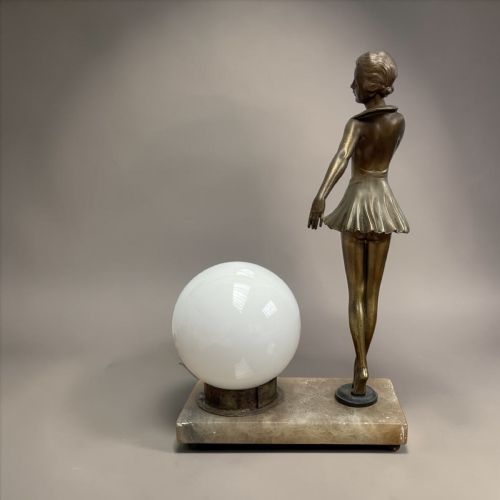
When you search for 1930s french sculpture, you encounter a distinct design vocabulary defined by the Art Deco movement. The pieces on this page span table lamps, bookends, paperweights and mantel clocks alongside standalone figures.
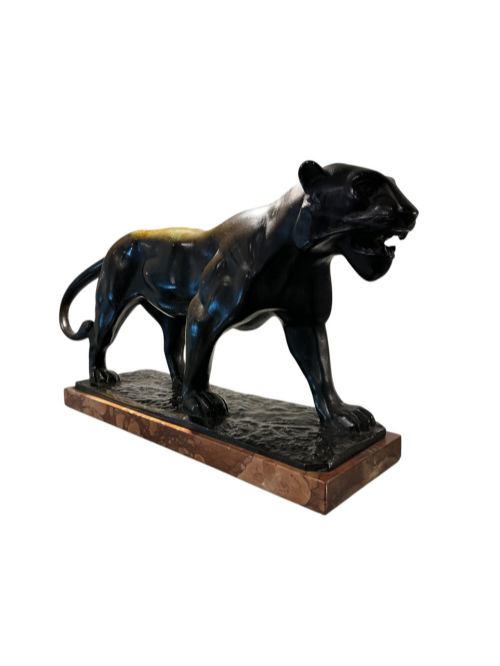
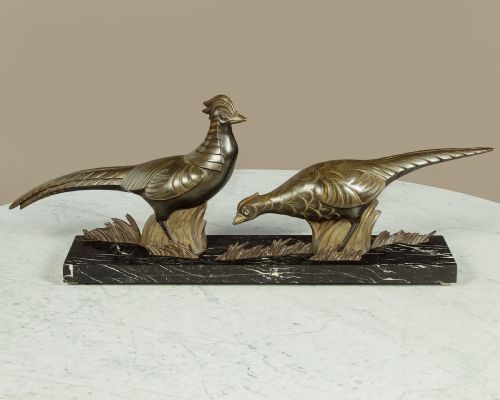
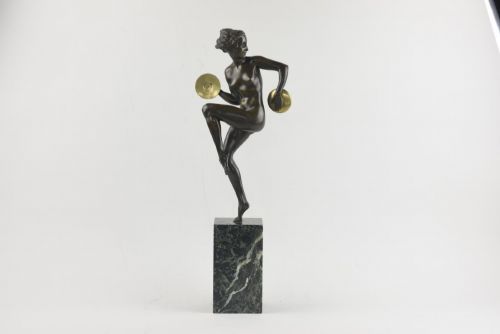
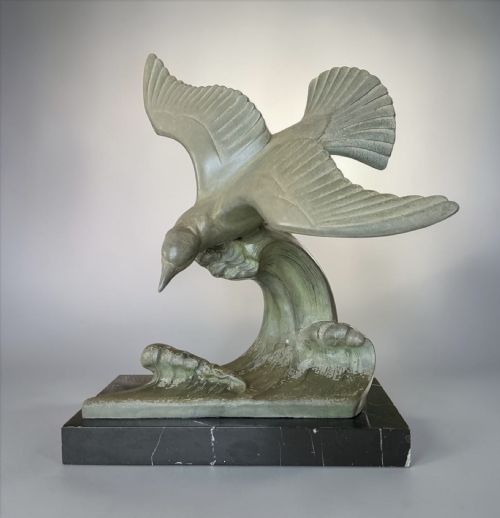
Human dancers, athletes and stylised animals dominate the available forms. Big cats such as panthers appear frequently alongside birds and hounds, usually mounted on contrasting marble bases.
Makers working in Paris during this era produced works that combined utility with high styling. Figures often double as lighting or timepieces, merging domestic objects with sculptural art.
Materials and technique
Foundries cast bronzes using the lost-wax method, capturing fine details in hair, drapery and musculature. Many metal works utilise patinated metal or spelter as an accessible alternative to solid bronze.
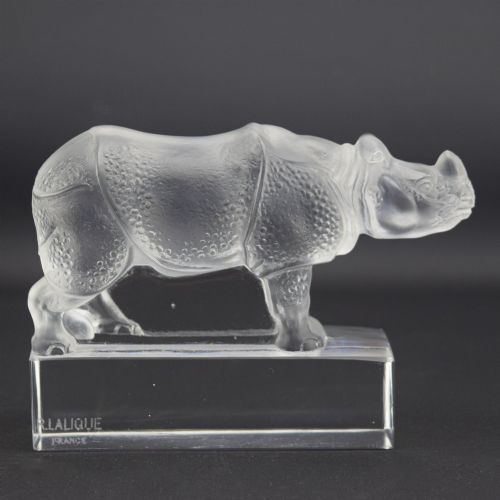
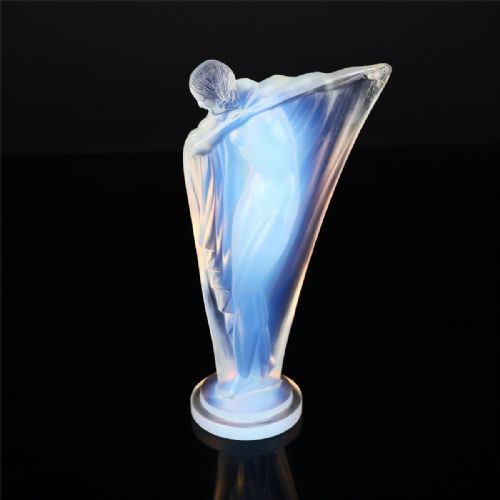
Moulded glass pieces from houses such as Lalique employ opalescent or stained finishes to catch the light. Carved wooden sculptures and terracotta busts demonstrate the period's breadth of media.
Cats with glass eyes glare perpetually from mantelpieces, guarding nineteenth-century time with unblinking feline vigilance.
Distinctions in quality
The choice of mounting material impacts the overall presentation. Thick marble bases with clean bevels provide stability and complement the metalwork better than plain or damaged stone.
Aurore Onu·Sibylle May·Rene Lalique·Eugene Emile Borga·Gilbert Privat·P. Sega·Demetre Chiparus·Alexandre Kelety·Geo Maxim·Irénée Rochard
The 1930s French Sculpture Glossary
- Spelter
- A zinc alloy commonly utilised as a less costly substitute for bronze in decorative figures. It accepts patination well but requires careful handling due to its relative softness.
- Patinated metal
- Metal treated with chemicals to produce a specific surface colour or aged finish. This technique highlights sculptural contours and protects the underlying material.
- Chryselephantine
- A term describing statues combining bronze and ivory. The technique creates realistic flesh tones contrasted against metallic garments.
- Opalescent glass
- Glass that displays milky, milky-blue or multi-coloured reflections when lit. Makers used this effect to give depth to moulded paperweights and lamp shades.
- Torchiere
- A tall floor lamp directing light upwards towards the ceiling. These pieces often feature tiered wooden or metal columns typical of the period.
1930s French Sculpture: Frequently Asked Questions
How do I spot a spelter figure?
Spelter is lighter than bronze and often shows grey metal beneath worn areas of patination. It tends to feel slightly softer to the touch.
Inspect the underside or hidden sections where the casting metal remains exposed to confirm the composition.
Where should I place a heavy marble base?
Heavy stone bases require sturdy furniture capable of supporting concentrated weight. Console tables or mantelpieces provide stable platforms.
Keep pieces away from direct edge placements where accidental knocks could dislodge the sculpture.
How do I clean patinated bronze?
Dust bronze and patinated metal gently with a soft, dry cloth. Avoid commercial cleaning liquids that strip the chemical finish.
Consult a professional restorer if the surface accumulates stubborn grime that brushing fails to remove.
What defines Art Deco sculpture?
Art Deco sculpture relies on clean geometric lines, stylised anatomy and dynamic movement. Figures often stretch or leap in theatrical poses.
Materials range from polished bronze to frosted glass, reflecting an era obsessed with modernity and speed.