





1930s Dressing Mirror
A 1930s dressing mirror brings geometric elegance and clean lines to a room, offering practical reflection through distinctive period craftsmanship.
1930s Dressing Mirror
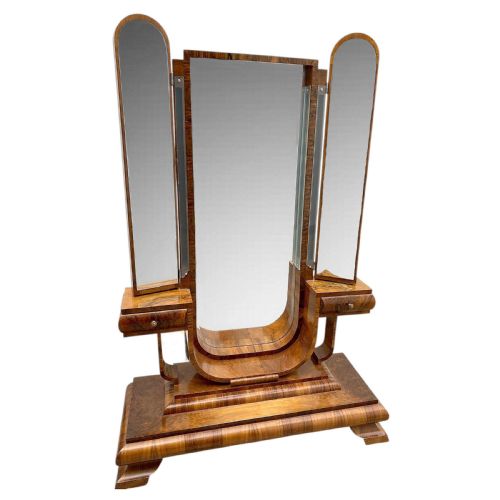
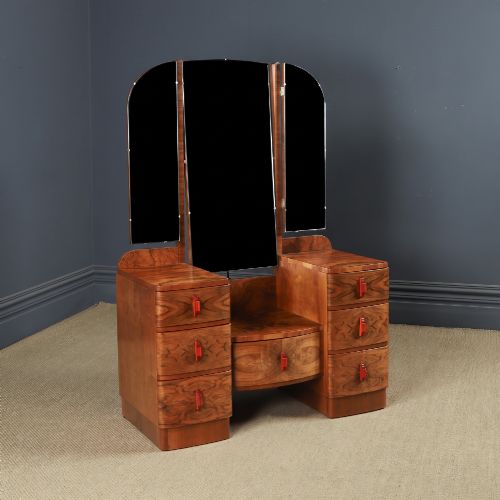
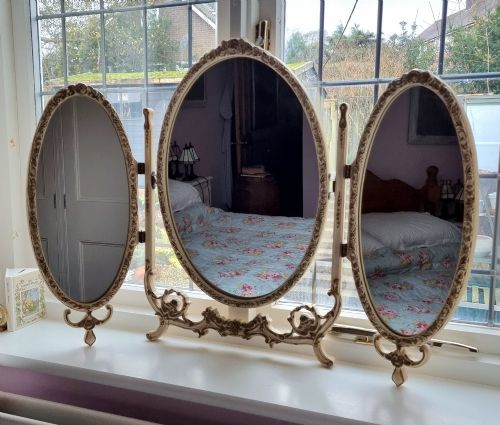
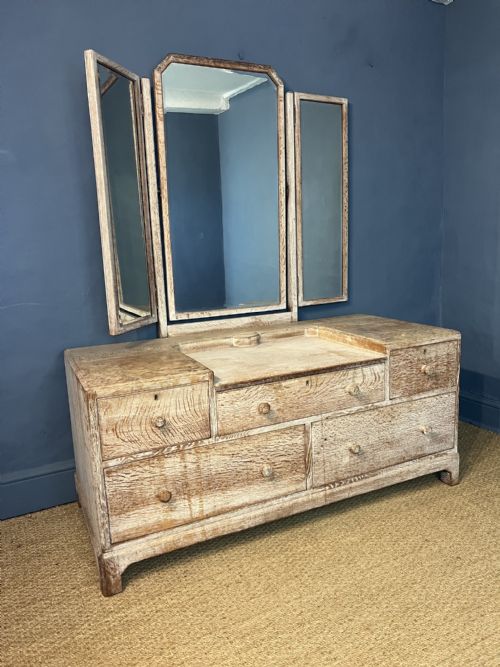
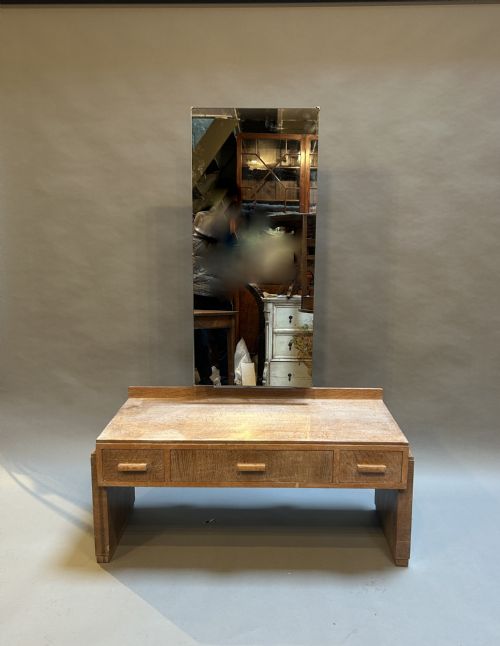
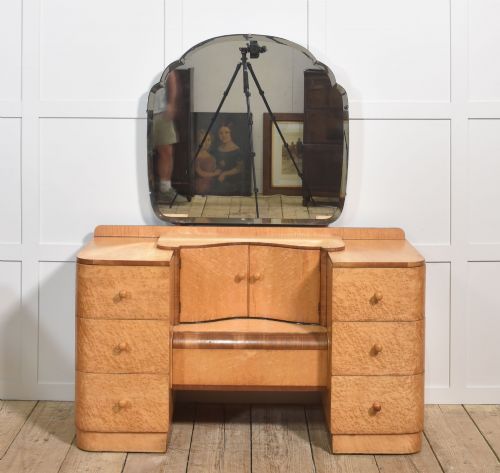
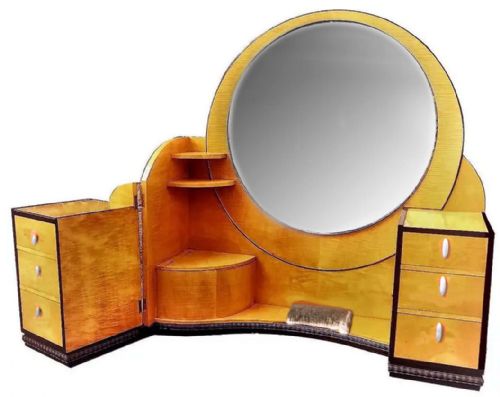
When you search for a 1930s dressing mirror, you encounter everything from small vanity pieces designed for tabletop use to substantial cheval mirrors and integrated dressing table glass. The most common iteration on this page is the adjustable triple mirror attached to a pedestal dressing table, alongside standalone cheval and easel formats.
Stylistically, these pieces lean heavily into Art Deco geometry, though examples span the Cotswold School, Swedish Grace, and occasional Rococo Revival influences. Forms vary from simple rectangular frames to sophisticated arched or stepped profiles that dominate the period aesthetic.
Distinctions in quality and execution
Quality rests primarily on the choice of timber veneers and the precision of the cabinetwork. Pieces by known makers exhibit superior grain matching, particularly in burr walnut and maple, and robust structural joinery that withstands daily tilting and adjusting.
The clarity and original state of the mirror glass, combined with the integrity of any associated metal or enamel work, separate standard production items from finer studio pieces.
1930s Dressing Mirror Retail Price Guide 2026
Typical asking prices for 1930s dressing mirror among the pieces listed under this phrase on Sellingantiques today, from the lower quarter to the upper quarter. They describe what is for sale here now, not the wider market.
Henry Williamson·Heals·Maurice Adams·Harry and Lou Epstein·Whytock and Reid·Betty Joel
The 1930s Dressing Mirror Glossary
- Cheval mirror
- A full-length mirror hung in a frame that allows it to be tilted back and forth on vertical pivots. These freestanding pieces usually sit directly on the floor.
- Guilloche enamel
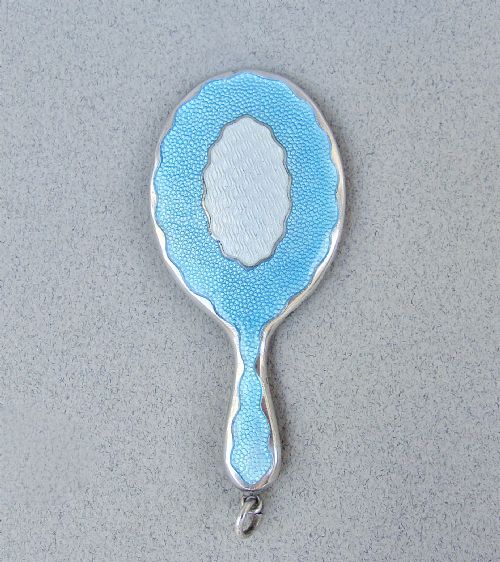
- A decorative technique where a precise, intricate pattern is mechanically engraved beneath a translucent enamel layer. It appears frequently on small personal accessories from this era.
- Pedestal dressing table
- A large vanity unit featuring banks of drawers on either side supporting a central mirror. The design provides substantial storage alongside the central reflective glass.
- Cotswold School
- An arts and crafts movement emphasising traditional woodworking techniques and visible construction honesty. Pieces from this tradition avoid excessive ornamentation in favour of honest grain expression.
- Swedish Grace
- A refined neoclassical design movement bridging classical motifs with early modernist simplicity. It is characterised by slender proportions and restrained elegance.
1930s Dressing Mirror: Frequently Asked Questions
How do I date a 1930s mirror?
Examine the construction methods, timber choices, and hardware styles characteristic of the interwar period. Art Deco geometry and specific veneer types like burr walnut offer strong chronological clues.
Look for maker stamps, retailer labels, or registration marks on the frame or backing boards. These details often confirm the exact decade of manufacture.
Where should I place a cheval mirror?
Position the piece in a bedroom or dressing area where natural light can bounce across the room. Ensure the floor surface is level so the pivoting frame operates smoothly without straining the hinges.
Keep the mirror away from direct, prolonged sunlight to protect wooden veneers and silvered glass backings from fading or deterioration.
Are triple mirrors adjustable?
Most triple dressing mirrors feature hinged side panels connected to a fixed central plate. These wings pivot inwards or outwards to provide multiple viewing angles during use.
Check the hinges and screw fittings periodically to ensure the side panels hold their desired position securely without sagging.
What is burr walnut?
Burr walnut is a specialised wood veneer taken from a tree growth or barl, producing swirling, highly decorative grain patterns. Cabinetmakers prized this material for the dramatic visual texture it brought to furniture surfaces.
Because of its decorative impact, burr walnut was frequently utilised on the main fascias and drawer fronts of high-end dressing tables.