



1930s Chrome Lighting
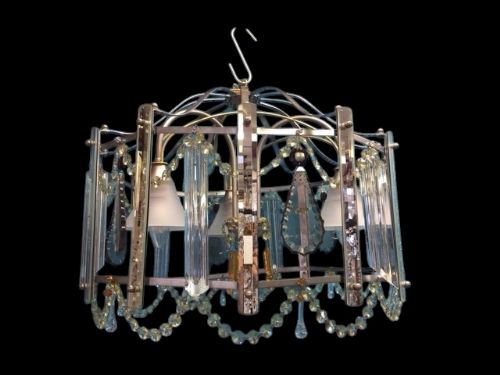
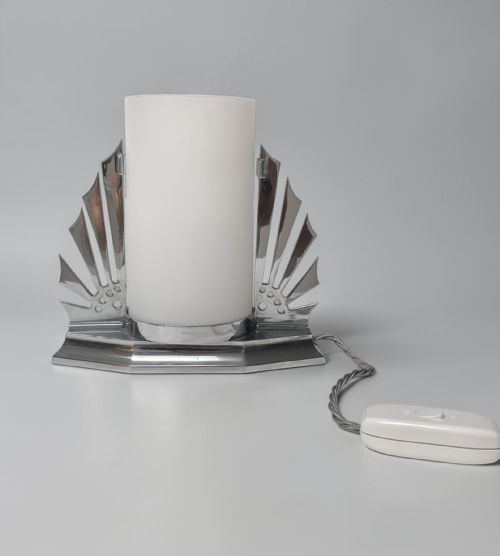
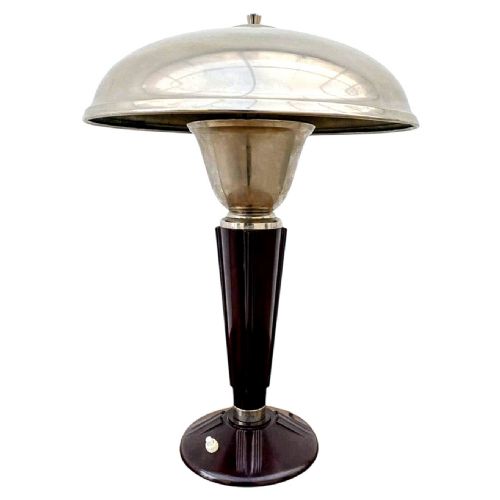
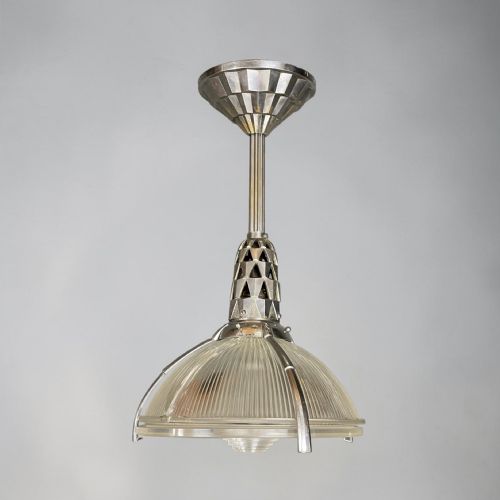
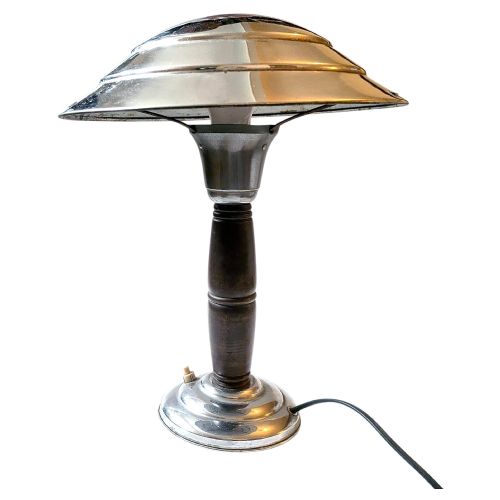
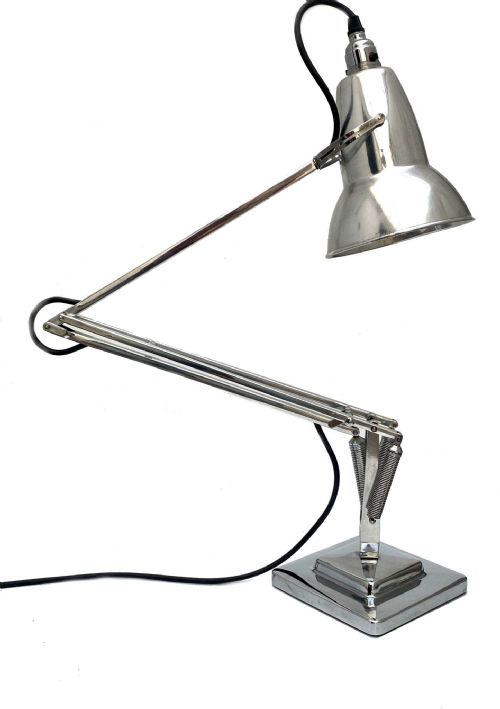
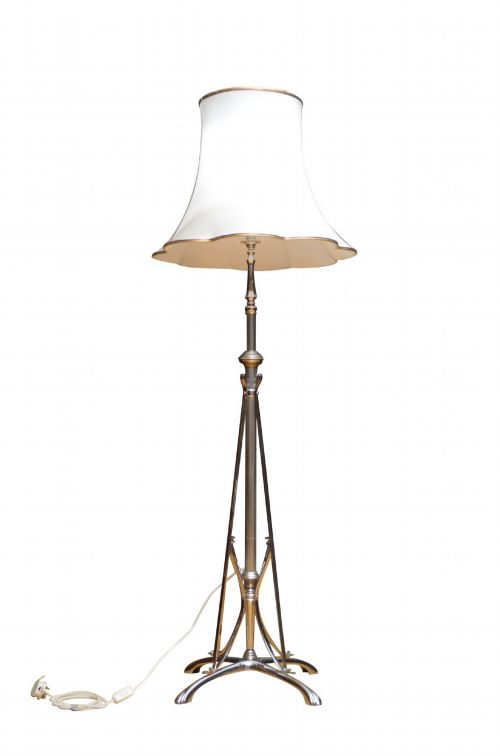
These pieces of 1930s chrome lighting deliver the bold industrial geometry and sleek metallic sheen that define the period.
1930s Chrome Lighting
When you search for 1930s chrome lighting, you encounter functional task pieces and decorative fixtures designed to illuminate interiors with distinct modernity. The selection spans table lamps, desk lamps, floor lamps, wall lights, and ceiling lights.
You are most likely to meet table lamps and wall lights shaped by the Art Deco and Machine Age styles. These fixtures often incorporate glass shades paired with metal frames.
The objects originate from various periods including the 1920s, 1930s, 1940s, and Edwardian eras, reflecting enduring design trends.
Materials and Construction
The primary construction relies on chrome, steel, nickel, and metal, providing sturdy structural foundations and reflective surfaces. These metallic elements are frequently combined with glass, frosted glass, pressed satin glass, and cut glass for diffusers.
Details incorporate organic and synthetic accents such as wood, bakelite, catalin, and parchment leather. These contrasting textures balance the cold industrial sheen of the metal components.
Listings feature table lamps, wall lights, and ceiling fixtures spanning the 1920s to the 1940s in chrome, glass, and bakelite.
Evaluating Quality and Craftsmanship
Quality depends on the precision of the metalwork and the integrity of the combined materials, such as the depth of the chrome plating and the execution of twisted or tubular forms. Pieces featuring specialised switches, adjustable arms, or figural sculptures demonstrate higher complexity.
The distinction between standard production items and finer examples lies in the harmonious integration of glass components, such as clam shell, flame, or trumpet sconces, with the primary metal structure.
Eileen Grey·Émile-Jacques Ruhlmann·Herbert Terry·Pirouette
The 1930s Chrome Lighting Glossary
- Art Deco
- A design style characterised by sleek geometric shapes, stylised motifs, and modern industrial materials that emerged in the interwar period.
- Bakelite
- An early synthetic plastic utilised for switch housings, bases, and decorative accents on lamps.
- Torchiere
- A standing floor lamp that directs light upwards towards the ceiling for indirect illumination.
- Sconce
- A wall-mounted lighting fixture designed to hold bulbs and direct illumination outward or upward.
- Machine Age
- An aesthetic movement celebrating industrial efficiency, steel, chrome, and functional utility.
1930s Chrome Lighting: Frequently Asked Questions
What styles define these lights?
The lighting fixtures predominantly showcase Art Deco and Machine Age designs.
These styles emphasise geometric clarity, industrial materials, and streamlined metallic surfaces.
How do I mount wall lights?
Wall lights typically attach directly to junction boxes using standard domestic wiring.
Professional installation is recommended for vintage fixtures to ensure safety and compliance.
Where were these lamps used?
Original placements included offices, studies, living rooms, and grand hallways.
Desk lamps served functional workspaces while torchieres and pendants illuminated larger communal areas.
What materials are most common?
Chrome and glass form the core material combination for the majority of these fixtures.
Supplemental elements like bakelite, nickel, and steel appear frequently in switches, bases, and frames.