




Art Deco Hanging Fixture
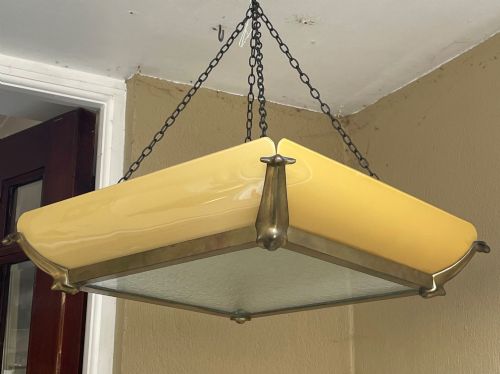
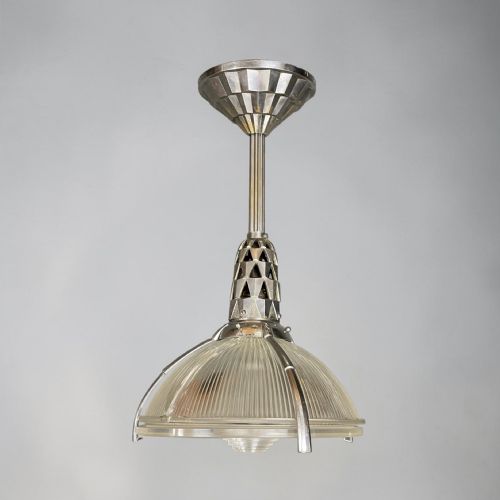
An art deco hanging fixture brings architectural geometry and diffused illumination to a room, captured primarily in moulded glass and metal.
Art Deco Hanging Fixture
When you search for an art deco hanging fixture, you encounter overhead lighting from the 1920s and 1930s designed to suspend from ceilings. These pieces serve as functional illumination while carrying the geometric motifs and industrial lines characteristic of the period.
The selections on this page lean heavily toward pendant lights, ceiling lights, and chandeliers originating from French and English workshops. You will also find occasional transitional pieces drawing on 19th-century cut glass and later mid-century directions.
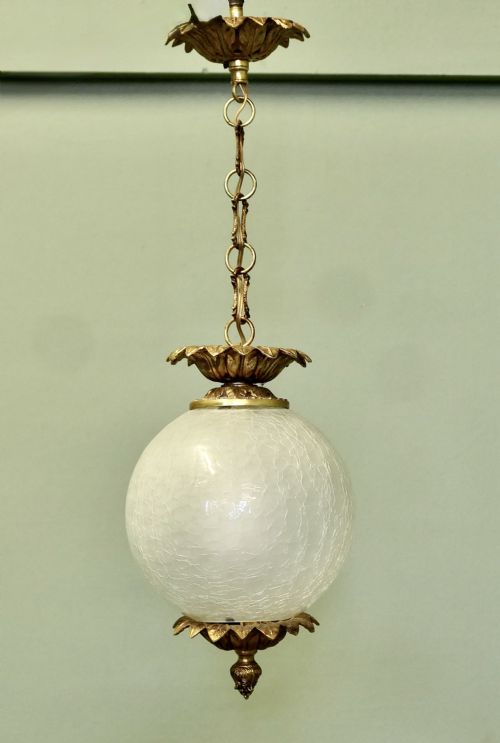
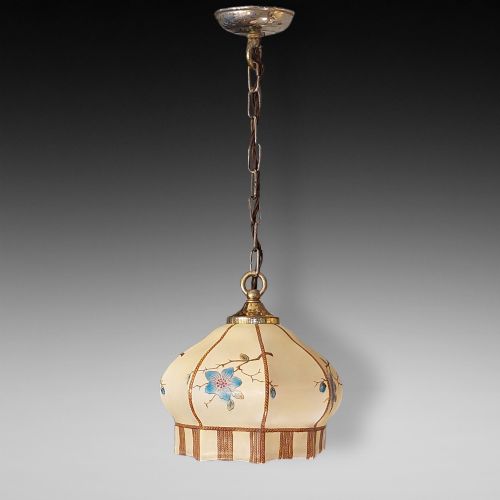
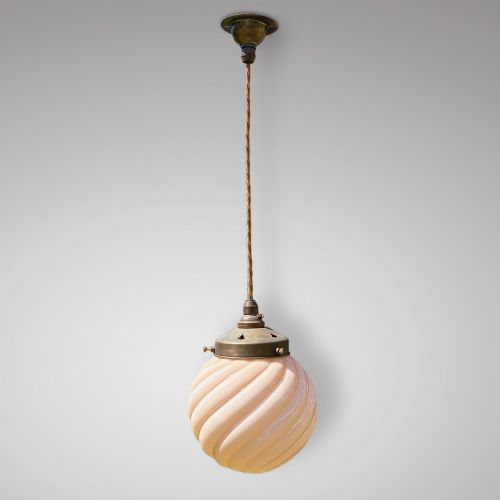
Globes, slip shades, lanterns, and dish forms dominate the available shapes, suspended by chains, rods, or cords. Brass, chrome, and copper provide the structural frameworks that hold the decorative glass elements.
Materials and construction
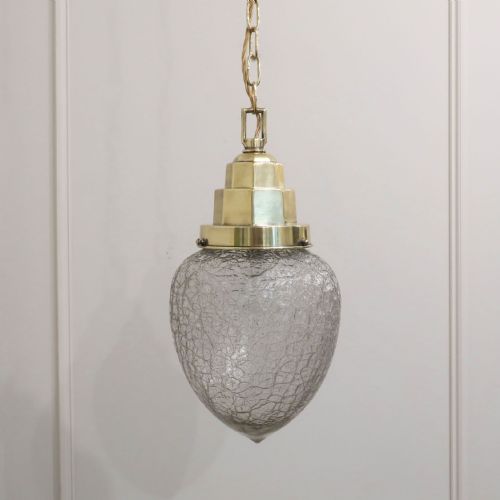
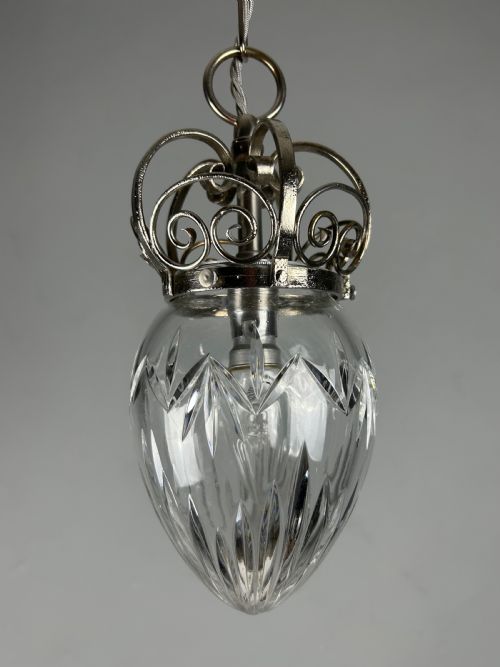
Makers utilised moulded, opaline, frosted, crackle, and cut glass to soften and diffuse the internal light source. These glass shades and bowls take organic or geometric forms, including pear shapes, fish scale textures, and flat slip shades.
Metal components provide the armature and suspension for the glass elements, employing brass, chrome, copper, steel, bronze, and wrought iron. Metal galleries grip the glass shades, whilst hand-painted details and alabaster stone appear on specific regional examples.
Some 1930s glass shades carry fish scale textures, proving that even geometry needed a holiday by the seaside.
Distinctions in craftsmanship
Quality reveals itself in the weight and clarity of the glass, where heavier moulded or opaline bowls display crisp detailing rather than surface ripples. Signed glass elements or named metalwork distinguish workshop pieces from anonymous production.
The integration of the metal gallery to the glass shade dictates the structural integrity of the fixture. Substantial brass or chrome fittings with secure thumb screws indicate higher manufacturing standards than thin, pressed sheet metal components.
Émile-Jacques Ruhlmann·Jean Gauthier
The Art Deco Hanging Fixture Glossary
- Opaline glass
- A milky, semi-translucent glass that diffuses light softly across a room. It appears frequently in pendants and globes from the 1920s and 1930s.
- Slip shade
- A moulded piece of glass that fits into a metal frame on a ceiling light or chandelier. Multiple slip shades typically lock together around a central fixture.
- Gallery
- The metal ring or fitting that holds a glass shade in place and connects it to the suspension rod or chain. Galleries often feature decorative cast or pierced patterns.
- Chandelier
- A branched hanging light fixture designed to hold multiple bulbs or candles. In this period, they combine metal frames with frosted or moulded glass bowls.
- Alabaster
- A fine-grained mineral stone carved into shallow dishes and bowls for ceiling lights. It produces a warm, natural glow when illuminated from above.
Art Deco Hanging Fixture: Frequently Asked Questions
How do I hang a heavy art deco pendant?
Heavenscale fixtures require ceiling joists or suitable structural hooks rather than standard plaster fixings. A qualified electrician should install a support bracket capable of bearing the combined weight of the metal and glass components.
Ensure the suspension chain or rod is securely fastened to both the ceiling rose and the fixture gallery. The electrical wiring must run independently through the suspension system without bearing the load of the piece.
Can I replace a broken slip shade?
Finding an exact replacement slip shade for a specific chandelier can prove challenging due to the distinct moulds used by different makers. Collectors often search specialist dealers for matching period glass elements.
Measuring the exact dimensions of the remaining shades is essential before seeking a replacement. The mounting edges must fit precisely into the metal frame channels without applying stress to the glass.
What bulb should I use in opaline glass?
Low-wattage LED bulbs that emit a warm white colour temperature replicate the soft glow of historic lighting best. Avoid high-heat incandescent bulbs that can discolour vintage wiring or stress old glass.
Frosted or pearl finish bulbs prevent hotspots from appearing through translucent opaline or frosted shades. This ensures the light diffuses evenly across the entire surface of the glass.
How do I clean vintage chrome and brass?
Clean metal components with a soft, dry cloth to remove dust without disturbing any historic patina. Avoid abrasive cleaning compounds that strip original plating from chrome or brass surfaces.
Glass shades detach from their metal galleries for separate washing in warm soapy water. Dry the glass completely before reassembling the fixture to prevent water spots from forming.