



1930s Brass Lamps
These 1930s brass lamps combine functional illumination with distinct period silhouettes, offering buyers genuine character for period interiors.
1930s Brass Lamps
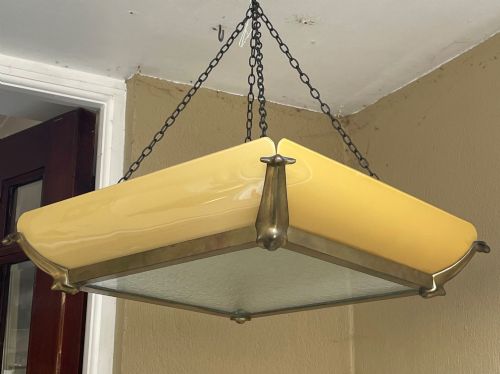
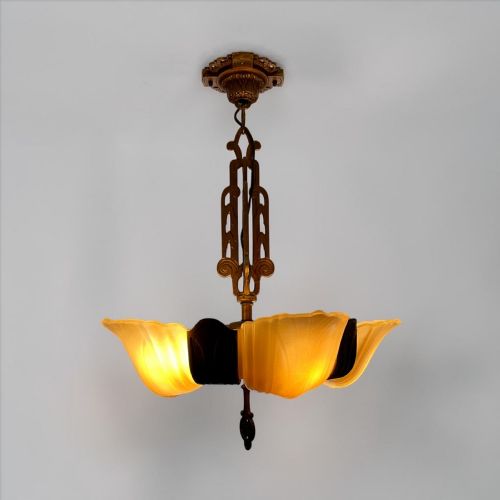
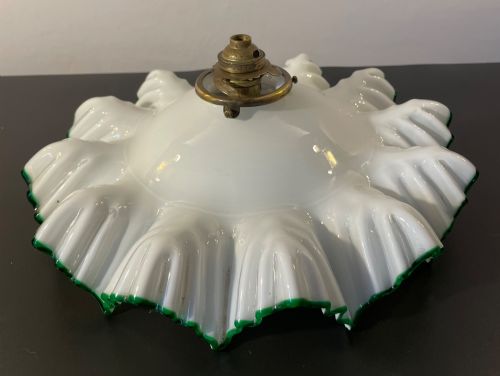
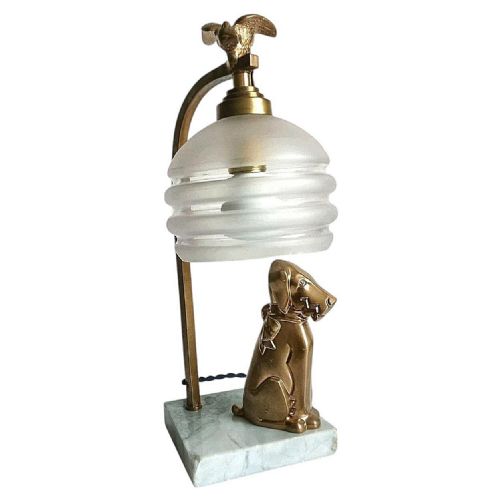
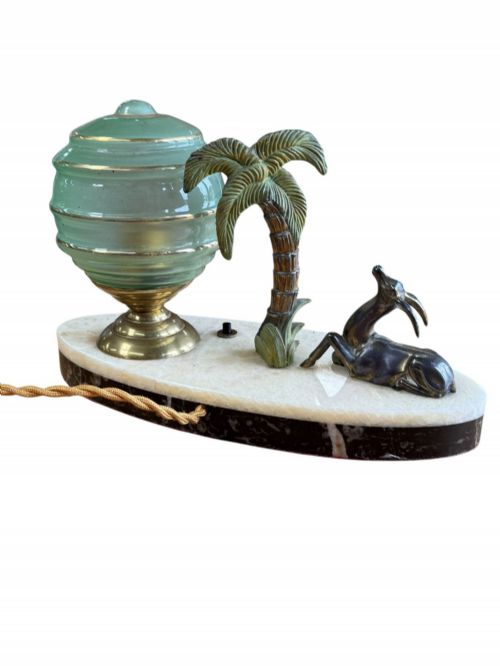
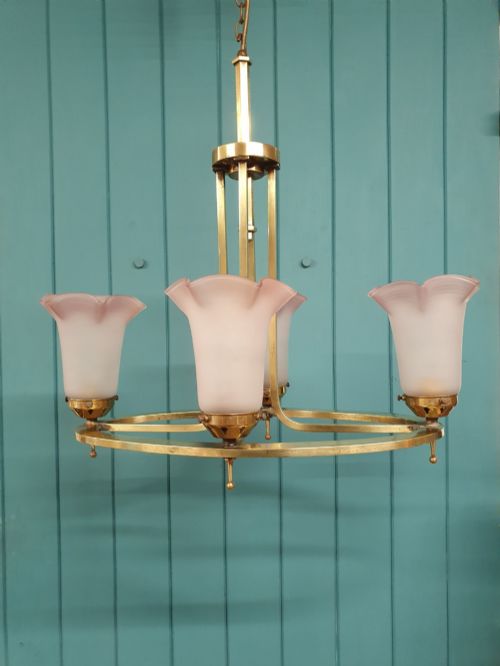
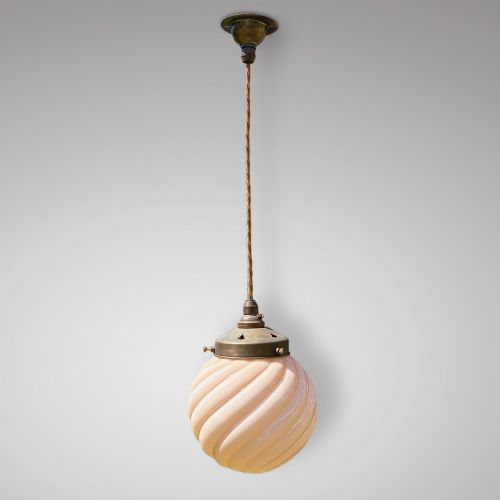
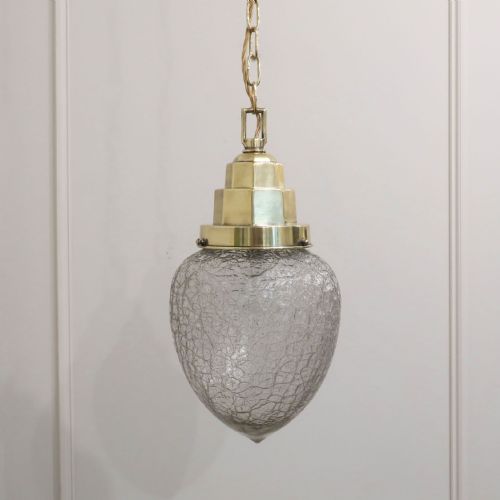
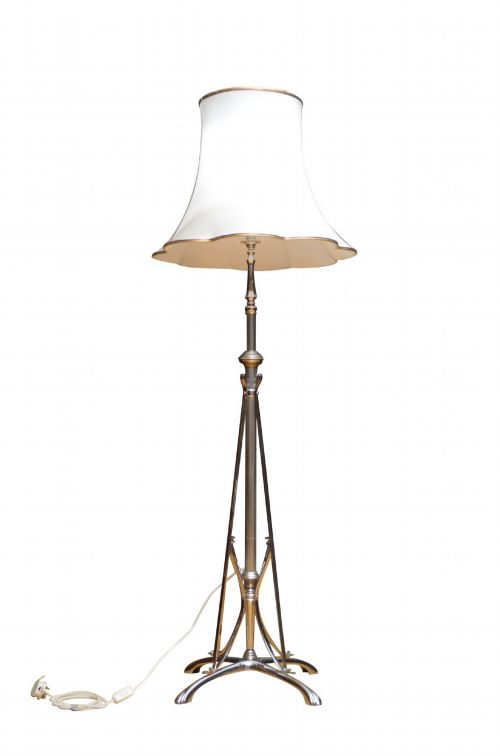
When you search for 1930s brass lamps, you encounter a diverse selection of lighting fixtures spanning table lamps, floor standards, and hanging chandeliers. The majority of pieces on this page lean heavily into the geometric lines and decorative motifs of the Art Deco movement, alongside select traditional and revival styles.
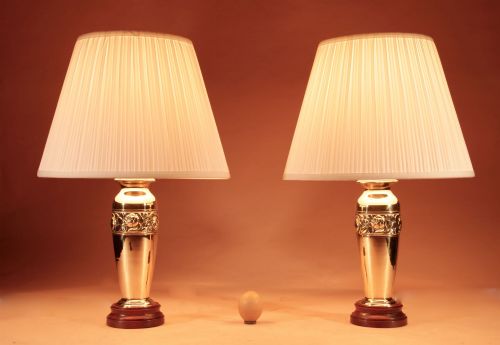
Table lamps and pendant lights dominate the offerings, often pairing polished or patinated metalwork with glass shades. You will find items ranging from simple desk lamps to elaborate multi-light chandeliers and novelty figural designs.
How they were made
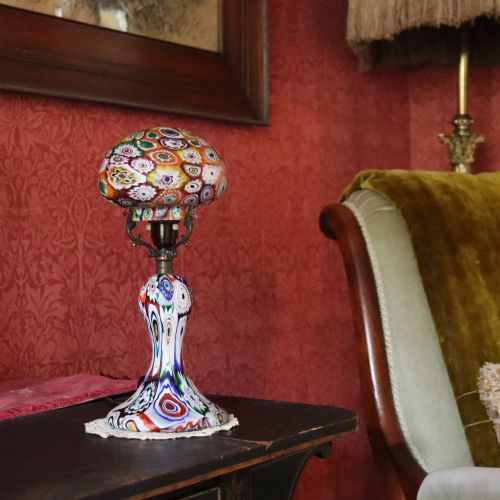
Makers constructed these lighting fixtures primarily using solid or plated brass, frequently combining the metal with various forms of glass such as opaline, frosted, crackle, and millefiori. Structural elements sometimes incorporate marble, onyx, copper, or mahogany to add weight and textural contrast to the metal bases.
Shades and decorative components utilise specialised manufacturing techniques of the era, including slip casting for glass shades and intricate metal spinning or casting for brass frames. Fabric elements and original flex wiring also appear, reflecting the standard domestic technology of the period.
Materials across these listings extend beyond basic brass to include opaline glass, marble, onyx, and copper.
What varies in quality
The distinction between standard commercial production and finer examples rests largely in the weight of the metalwork and the artistic ambition of the design. Heavy cast brass bases and sculptural figural elements demonstrate a higher tier of craftsmanship than simpler spun or plated alternatives.
Quality also shows in the integration of specialised glass components, such as hand-blown opaline or patterned slip shades. Finer pieces maintain original artistic integrity in decorative motifs, whereas lesser examples rely on mass-produced, generic hardware.
Fratelli Toso
The 1930s Brass Lamps Glossary
- Opaline glass
- A type of semi-translucent white glass popular for diffusing light softly in mid-century and interwar lighting fixtures.
- Slip shade
- A moulded glass shade designed to slip directly into a metal frame, frequently utilised in ceiling lights.
- Plafonnier
- A shallow ceiling-mounted lighting fixture designed to sit close to the surface, directing illumination downward.
- Millefiori
- A glasswork technique producing distinctive multicoloured mosaic patterns, often seen in decorative art glass lamp components.
- Swan neck
- A curved metal arm shape commonly employed on adjustable desk and task lamps from the period.
1930s Brass Lamps: Frequently Asked Questions
How do I identify a genuine 1930s lamp?
Look for authentic material combinations like solid brass, heavy glass shades, and period-specific switch mechanisms rather than modern reproductions.
Examine the construction methods and styling, which typically reflect Art Deco or transitional revival aesthetics unique to the era.
Were these lamps originally wired differently?
Many surviving examples retain older wiring standards or have been updated with modern flex to meet contemporary safety requirements.
Original fittings often feature vintage-style switches and holders that collectors prefer to preserve where safe.
Can I use modern bulbs in these fixtures?
Most standard modern LED or incandescent bulbs fit historical sockets, provided the wattage matches the capacity of the original wiring.
Checking the internal clearances ensures that larger decorative shades accommodate contemporary bulb dimensions safely.
How do I care for antique brass?
Gentle dusting with a soft cloth preserves the natural patination that develops on unlacquered metal over decades of exposure.
Harsh chemical cleaners should be avoided to prevent stripping the historic surface finish from the brass.