


Regency Revival Lamps
Regency revival lamps bring classical elegance into modern rooms through classical forms and polished metals.
Regency Revival Lamps
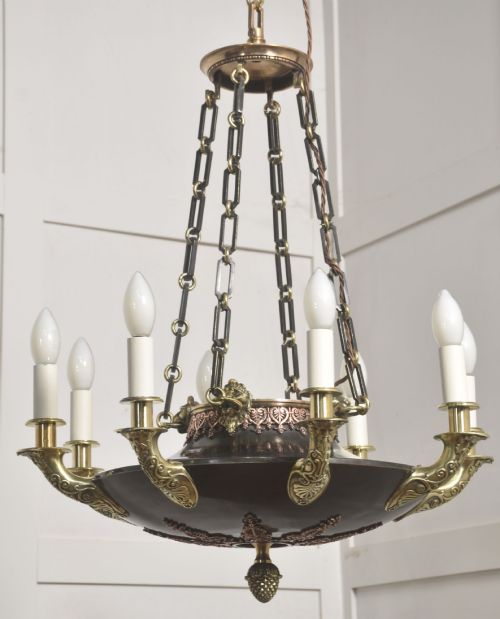
Regency revival lamps draw upon classical motifs from earlier eras, spanning periods from the nineteenth century into the nineteen thirties. These items appear in various forms including table lamps and floor lamps constructed from wood and metal.
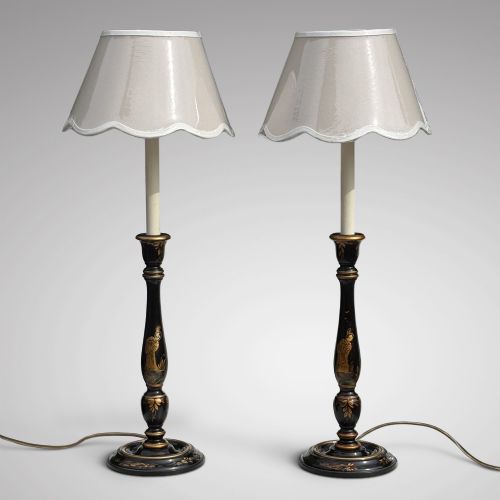
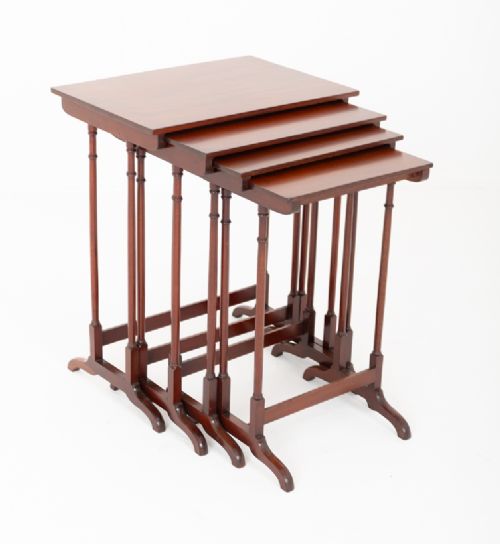
Makers often turned to historical styles such as neoclassical and empire revival alongside chinisouerie to shape their lighting pieces. Buyers frequently encounter table lamps alongside occasional furniture items like nests of tables within these selections.
How they were made
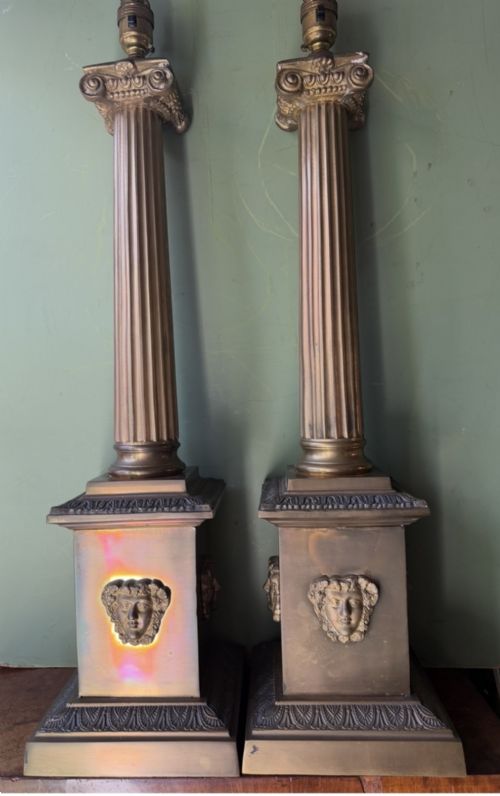
Craftsmen utilised materials like brass, copper, and cast bronze to construct durable bases and structural fittings. Wood elements frequently feature mahogany and lacquered finishes or parcel gilt decoration.
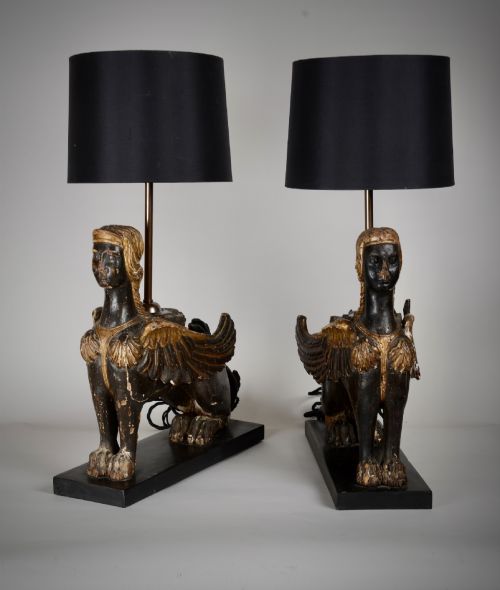
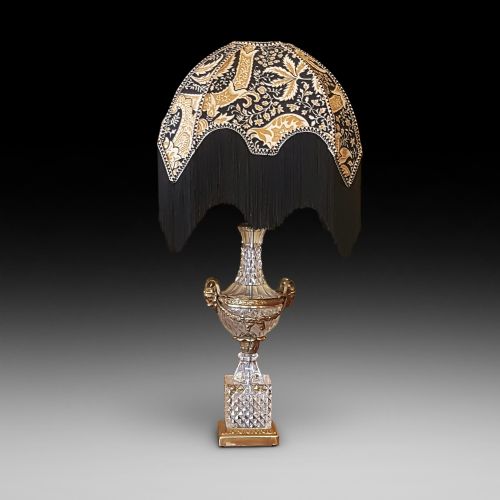
Makers incorporated fabric shades and cut glass mounts to complete the lighting assemblies. Artisans also adapted older decorative objects into lamp conversions using metal and carved wood.
Listings feature items dated across multiple periods including the eighteenth century, nineteenth century, Edwardian era, and nineteen thirties.
What varies in quality
The refinement of surface decoration distinguishes finer examples from simpler production pieces. Lacquered finishes and gilt work show varying degrees of hand application and detail preservation.
The choice of primary material creates a clear distinction across the range, with cast bronze and heavy brass offering greater substance than lighter wood structures.
The Regency Revival Lamps Glossary
- Regency Revival
- A design style drawing inspiration from the early nineteenth century Regency period, prominent in late nineteenth and early twentieth century manufacturing. This aesthetic emphasises classical symmetry and proportion.
- Chinoiserie
- European decorative style reflecting Chinese artistic influences, often seen on lacquered wooden lamp bases. This technique uses painted motifs upon dark or polished grounds.
- Parcel Gilt
- Partially gilded surface treatment where gold leaf highlights specific carved details or mouldings. It adds contrast against mahogany or lacquered wood.
- Townley Vase
- A classical vase form used as a decorative model for ornamental lamp bases. These classical shapes derive from ancient marble antiquities.
Regency Revival Lamps: Frequently Asked Questions
What periods do these lamps date from?
The pieces span from the eighteenth century through to the nineteen thirties. Many examples originate from the Edwardian era and the early twentieth century.
Revival styles often reinterpreted earlier classical designs during later manufacturing periods. Makers drew upon neoclassical and empire aesthetics across these decades.
What materials are used in these lamps?
Common construction materials include cast brass, copper, bronze, and various woods. Mahogany and lacquered wood frequently form the structural bodies.
Additional elements feature fabric components and cut glass mounts. Some items incorporate parcel gilt decoration to highlight carved surfaces.
Are these lamps converted from older objects?
Some listings record conversions of earlier decorative items into working light fittings. These include sphinx figures and classical vase forms adapted for electrical use.
Such conversions maintain historical decorative elements while serving modern lighting functions. They combine past ornamental art with contemporary utility.
How do floor lamps and table lamps differ in style?
Floor lamps provide taller vertical stature while table lamps sit upon furniture surfaces. Both formats utilise classical revival design vocabulary.
Styles range from columnar brass structures to lacquered wooden column forms. Proportions adjust to suit the intended placement within a room.