



1930s Barware Tray
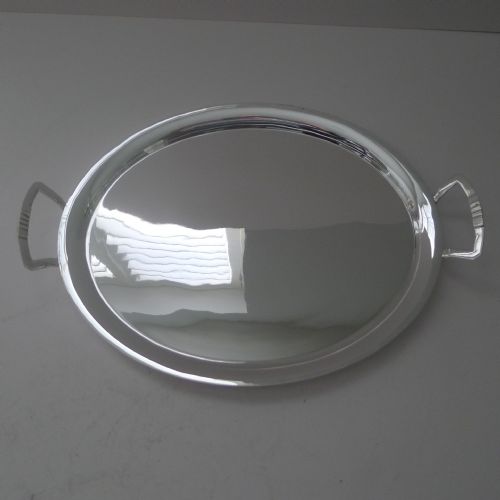
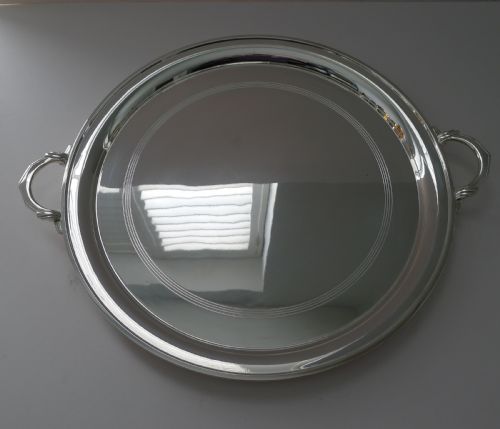
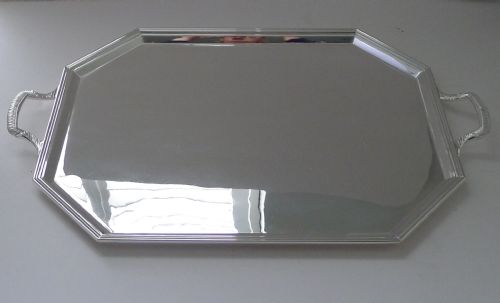
These 1930s barware tray examples bring genuine Art Deco style to home cocktail service, combining polished metal and glass.
1930s Barware Tray
When you search for a 1930s barware tray, you are looking at serving pieces designed for home entertaining during the interwar period. These objects appear primarily as cocktails trays, drinks trays, salvers, and platters suited for glassware and decanters.
The versions you are most likely to meet on this page date from around 1930 and incorporate distinct Art Deco lines. Makers utilised materials typical of the era, shaping them into functional serving accessories with integrated handles.
Some examples include complete decanter sets on matching trays, while others stand alone as mirrored or glass surfaces framed in metal. French modernist pieces also appear, demonstrating the broader geographical scope of the design movement.
How they were made
Makers constructed these items using a foundation of silver plate, sterling silver, nickel silver, or chrome combined with glass, mirror, and wood such as Macassar. Metal frames often featured geometric handles in copper or plated metals to facilitate carrying drinks.
Glass surfaces were frequently mirrored or incorporated coloured sections designed to catch the light during cocktail service. Silversmiths and manufacturers applied clean geometric lines characteristic of the period to both the tray bodies and their handles.
1930s Barware Tray Retail Price Guide 2026
Typical asking prices for 1930s barware tray among the pieces listed under this phrase on Sellingantiques today, from the lower quarter to the upper quarter. They describe what is for sale here now, not the wider market.
Keep an eye out for the novelty Charlie Chaplin tray, bringing a touch of silent film comedy straight to your cocktail hour.
What varies in quality
The distinction between standard production and top tier items rests on the attribution to known makers and the complexity of the materials used. Pieces bearing recognised silversmith marks demonstrate superior weight and finishing in the metalwork.
The integration of materials also defines quality, such as heavy mirror glass fitted securely into substantial silver plated or sterling frames. Novelty elements or specialist wood veneers like Macassar indicate more ambitious workshop design.
Asprey London·Keith Murray For Mappin & Webb·J B Chatterley & Sons·Hukin & Heath
The 1930s Barware Tray Glossary
- Art Deco
- A design style of the 1920s and 1930s characterised by sleek geometric shapes, stylised motifs, and modern industrial materials. It dominates the appearance of interwar bar accessories.
- Silver Plate
- A base metal such as nickel silver coated with a thin layer of pure silver. This technique allowed manufacturers to produce affordable luxury items.
- Salver
- A flat tray used for serving food or drinks, typically made of metal. In this context, it functions interchangeably with a drinks tray.
- Decanter Set
- A matched grouping consisting of a serving tray accompanied by liquor bottles and sometimes glasses. These sets provided a unified presentation for home bars.
1930s Barware Tray: Frequently Asked Questions
What is a 1930s barware tray used for?
These trays served to organise and transport cocktail glassware, decanters, and bottles during home entertaining. They protected furniture surfaces while presenting drinks in a decorative manner.
Today, collectors utilise them for their original purpose or display them as decorative centrepieces on sideboards and bar carts.
How do I identify an Art Deco tray?
Look for geometric shapes, streamlined handles, and the combination of polished chrome or silver plate with mirror glass. The aesthetic favours clean lines over ornate historical revival styles.
Maker marks on the underside or rim often confirm the period and origin of the piece.
What materials are common on these trays?
Silver plate, chrome, and sterling silver form the primary metal frameworks. Mirrored glass, clear glass, and exotic woods like Macassar provide the base surfaces.
Handles frequently incorporate contrasting metals such as copper alongside plated frames.
Are decanter sets usually found with trays?
Some sets were manufactured together as a matched ensemble, including fitted spaces or matching glass designs. Other decanter sets are paired with trays based on period style rather than original factory output.