


1930s Art Deco Vessel
These pieces gather the sharp lines and heavy colours of a 1930s art deco vessel into glass, ceramic and silver.
1930s Art Deco Vessel
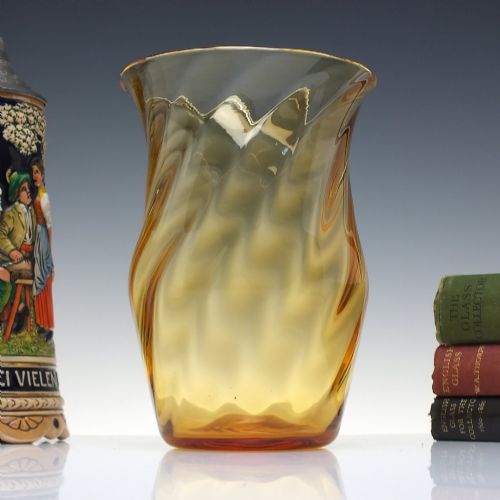
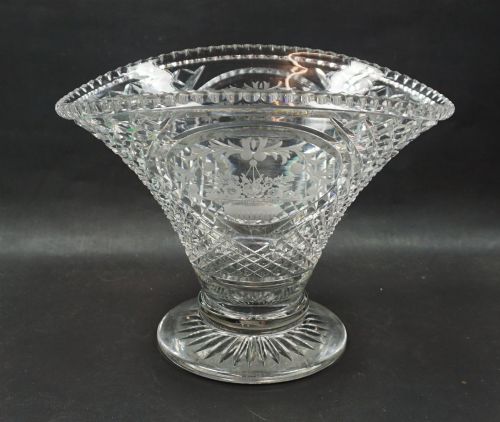
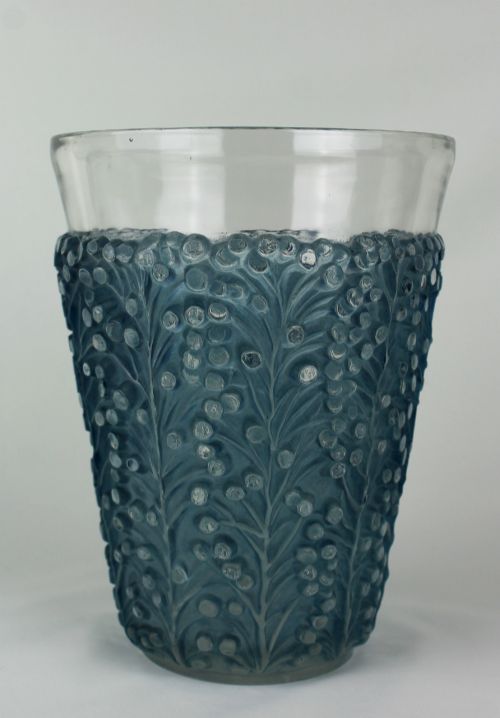
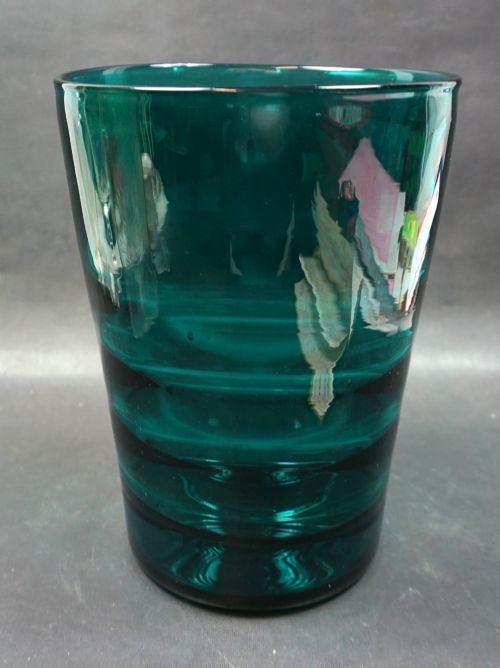
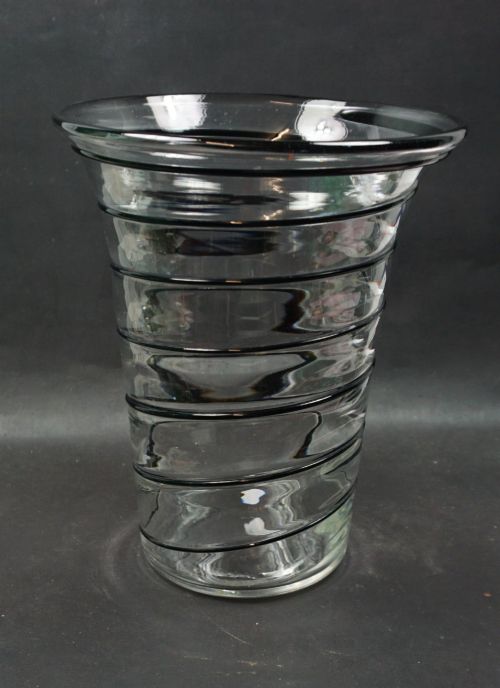
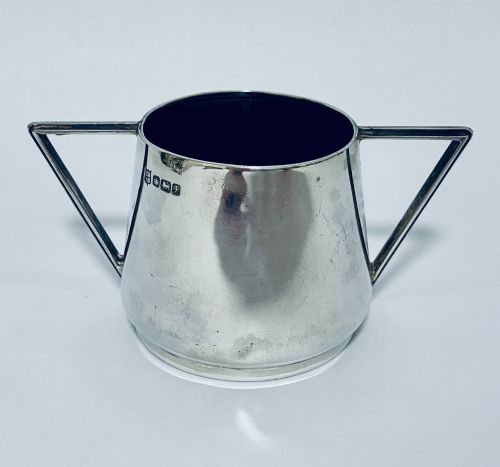
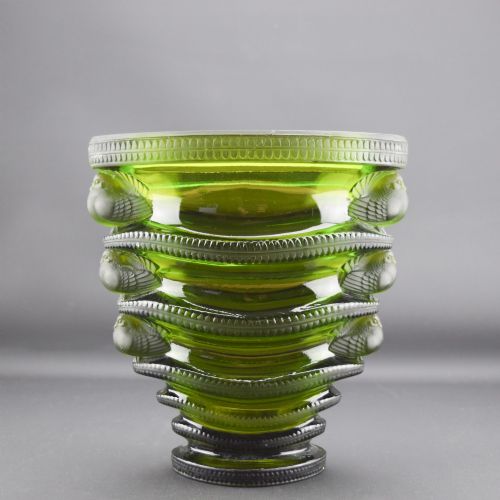
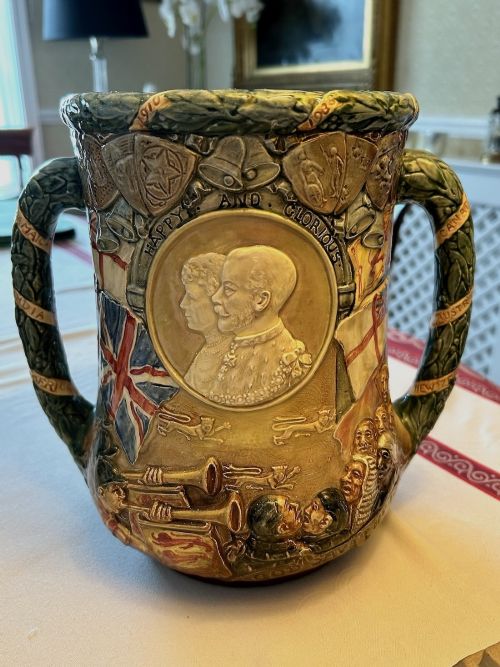
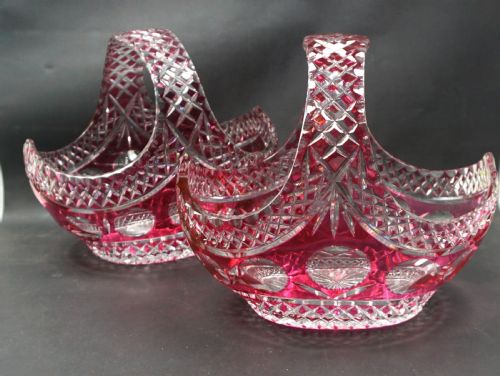
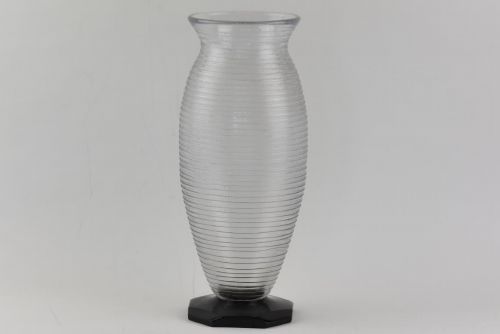
When you search for a 1930s art deco vessel, you encounter items designed for display and utility, spanning vases, bowls, baskets and commemorative ceramics. The selection on this page centres primarily on glassware from European makers, alongside earthenware vessels and sterling silver tableware.
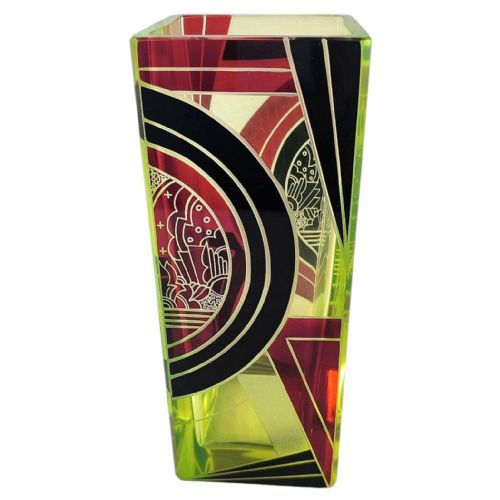
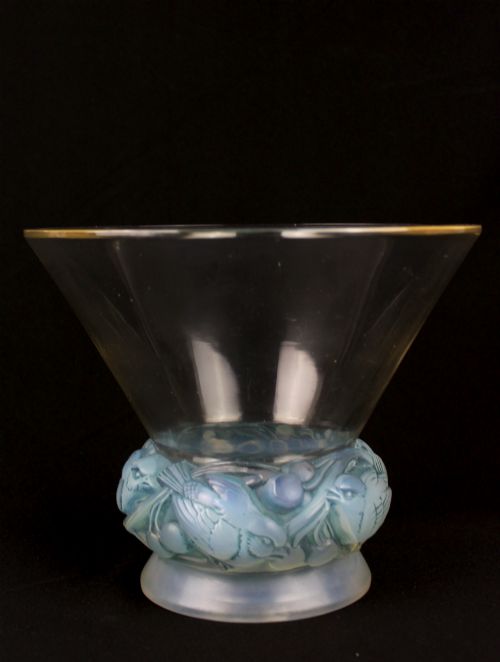
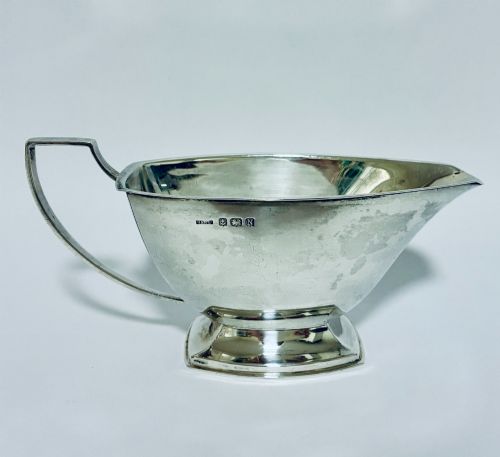
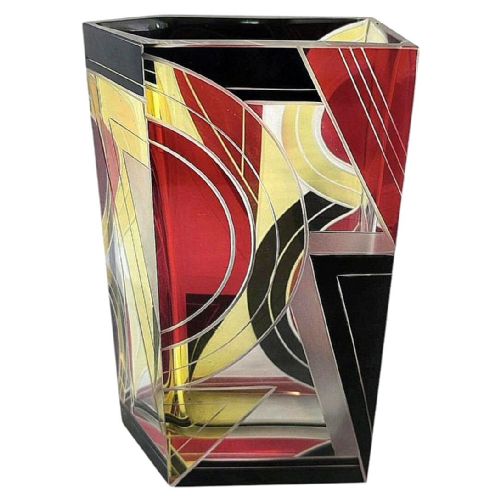
Vases dominate the forms, appearing alongside sugar bowls, sauce boats and pedestal bowls. These objects draw on the geometric vocabulary of the period, executed in clear, frosted, opalescent and coloured glass as well as decorated ceramic bodies.
The material palette reflects the manufacturing methods of the era, combining heavy moulded glass with enamel decoration, aventurine inclusions and cut crystal. Silver pieces provide a contrasting metallic form within the wider category of vessels.
How they were made
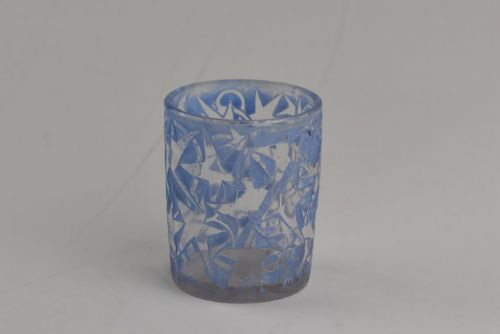
Glass vessels rely on moulding, blowing and pressing techniques, often enhanced by deep acid etching or surface enamelling to create geometric motifs. Makers utilise lead crystal and opalescent glass, incorporating internal effects such as aventurine flakes within the molten material.
Ceramic vessels take shape through earthenware bodies decorated with slip, glaze or enamel painting, as seen in pieces by potteries of the decade. Metal items employ sterling silver or chrome plating, shaped into polygonal and rounded forms characteristic of the period.
1930s Art Deco Vessel Retail Price Guide 2026
Typical asking prices for 1930s art deco vessel among the pieces listed under this phrase on Sellingantiques today, from the lower quarter to the upper quarter. They describe what is for sale here now, not the wider market.
The listings show a concentration of moulded glass, frosted glass and earthenware vessels produced across Britain, France, Belgium and the Czech Republic.
What varies in quality
Quality rests upon the crispness of execution in moulded and etched surfaces, where deeper cuts and precise enamel application separate standard production from masterworks. The clarity of coloured glass and the successful distribution of internal inclusions like aventurine define the upper tier of glass vessels.
Designer attribution and factory provenance elevate specific pieces, with signed works by known glassmakers and ceramic artists commanding greater attention. The weight and balance of the vessel, alongside the preservation of surface details, determine the standing of individual items.
Rene Lalique·Val St. Lambert·Karl Palda·Clarice Cliff·Roger Guerin
The 1930s Art Deco Vessel Glossary
- Opalescent glass
- Glass that displays a milky, translucent appearance with shifting blue or amber tones when light passes through it. This effect was heavily utilised by French makers for decorative vases.
- Aventurine
- Metallic mineral inclusions suspended within glass to create a glittering, spangled effect. It appears in Scottish art glass vases from the period.
- Quaich
- A traditional Scottish two-handled drinking vessel, occasionally produced in sterling silver during the early twentieth century.
- Enamel decorated
- Glass or ceramic surfaces painted with coloured vitreous pigments and fired to fuse the design. Geometric patterns are common on Czech and French pieces.
- Lead crystal
- Heavy glass containing lead oxide, which increases brilliance and weight. It allows for deeper cutting and sharper facets on decorative bowls and vases.
1930s Art Deco Vessel: Frequently Asked Questions
What defines a 1930s art deco vessel?
These pieces display strong geometric lines, stylised motifs and a reliance on modern industrial materials like moulded glass and chrome. They reflect the design priorities of the interwar decades through symmetry and bold colour.
Items range from tall frosted glass vases to heavy crystal bowls and earthenware sugar containers. Each form prioritises decorative presence alongside functional utility.
How do I identify glass types?
Examine the piece under strong light to check for opalescence, internal glitter from aventurine, or coloured overlays on clear crystal. Heavy weight and sharp mould seams point towards quality production methods.
Signatures or etched marks on the base often indicate the specific glasshouse or designer. Clear glass may also feature deep acid etching to build up layered geometric patterns.
Were these vessels used daily?
Many items served practical roles on dining tables and mantlepieces, functioning as sugar bowls, sauce boats or flower vases. Their robust construction in thick glass or solid silver suited active domestic environments.
Decorative baskets and pedestal bowls also acted as centrepieces for holding fruit or flowers. Over time, their role shifted primarily toward display and collection.
How should I care for glass vessels?
Clean glass and crystal gently using warm water and mild detergent, avoiding harsh abrasives that might scratch frosted or enamelled surfaces. Hand washing prevents thermal shock and protects delicate rims.
Keep silver and chrome components polished with appropriate cloths to prevent tarnishing. Position pieces away from direct sunlight to protect coloured glass finishes.