


1930s Art Deco Sculpture
These 1930s art deco sculpture pieces capture the speed and geometry of the interwar period, offering buyers a striking focal point for a room.
1930s Art Deco Sculpture
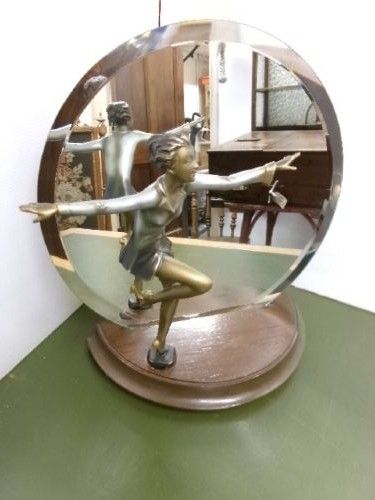
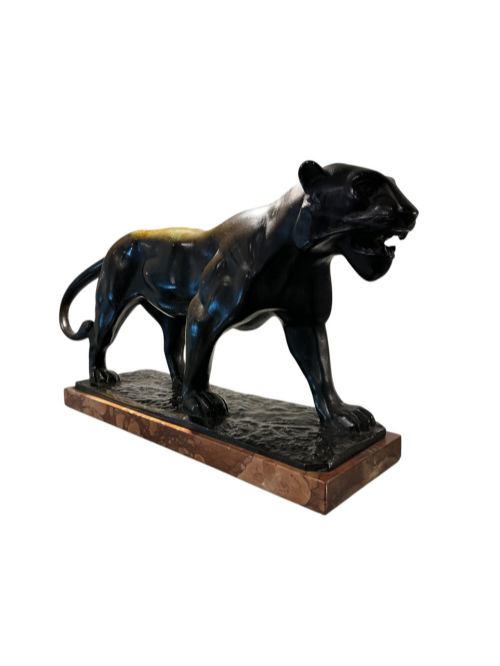
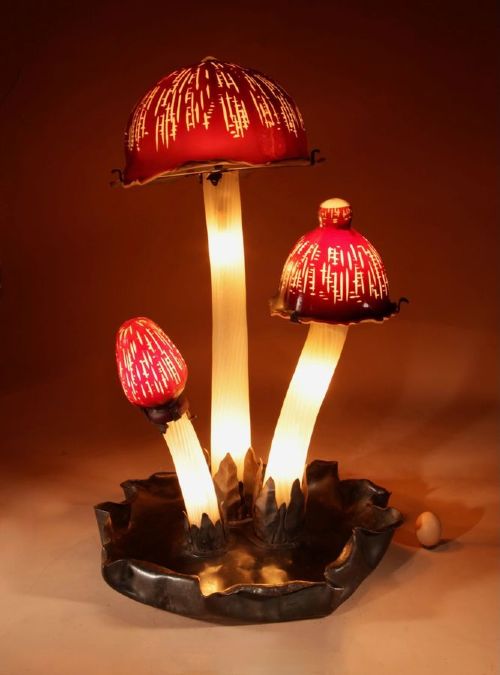
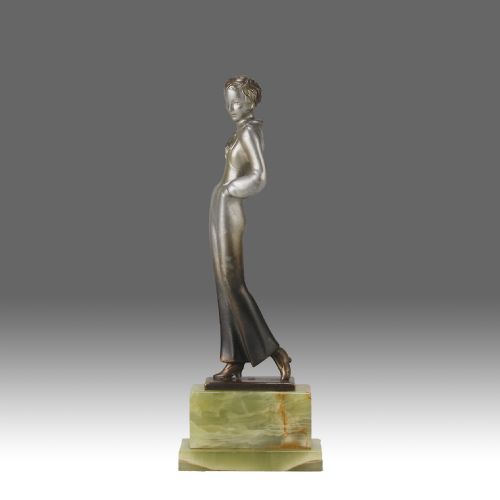
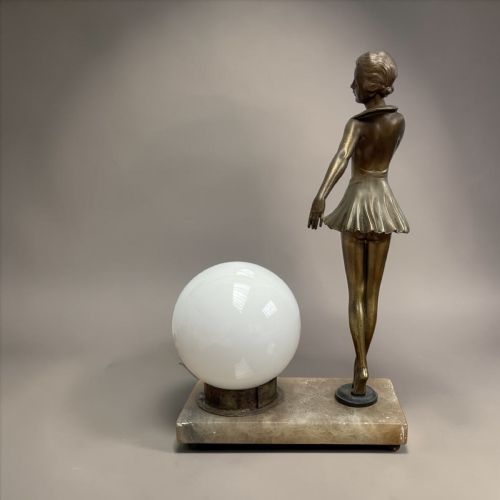
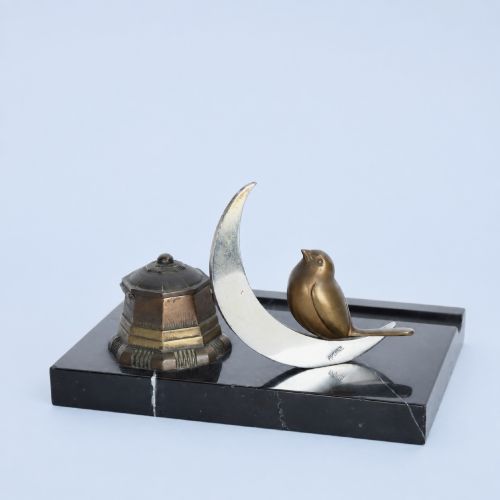
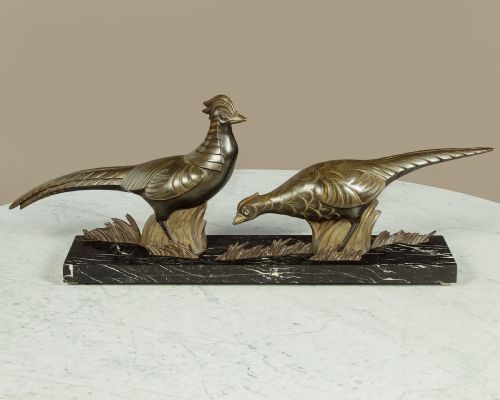
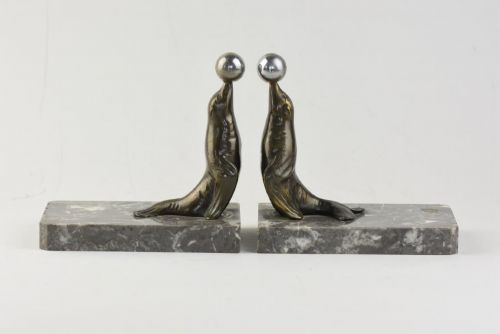
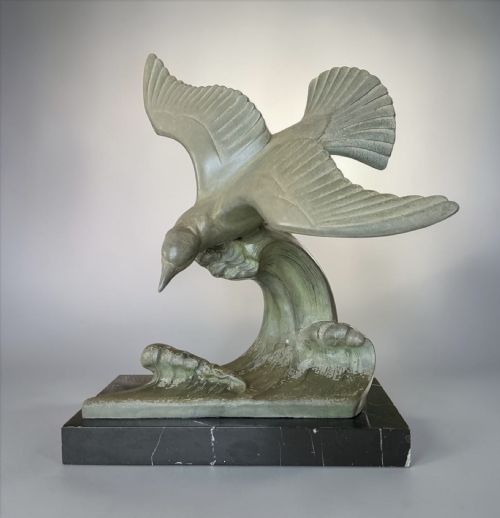
A 1930s art deco sculpture encompasses a wide range of decorative objects, from fluid figures of dancers and athletes to stylised animals such as panthers, cats, and birds. These works also manifest as functional items including table lamps, bookends, paperweights, desk tidies, and wall masques.
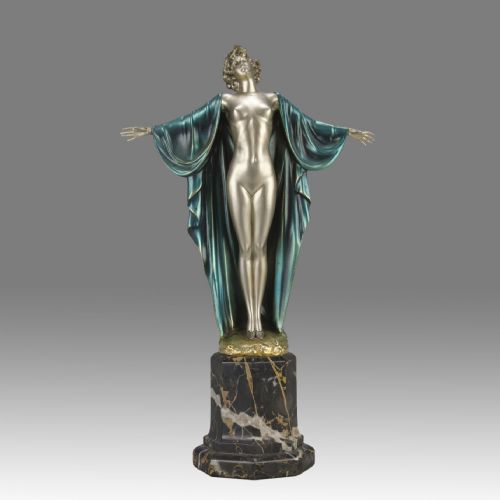
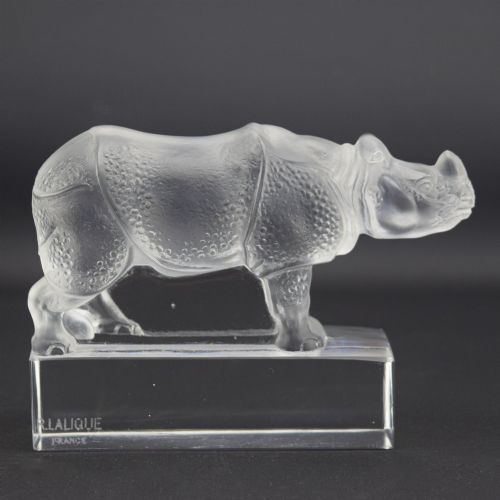
The most common versions met on this page are metal figures mounted on marble bases, alongside carved wooden studies, terracotta busts, and moulded frosted glass pieces. Stylistically, the selection moves between mainstream Art Deco, French Art Deco, and Balinese Art Deco forms.
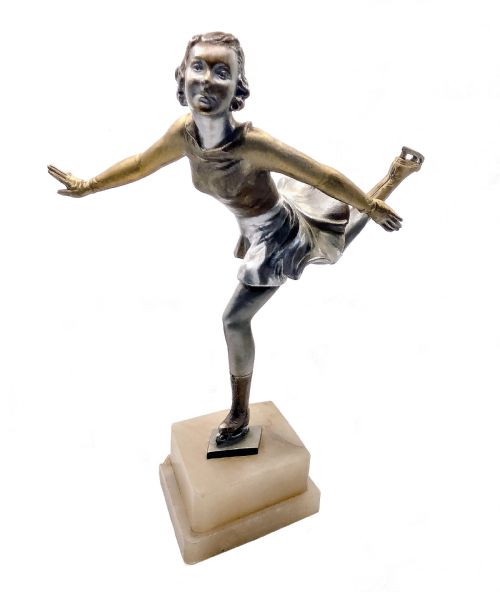
Originating largely from the 1920s, 1930s, and 1940s, these objects reflect the international reach of modern design trends. Figures range from small desk ornaments to large statues of tennis players, ice skaters, and aviators.
How They Were Made
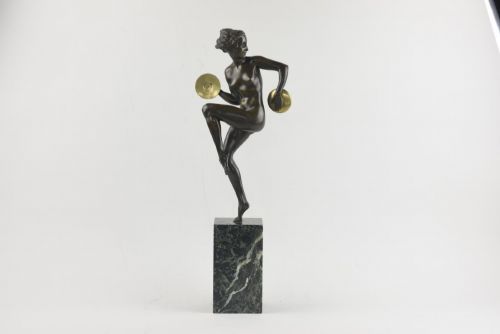
Foundry-cast bronze and spelter form the backbone of many figural pieces, often enhanced with cold-painting, patinated metal, or chrome plating to accentuate the clothing and hair of dancers. Marble bases provide a heavy, contrasting foundation for these metal works.
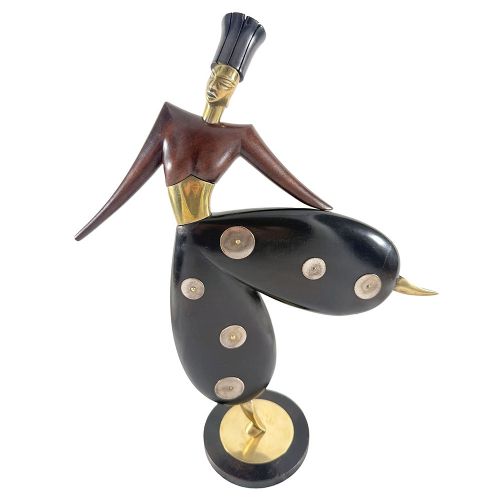
Carved wooden figures utilise rich grains and are occasionally combined with brass details to emphasise sharp, stylised angles. Glass works rely on pressing and frosting techniques, seen in paperweights and large lamps featuring opalescent or blue-stained finishes.
Current listings feature materials ranging from traditional marble and bronze to aluminium, chrome plate, and terracotta.
What Varies in Quality
The distinction between a standard piece and a superior work rests on the crispness of the casting and the expressiveness of the modelling. Detailed hand-finishing on faces and drapery separates individual artistic merit from mass-produced output.
Materials also dictate the tier of a piece, with dense marbles, genuine patinated bronzes, and heavy moulded art glass standing above basic spelter or lightweight painted metals. Signatures and attribution to known modellers elevate the status of individual sculptures.
Ferdinand Preiss·Josef Lorenzl·Aurore Onu·Rene Lalique·Sibylle May·Hagenauer·Lucille Sevin·Gilbert Privat·P. Sega·Irénée Rochard·Eugene Emile Borga
The 1930s Art Deco Sculpture Glossary
- Spelter
- A zinc alloy commonly used as a cost-effective substitute for bronze in interwar metal figures. It often accepts patination and paint well, though it is softer than bronze.
- Patinated metal
- Metal treated with chemicals or heat to produce a specific surface colour or aged finish. This technique highlights the contours of a sculpture.
- Cold-painted
- A method where paint is applied to metal objects without firing. It frequently appears on bronze and spelter figures of dancers and animals from this period.
- Wall masque
- A decorative ceramic or terracotta wall plaque depicting a human face or theatrical mask. These items were popular interior ornaments during the interwar decades.
- Socle
- A short plinth or pedestal supporting a sculpture, paperweight, or lamp. It provides stability and visual elevation to the main object.
1930s Art Deco Sculpture: Frequently Asked Questions
How do I identify a dancer?
Figurative dancer pieces typically display dynamic poses with outstretched arms, flowing skirts, or tight-fitting modern trousers. They capture the kinetic energy of the interwar cabaret and sporting world.
Many are mounted on contrasting black or variegated marble plinths, often bearing signatures or stylistic attributes linked to prominent modellers.
Where were these made?
Production was centered across Europe, with significant numbers originating from French foundries, Austrian workshops, and Bohemian glasshouses. Some pieces also reflect Indonesian influences through Balinese art deco styles.
Makers and designers worked within major cultural hubs, exporting their decorative metalwork, glass, and carvings internationally.
How should I clean them?
Dust metal and wooden surfaces gently with a soft, dry cloth to preserve patination and painted details. Avoid harsh chemical cleaners or abrasive pads that can strip delicate finishes.
Glass items, such as paperweights and lamps, can be wiped with a damp cloth and dried immediately to maintain their clarity and frost.