



1920s Wall Mirror
These 1920s wall mirror examples bring period character to a room through genuine vintage glass and framing.
Defining the 1920s wall mirror
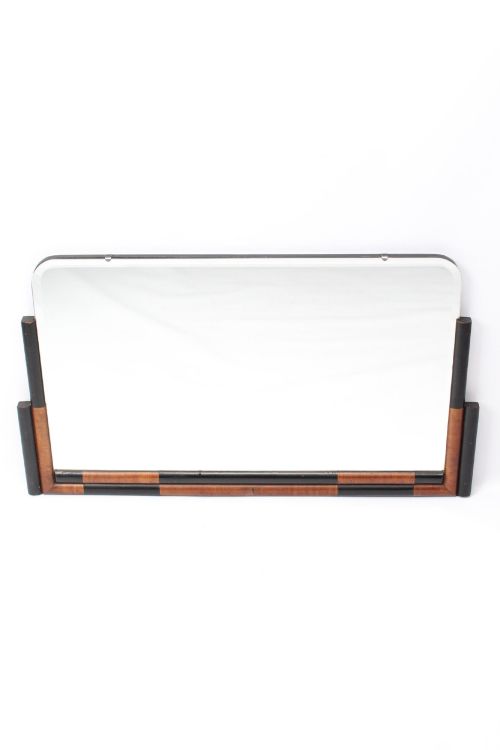
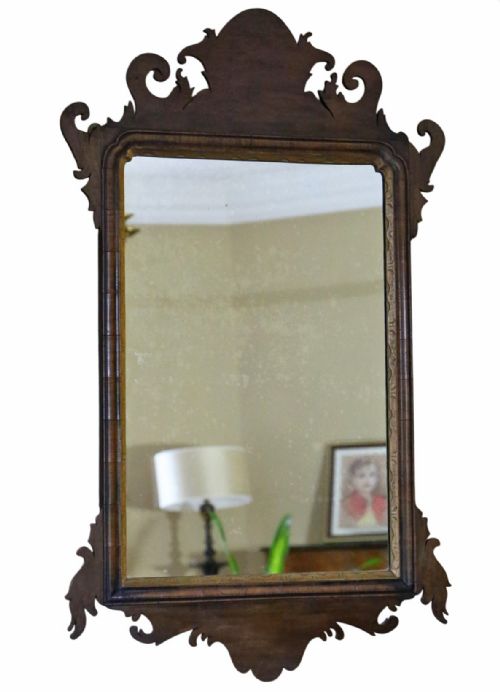
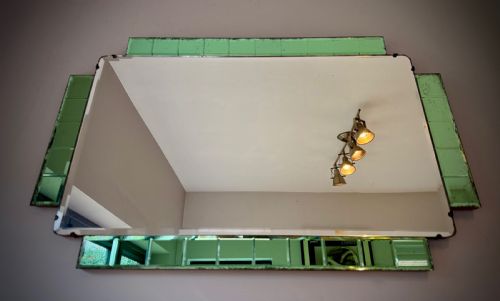
A 1920s wall mirror spans both the streamlined geometries of Art Deco design and the traditional forms of revival styles like Georgian, Chippendale, and Regency. When searching for a 1920s wall mirror, buyers encounter everything from painted and gilded overmantle mirrors to compact walnut frames and striking coloured glass panels.
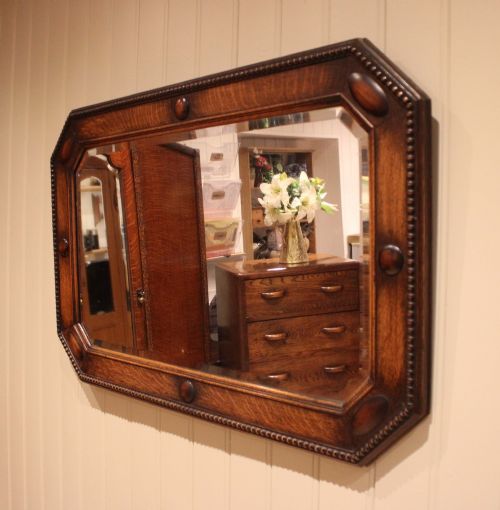
The pieces appearing on this page encompass functional wall mirrors, portrait formats, landscape formats, and substantial overmantle mirrors designed to sit above a fireplace. Walnut, mahogany, oak, and ebonised wood frequently serve as the primary framing materials across these selections.
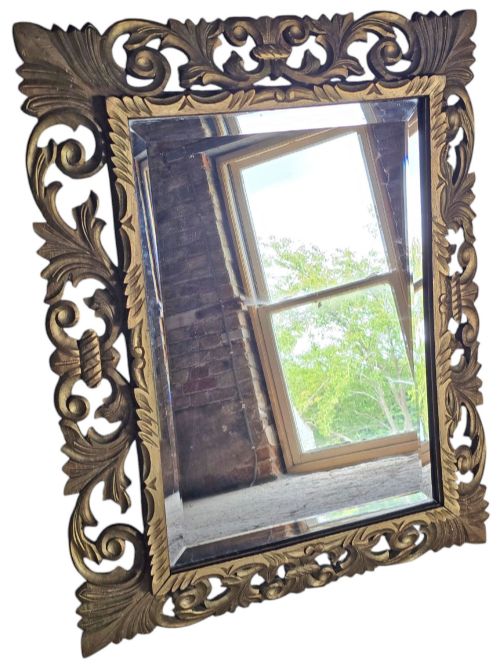
Makers of the period balanced modern decorative movements with historical revivals, producing fret-cut wooden frames alongside sleek bevelled glass plates. This mix ensures that collectors find both ornate Chinoiserie details and minimalist geometric layouts within the same era.
Materials and construction
Frames utilise solid timbers and veneers such as walnut, mahogany, and oak, often enhanced with ebonised finishes, brass accents, or gilt wood and gilding. Artisans shaped intricate fret-cut outlines using traditional woodworking saws, particularly on pieces drawing inspiration from earlier centuries.
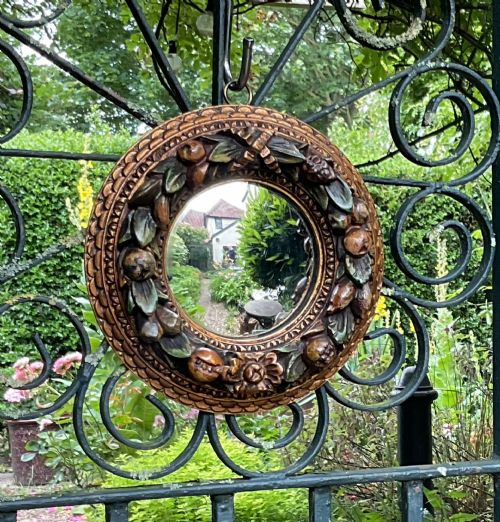
Mirrored glass plates feature bevelled edges, reflecting the high standard of period glass-cutting techniques. Additional decorative elements include painted motifs, black lacquer work for Chinoiserie designs, and contrasting emerald green glass panels.
Listings feature walnut, mahogany, oak, gilt wood, ebonised wood, and brass framing materials across Art Deco, Georgian Revival, Chippendale Revival, and Regency Revival styles.
Assessing quality and craftsmanship
The distinction between standard examples and the finest pieces lies in the precision of the fret-cutting and the depth of the timber grain. Superior walnut and mahogany veneers show careful matching, while finer frames incorporate crisp gilding and well-preserved brass fixings.
Glass condition and originality dictate the upper tier of the range, where bevelled mirror plates remain clear and securely seated within their original wooden rebates. The harmony between the frame's structural joinery and its decorative surface finish determines the overall integrity of the piece.
The 1920s Wall Mirror Glossary
- Overmantel mirror
- A large mirror specifically proportioned to hang on the wall directly above a fireplace mantelpiece. These often feature landscape orientations and substantial wooden or gilt frames.
- Fret cut
- A decorative woodwork technique where a thin panel or frame is pierced with a delicate, intricate pattern using a fine saw. This method defines many revival-style frames from the era.
- Bevelled glass
- A mirror plate with edges ground and polished at an acute angle to create a sloping, light-catching border. This finish adds depth and refinement to the glass face.
- Chinoiserie
- A European decorative style reflecting Chinese artistic influences, frequently characterised by black lacquer grounds and painted ornamentation. It appears on several wall mirrors from this decade.
- Ebonised wood
- Timber treated with a chemical stain or black finish to imitate ebony. This dark surface treatment provides sharp contrast against gilt highlights or walnut panels.
Frequently Asked Questions
Where should I hang a 1920s wall mirror?
These mirrors suit hallways, living rooms, and above bedroom mantelpieces where they can reflect natural light and open up the surrounding space.
Overmantel formats work best anchored directly above a fireplace, while portrait and oval shapes fit narrow wall spaces between doors or windows.
How do I identify an Art Deco mirror?
Art Deco mirrors typically feature geometric shapes, clean lines, and sometimes coloured glass panels like emerald green without historical revival motifs.
They rely on bold symmetry and streamlined silhouettes rather than the intricate fret-cutting seen in Georgian or Chippendale revival pieces.
Are these mirrors heavy to hang?
Many overmantle and framed wooden mirrors carry substantial weight due to the density of timbers like walnut, mahogany, and oak combined with thick glass.
Secure mounting into wall studs or using appropriate masonry fixings is essential to support the weight safely.