

1920s Open Face Watch
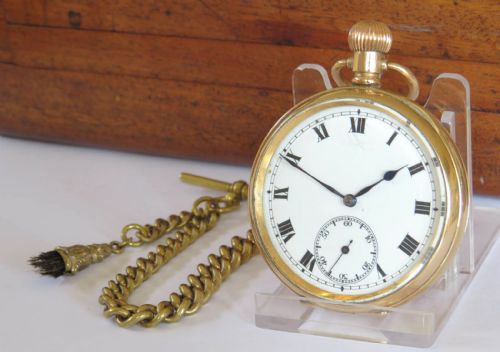
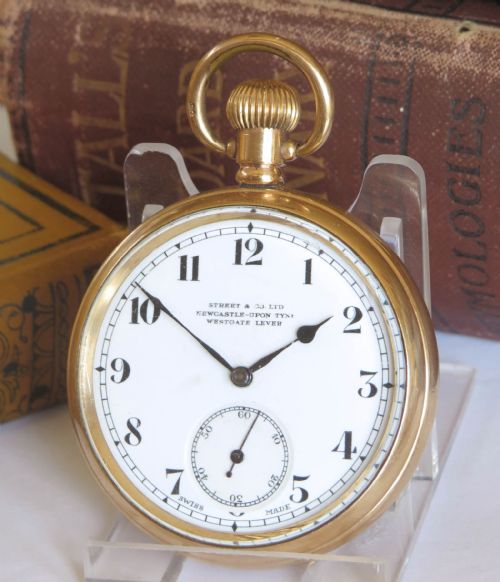
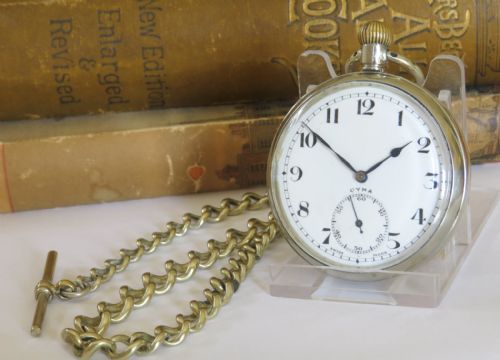
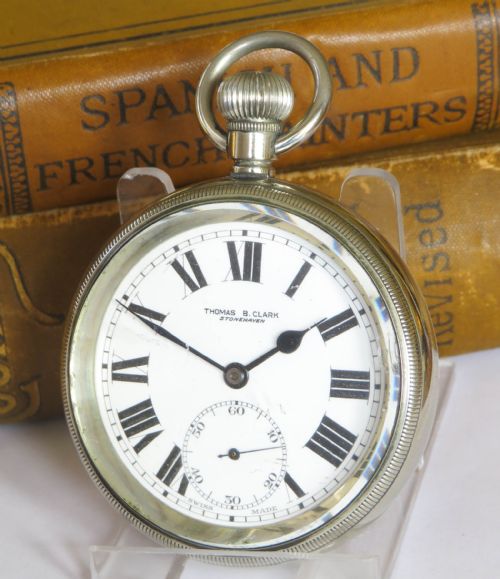
A 1920s open face watch offers a clean dial and reliable timekeeping from the early twentieth century.
1920s Open Face Watch
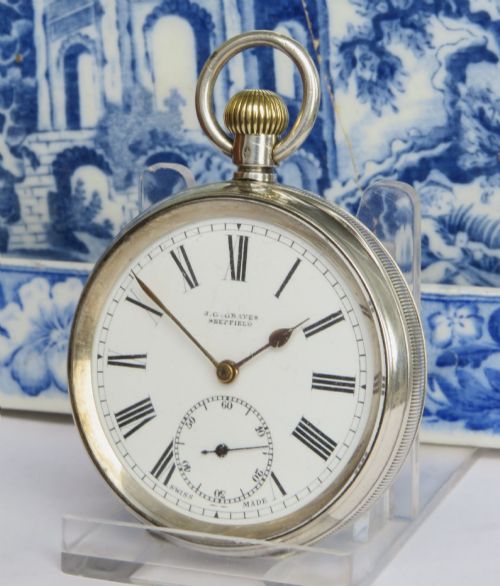
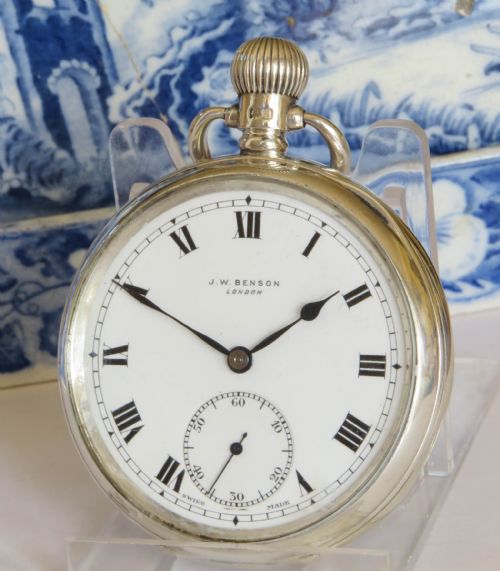
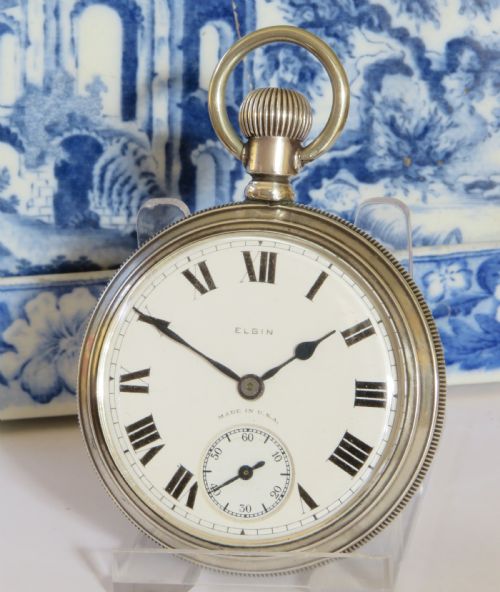
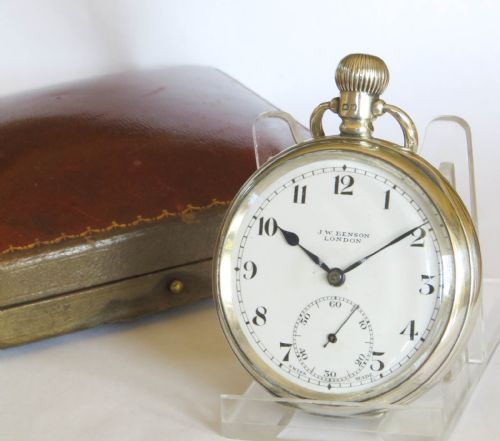
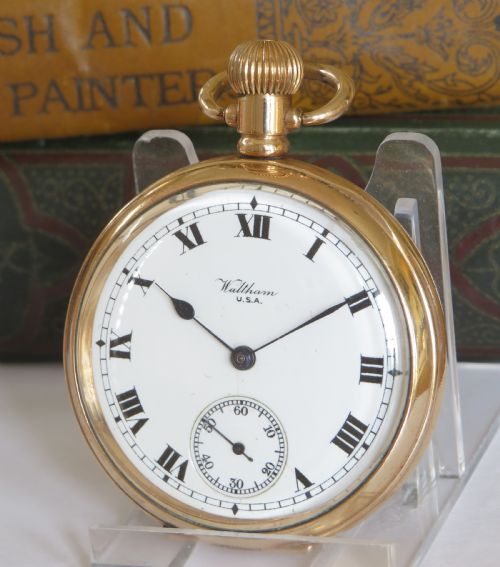
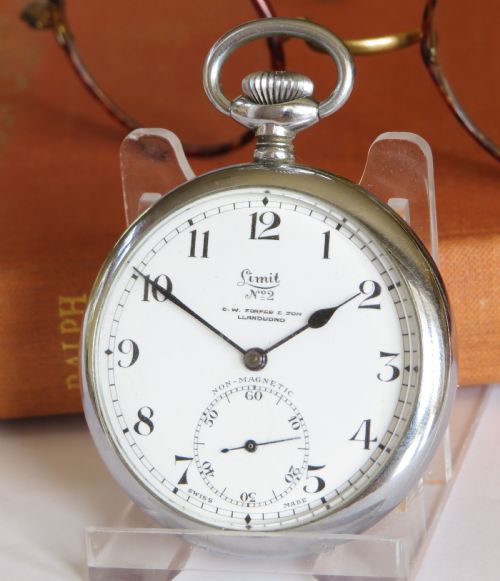
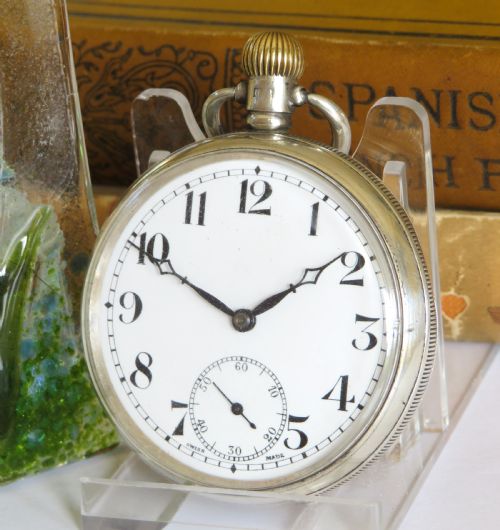
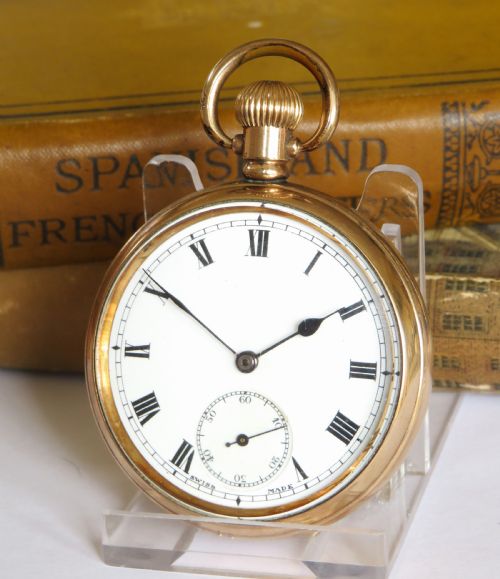
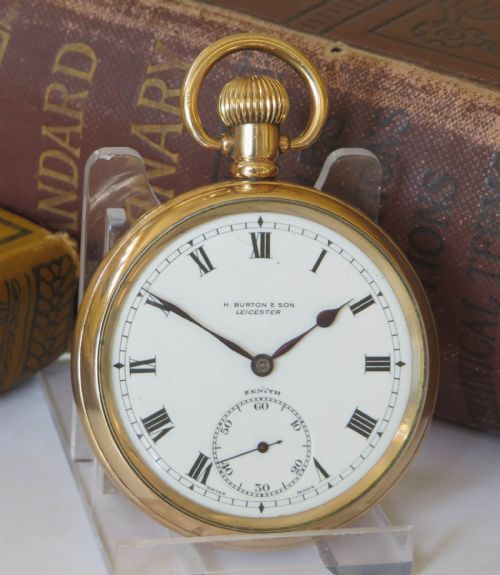
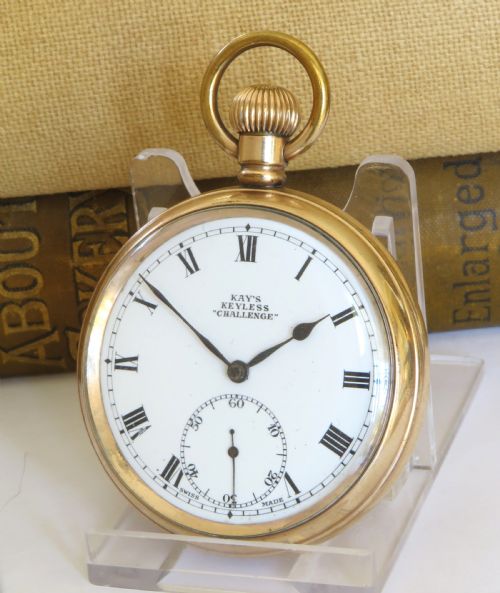
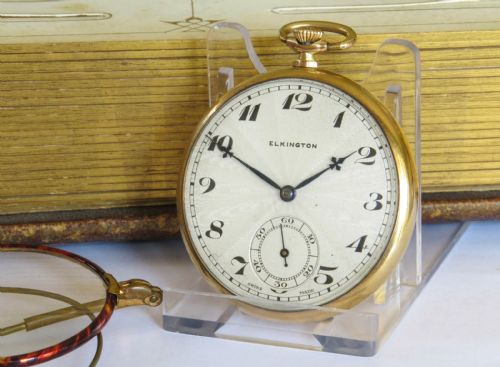
When you search for a 1920s open face watch, you encounter timepieces designed without a protective metal front cover. The dial remains visible at all times, making quick checks of the time straightforward during a busy day.
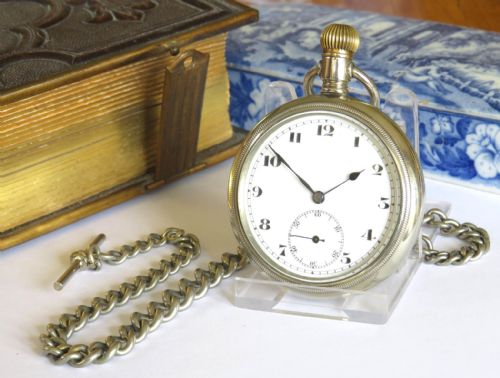
Most examples on this page belong to the 1920 period and carry influences from the Art Deco style. These pocket watches span British and Swiss origins, appearing frequently alongside matched chains for everyday carry.
How they were made
Watchmakers utilised a variety of metals for cases, ranging from standard steel and nickel to sterling silver and gold plate, alongside solid gold options. Glass protects the dial face, while enamel often highlights the numerals and dial markings.
Movements rely on stem winding mechanisms to power the gears inside. Cases sometimes feature engine turned patterns pressed into the metal surface to add texture.
1920s Open Face Watch Retail Price Guide 2026
Typical asking prices for 1920s open face watch among the pieces listed under this phrase on Sellingantiques today, from the lower quarter to the upper quarter. They describe what is for sale here now, not the wider market.
One golden pocket watch dates precisely to the year ten twenty-five, according to a hopeful typo in the archive.
What varies in quality
Material choice defines the tier of the piece, moving from basic nickel and metal up to sterling silver and solid gold cases. Gold plated and solid gold examples sit toward the upper end of the material scale.
The sophistication of the internal movement separates standard utility watches from finer items. Jewel counts within the Swiss movements and the reputation of the maker distinguish the work.
J W Benson·Waltham·Cyma·Zenith·Elgin·Tavannes
The 1920s Open Face Watch Glossary
- Open face
- A pocket watch style built without a hinged metal cover over the crystal. This allows immediate viewing of the hands and dial.
- Stem winding
- A mechanism that winds the mainspring via the crown at the top of the case. It replaced key winding in most watches of this era.
- Engine turned
- A decorative geometric pattern mechanically engraved onto metal surfaces. It catches the light and adds grip to the case back.
- Gold plate
- A thin layer of gold bonded to a base metal core. It provides the appearance of solid gold at a lower cost.
1920s Open Face Watch: Frequently Asked Questions
How do I wind a 1920s watch?
Rotate the crown clockwise between your thumb and forefinger until you feel gentle resistance. Do not force the crown once it stops.
Most stem winding pocket watches require a daily wind to keep accurate time throughout the day.
Can I wear a pocket watch daily?
Many people carry these timepieces in a waistcoat or trouser pocket using a matching chain for security. Keep the watch away from modern magnetic fields.
Store the watch in a dry place when not in use to protect the glass and internal gears.
What is an open face watch?
An open face watch has no protective metal lid over the glass dial. You read the time instantly without opening a case.
This design became standard for pocket watches where speed of reference mattered.
How do I identify a 1920s watch?
Examine the dial typography and case styling for distinct Art Deco geometric lines. Hallmarks on silver and gold cases provide specific date letters.
Movement signatures often name the manufacturer or country of origin inside the back cover.