



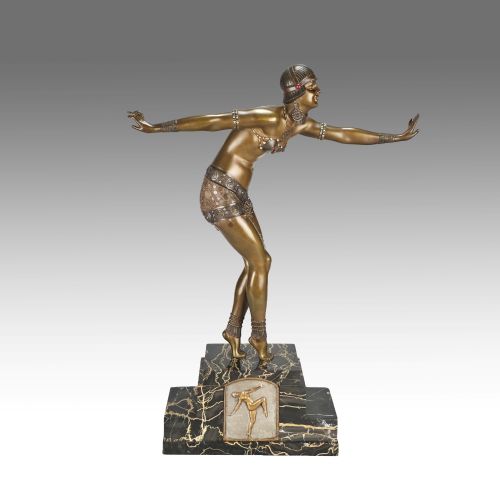


1920s Female Dancer Figurine
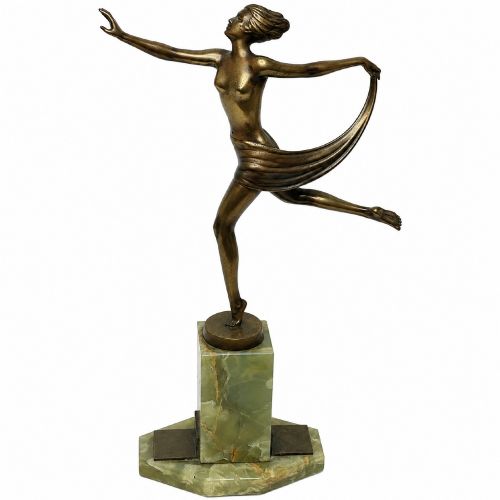
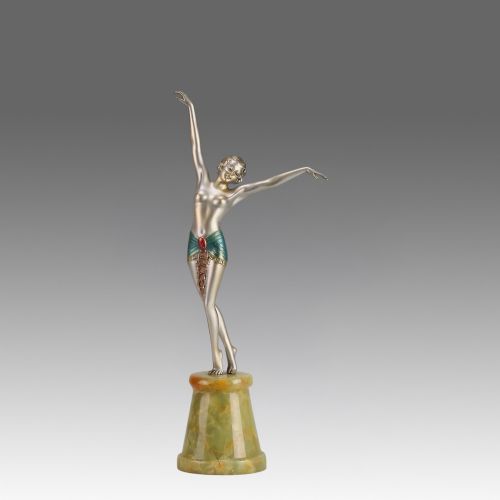
A 1920s female dancer figurine captures the kinetic energy of the interwar years through sculpted bronze, marble, and alabaster.
1920s Female Dancer Figurine
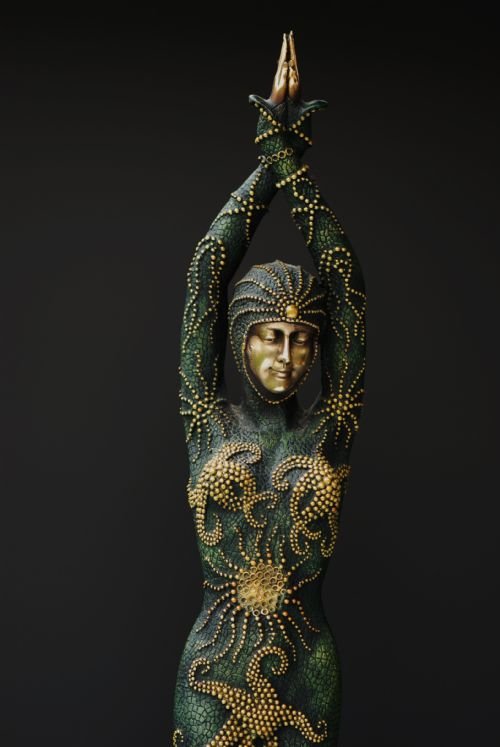
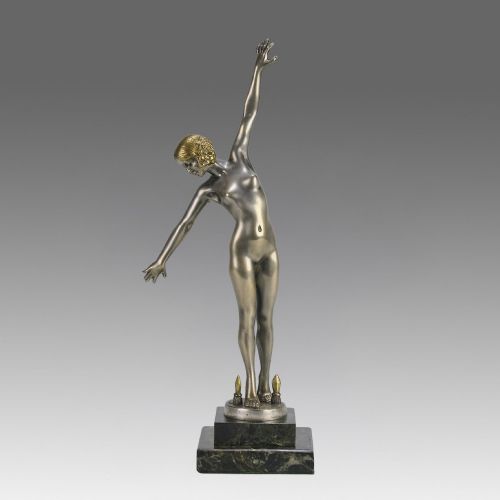
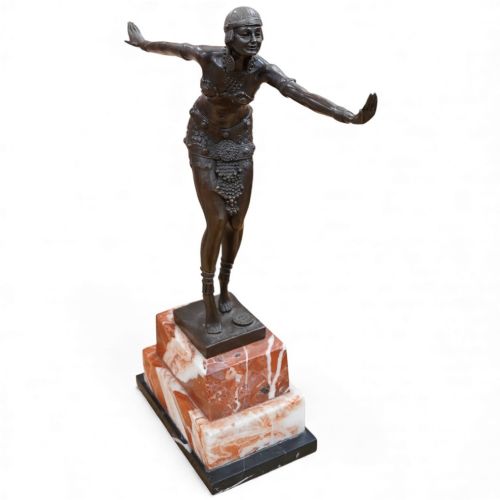
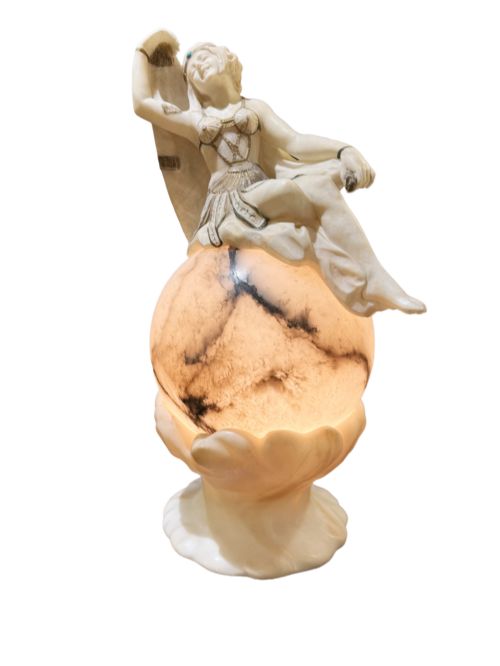
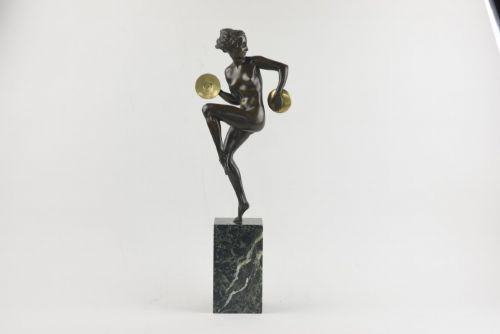
A 1920s female dancer figurine embodies the modernist movement of the interwar period, capturing movement and theatricality in bronze, alabaster, and spelter. These pieces translate the modern choreography of the era into permanent materials, depicting figures caught mid-stride, leaping, or posing on spherical plinths.
The pieces on this page lean heavily into the Art Deco style, frequently mounted on heavy marble or onyx bases that anchor the upward momentum of the figures. Forms range from small desk statuettes to substantial table lamps and large exhibition sculptures standing over sixty centimetres tall.
Originating largely from French and Austrian foundries, these works reflect contemporary fascinations with cabaret, ballet, and exotic theatrical tours. Collectors encounter both patinated and cold-painted bronze figures alongside silvered finishes and carved stone compositions.
Foundry and Carving Methods
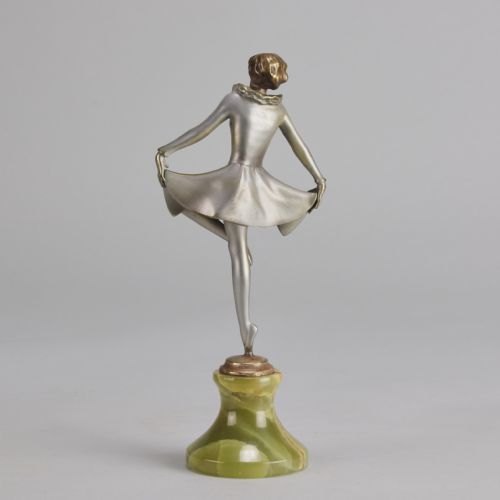
Bronze casting relied on the lost-wax method to capture the fluid drapery and precise musculature characteristic of these sculptures. Foundries applied chemical patination, cold-painting, silvering, or gilding to the bronze surfaces to achieve realistic skin tones and textured garments.
Many figures integrate carved elements such as alabaster for robes or pedestals, contrasting the opaque warmth of stone with the metallic sheen of the bronze body. These mixed-media assemblies required skilled pinning and fitting to secure the metal figures firmly to their multi-tonal marble and onyx bases.
1920s Female Dancer Figurine Retail Price Guide 2026
Typical asking prices for 1920s female dancer figurine among the pieces listed under this phrase on Sellingantiques today, from the lower quarter to the upper quarter. They describe what is for sale here now, not the wider market.
Several dancers balance precariously on tiny spheres, proving that interwar poise required absolute commitment.
Craftsmanship and Definition
Quality rests in the crispness of the chasing and the subtlety of the cold-painted or patinated surface finish. Superior casts retain fine facial expressions, delicate fingers, and intricate costume details without blurring or softening.
The structural integrity of the mounting dictates the standard of the piece, particularly where heavy bronze figures meet cantilevered or multi-layered marble and onyx bases. Well-executed works maintain balanced weight distribution and secure physical junctions between stone and metal.
Maurice Giraud-Rivière·D.H. Chiparus·Bruno Zach·Josef Lorenzl·Aurore Onu·C J R Colinet·Pierre Le Faguays·Paul Philippe·Claire Jeanne Roberte Colinet·Rene Andre Varnier·Paul de Boulogne
The 1920s Female Dancer Figurine Glossary
- Cold-painted bronze
- A technique where oil paint is applied to a bronze casting after it has cooled, rather than being fired on through heat. This method allowed for vivid multi-coloured garments on dancer figurines.
- Chryselephantine
- A term describing statues constructed from a combination of bronze and ivory. These works utilise the ivory for exposed flesh while metal forms the hair and costume.
- Patination
- The chemical treatment applied to bronze surfaces to alter their colour and tone. Artisans used acids to produce deep browns, greens, or blacks before highlighting specific areas.
- Spelter
- A zinc alloy frequently used as a cheaper substitute for bronze during the period. It takes a surface finish well but is softer and lighter than genuine bronze.
- Onyx
- A banded variety of chalcedony quartz frequently utilised for the heavy architectural bases of the era. Its natural translucency and veining provided a luxurious foundation for metal sculptures.
1920s Female Dancer Figurine: Frequently Asked Questions
What materials make up these figurines?
The works combine cast bronze, silvered bronze, and gilded bronze with carved alabaster and stone. Many pieces incorporate marble or onyx for the structural bases.
Surface finishes include cold-painting and chemical patination to render garments and skin tones with realistic detail.
Where were these sculptures produced?
Production centred primarily in European studios and foundries, with significant output from French and Austrian artists working during the interwar years. Major workshops exported these theatrical bronze and stone figures internationally.
Many pieces bear the signature of the designer etched directly into the metal or the stone plinth.
How should I display a lamp?
Place the table lamp on a stable surface where the weight of the marble base supports the upright figure without tipping. Position the piece to highlight the interplay between the illuminated elements and the patinated metalwork.
Keep stone and bronze components away from direct heat sources to preserve the original surface treatments.