




Antique Alabaster Light
An antique alabaster light brings a soft, translucent glow to a room through carved stone bowls and sculptural figures.
Antique Alabaster Light
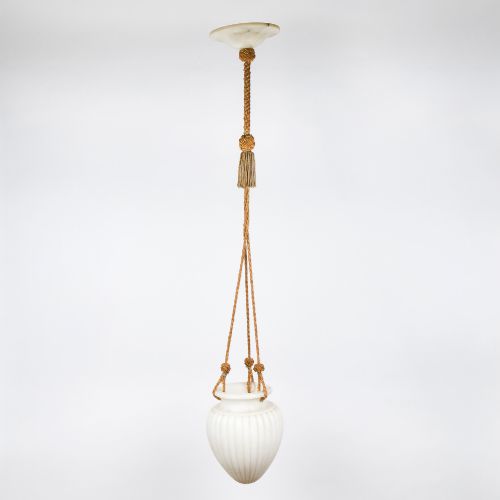
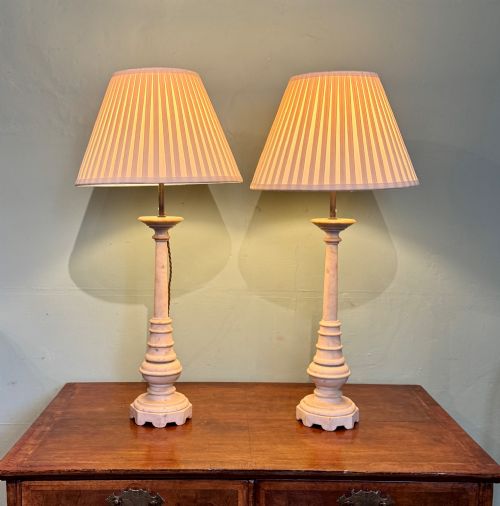
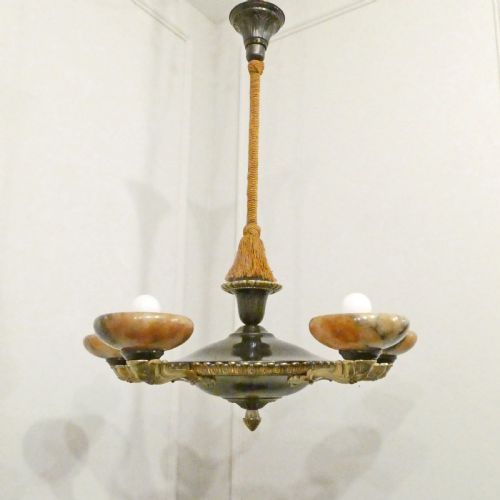
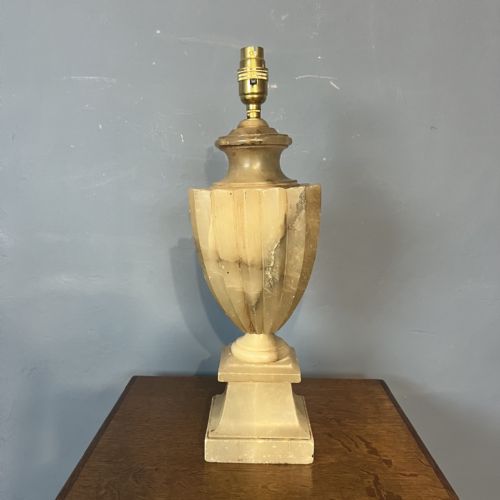
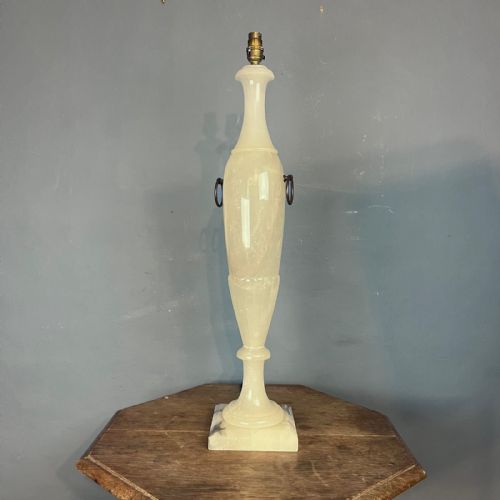
When searching for an antique alabaster light, buyers encounter a diverse selection ranging from hanging pendant dishes to grand floor standing lamps and table lamps. These pieces originate across the Victorian, Edwardian, and Art Deco periods, spanning the nineteenth and early twentieth centuries.
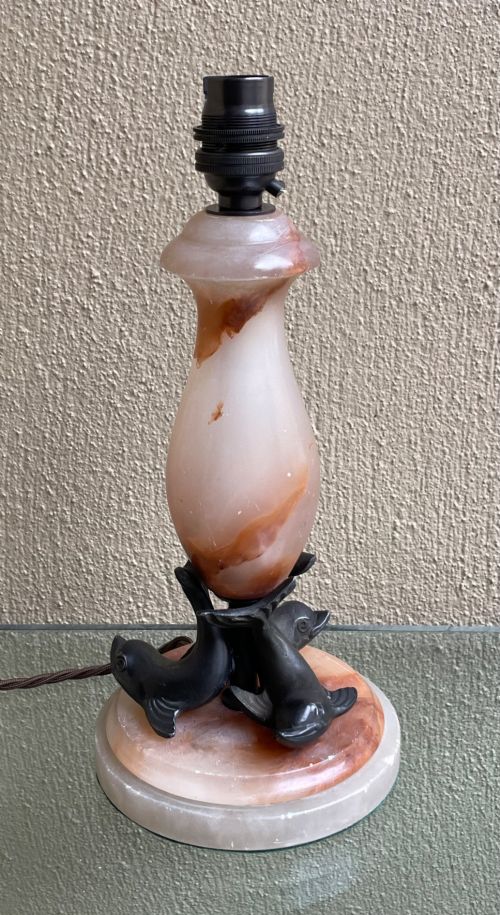
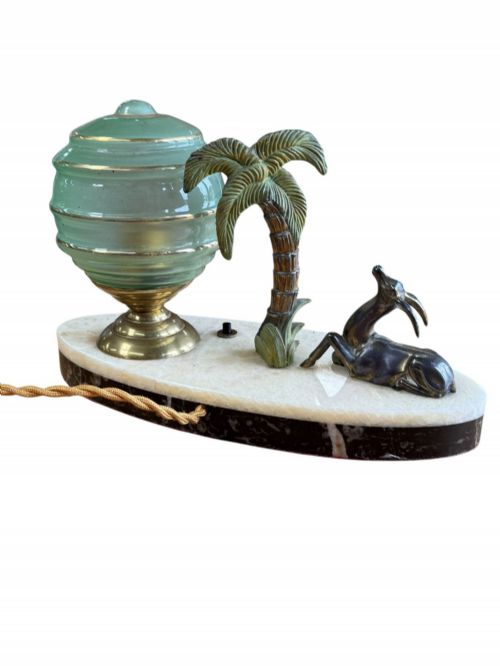
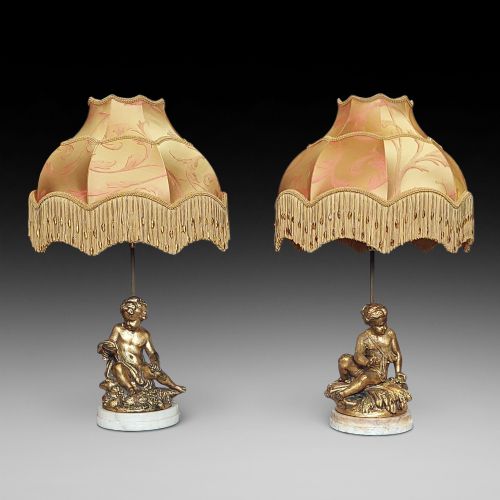
Makers and workshops produced these fixtures in various countries, with Italian and Swedish examples appearing frequently alongside English pieces. Collectors also find specialised items such as chambersticks and figural lamps depicting ladies or dolphins.
Materials and construction methods
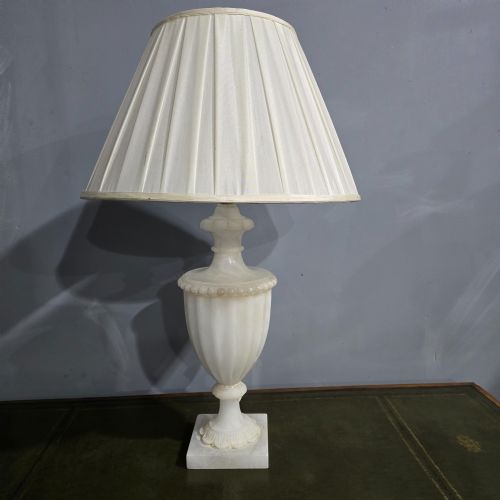
The primary material is natural stone, specifically alabaster, white marble, and onyx, which provides the characteristic translucent quality when illuminated. This stone is frequently carved, turned, or shaped into bowls, columns, and figural sculptures.
Metal mounts, chains, and fittings in brass, bronze, silver plate, and general metalwork secure the stone elements. Wiring and hanging mechanisms incorporate fabric cord, glass, and crystal components to complete the electrical or structural setup.
Several lamps feature carved aquatic creatures, including a distinct alabaster dolphin holding the light aloft.
Judging quality in stone lighting
Quality separates through the purity and natural figuring of the stone, where evenly translucent white alabaster without heavy dark inclusions commands attention. Carving depth and detail in figural subjects, such as lady lamps or dolphin motifs, demonstrate the skill of the artisan.
The integration of metal mounts, whether brass, bronze, or silver plate, defines the craftsmanship of the overall fixture. Heavier, more substantial architectural forms like neoclassical columns and large hanging dish lights reflect superior execution compared to simpler designs.
Jefferson
The Antique Alabaster Light Glossary
- Alabaster
- A fine-grained, translucent stone used extensively for carved lighting bowls and lamp bases. It diffuses light with a soft, warm radiance.
- Figural lamp
- A lighting fixture incorporating a sculpted human or animal form, such as a lady lamp or dolphin design. These often date to the Art Deco era.
- Pendant light
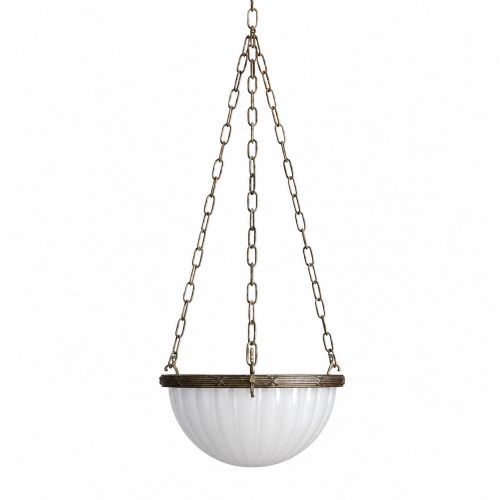
- A hanging light fixture suspended from the ceiling by chains, cords, or rods. In stone lighting, this frequently takes the form of a shallow carved dish.
Antique Alabaster Light: Frequently Asked Questions
What periods do these lights come from?
These lighting fixtures span the Victorian and Edwardian eras through to the 1920s and 1930s. The majority date from the early twentieth century.
Art Deco and Neoclassical Revival styles dominate the later decades, while simpler marble columns represent the nineteenth century.
How do I hang a heavy alabaster bowl?
Hanging heavy stone bowls requires securing the suspension chains directly into ceiling joists or structural timber. Professional installation ensures the weight is safely distributed.
Original brass or metal chains and mounts must be inspected to verify they can support the stone mass.
How do I clean antique alabaster?
Alabaster is a soft and porous stone that dissolves or stains easily with water. Cleaning requires only a dry microfibre cloth or a soft duster.
Moisture and commercial cleaning agents must be avoided entirely to protect the delicate surface texture.
Are these lights wired for modern use?
Many surviving fixtures retain older wiring components or fabric cords that require professional rewiring to meet current safety standards. Electricians can update internal fittings while preserving the external metal and stone elements.
Table lamps and ceiling fixtures alike benefit from a safety check before daily operation.