




1920s Female Bronze Sculpture
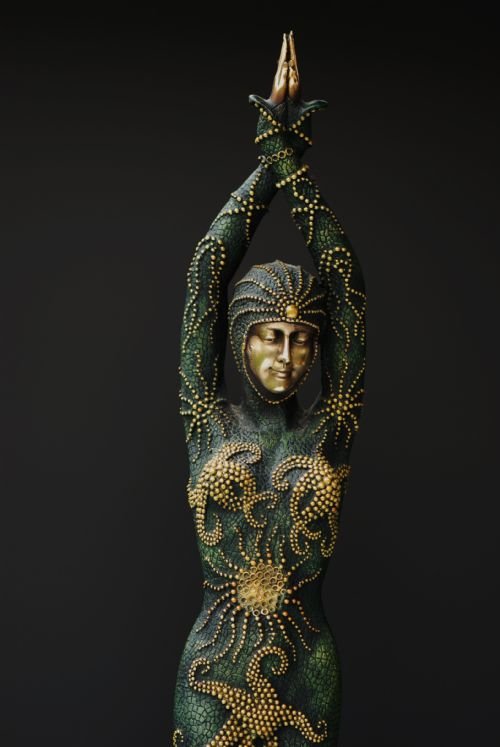
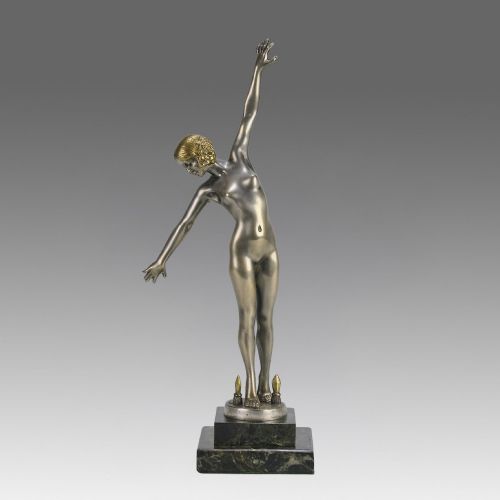
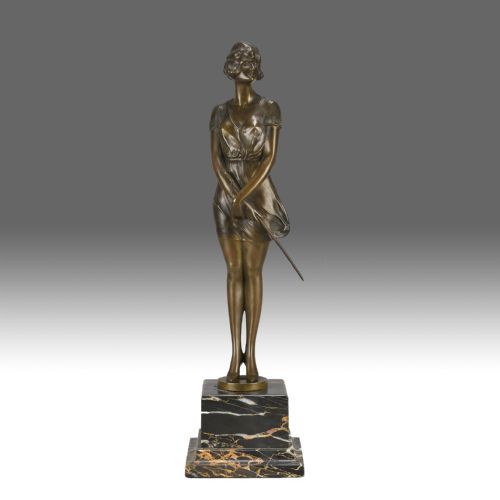
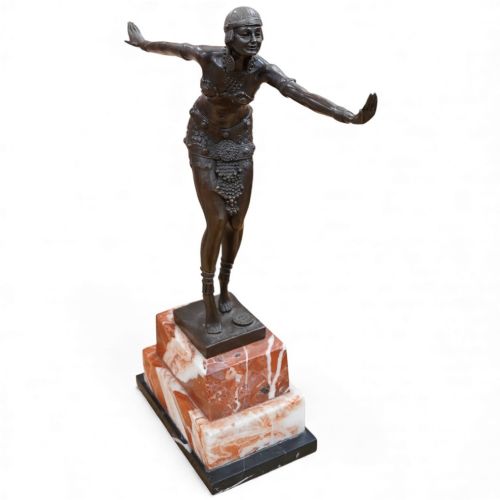
These figures in 1920s female bronze sculpture capture the movement and geometry of the interwar period, offering collectors dynamic centrepieces with unmistakable period character.
1920s Female Bronze Sculpture
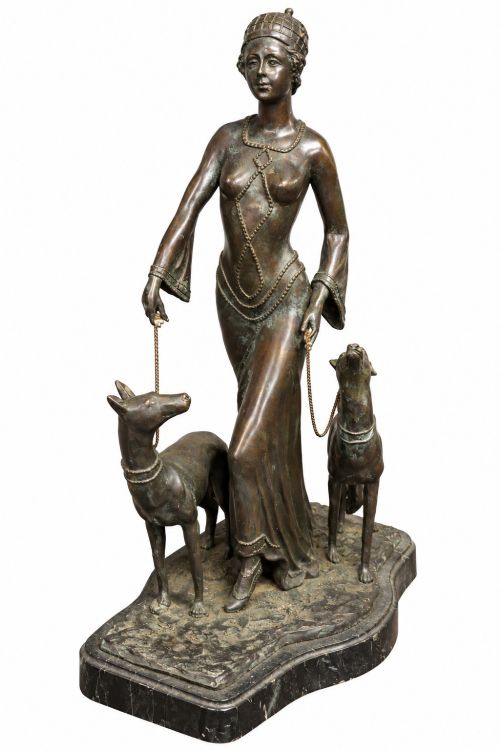
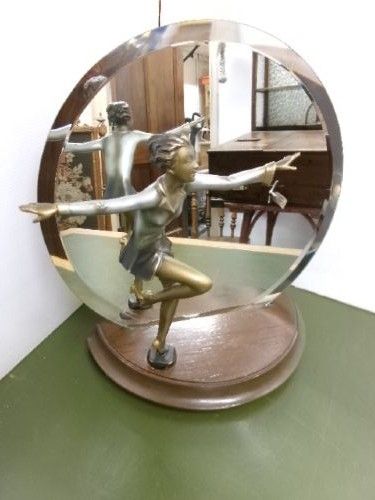
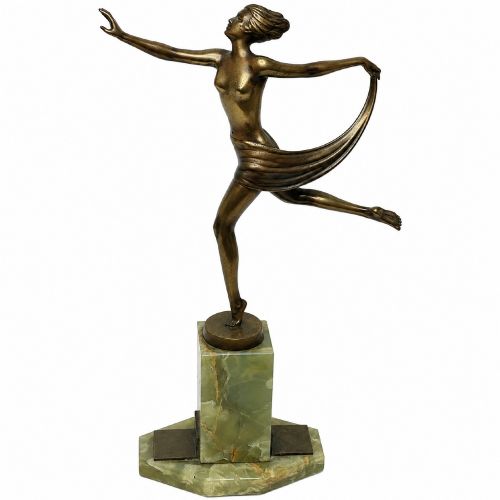
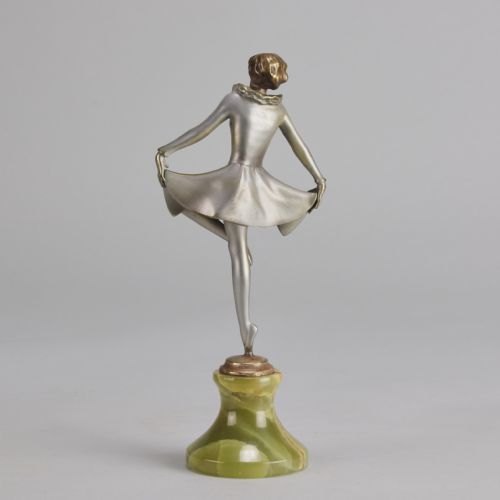
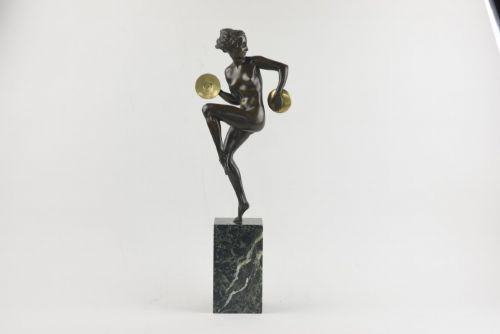
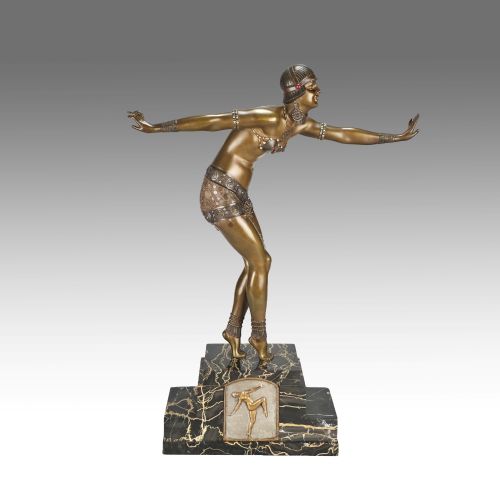
A 1920s female bronze sculpture typically depicts dancers, nudes, and athletic women rendered in the prevailing modernist vocabularies of the era. Buyers seeking these works encounter representations of motion, from scarf dancers and ballerinas to figures poised on stepped marble or onyx bases.
The objects span tabletop statuettes, car mascots, and larger gallery editions, reflecting how widely bronze was employed for decorative art in the early twentieth century. Art Deco styling predominates, alongside occasional Art Nouveau survivals and pieces dating into the 1930s.
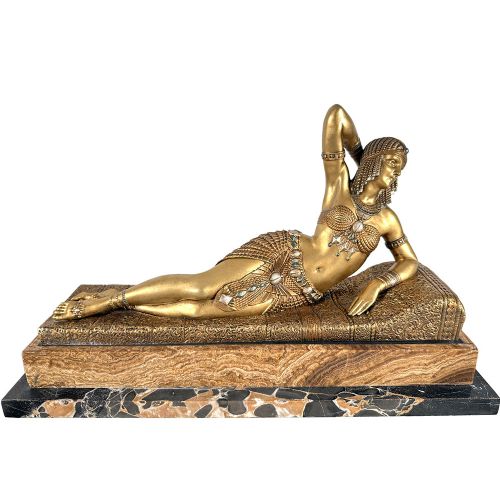
Subjects range from named character studies like Cleopatra and Diana to generic dancers and allegorical figures. Most examples combine cast metal with carved stone plinths to achieve height and structural stability.
Materials and production methods
Foundries utilised the lost-wax casting method to render complex drapery, elongated limbs, and intricate patination on these figures. Bronze was frequently enhanced through cold-painting, gilding, or silvering to accentuate the costume details and facial expressions.
Bases are commonly constructed from contrasting hardstones such as marble or onyx, which provide both weight and a clean geometric anchor for the metalwork. Wood and patinated metal also appear as structural or mounting materials across the surviving inventory.
1920s Female Bronze Sculpture Retail Price Guide 2026
Typical asking prices for 1920s female bronze sculpture among the pieces listed under this phrase on Sellingantiques today, from the lower quarter to the upper quarter. They describe what is for sale here now, not the wider market.
Several ladies balance perpetually on tiptoe, proving that the interwar period demanded both aerodynamic poise and immense ankle strength.
Distinctions in craftsmanship
Works bearing the signatures or foundry marks of notable sculptors demonstrate greater refinement in anatomical proportion and garment detailing. Weaker execution appears in softer surface definition and less expressive postures.
Ouillon Carrere·Georges Gori·Maurice Giraud-Rivière·Bruno Zach·Josef Lorenzl·Demetre Chiparus·Pierre Le Faguays·Claire Jeanne Roberte Colinet
The 1920s Female Bronze Sculpture Glossary
- Cold-painted bronze
- A technique where paint is applied to a cold metal surface rather than fired in a kiln. This finish requires careful preservation to prevent flaking over time.
- Chryselephantine
- A term describing statues made from a combination of bronze and ivory. Artists used ivory for exposed flesh while casting garments and hair in metal.
- Car mascot
- A miniature sculpture mounted upon the radiator cap of an automobile. Many iconic Art Deco female figures were produced in this portable scale.
- Patination
- The chemical treatment or natural ageing process that alters the colour of the bronze surface. Artists controlled these chemical baths to produce warm browns, greens, and blacks.
- Spelter
- A zinc alloy frequently used as a less expensive alternative to bronze during the period. It mimics the appearance of cast bronze while possessing a lighter weight.
1920s Female Bronze Sculpture: Frequently Asked Questions
How do I identify a genuine period casting?
Examine the weight, the sharpness of the chisel work on the metal surface, and the type of fixings used to secure the figure to its base. Period pieces show appropriate wear to the underside and consistent patination within recessed areas.
Compare the proportions and signature style against documented examples by known foundries and sculptors of the era.
Where were these sculptures originally displayed?
These figures served as interior ornaments on mantelpieces, desks, and sideboards within affluent interwar homes. Smaller versions functioned as automobile mascots mounted externally on luxury motor cars.
Their dramatic poses were intended to catch the eye and reflect contemporary passions for modern dance and athleticism.
How should I care for cold-painted surfaces?
Keep these sculptures away from direct sunlight and high humidity to prevent the fragile paint layers from lifting or fading. Dust them gently with a soft, dry brush without applying commercial polishes or liquids.
Handling should be minimised, particularly on pieces with delicate polychrome or ivory components.