


1920s Bronze Dancer
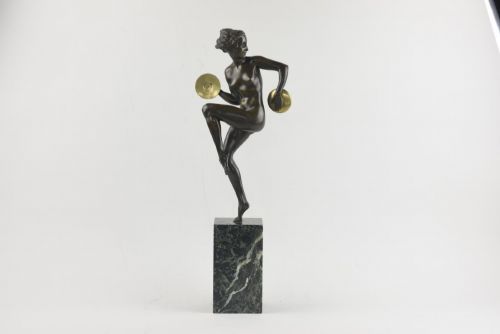
A 1920s bronze dancer captures the kinetic energy of the Jazz Age in solid metal, offering collectors a striking figure of motion.
1920s Bronze Dancer
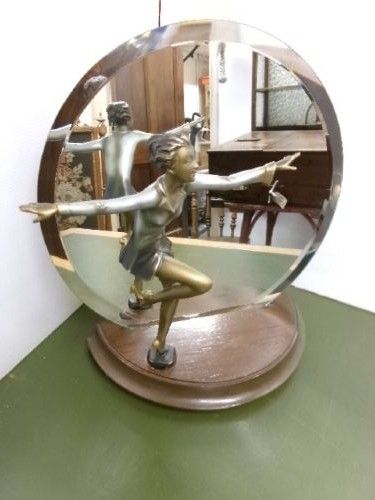
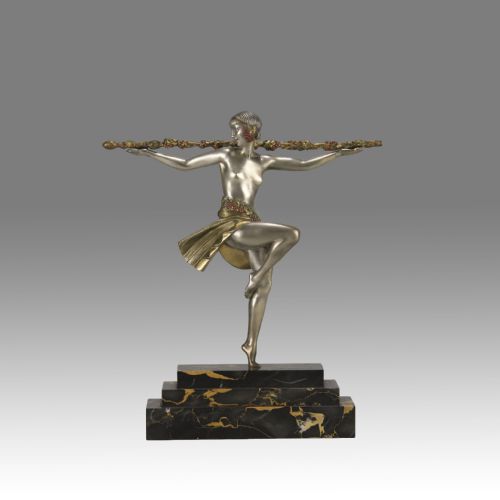
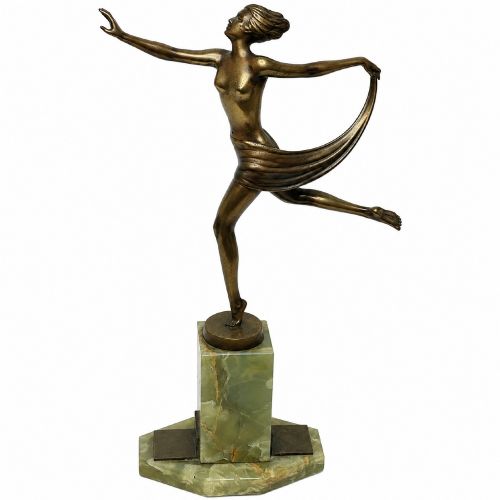
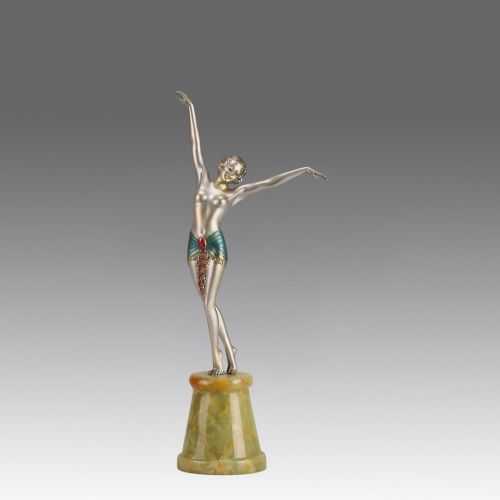
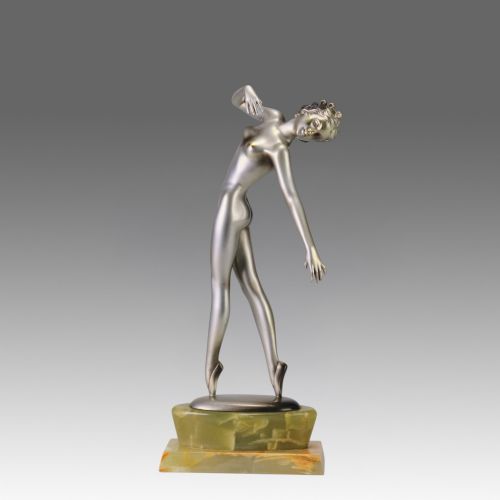
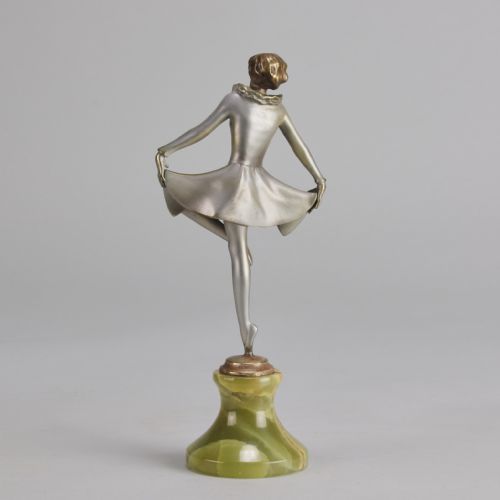
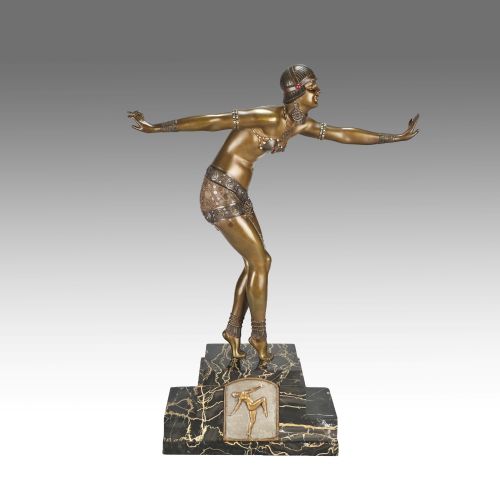
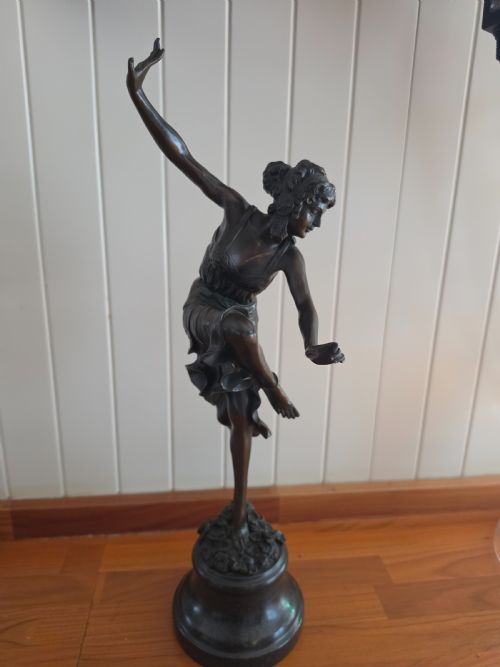
When you search for a 1920s bronze dancer, you encounter sculptural works that capture female figures in motion, often adopting dynamic poses associated with the ballet, cabaret, and exotic dance. These pieces embody the Art Deco aesthetic through streamlined silhouettes, outstretched arms, and expressive gestures.
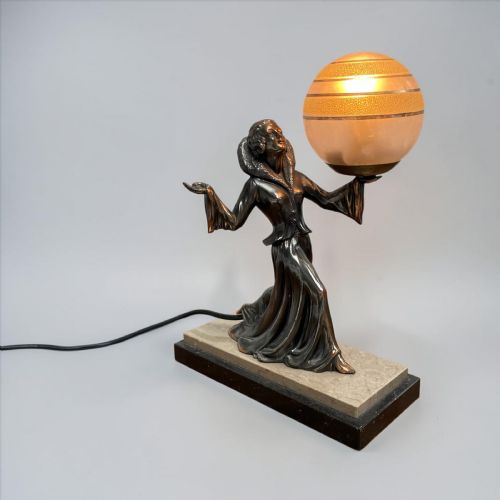
The versions most frequently met on this page are cast figures mounted on heavy stone bases such as marble or onyx, standing as table sculptures, statuettes, or integrated components of table lamps. Originating primarily from French and Austrian studios, these works reflect the international embrace of modern choreography during the interwar period.
Materials and Fabrication
The primary material used is bronze, cast using traditional techniques to capture fine details in drapery, hair, and posture. Many examples receive surface treatments such as cold-painting, silvering, or gilt applications to add colour and texture to the garments and skin.
1920s Bronze Dancer Retail Price Guide 2026
Typical asking prices for 1920s bronze dancer among the pieces listed under this phrase on Sellingantiques today, from the lower quarter to the upper quarter. They describe what is for sale here now, not the wider market.
Several dancers balance precariously upon a single toe or dice, freezing a moment of high-stakes motion in solid metal.
Assessing Quality and Execution
The distinction between tiers of execution rests upon the crispness of the casting and the sensitivity of the chasing work done after the metal cools. Superior examples retain sharp facial expressions, delicate fingers, and intricate patterns in the dancer's costume without surface pitting or soft contours.
The choice and finishing of the mounting base contribute significantly to the overall integrity of the piece, with dense, polished marbles providing a stable and balanced platform that complements the metallic proportions of the figure above.
Pierre le Faguays·Josef Lorenzl·Demetre Chiparus·Maurice Guiraud Riviere·Paul Philippe·Claire Jeanne Roberte Colinet·Bruno Zach·Claude Mirval
The 1920s Bronze Dancer Glossary
- Cold-painted
- A method where paint is applied to a bronze object after casting without being fired in a kiln. This technique allows for detailed polychrome finishes on costumes and hair.
- Chryselephantine
- A term describing statues made from a combination of bronze and ivory. In this period, sculptors utilised ivory for the exposed flesh of the dancers.
- Patinated metal
- A surface treatment applied to base metals to simulate the appearance of aged bronze. It provides a distinct dark or coloured tone to the sculpture.
- Spelter
- An alloy of zinc used as a cost-effective alternative to bronze in decorative metalwork. It takes fine detail well but is softer and lighter than genuine bronze.
- Art Deco
- The dominant design style of the interwar period characterised by geometric symmetry, stylised forms, and sleek lines. It informs the posture and attire of nearly all these figures.
1920s Bronze Dancer: Frequently Asked Questions
What materials are used in these sculptures?
The sculptures are cast primarily in bronze or patinated metal, with some examples utilising silvered or gilt finishes. Many figures incorporate cold-painted pigments on the garments to enhance the visual detail.
The figures are almost universally mounted on heavy bases made of marble or onyx. Selected works also integrate carved ivory for the skin in the chryselephantine style, or glass components in lamp configurations.
How do I identify a genuine period piece?
Period pieces from the 1920s and 1930s exhibit the specific casting methods, foundry marks, and patination techniques characteristic of interwar European art metalwork. The weight of the metal and the density of the stone base provide strong indicators of period manufacture.
Signatures or foundry stamps incised directly into the bronze or the marble plinth often point to known sculptors of the era. Examining the wear patterns and the method of attachment between the figure and the base helps confirm authenticity.
Where were these bronze dancers made?
The vast majority of these sculptures originated in major European artistic centres, most notably in France and Austria. Paris served as a central hub where sculptors worked with specialised foundries to cast and finish their designs.
Austrian workshops, particularly in Vienna, were renowned for producing cold-painted bronze figurines and decorative lamps. These pieces were exported internationally to meet the rising demand for modern interior ornamentation.
How should I display a bronze figure at home?
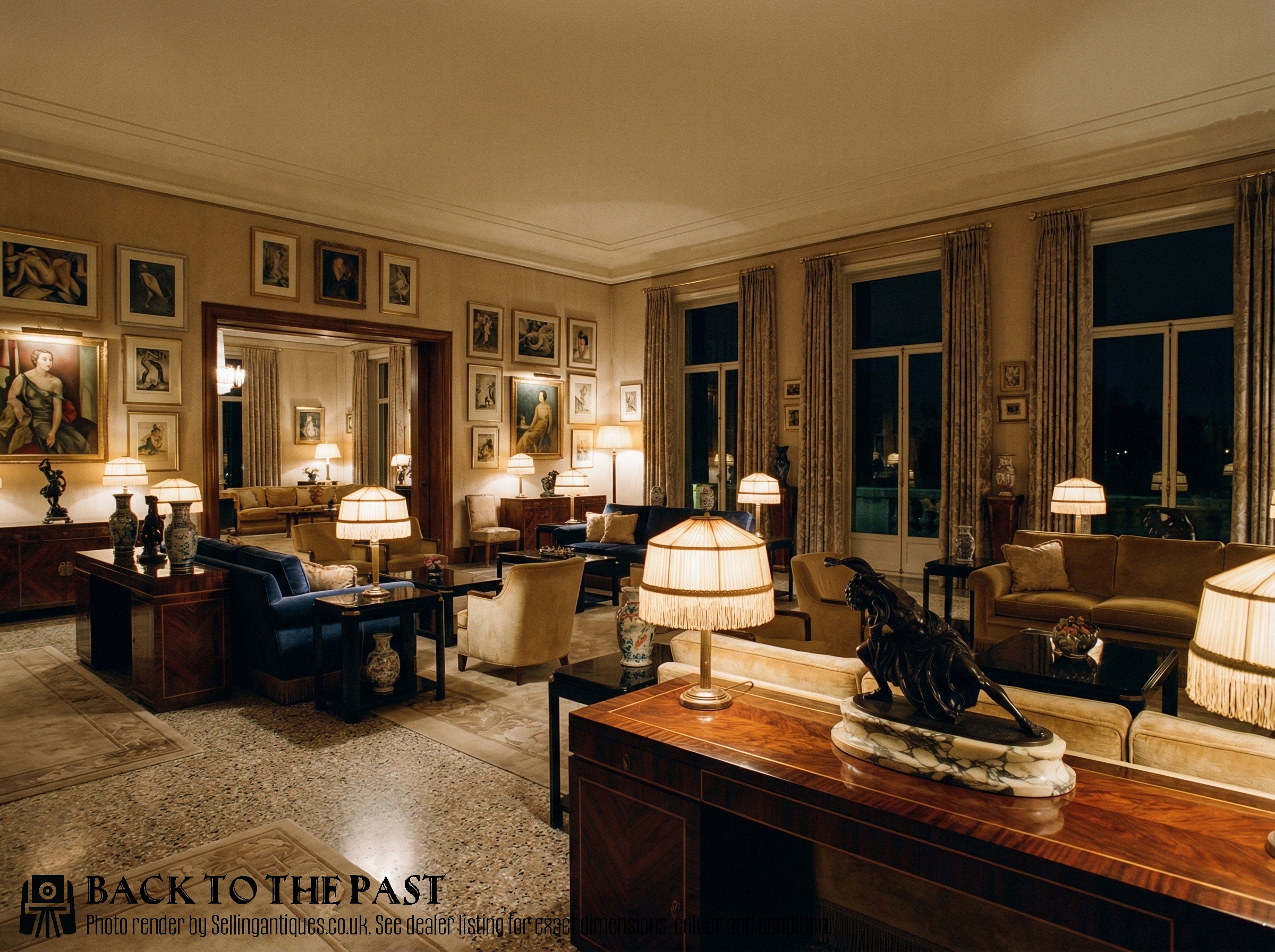
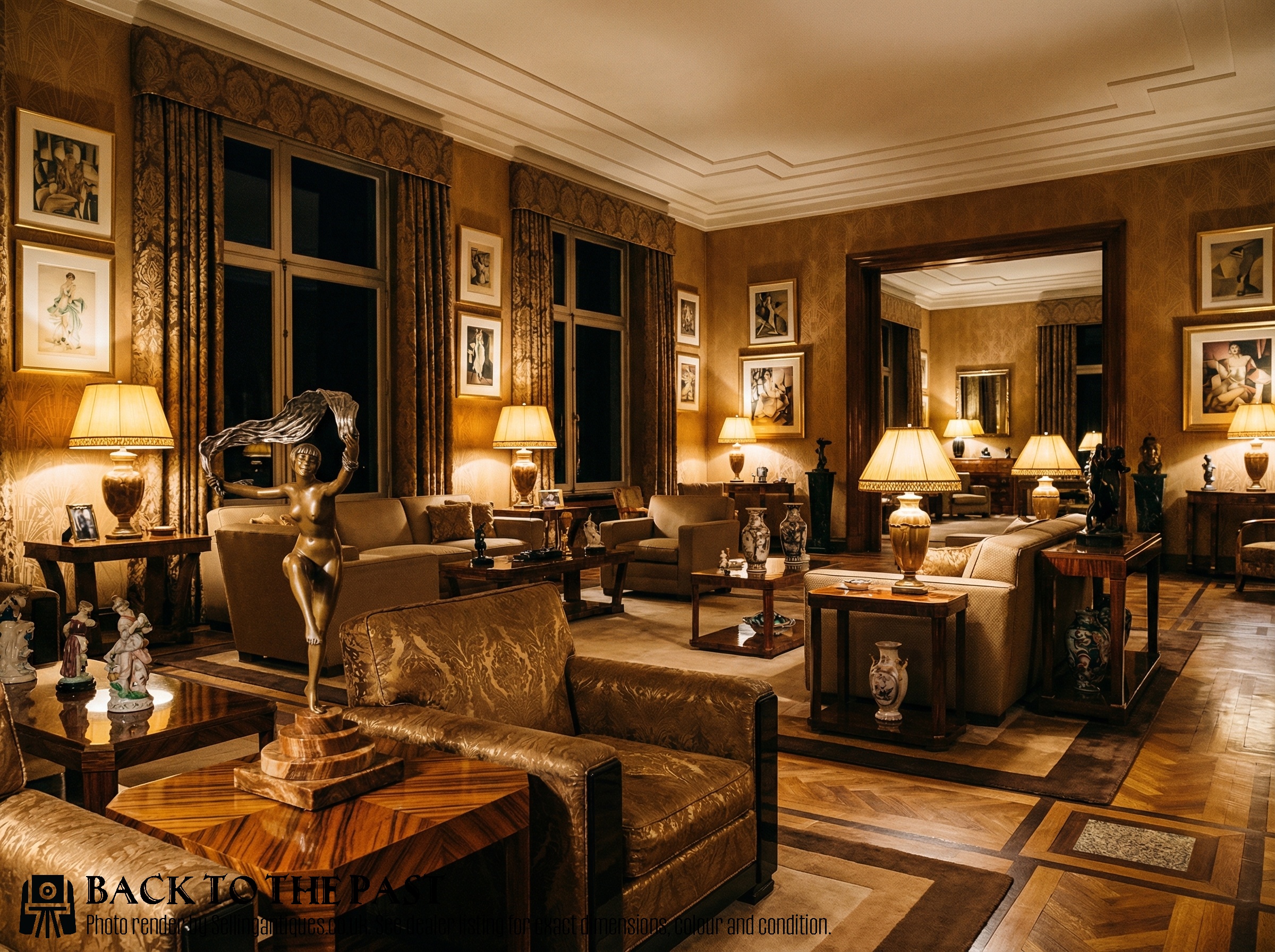
Display these sculptures on stable, level surfaces such as sideboards, mantelpieces, or dedicated pedestals where their three-dimensional forms can be viewed from multiple angles. Positioning them away from direct sunlight protects any cold-painted surfaces or ivory elements from degradation.
Ensure the supporting furniture is sturdy enough to bear the considerable weight of the marble or onyx bases. Maintaining a stable indoor climate without excessive humidity preserves both the metal patination and the stone plinth.