



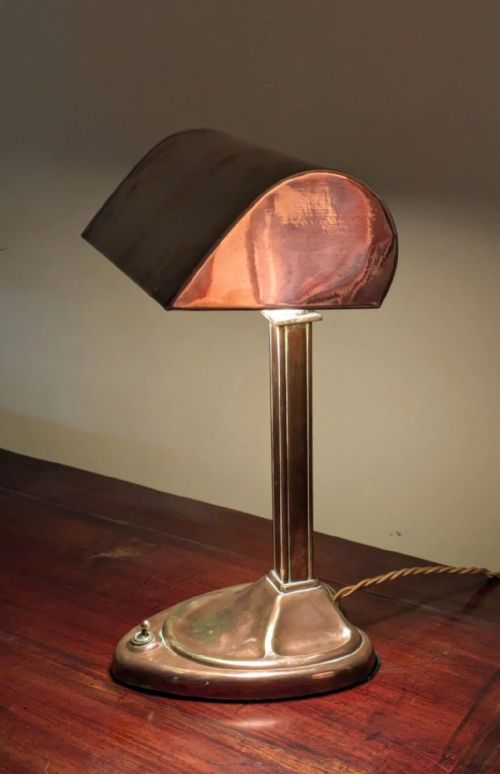
1920s Art Deco Lighting
These pieces of 1920s art deco lighting bring geometric elegance and strong industrial materials into modern interiors.
1920s Art Deco Lighting
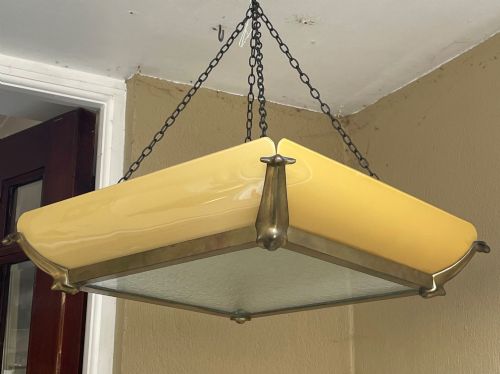
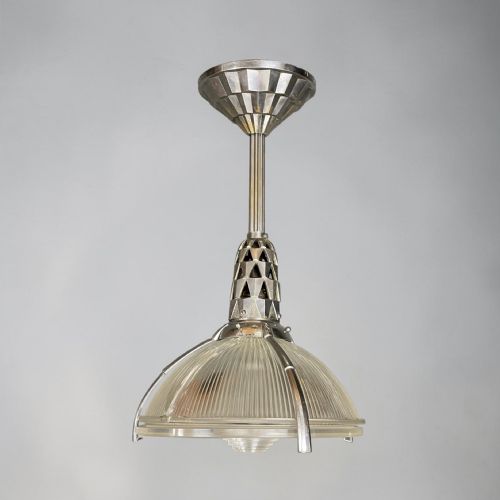
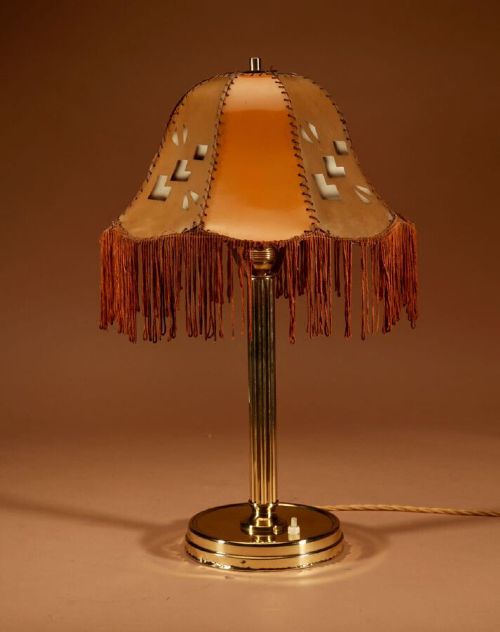
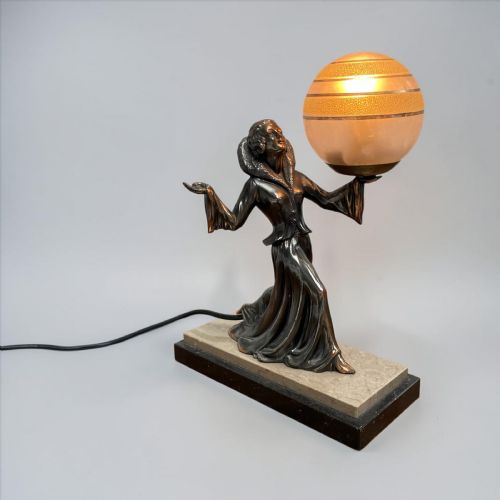
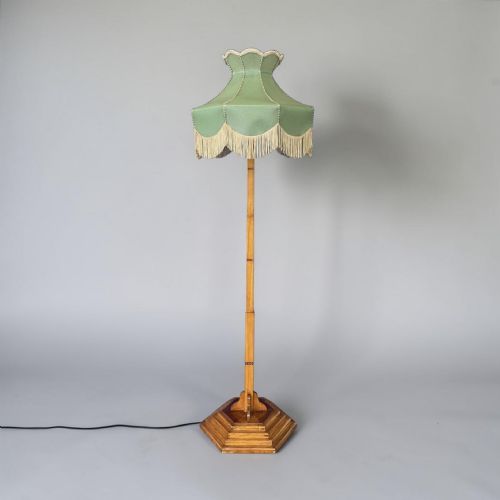
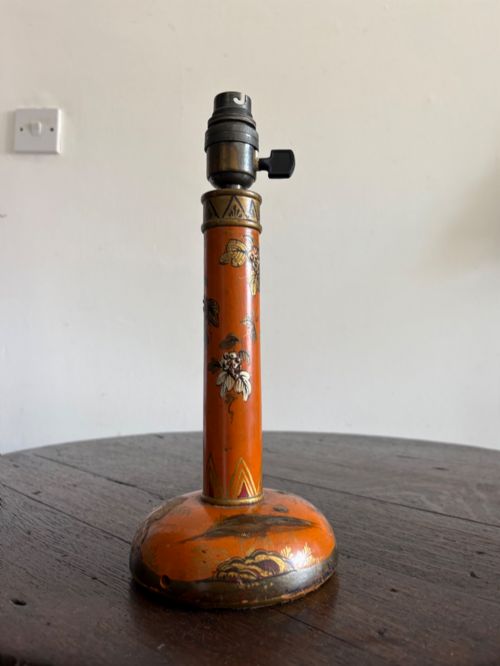
1920s art deco lighting comprises table lamps, pendant lights, desk lamps, ceiling lights, floor lamps, and chandeliers originating from the early decades of the twentieth century. These fixtures span periods from the nineteen-twenties through to the nineteen-forties, capturing the shift towards modern design.
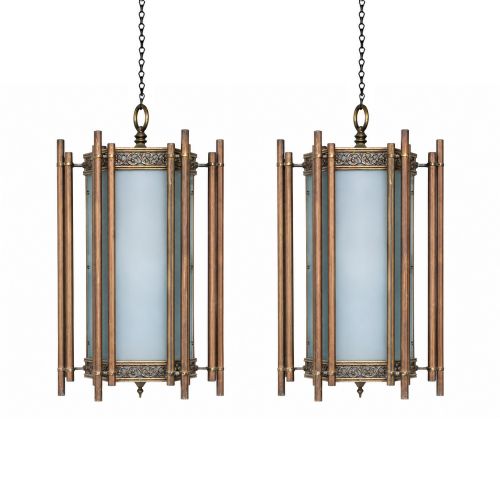
Buyers frequently encounter standard lamps and table lamps, alongside hanging lanterns and multi-light chandeliers. The selection includes specific designer pieces as well as functional domestic lighting from French and British workshops.
Materials and Construction
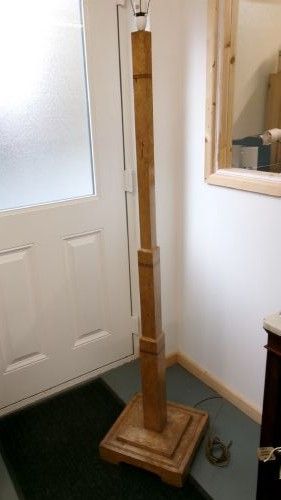
Metalwork forms the structural backbone of these pieces, utilising brass, chrome, copper, wrought iron, and sterling silver. These metals are often combined with turned wood such as oak, blond walnut, and limed oak.
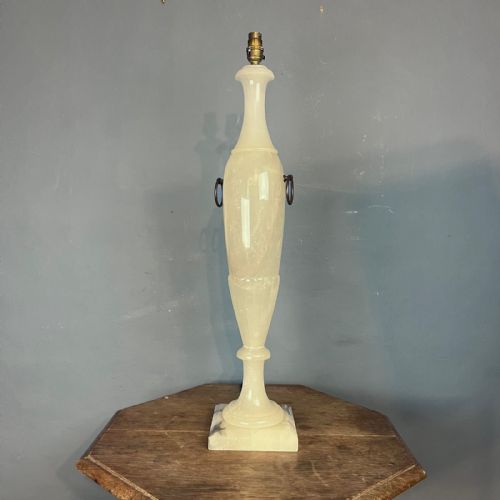
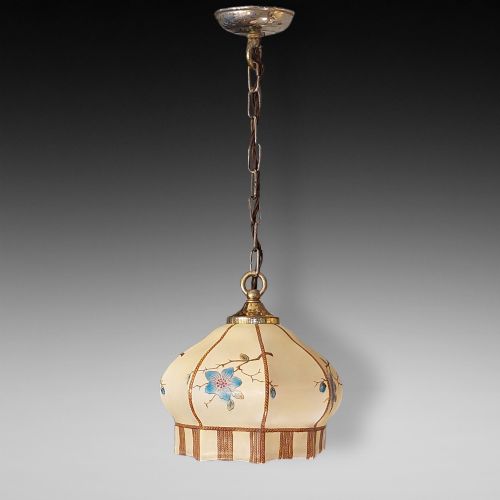
Lighting diffusers and shades rely heavily on glass, including frosted glass, opaline glass, rock crystal, and moulded pieces from makers like R Lalique and Schneider. Alabaster and hand-painted fabric also appear as primary shade components.
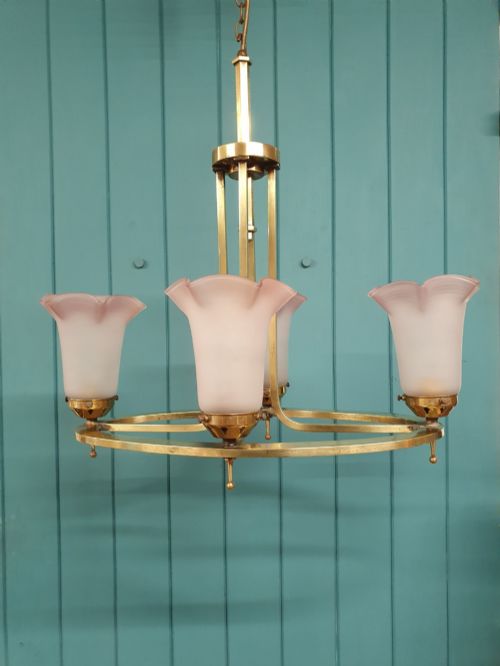
The lighting objects span ceiling fixtures, floor standards, desk lamps, and multi-light chandeliers.
Distinctions in Quality
Quality rests upon the purity of the metal casting, the weight of the brass or chrome, and the presence of signed glass shades from recognised glasshouses. Superior examples maintain original surface finishes and mechanical adjustments.
Design complexity also separates standard utility lamps from sculptural works by notable designers and artists, where specialised materials like wrought iron and carved alabaster are employed.
Émile-Jacques Ruhlmann·R Lalique·Karl Ens·Anton Buschelberger·Schneider·Wilhelm Wagenfeld·Degue·Heals of London
The 1920s Art Deco Lighting Glossary
- Art Deco
- A design style characterised by streamlined forms, geometric patterns, and modern industrial materials that emerged following the First World War.
- Standard Lamp
- A tall floor-standing lamp designed to illuminate a room from a standing position. These often incorporate adjustable metal columns or wooden shafts.
- Opaline Glass
- A milky, semi-translucent glass used widely for diffusing light softly across domestic interiors. It gained popularity during the late nineteenth and early twentieth centuries.
- Chandelier
- A branched ceiling light fixture designed to hold multiple bulbs or candles. Examples from this era utilise glass shades and metal armatures.
1920s Art Deco Lighting: Frequently Asked Questions
How do I install a vintage chandelier?
Vintage ceiling lights require professional electrical wiring to meet current safety standards while retaining their original metal frames and fittings.
Qualified electricians can adapt older brass and chrome fixtures for modern ceiling boxes without altering the external appearance.
What bulbs do these lamps take?
Many period desk and table lamps accept standard modern screw or bayonet bulbs with contemporary wattage limits.
LED alternatives provide the correct illumination level without generating excessive heat that could damage vintage fabric or painted glass shades.
How do I clean brass and chrome?
Metal components benefit from gentle dusting and occasional cleaning with non-abrasive cloths to preserve the patinated surface.
Harsh chemical polishes should be avoided on antique chrome and brass to protect the original finish achieved over decades.
Are these lamps adjustable?
Several desk and standard lamps feature flexible or articulated arms designed for directional task lighting.
Original mechanical joints allow the height and angle of the shade to be repositioned safely.