



Retro Accent Lighting
These retro accent lighting pieces bring period character to a room through distinctive forms from the 1920s, 1930s, and 1940s.
Retro Accent Lighting
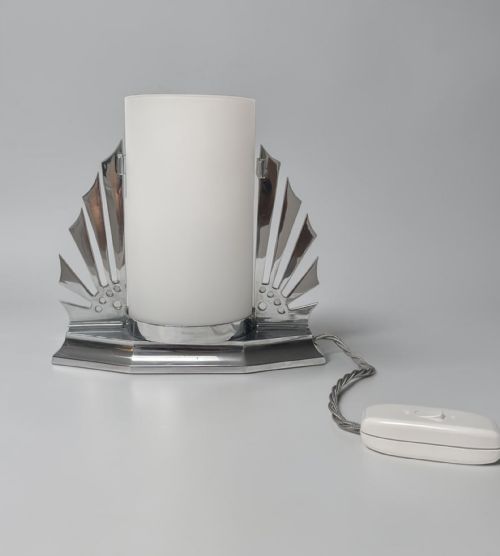
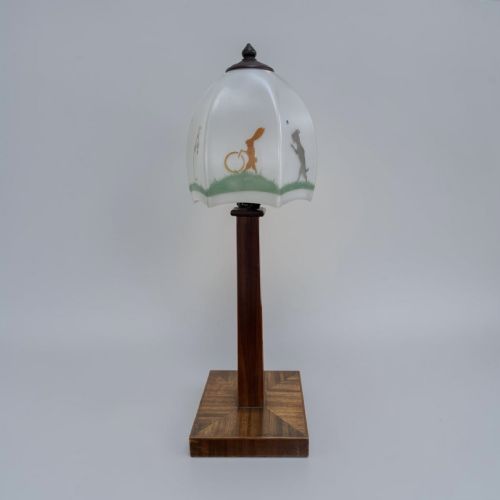
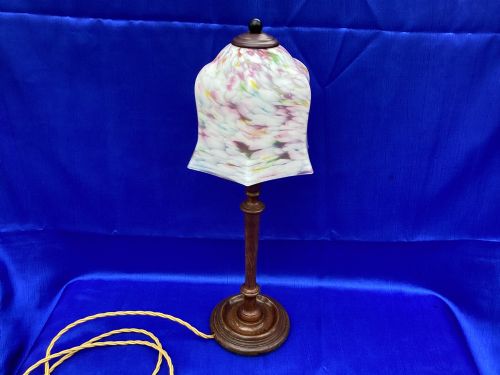
Retro accent lighting encompasses table lamps that provide characterful illumination and decorative presence in a room. When searching for retro accent lighting, buyers encounter diverse forms primarily originating from the 1920s and 1930s. The selection on this page focuses entirely on table lamps, ranging from geometric designs to figural sculptures.
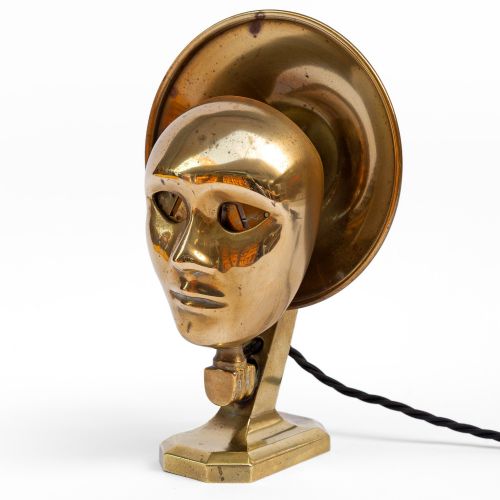
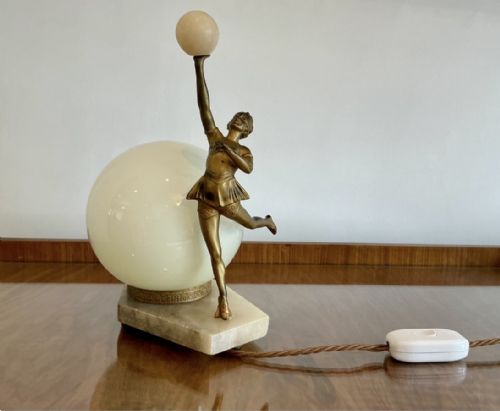
Art Deco examples dominate the available styles, often incorporating glass, brass, and chrome. Pieces span from straightforward lighting fixtures to sculptural works depicting figures, birds, and marine life. Early twentieth-century production also includes Arts and Crafts, Edwardian, and traditional English influences.
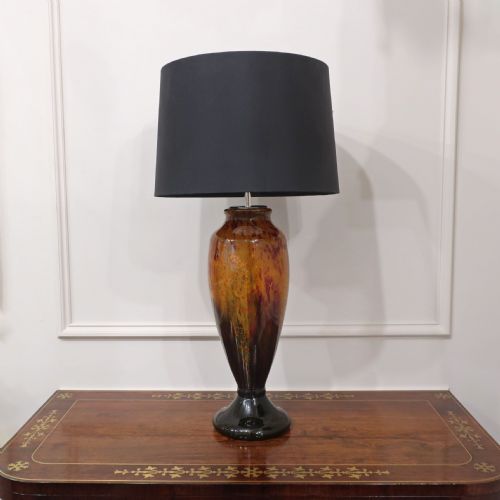
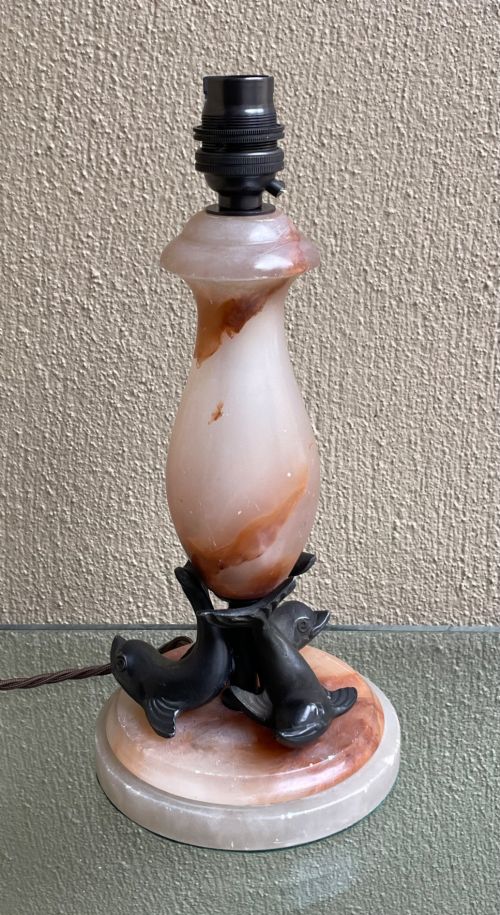
Variants include French glass pieces, alabaster dolphin lamps, and celluloid small table lamps. The physical materials reflect the prevalent manufacturing methods of the early to mid-twentieth century, pairing metals with decorative glass and stone bases.
Materials and Construction
Glass represents a primary medium, appearing as opaline glass, frosted glass, cut glass crystal, and mottled glass. Techniques such as mould-blowing and acid-etching create the distinctive surface patterns and textures seen on shades and bodies. Celluloid and fabric also appear in specific lamp constructions from the period.
Retro Accent Lighting Retail Price Guide 2026
Typical asking prices for retro accent lighting among the pieces listed under this phrase on Sellingantiques today, from the lower quarter to the upper quarter. They describe what is for sale here now, not the wider market.
The selection includes figural designs depicting birds and human figures alongside geometric glass and metal table lamps.
Assessing Quality and Distinction
Quality in these table lamps rests upon the integrity of the materials and the precision of the casting or glasswork. Finer examples display crisp detail in figural elements, such as brass or spelter figures, and sophisticated treatment of the glass. The weight of the metal and the finish of the chrome or brass distinguish superior workshop output.
Design attribution and originality of components dictate distinction within this category. Lamps that retain their matching glass shades, original switchware, and integrated mounting hardware command greater interest. The harmony between the base material, such as marble or carved wood, and the upper lighting element indicates the original maker's design intent.
Karl Palda·Charles Schneider·Fritz Lang
The Retro Accent Lighting Glossary
- Opaline Glass
- A semi-opaque glass, either white or tinted, used extensively for diffusing light softly in period lamps. It provides an even, glare-free glow.
- Spelter
- An alloy of zinc and lead used as a cost-effective substitute for bronze in decorative figures and bases. It is typically electroplated or painted to resemble bronze or brass.
- Art Deco
- A design style prevalent in the 1920s and 1930s characterised by sleek geometric shapes, stylised figures, and industrial materials. It is the dominant aesthetic in these lighting listings.
- Celluloid
- An early form of thermoplastic used for decorative panels and small lamp components in the 1920s. It offers a lightweight alternative to glass and ceramics.
Retro Accent Lighting: Frequently Asked Questions
What periods do these lamps cover?
The lighting selection primarily spans the 1920s, 1930s, and 1940s, capturing the height of Art Deco and modernist design.
Occasional pieces reach back into the 19th century or draw upon Edwardian and Arts and Crafts traditions.
How do I identify an Art Deco lamp?
Look for geometric motifs, stylised animal or human figures, and industrial materials like chrome and brass.
Many pieces feature sharp angles, stepped bases, or mottled glass reminiscent of interwar design trends.
What materials are most common?
Glass and brass appear frequently across the collection, often paired with marble or chrome components.
Makers also utilised spelter, bronze, fabric, and occasional wooden elements like oak and mahogany.
Are these lamps suitable for modern rooms?
These table lamps function well as accent pieces on sideboards, desks, or bedside tables in contemporary interiors.
Their distinct sculptural forms provide both functional illumination and a strong decorative focal point.